
Used 2017 Freightliner Conventional Sleeper Trucks For Sale
Shop used 2017 Freightliner conventional sleeper trucks. Compare Cascadia specs, DD15 engines, DT12 transmissions, sleeper sizes, and axle setups.
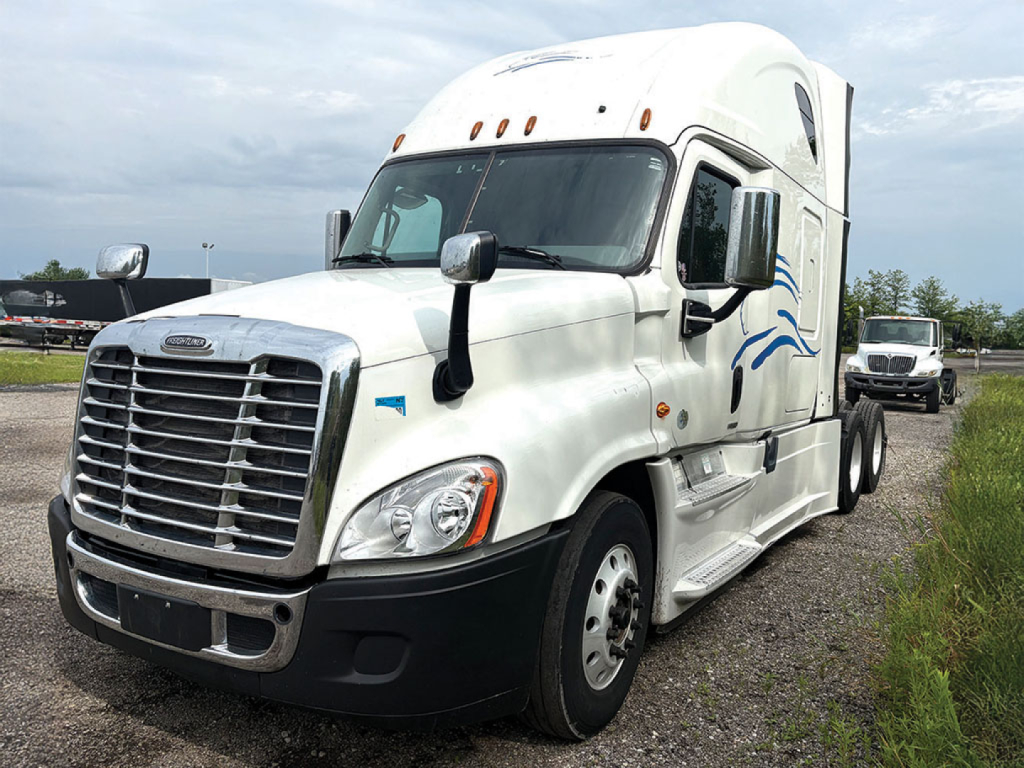
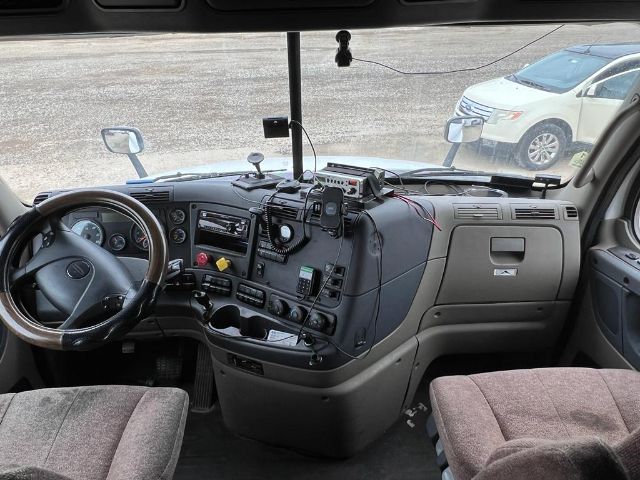

Selling a used 2017 freightliner conventional sleeper truck? List your used 2017 freightliner conventional sleeper truck for sale to reach thousands of commercial buyers.
Used 2017 Freightliner Conventional Sleeper Trucks
The most common 2017 Freightliner sleeper configuration centers on the Detroit DD15 engine, often paired with a Detroit DT12 automated manual transmission, though some trucks will be spec'd with manual gearboxes depending on the original fleet or owner-operator order. Horsepower ratings in this class often fall in the 400 to 505 HP range, with rear axle ratings commonly at 40,000 pounds. Pay close attention to rear-end ratio and wheelbase because those two details say a lot about the truck's intended application. A 2.47 or 2.64 ratio usually points toward fuel-focused linehaul work, while 3.08, 3.23, or 3.36 gearing may better suit heavier loads, mixed terrain, or regional operation. Buyers should also compare 5th wheel style, kingpin setting flexibility, tire size, and whether the truck has drum or disc brakes.
Sleeper layout is another major decision point. Many Freightliner conventional sleepers from this era were ordered with 60-inch to 72-inch sleepers, including mid-roof, raised-roof, and condo-style setups. A raised-roof or 72-inch condo sleeper gives a team or long-haul driver more room for storage, standing space, and upper bunk use, while a mid-roof sleeper can keep weight and overall profile down. Features such as an APU, refrigerator, bunk heater, inverter prep, and climate control can make a measurable difference in idle reduction and driver retention. Aerodynamic equipment like side fairings, cab extenders, roof fairings, and quarter fenders also matters on a 2017 truck because missing or damaged aero components can affect fuel economy and overall operating cost.
For buyers comparing multiple used 2017 Freightliner conventional sleeper trucks, the smart evaluation goes beyond mileage and price. Look closely at maintenance history, emissions system service, clutch or transmission calibration history on DT12-equipped trucks, suspension wear, and tire condition across all positions. Freightliner remains a strong choice in the used sleeper market because the Cascadia platform is familiar to drivers, supported by a large dealer network, and commonly spec'd for van, reefer, and general freight applications. If the truck's sleeper size, axle ratio, and powertrain match your lanes, a 2017 Freightliner conventional sleeper can still be a practical revenue truck for long-haul or regional service.
Frequently Asked Questions about Used 2017 Freightliner Conventional Sleeper Trucks
What engine is most common in a used 2017 Freightliner conventional sleeper truck?
The Detroit DD15 is the most common engine found in 2017 Freightliner conventional sleeper trucks, especially in Cascadia fleet specifications. It is popular because it balances fuel economy, service network support, and broad parts availability. Some trucks may have different horsepower ratings or alternative engine pairings, so buyers should confirm the exact rating, emissions history, and maintenance records rather than assuming all 2017 Freightliners are identically spec'd.
Is a 2017 Freightliner Cascadia sleeper a good choice for long-haul freight?
Yes, a 2017 Freightliner Cascadia sleeper is still a practical long-haul truck when the spec matches the application and the maintenance history is solid. The platform was widely used in over-the-road service because of its aerodynamic design, comfortable sleeper options, and efficient Detroit powertrain combinations. It is especially well suited for dry van, reefer, and general freight operations where uptime, fuel economy, and service access are major priorities.
What sleeper size should I look for in a 2017 Freightliner conventional sleeper?
The right sleeper size depends on route length, driver preferences, and how much onboard storage you need. A 60-inch sleeper may work well for shorter runs or solo regional use, while a 72-inch raised-roof or condo sleeper is better for extended over-the-road operation, team driving, or fleets focused on driver comfort. Buyers should look beyond the sleeper length alone and verify bunk setup, cabinet storage, refrigerator space, and idle-reduction equipment.
What specs matter most when comparing used 2017 Freightliner sleeper trucks?
The most important specs are engine model and horsepower, transmission type, rear axle ratio, wheelbase, sleeper size, and brake configuration. Those details determine how the truck will perform in fuel economy, cruise speed, payload handling, and maneuverability. Buyers should also inspect the 5th wheel setup, suspension condition, tire matching, and any emissions or aftertreatment repairs because those factors can affect near-term operating costs.
Are automated transmissions common in 2017 Freightliner conventional sleepers?
Yes, many 2017 Freightliner conventional sleeper trucks were equipped with the Detroit DT12 automated manual transmission. It became a common fleet spec because it helps standardize shifting behavior, reduce driver fatigue, and support fuel-efficient operation. When evaluating a used truck with a DT12, buyers should confirm software updates, calibration history, clutch wear status, and overall driveline service records.