
Used 2017 Conventional Sleeper Trucks For Sale in Florida
Shop used 2017 conventional sleeper trucks in Florida. Compare raised-roof highway tractors, engine specs, sleepers, wheelbase, and driveline setups.
Learn more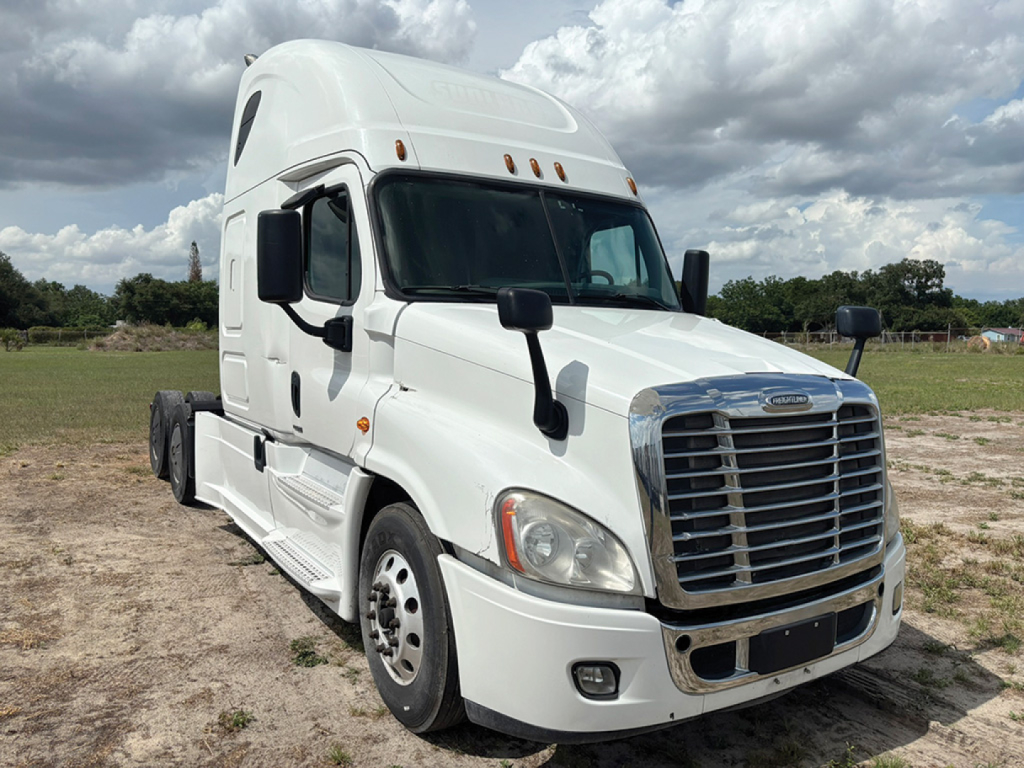
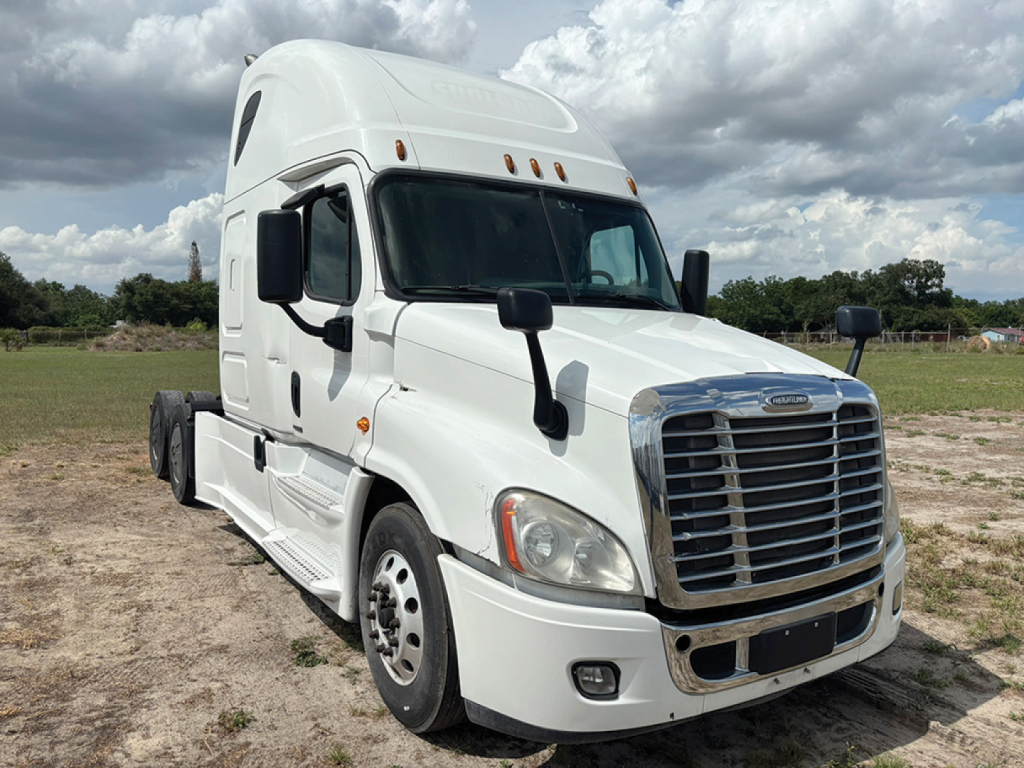
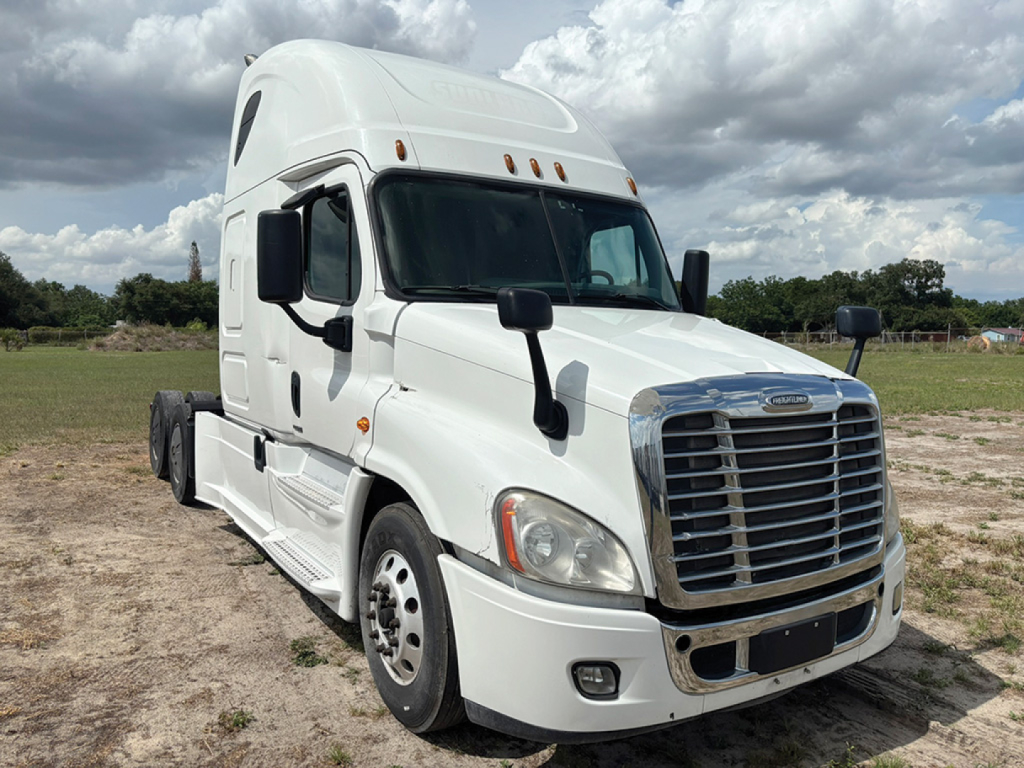
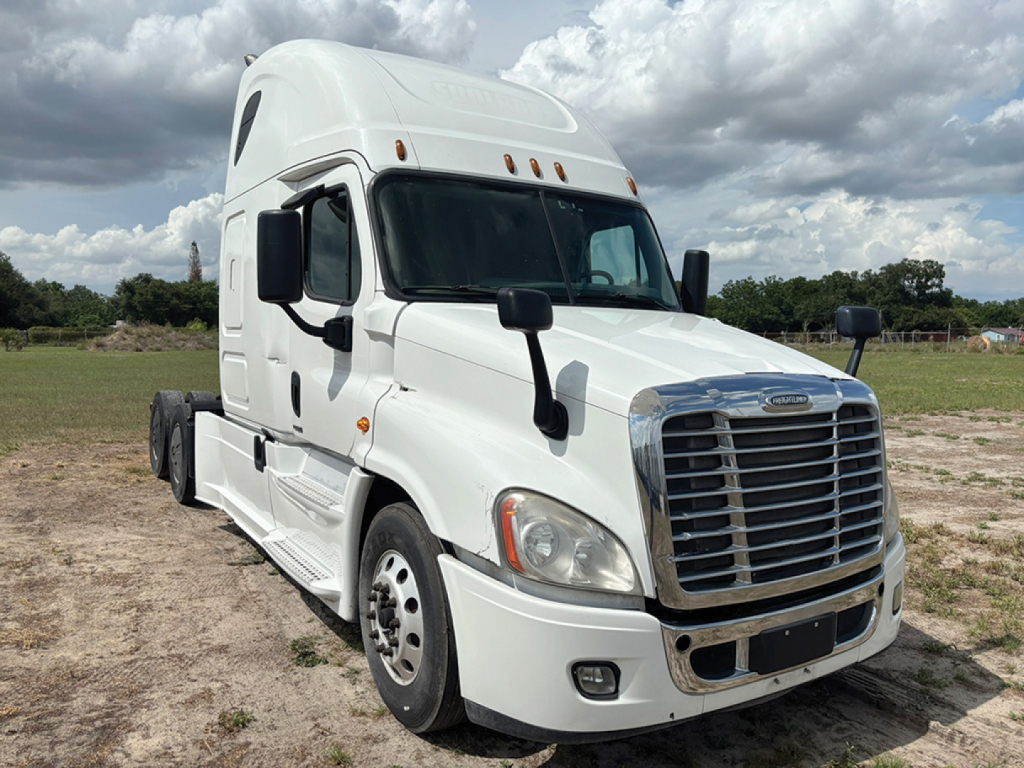
Have used 2017 conventional sleeper truck to sell? List it here to reach thousands of buyers.
About Used 2017 Conventional Sleeper Trucks in Florida
The key buying decisions on a 2017 sleeper tractor are engine, transmission, rear axle ratio, and wheelbase. Common engines in this year range include the Detroit DD15, Cummins X15, and similar 13-liter to 15-liter platforms, often rated around 400 to 455 horsepower for general van, reefer, and dry bulk work. Automated manual transmissions were already common by 2017, so many trucks in this category carry DT12, Endurant, or comparable automated setups. For Florida buyers, rear ratios around 2.64 to 2.85 are common on fuel-minded highway specs, while 40,000 lb rears, air ride suspension, and sliding fifth wheels remain standard features for versatile trailer interchange. A wheelbase in the 225-inch to 235-inch range is typical on fleet-style sleepers and balances ride quality with maneuverability.
Sleeper condition deserves as much attention as drivetrain condition. Look at bunk layout, HVAC performance, bunk heater operation, APU presence, cabinet integrity, and signs of excessive idle hours. On a 2017 model, collision mitigation, cruise control, power windows, tilt-telescoping steering, and integrated fairing packages are all realistic expectations, especially on Freightliner Cascadia, International LT, Volvo VNL, Peterbilt 579, and Kenworth T680 style tractors. If the truck will stay in Florida or the Southeast, check cooling system health, A/C output, and tire condition closely, since heat, humidity, and long interstate miles can expose deferred maintenance quickly.
A strong used 2017 conventional sleeper should match its intended freight and lane before anything else. For dry van and reefer work, prioritize aero package completeness, fuel tank capacity, and service history on emissions components. For heavier or mixed-duty applications, confirm axle ratings, engine brake performance, and gearing before assuming it will pull the same as a fleet highway spec. Buyers comparing multiple listings should focus on maintenance records, mileage versus idle time, fault history, and wear items such as clutch actuators, DPF service, tires, brakes, and suspension components. In this category, the right truck is usually the one with the cleanest operational history and the spec that fits the route, not just the lowest price tag.
Frequently Asked Questions
What should I look for first on a used 2017 conventional sleeper truck?
Start with the powertrain spec and maintenance history. Engine model, horsepower, transmission type, rear axle ratio, and axle ratings determine how the truck will perform on your freight and lane. After that, review emissions service records, idle hours, sleeper condition, tire and brake wear, and any fault code history. A 2017 truck can still be a solid road unit, but deferred maintenance on DPF, EGR, cooling, or automated transmission components can quickly outweigh a lower purchase price.
Are 2017 conventional sleeper trucks a good fit for long-haul work?
Yes, many 2017 conventional sleepers were built specifically for long-haul and regional over-the-road service. This model year commonly includes aerodynamic bodywork, raised-roof sleepers, upper bunks, air ride suspension, and fuel-efficient driveline specs. They can be a strong fit for dry van, reefer, and dedicated contract freight if the sleeper amenities, fuel capacity, and maintenance history support the route. Long-haul buyers should pay close attention to bunk HVAC, APU setup, and the condition of fairings and cab extenders.
Is an automatic or automated transmission common on 2017 sleeper tractors?
Yes, automated manual transmissions are very common in 2017 conventional sleeper trucks. Many fleets spec'd DT12 and similar automated units to improve fuel economy, reduce driver fatigue, and standardize operation across multiple drivers. Buyers should still verify how the transmission has been maintained, whether clutch or actuator work has been performed, and whether software updates or calibration history are available. A well-maintained automated transmission can be a major advantage in highway service.
What axle ratio is best on a used 2017 conventional sleeper in Florida?
For flat Florida terrain and Southeast interstate work, fuel-economy oriented ratios such as 2.64 to 2.85 are common and often make sense for dry van and reefer freight. These ratios help keep engine RPM down at highway speeds when paired with an overdrive automated transmission. If the truck will regularly haul heavier loads, run outside the Southeast, or operate in more varied terrain, a buyer may prefer a different ratio for better startability and pulling performance. The best choice depends on weight, trailer type, and average road speed.
How important is sleeper size on a 2017 conventional truck?
Sleeper size matters more than many buyers expect because it affects driver retention, overnight comfort, storage, and resale appeal. In this category, 60-inch to 72-inch raised-roof sleepers are common, and a 72-inch bunk is often preferred for team operations, extended trips, or drivers spending multiple nights in the truck. Beyond size, inspect the bunk heater, mattress platform, storage compartments, seals, and interior wear. A clean, functional sleeper usually reflects better overall truck care and can reduce reconditioning costs.