
Used 2017 Conventional Sleeper Trucks For Sale in Nevada
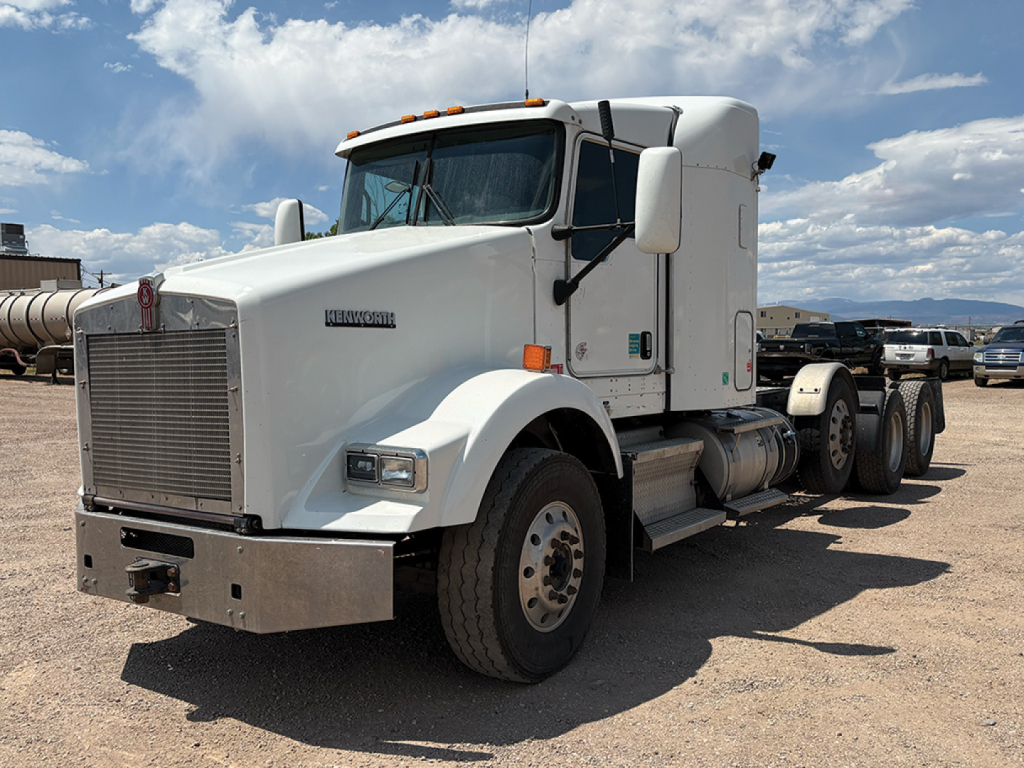
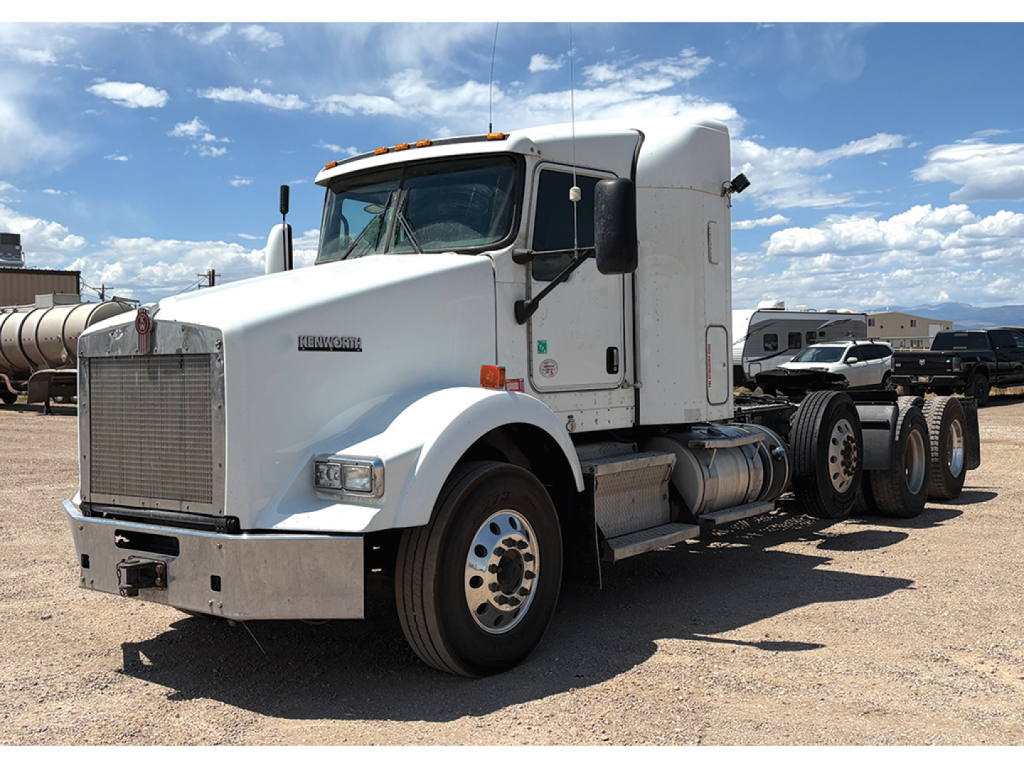
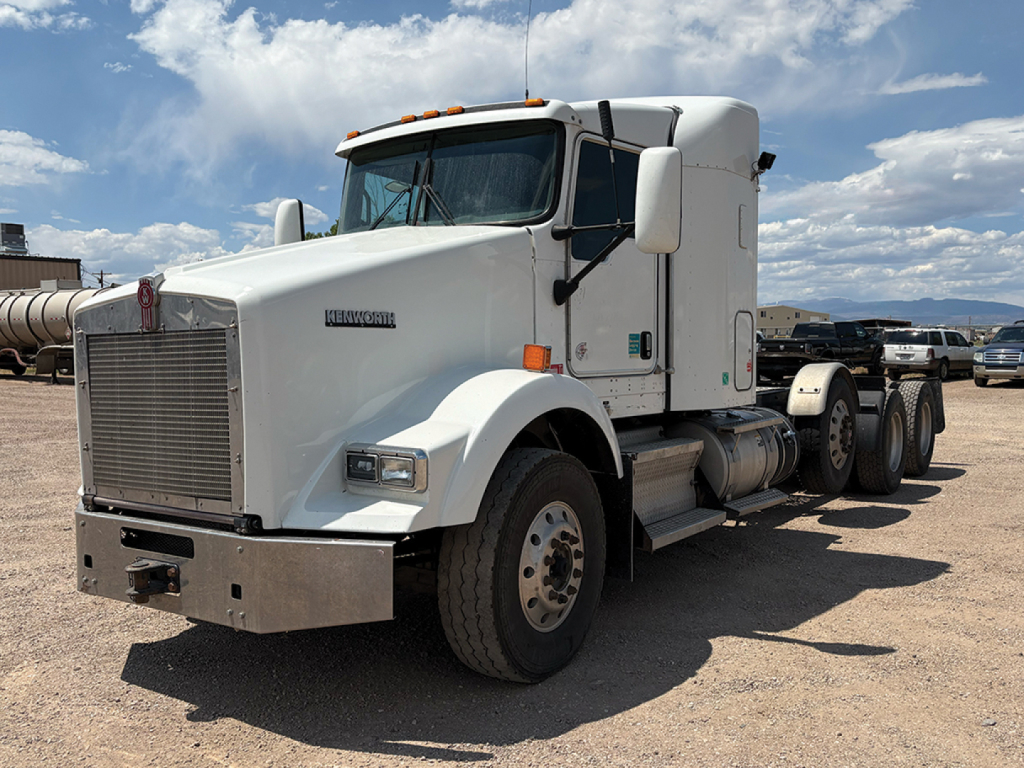

Have used 2017 conventional sleeper truck to sell? List it here to reach thousands of buyers.
Used 2017 Conventional Sleeper Trucks in Nevada
The main buying decisions usually come down to sleeper size, drivetrain spec, and intended lane. A 60-inch to 86-inch sleeper can change driver comfort, storage, and resale appeal, especially for team operations or extended over-the-road use. Wheelbase, fifth wheel travel, and fuel capacity matter if the truck will pull a dry van, reefer, flatbed, or tanker. Many 2017 conventional sleepers were spec'd with 12-speed or 13-speed automated manuals, 40,000 lb rears, air ride suspension, and aerodynamic fairings to support lower fuel burn on highway miles. If the truck will stay in the West, including Nevada routes with long grades and hot-weather operation, engine brake performance, cooling system condition, APU or idle reduction setup, and bunk HVAC are worth close attention.
A used 2017 sleeper tractor should be evaluated beyond mileage alone. Buyers should look at engine hours, idle hours, emissions system service history, transmission calibration records, tire wear patterns, brake type, and signs of suspension or alignment issues. DPF, SCR, and EGR maintenance can have a major effect on downtime and operating cost in this year range. It is also smart to verify rear axle ratio, tire size, and top-gear strategy because two similar-looking trucks can perform very differently at 65 to 75 mph. Interior condition matters more than many buyers expect, since bunk layout, seat wear, refrigerator, inverter, and storage design affect driver retention and uptime.
For Nevada buyers, a 2017 conventional sleeper often fits carriers running Las Vegas, Reno, California, Utah, Arizona, and longer western lanes where fuel range and highway gearing matter. Disc brakes, collision mitigation, lane departure systems, and automated transmissions became more common by this period and can improve ease of operation and fleet standardization. The strongest value usually comes from matching the truck's original spec to the freight it will actually pull instead of buying on make alone. A properly maintained 2017 conventional sleeper can still be a productive highway tractor for over-the-road freight, regional haul, team service, or private fleet use.
Frequently Asked Questions about Used 2017 Conventional Sleeper Trucks in Nevada
What should I look for first on a used 2017 conventional sleeper truck?
Start with the powertrain and maintenance history. Confirm the engine model, horsepower, transmission type, rear axle ratio, and whether the truck was built for fuel economy or heavier freight. Then review engine hours, idle hours, emissions repairs, and service records for the DPF, SCR, EGR, clutch or transmission actuator systems, and cooling components. After that, inspect tires, brakes, suspension, fifth wheel wear, and sleeper condition because those items directly affect near-term operating cost.
Is a 2017 conventional sleeper truck good for long-haul freight?
Yes, many 2017 conventional sleeper tractors were designed specifically for over-the-road service. They commonly offer aerodynamic bodywork, larger sleepers, dual fuel tanks, air ride suspension, and automated manual transmissions that support highway efficiency and driver comfort. The best long-haul setup usually includes a raised-roof sleeper, strong engine brake, appropriate rear axle ratio, and enough fuel capacity for the lane length and freight type.
What engine and transmission combinations are common in 2017 sleeper tractors?
Common 2017 combinations include Detroit DD15 with DT12, Cummins ISX or X15 with Eaton automated manuals or 10-speed and 13-speed manuals, Volvo D13 with I-Shift, and Paccar MX engines with automated or manual transmissions. Horsepower often falls between 400 and 500 hp, with tandem rears around 40,000 lbs. The right combination depends on terrain, gross weight, cruise speed, and how much importance you place on fuel economy versus pulling performance.
How important is sleeper size on a conventional sleeper truck?
Sleeper size has a direct effect on driver comfort, storage, and the truck's suitability for solo or team use. Smaller sleepers can work well for regional lanes and occasional overnight runs, while 72-inch to 86-inch raised-roof sleepers are more common in over-the-road service. A larger sleeper may also include an upper bunk, refrigerator space, cabinets, workstation layout, or idle comfort features that support retention and reduce hotel dependence.
Are 2017 sleeper trucks in Nevada affected by regional operating conditions?
Yes. Nevada and surrounding western states put extra emphasis on cooling system health, air conditioning performance, bunk heater operation for seasonal swings, and engine brake effectiveness on long grades. Buyers should also pay attention to gearing, tire spec, and fuel capacity because western routes often involve sustained highway speeds, elevation changes, and long distances between stops. A truck spec'd correctly for this region can be more efficient and easier on components over time.