
Used 2017 Kenworth Conventional Sleeper Trucks For Sale in Nevada
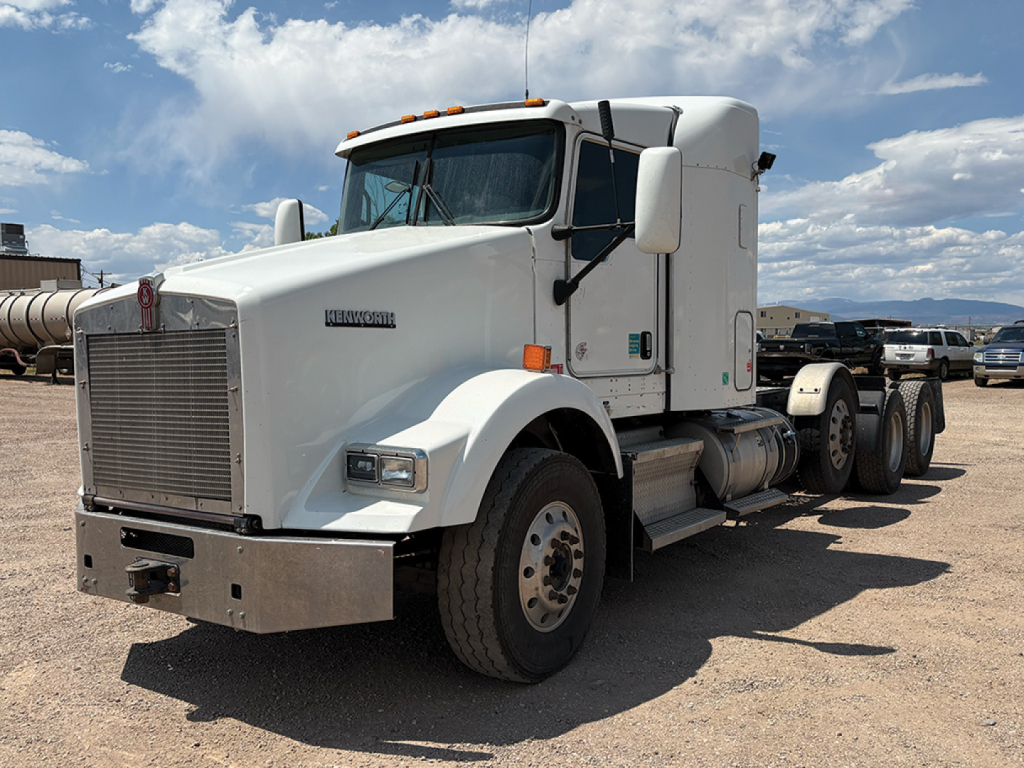
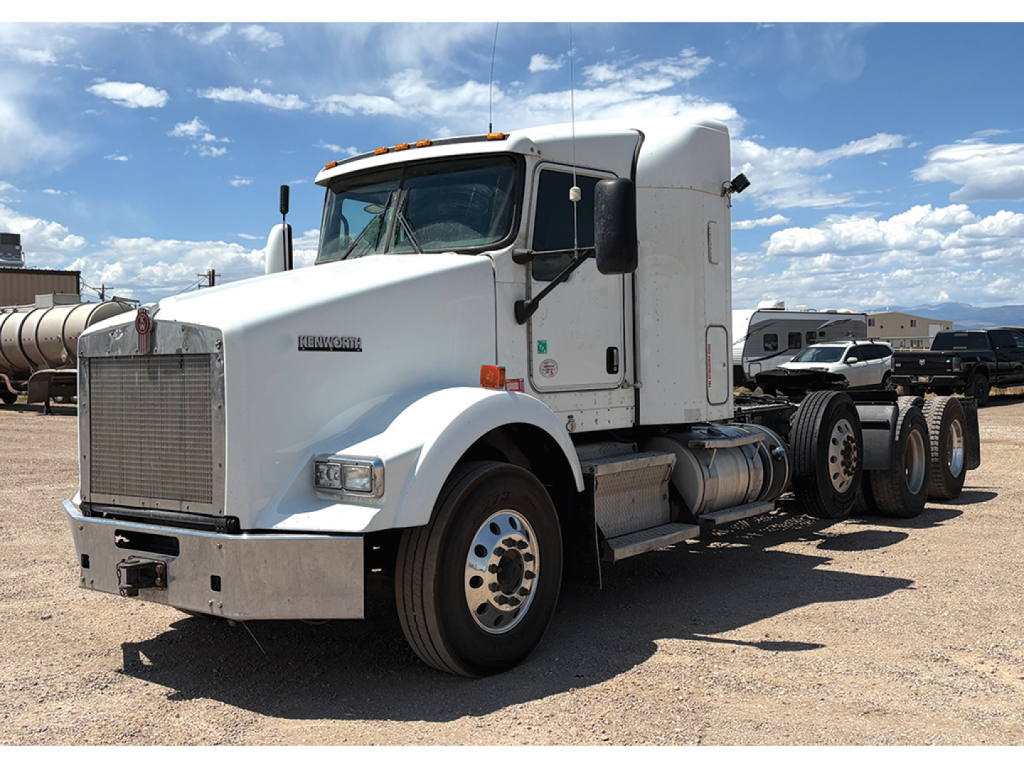
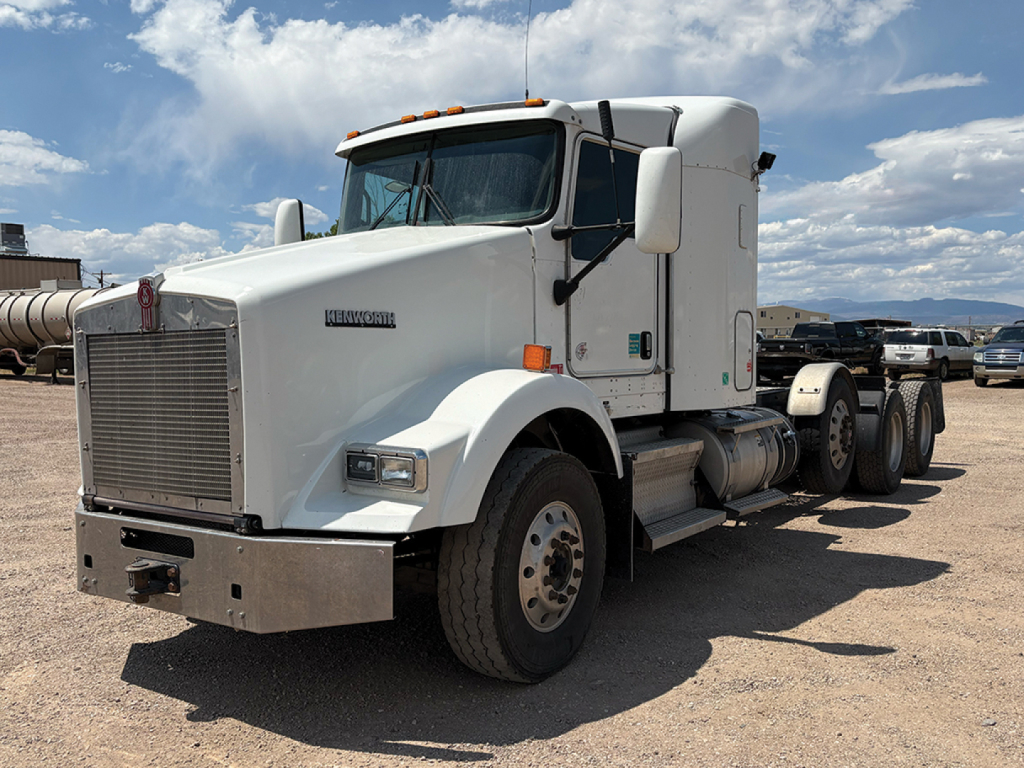

Have used 2017 kenworth conventional sleeper truck to sell? List it here to reach thousands of buyers.
Used 2017 Kenworth Conventional Sleeper Trucks in Nevada
Powertrain choice is one of the biggest decision points on a 2017 Kenworth sleeper. Common engines include the Cummins ISX15, Cummins X15, and PACCAR MX-13, generally in the 450 to 475 horsepower range. Transmissions in this category are usually Eaton Fuller automated 10-speed or 12-speed units, or manual 13-speed and 18-speed boxes in heavier T800 applications. For linehaul work across Nevada and the Southwest, buyers often favor fuel capacity, rear axle ratios around 2.79 to 3.08, and an aerodynamic package. For heavier pulling, mountain grades, or vocational combinations, a 3.55 or 3.73 ratio, higher rear axle capacity, and engine brake performance may matter more than outright fuel economy.
Sleeper configuration affects both comfort and payload strategy. In 2017 Kenworth conventionals, a buyer may find flat-top 38-inch or 48-inch sleepers on work-oriented T800s, while T680s more often carry 76-inch high-roof or mid-roof sleepers with double bunk layouts. Interior trim can range from basic fleet spec to VIT-style premium trim with upgraded seating, navigation, smart wheel controls, and more storage. Wheelbase, fifth wheel travel, and tank size also deserve close attention. Dual aluminum fuel tanks, sliding fifth wheels, and wheelbases from the low 220s into the 260-inch range are all common, and each affects bridge law flexibility, trailer gap, and maneuverability.
On a used 2017 Kenworth conventional sleeper, condition should be evaluated by application history as much as mileage. Buyers should look closely at DPF and aftertreatment service records, clutch and shift performance on manual units, automated transmission calibration on auto-shift trucks, suspension wear, steer axle tire pattern, and any signs of frame or fifth wheel stress on trucks that pulled heavy or used a wet kit. In Nevada, cooling system performance, A/C operation, and cab sealing are especially important due to heat and long interstate runs. Kenworth sleeper trucks from this model year remain popular because they balance driver comfort, serviceability, and strong resale demand, but the right truck is the one whose axle ratings, sleeper size, gearing, and drivetrain match the freight it will actually haul.
Frequently Asked Questions about Used 2017 Kenworth Conventional Sleeper Trucks in Nevada
What is the difference between a 2017 Kenworth T680 sleeper and a 2017 Kenworth T800 sleeper?
A 2017 Kenworth T680 sleeper is generally spec'd for over-the-road freight with an aerodynamic hood, fairings, fuel-efficient gearing, and larger high-roof sleeper options. A 2017 Kenworth T800 sleeper is usually built for heavier-duty service, including regional haul, vocational combinations, and specialized trailers. T800s commonly have heavier rear axles, manual transmissions, higher numerical axle ratios, wetline kits, and shorter flat-top sleepers, although exact specs vary by original application.
What engines are common in used 2017 Kenworth conventional sleeper trucks?
The most common engines in this category are the Cummins ISX15, Cummins X15, and PACCAR MX-13. Horsepower ratings often fall between 450 and 475 HP, with engine brakes being a common feature. Buyers should review maintenance records for EGR, DPF, DEF, and cooling system work, because engine condition and emissions system history are just as important as mileage on a 2017 model.
Is an automatic or manual transmission better in a 2017 Kenworth sleeper?
It depends on the job. Automated manual transmissions are common in T680 highway tractors because they support fuel economy, reduce driver fatigue, and simplify fleet training. Manual 13-speed and 18-speed transmissions are more common in T800 sleeper trucks used in heavy haul or vocational work where gear control and durability under load are priorities. The better choice is the one that matches the terrain, trailer type, driver preference, and weight profile of the operation.
What should I inspect first on a used 2017 Kenworth sleeper truck?
Start with the ECM data, service records, and the truck's actual vocation. Then inspect the aftertreatment system, engine brake operation, transmission performance, driveline play, suspension bushings, tire wear, brake condition, and signs of frame stress around the fifth wheel or auxiliary equipment. On sleeper models, also check bunk HVAC performance, interior wear, roof seals, and electrical accessories, since driver comfort systems can be expensive to sort out after purchase.
Are 2017 Kenworth conventional sleeper trucks a good fit for Nevada and Southwest routes?
Yes, if the truck is spec'd correctly for heat, grades, and long distances between fuel stops. Trucks running Nevada and surrounding states benefit from strong cooling systems, reliable air conditioning, adequate fuel capacity, and gearing that matches mountain and desert interstate service. A T680 is often a strong fit for dry van or reefer linehaul, while a T800 sleeper may be better suited for heavier trailers, specialized loads, or routes that demand more robust chassis capability.