
Used Western Star Conventional Sleeper Trucks For Sale
Shop used Western Star conventional sleeper trucks with Detroit or Cat power, high-roof sleepers, tandem axles, and long-haul specs.
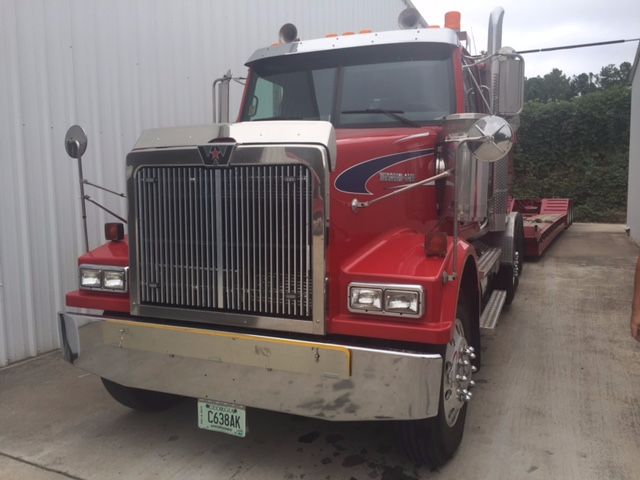
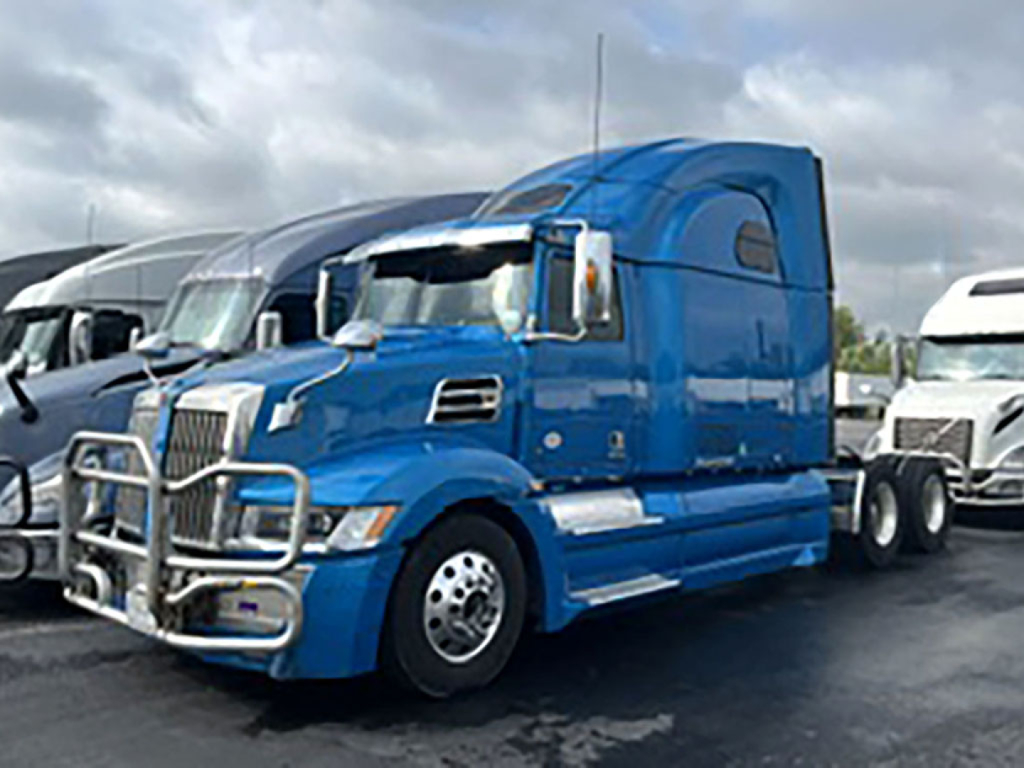
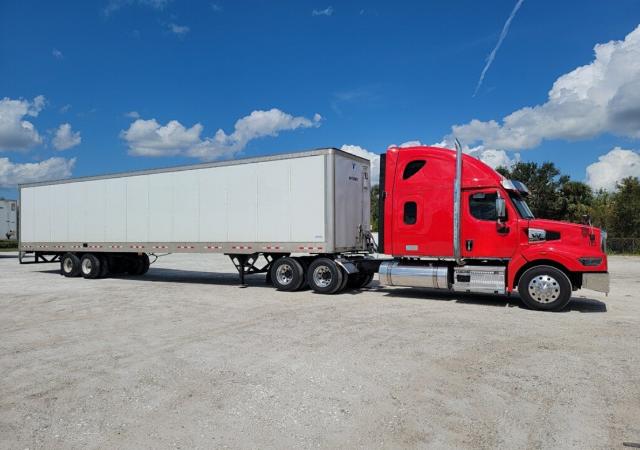
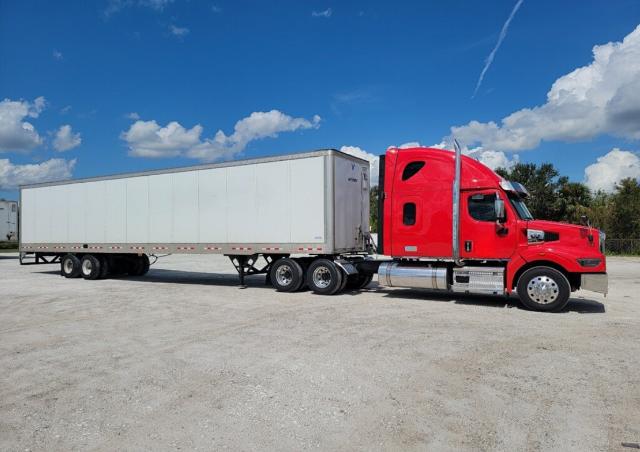
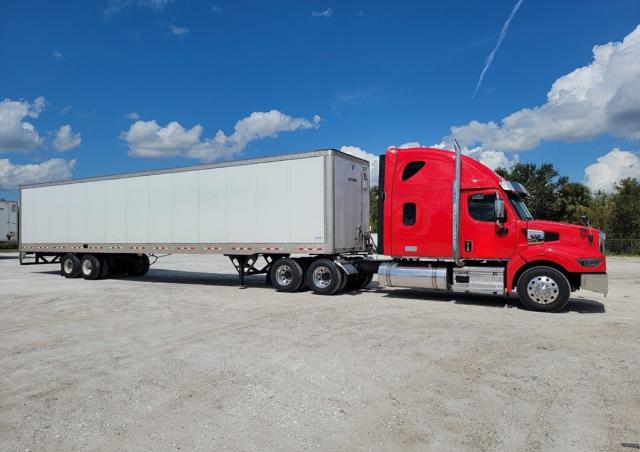

Selling a used western star conventional sleeper truck? List your used western star conventional sleeper truck for sale to reach thousands of commercial buyers.
Used Western Star Conventional Sleeper Trucks
Powertrain is usually the first buying decision. Late-model used Western Star sleeper trucks often carry Detroit DD15 engines in the 500 to 505 horsepower range, paired with DT12 automated transmissions, 40,000 lb rears, and highway-friendly axle ratios like 2.85 or 3.08. Older units may have Caterpillar C15 power with 13-speed Fuller manuals and deeper ratios such as 3.55, which can be attractive for heavier pulls or buyers who prefer a manual drivetrain. Check rear axle rating, suspension brand, wheelbase, and fifth wheel setup closely. Air ride suspension, air slide fifth wheels, and 6x4 tandem configurations are common, but the exact spec determines whether the truck is best suited for general long-haul van freight, flatbed work, heavier specialized hauling, or regional applications.
Sleeper configuration is another key value point in this category. Listings commonly include 72-inch, 76-inch, and 82-inch sleepers, with mid-roof and raised-roof layouts, plus single or double bunk setups. Higher-roof sleepers with fairings and cab extenders are better aligned with over-the-road fuel economy and driver comfort, especially for team operations or longer stays on the road. Features like bunk heaters, Webasto systems, upper bunks, tilt and telescoping steering, cruise control, aluminum wheels, and disc brakes are worth noting because they affect both driver retention and operating cost. On used units, also pay attention to hours, ECM mileage, tire size, brake condition, and whether the truck has corrosion-resistant details like aluminum fuel tanks, quarter fenders, and polished exterior trim.
A used Western Star conventional sleeper is often bought by owners who want a truck that presents well, holds up in demanding service, and still offers a practical sleeper for real over-the-road use. Buyers comparing listings should weigh aero efficiency against durability-focused spec, and compare sleeper size, transmission type, axle ratio, and wheelbase to the lanes they actually run. For fuel-sensitive interstate work, a 57X or 5700XE with a DD15 and DT12 may be the better fit. For heavier freight, tougher roads, or a more traditional platform, a 4900 or 4964EX can make more sense if the maintenance history and chassis condition are right.
Frequently Asked Questions about Used Western Star Conventional Sleeper Trucks
What is the difference between a Western Star 57X or 5700XE and a Western Star 4900 or 4964EX sleeper truck?
The 57X and 5700XE are more aerodynamic highway tractors built for over-the-road efficiency, driver comfort, and lower fuel burn at interstate speeds. The 4900 and older 4964EX are more traditional conventional trucks with a heavier-duty feel, longer-hood styling, and specs that often lean toward tougher service or specialized hauling. Buyers should compare hood design, wheelbase, axle ratio, sleeper size, and weight before deciding which platform fits their lanes.
What engine and transmission setups are common in used Western Star conventional sleeper trucks?
Late-model trucks in this category are commonly spec'd with Detroit DD15 engines around 500 horsepower and DT12 automated manual transmissions. Older trucks may have Caterpillar C15 engines with 13-speed Fuller manual transmissions. The newer Detroit and DT12 combination usually favors fuel economy and fleet-style highway operation, while older Cat and manual setups can appeal to buyers who want a traditional drivetrain for heavier work or owner-operator preference.
What sleeper size should I look for in a used Western Star conventional sleeper?
Sleeper choice depends on length of haul and whether the truck will be used by one driver or a team. A 72-inch or 76-inch sleeper is often adequate for solo over-the-road work, while an 82-inch high-roof double bunk sleeper offers more storage and living space for longer trips or team use. Mid-roof sleepers can reduce height and weight, but raised-roof sleepers generally provide better comfort and standing room.
Are used Western Star sleeper trucks good for heavy haul or flatbed work?
Many are, but the answer depends on the chassis and drivetrain spec rather than the badge alone. A truck with a stronger ratio such as 3.55, a manual transmission, heavier front axle, tandem 40,000 lb rears, and an air slide fifth wheel may be better suited for flatbed, machinery, or heavier freight. Aero sleepers with tall gearing like 2.85 or 3.08 are usually optimized for highway cruising and van or reefer work, though they can still handle a wide range of legal loads.
What should I inspect most closely on a used Western Star conventional sleeper truck?
Focus on engine hours versus odometer, service history, emissions system condition, transmission operation, suspension wear, brake life, tire condition, and signs of frame or cab corrosion. On sleeper trucks, verify that HVAC, bunk heater, upper bunk hardware, and electrical accessories work properly. Wheelbase, axle ratio, and fifth wheel position should also be checked against the trailer lengths and freight type the truck will handle, because those details have a direct effect on maneuverability, bridge law compliance, and fuel economy.