
Used Western Star Conventional Sleeper Trucks For Sale in Georgia
Shop used Western Star conventional sleeper trucks in Georgia. Compare 4900 specs, sleeper sizes, drivetrains, and vocational haul options.
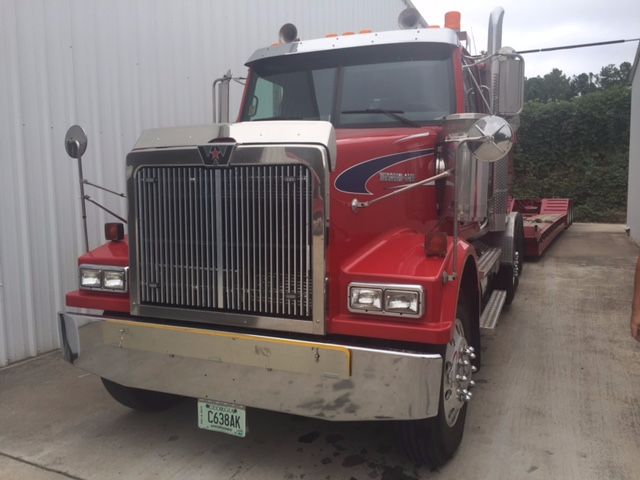
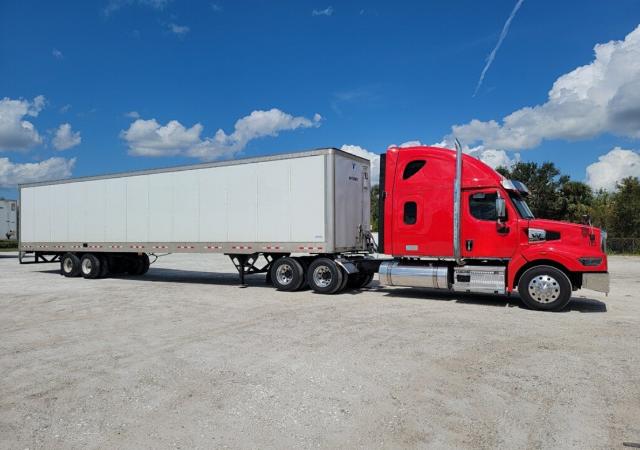
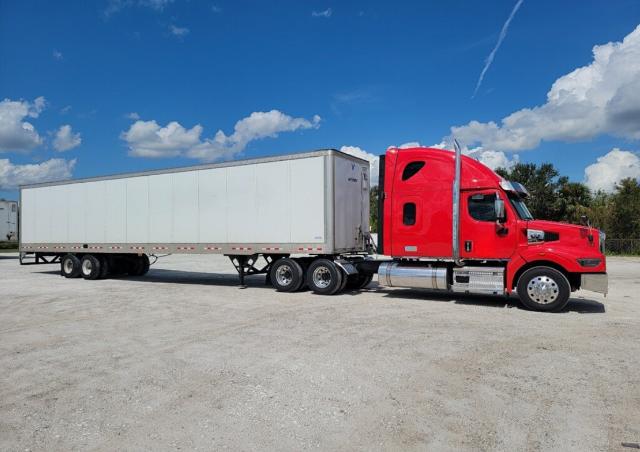
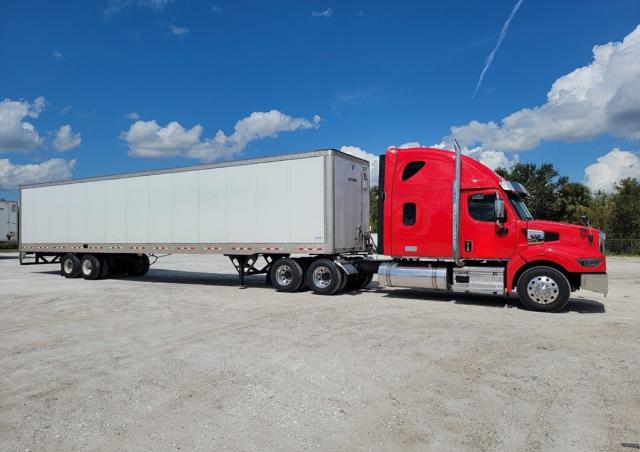
Selling a used western star conventional sleeper truck? List your used western star conventional sleeper truck for sale and reach thousands of commercial buyers.
Used Western Star Conventional Sleeper Trucks in Georgia
The spec sheet matters more than the badge in this category. Buyers typically look first at engine family, horsepower, torque rating, transmission type, rear axle ratio, wheelbase, and suspension capacity. Many used Western Star sleepers are equipped with Detroit, Cummins, or Caterpillar power depending on model year, paired with manual, automated manual, or full automatic transmissions. It is also worth checking front axle capacity, tandem rating, frame rail strength, fifth wheel setup, PTO provisions, and fuel capacity, because these trucks are often ordered for heavier or more specialized service than a standard over-the-road sleeper. A 4900 sleeper may be configured for linehaul comfort, but it is just as often spec'd for severe-duty work where cooling package, hood layout, and axle placement are major buying decisions.
Sleeper size and cab layout should match the route profile. A used Western Star conventional sleeper can range from a practical mid-roof setup for regional runs to larger sleepers intended for extended time on the road. Interior condition, bunk configuration, storage, HVAC performance, and dash layout matter on older and newer trucks alike, especially if the truck will be assigned to a driver full-time. On the used market, service history is a major value point. Pay attention to emissions system maintenance, engine hours versus odometer miles, signs of frame modification, suspension wear, and the condition of high-cost components like turbochargers, aftertreatment, clutch assemblies, and steer axle tires.
Western Star has long held appeal with buyers who want a premium heavy-duty truck that still feels purpose-built. Compared with many fleet-spec sleepers, a conventional Western Star often carries more vocational flexibility and a more robust platform for custom body or trailer combinations. For Georgia buyers, that can mean a truck suited to port work, construction support, agricultural hauling, or multi-state freight that moves between interstate lanes and jobsite access roads. If the truck will be grossing heavy or operating off pavement, review axle spacing, locking differentials, suspension type, and turning radius closely. Those details usually determine whether a used Western Star sleeper is just a good-looking truck or the right tool for the work.
Frequently Asked Questions about Used Western Star Conventional Sleeper Trucks in Georgia
What is a Western Star conventional sleeper truck typically used for?
A Western Star conventional sleeper truck is commonly used for long-haul freight, heavy haul, specialized transport, flatbed work, logging, and vocational operations that require both overnight accommodations and a heavier chassis. The conventional hood design allows for strong cooling capacity, easier engine access, and robust front axle configurations. In the used market, many buyers choose Western Star sleepers when they need a truck that can cross state lines comfortably but still handle tougher jobs than a standard highway tractor.
What should I check first on a used Western Star 4900 sleeper?
Start with the core operating spec and maintenance history. Confirm engine model, horsepower, torque, transmission, rear axle ratio, wheelbase, and axle ratings, then compare those numbers to the work the truck will actually do. After that, review service records for the engine, aftertreatment system, suspension, clutch or transmission, and cooling system. Frame condition, evidence of prior modifications, fifth wheel placement, and tire wear patterns can reveal whether the truck has been properly matched to its prior application.
Are used Western Star conventional sleepers good for heavy haul or vocational work?
Yes, many of them are. Western Star conventional sleepers, especially in the 4900 family, are often spec'd with heavier front axles, stronger frame rails, severe-duty suspensions, and drivetrain combinations suited to high GCW applications. That said, not every sleeper is built the same. Some are configured closer to over-the-road spec, while others are purpose-built for lowboy, equipment hauling, or mixed on-road and off-road service. Buyers should verify axle capacity, suspension rating, locking differentials, and wheelbase before assuming a truck is truly heavy-spec.
How important is sleeper size on a used conventional truck?
Sleeper size affects driver comfort, storage capacity, total wheelbase, and sometimes payload flexibility. A smaller sleeper may work well for regional freight or shorter dispatch cycles, while a larger sleeper is often better for teams or long-distance operations where the driver spends extended time in the truck. On a used Western Star, the right sleeper size also depends on maneuverability needs, especially if the truck will be entering jobsites, ports, or tighter customer yards in addition to highway use.
Why do buyers in Georgia look for Western Star sleeper trucks?
Georgia buyers often need trucks that can handle a wide range of work, from interstate freight and port-related hauling to construction, forestry, and agricultural applications. Western Star conventional sleepers fit that demand because they combine highway-capable sleeper accommodations with the kind of chassis strength and axle options often needed for tougher service. That flexibility makes them attractive in a market where one truck may need to cover regional freight one week and heavier or more specialized hauling the next.