
Used Conventional Sleeper Trucks For Sale in Missouri
Browse used conventional sleeper trucks in Missouri with specs, cab options, drivetrain details, and long-haul features buyers compare most.
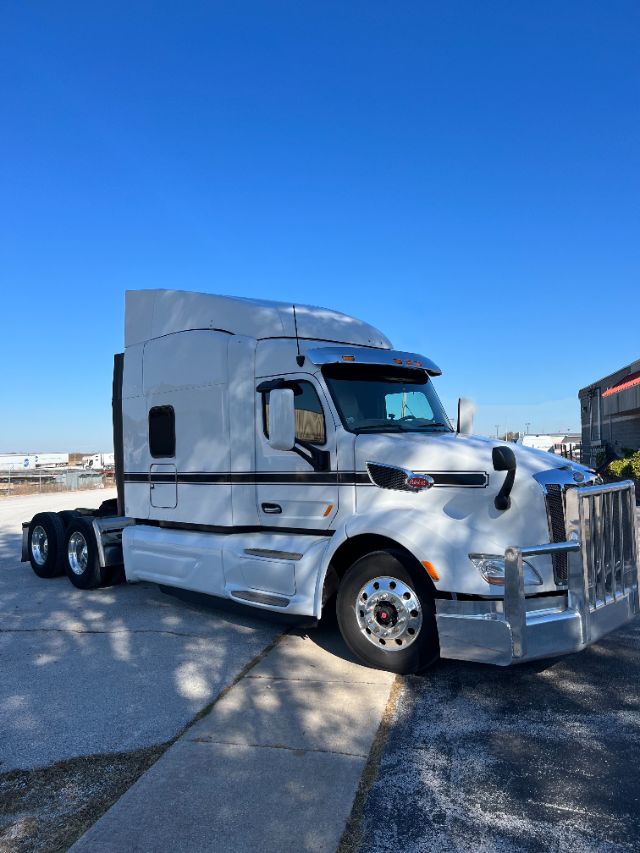




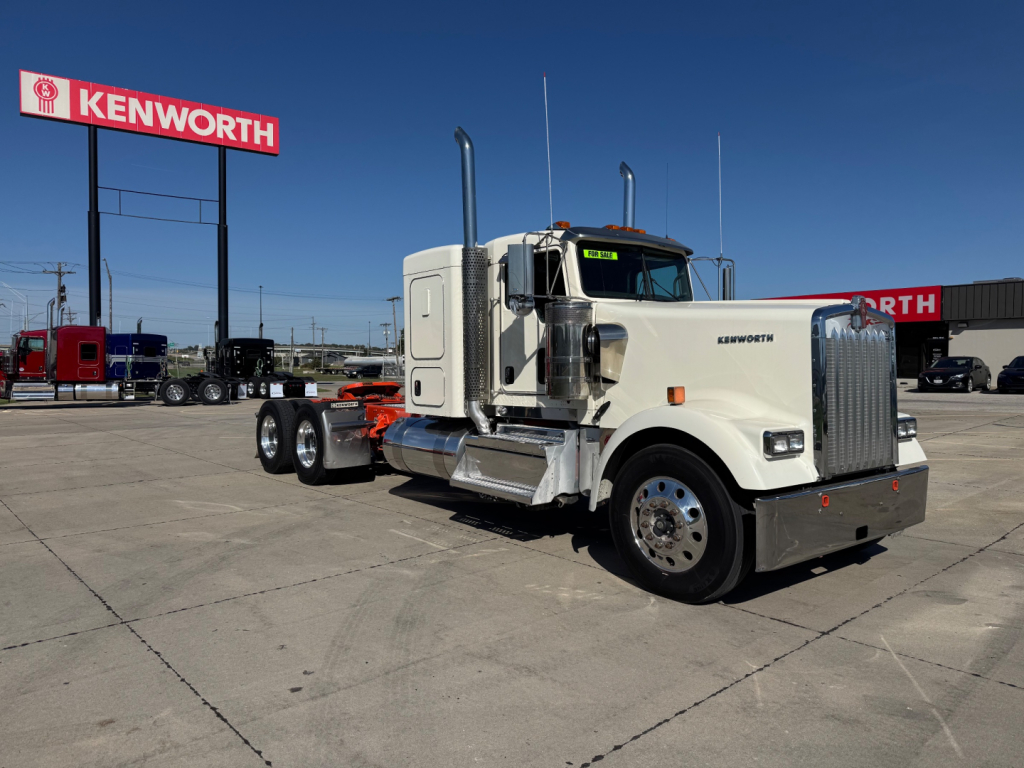
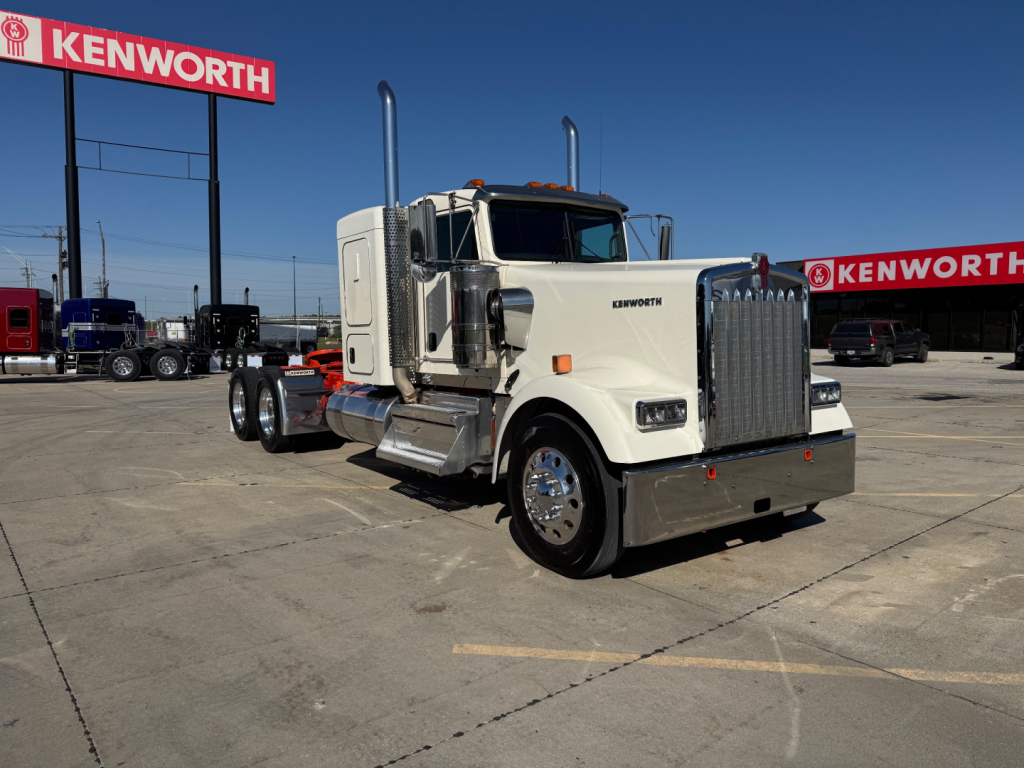
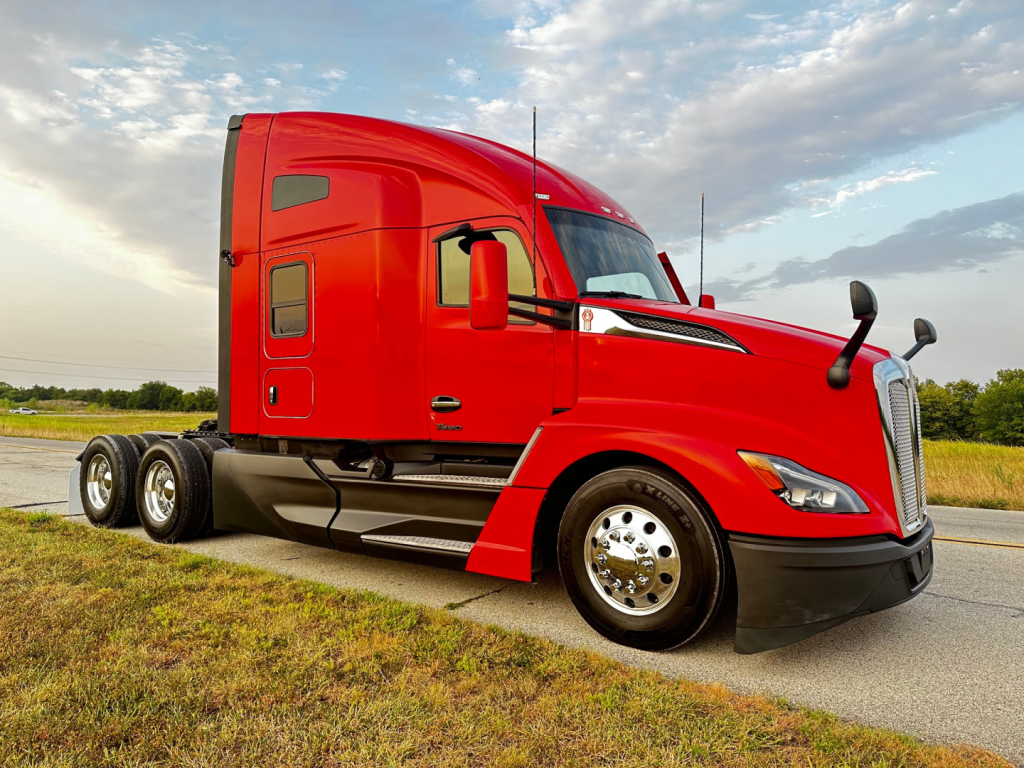
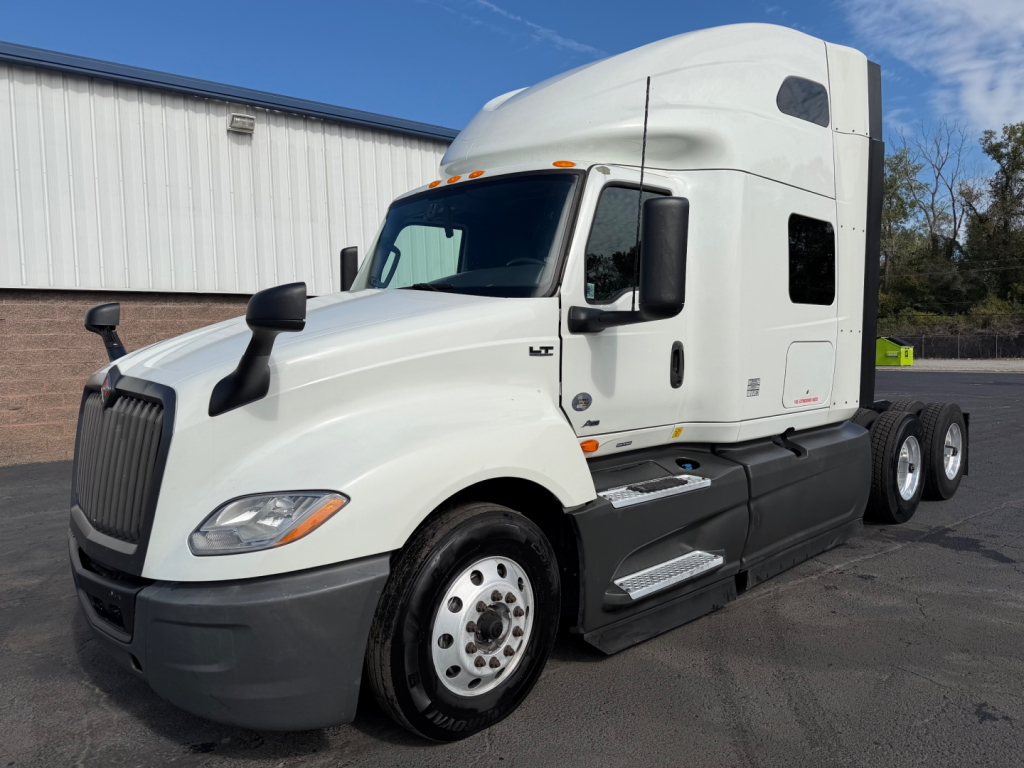
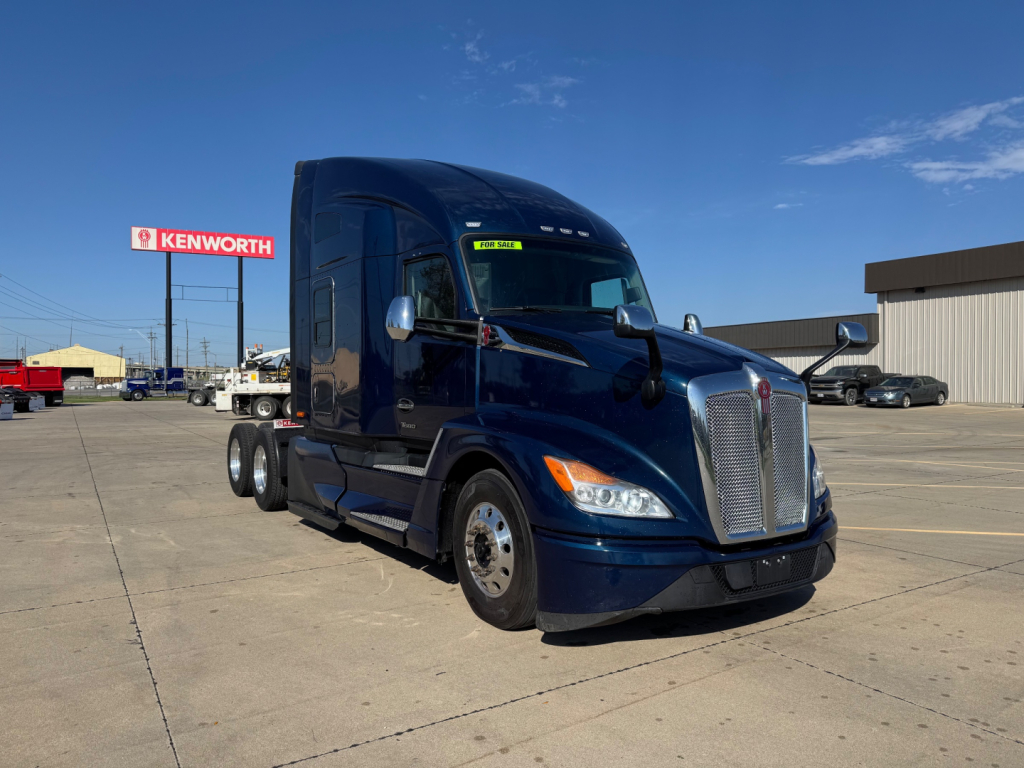
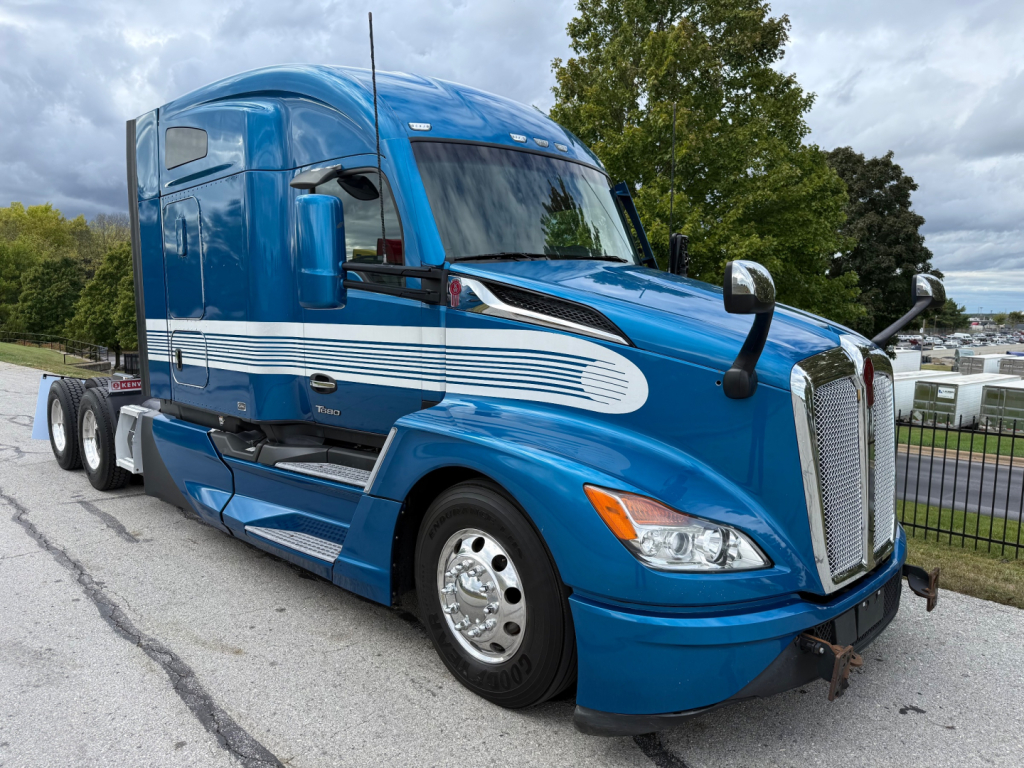
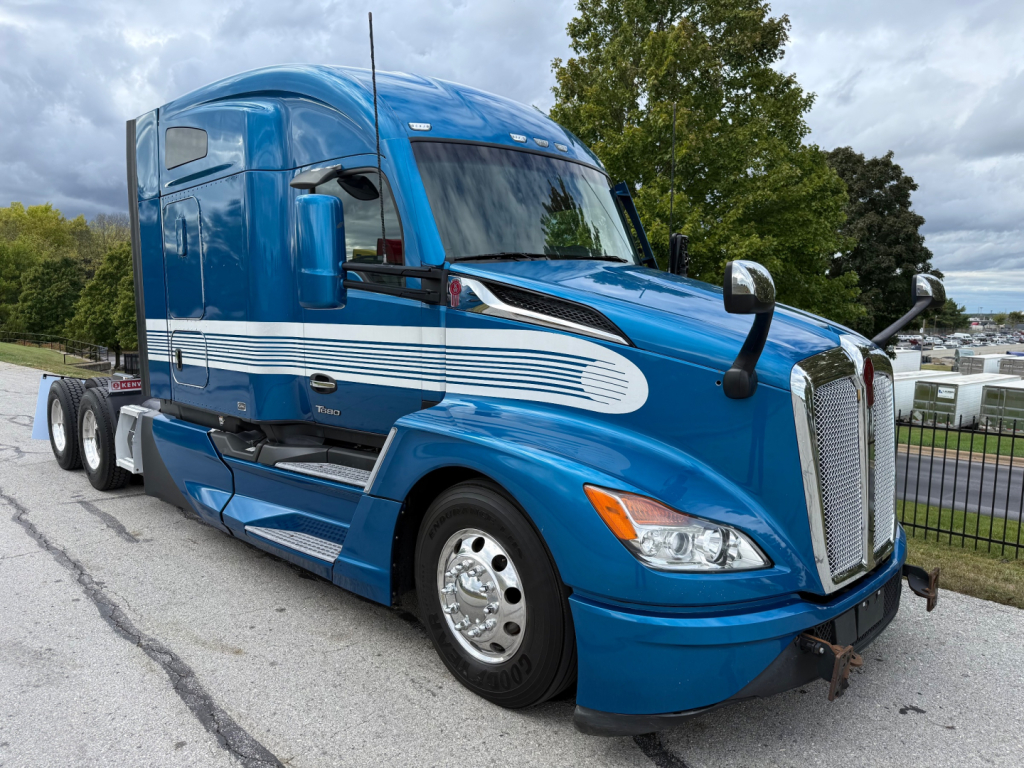
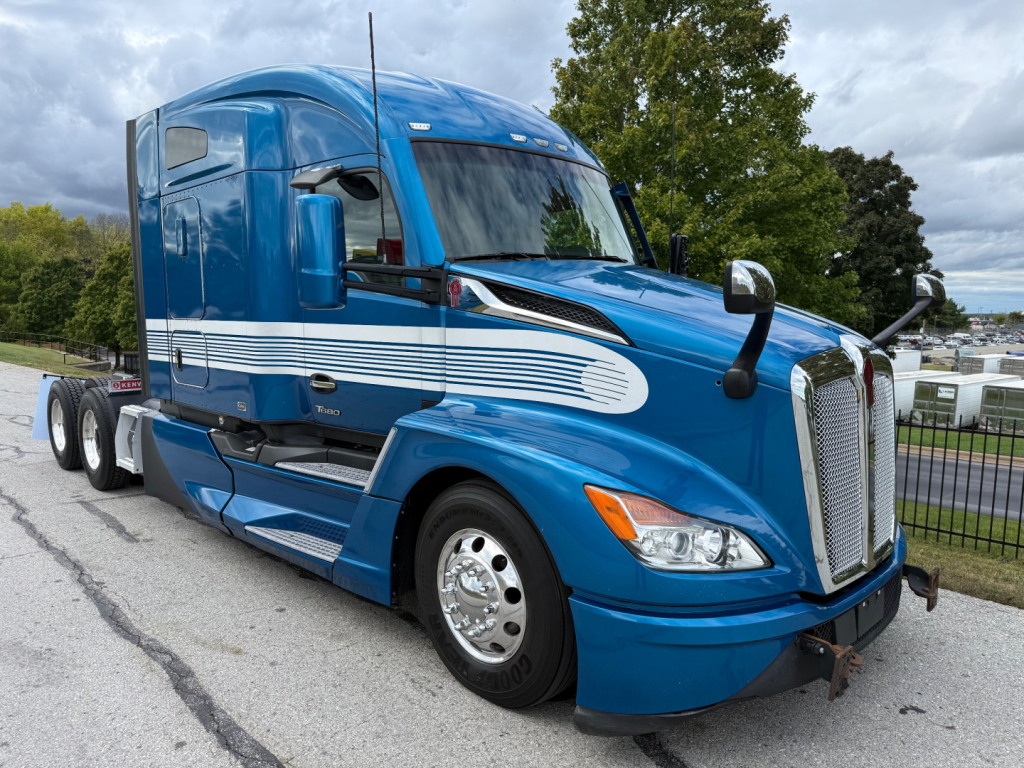
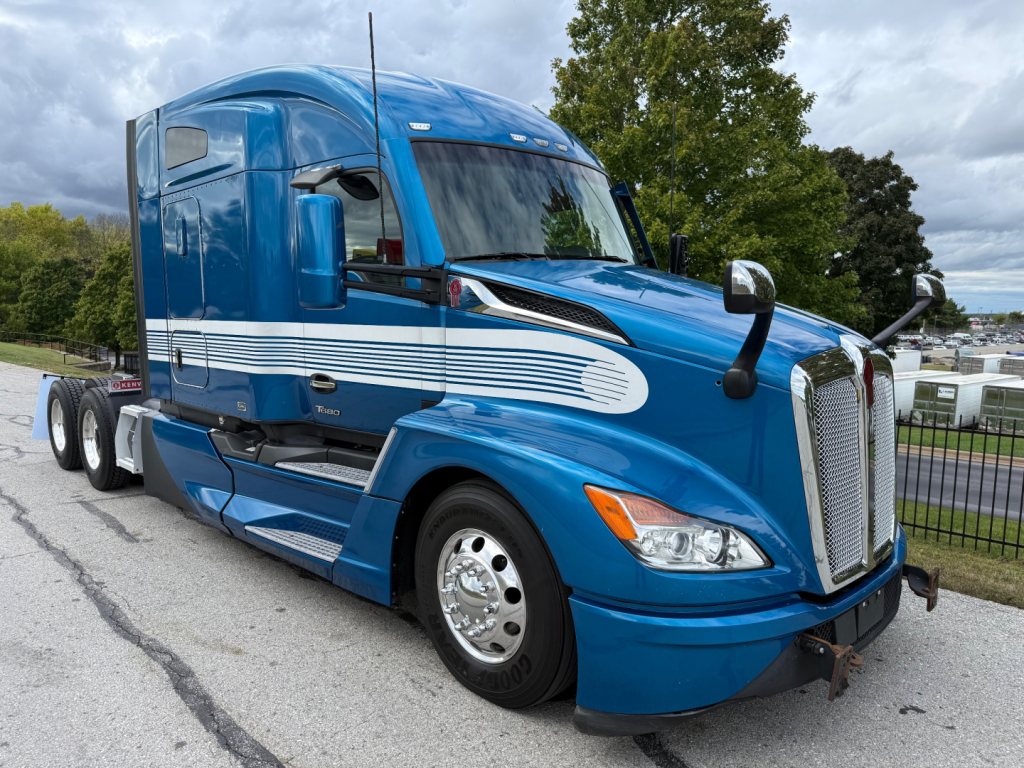
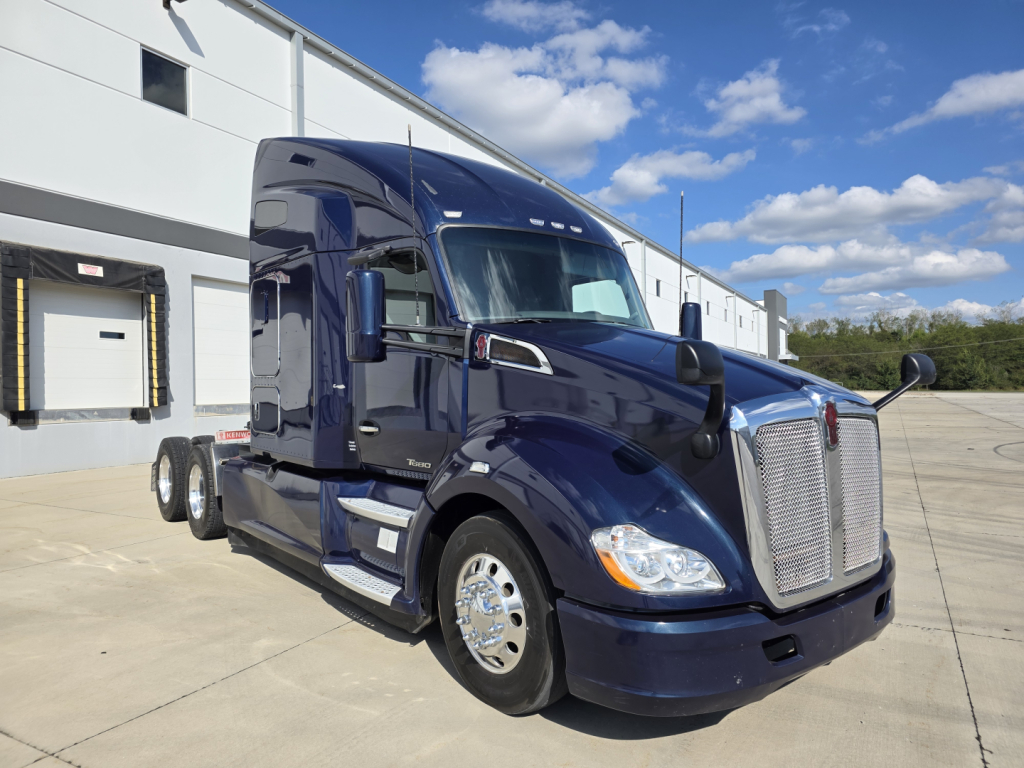
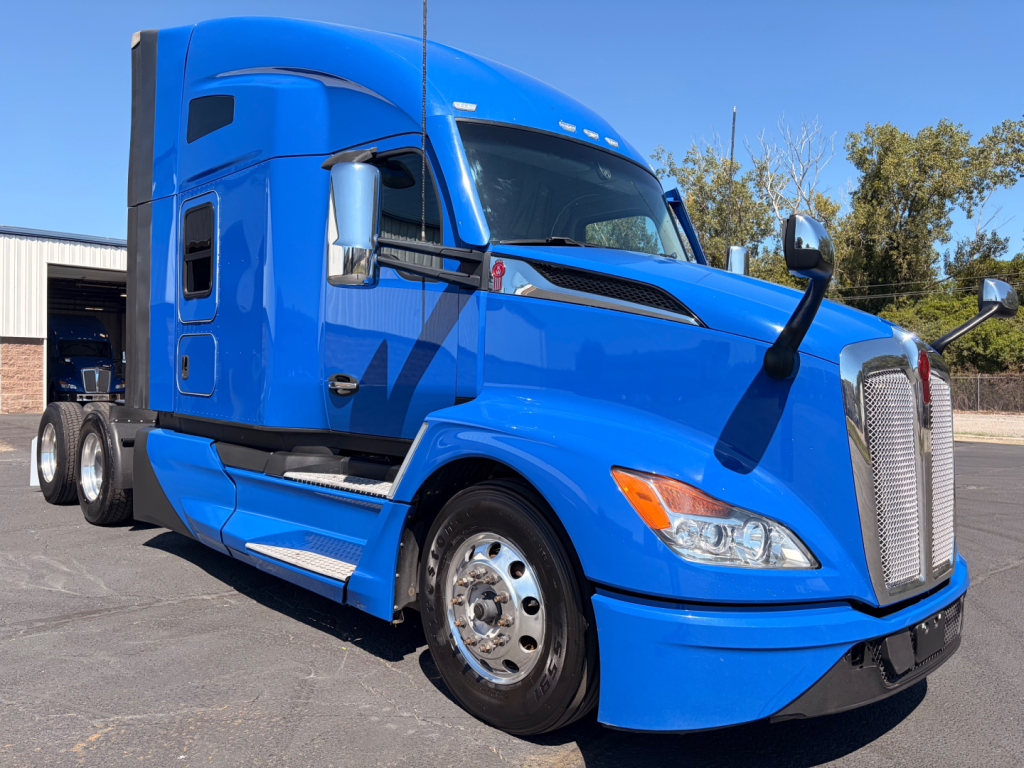
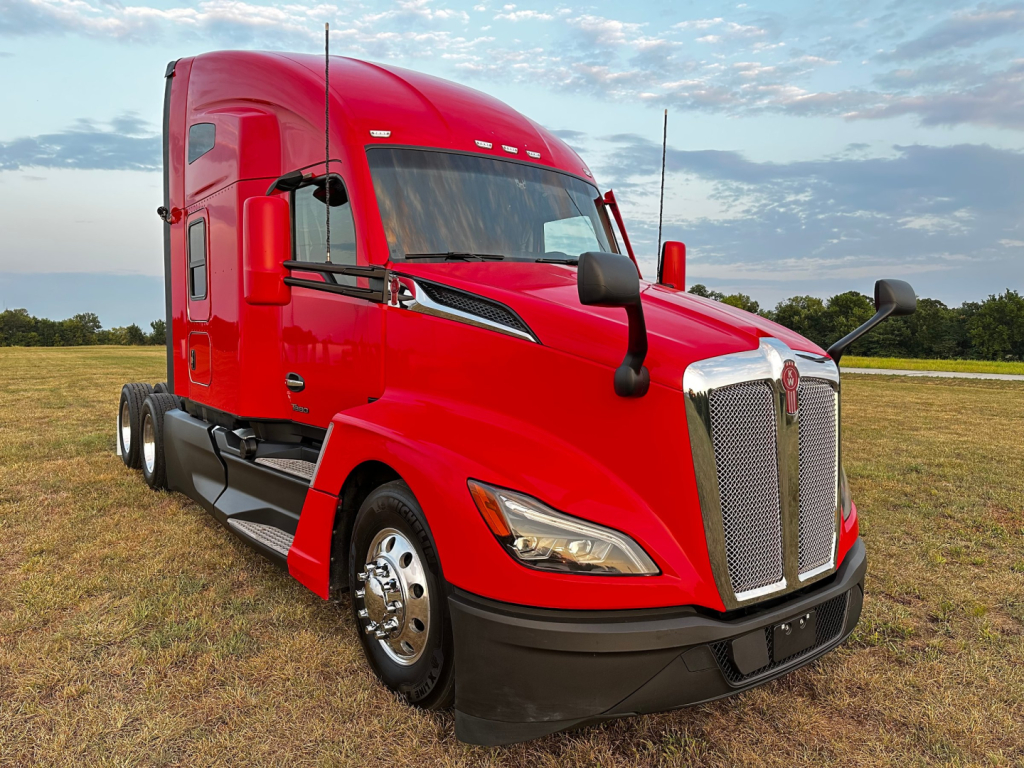
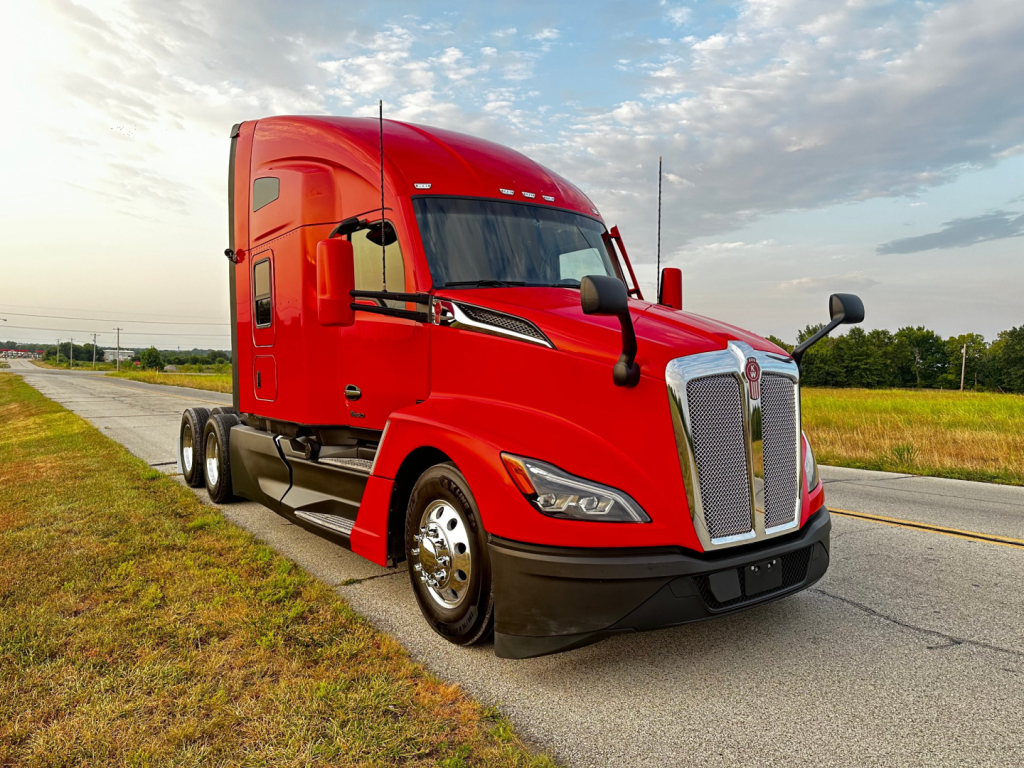
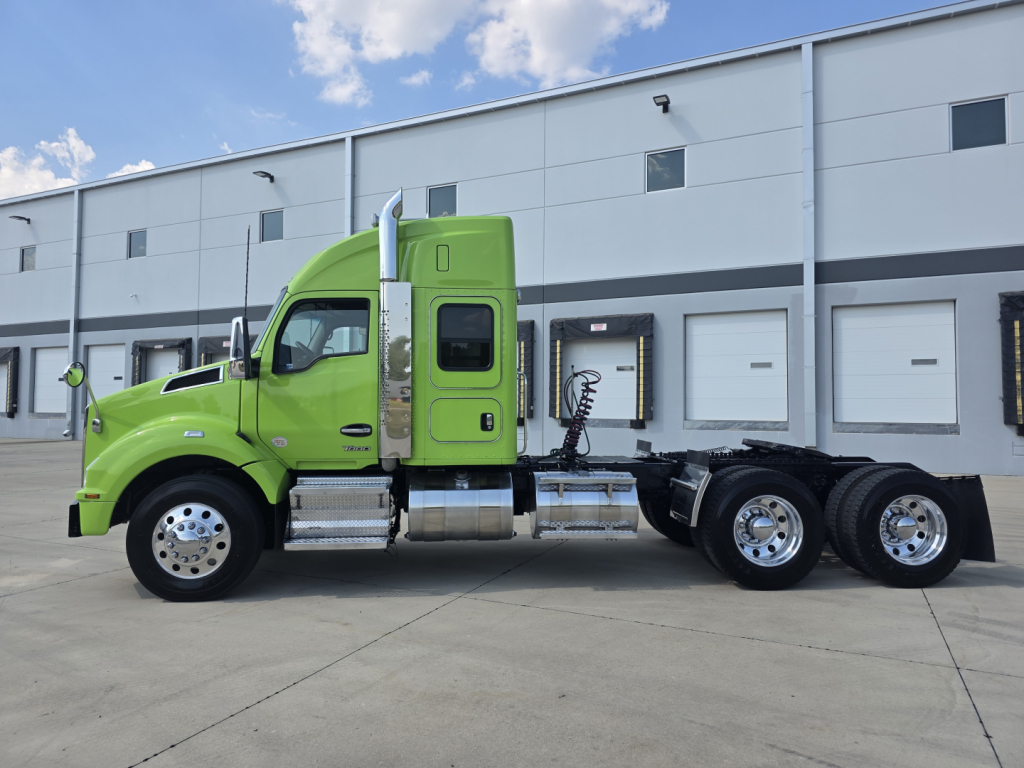
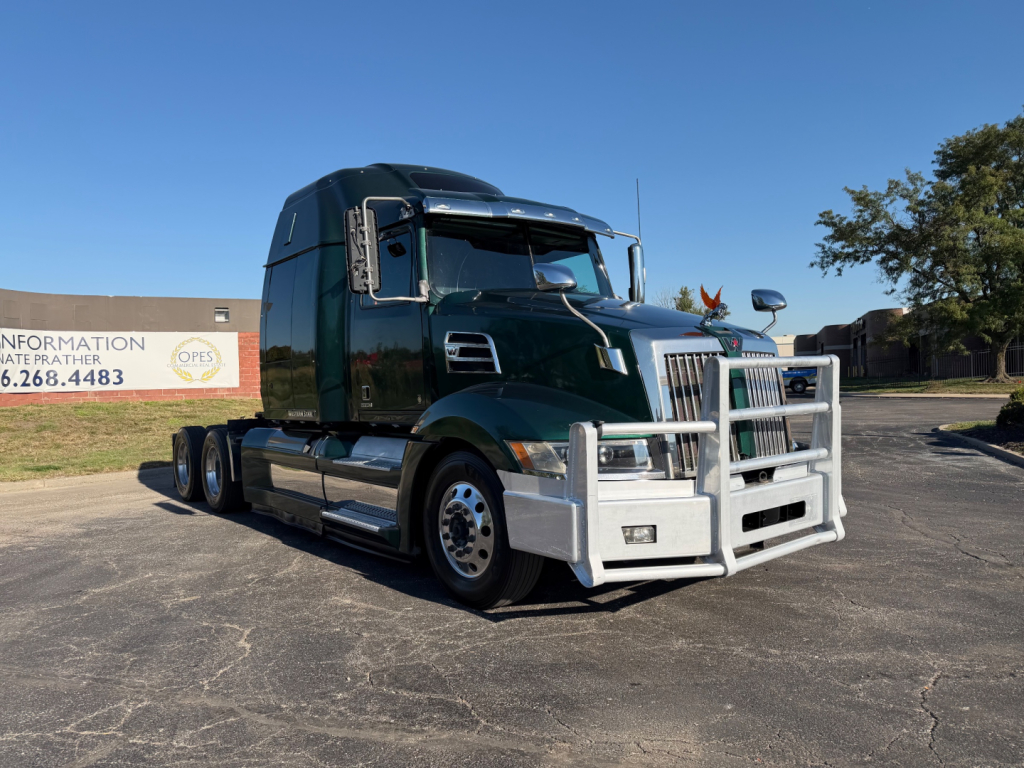
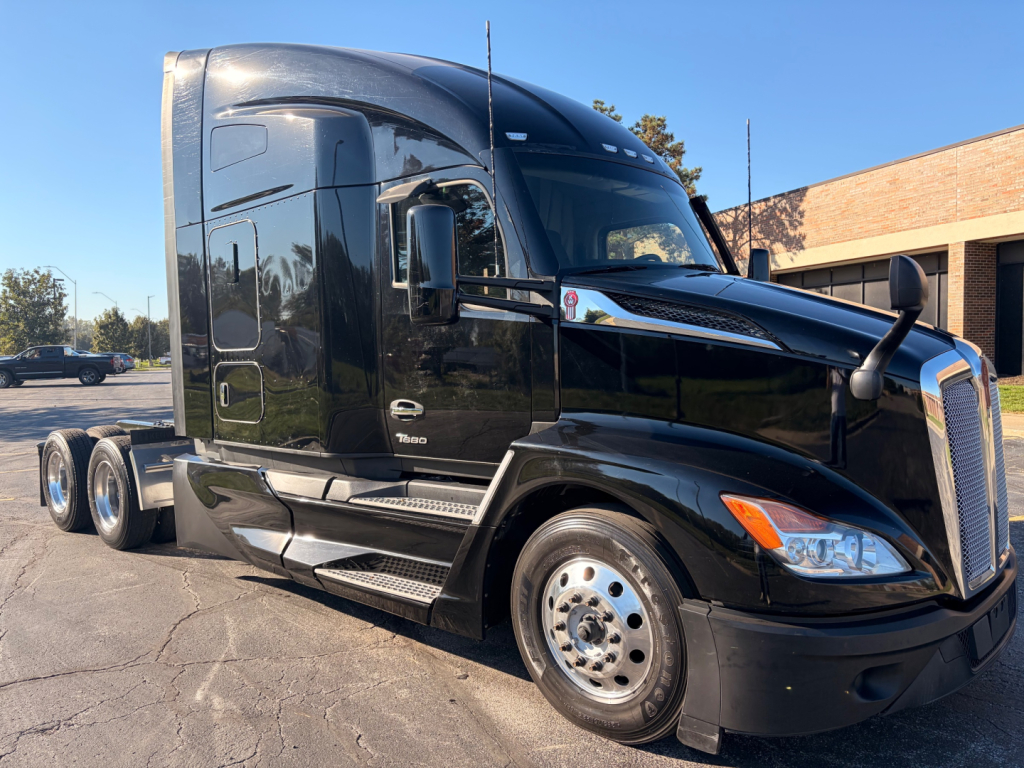
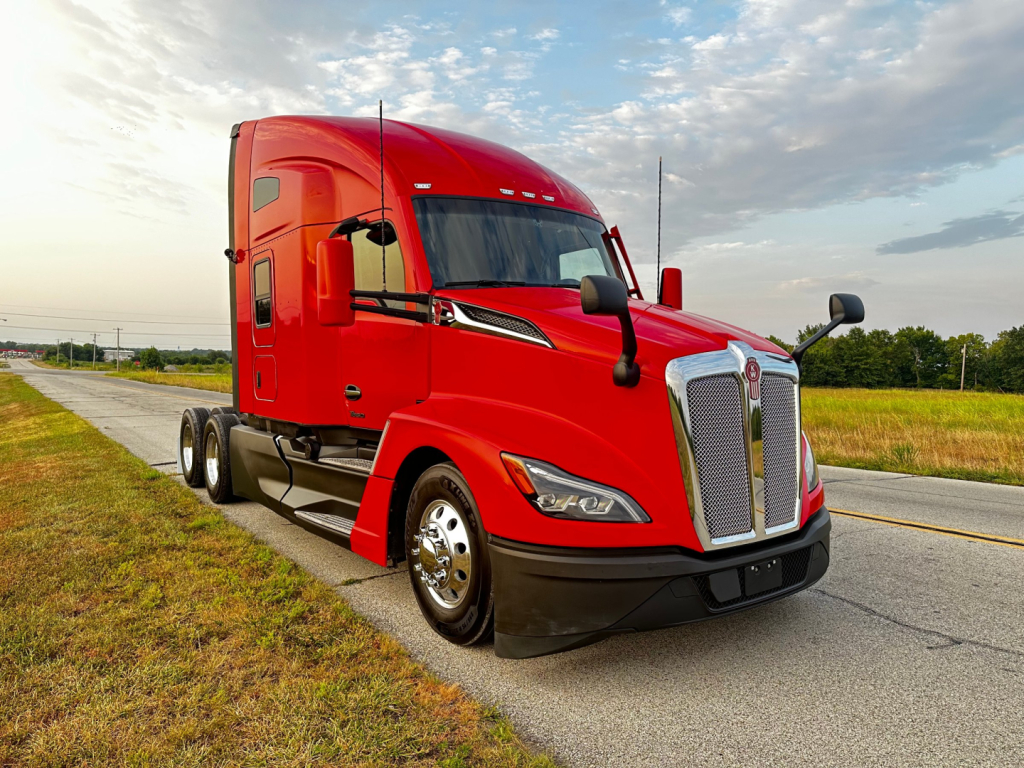
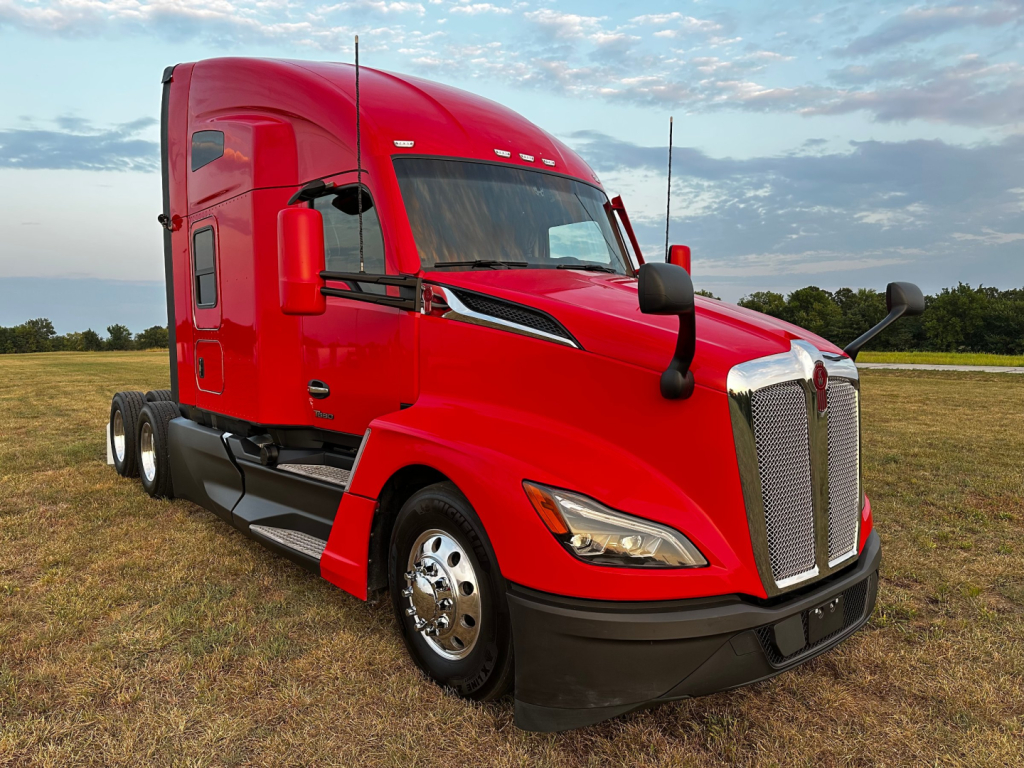
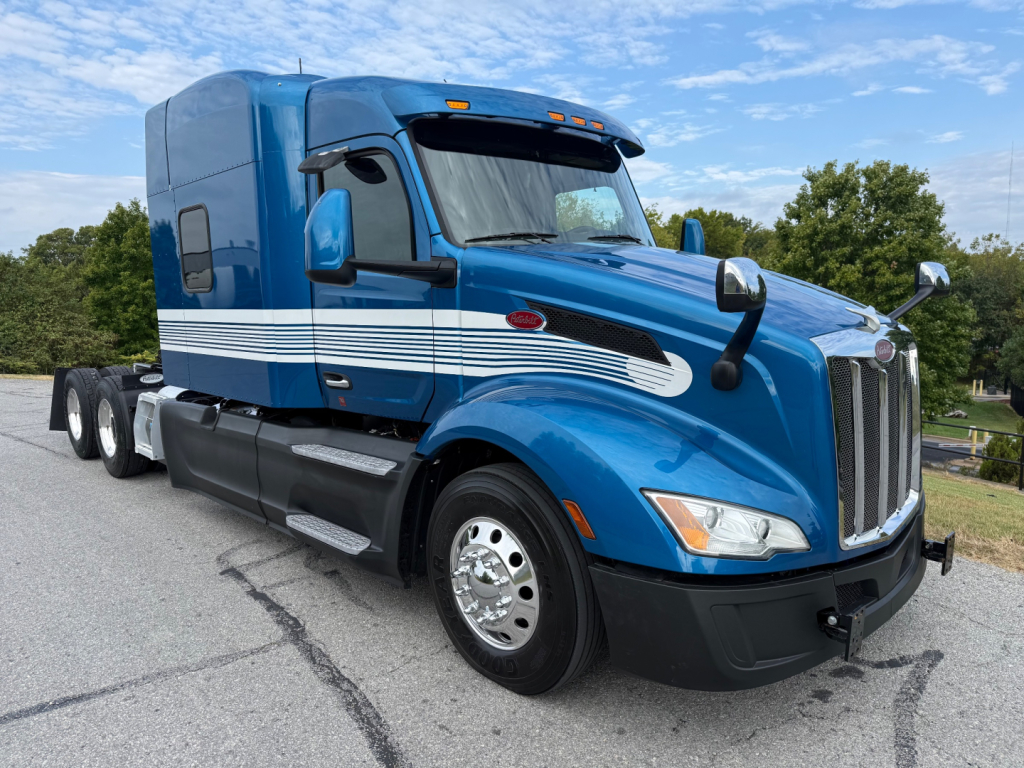
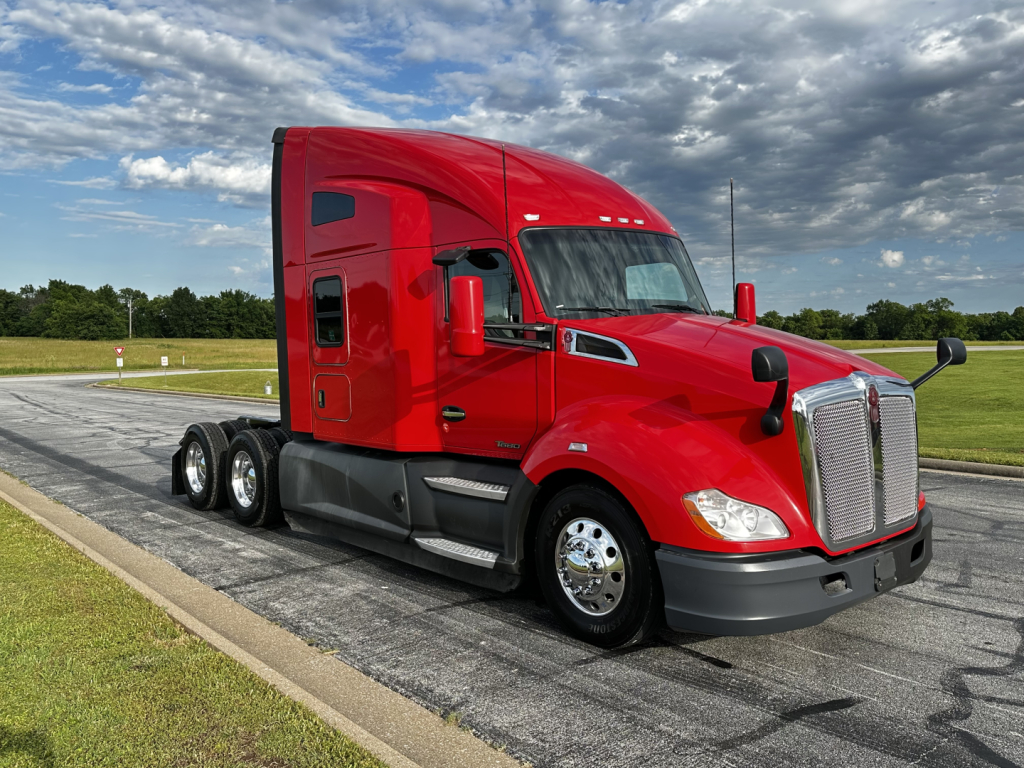
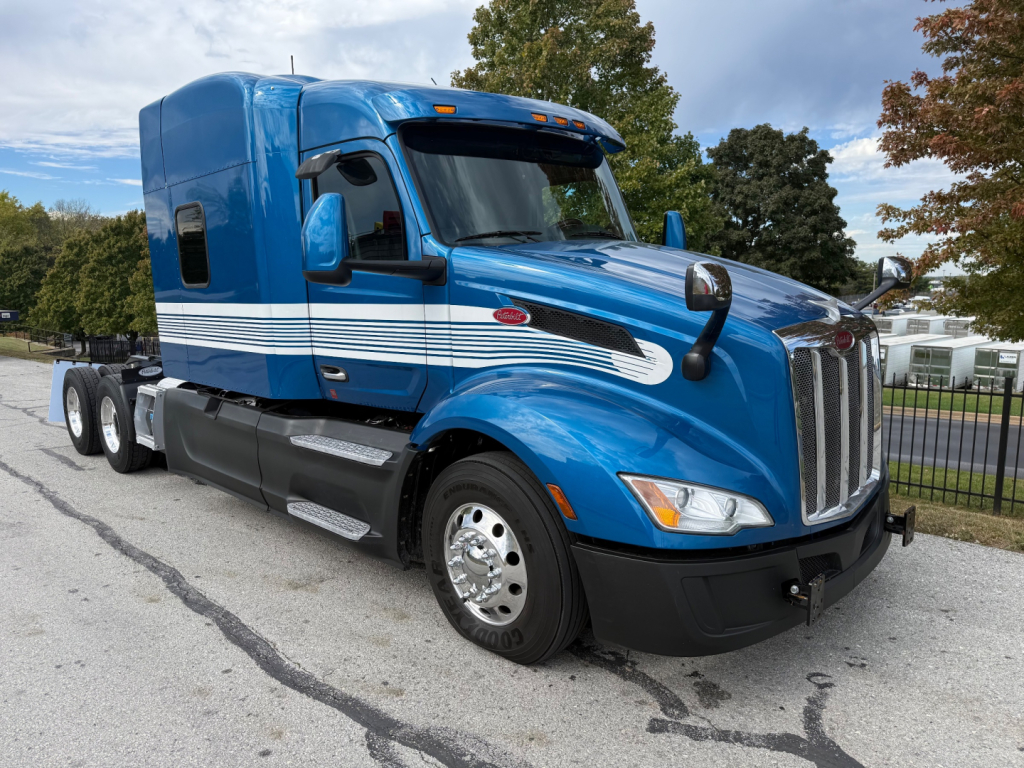
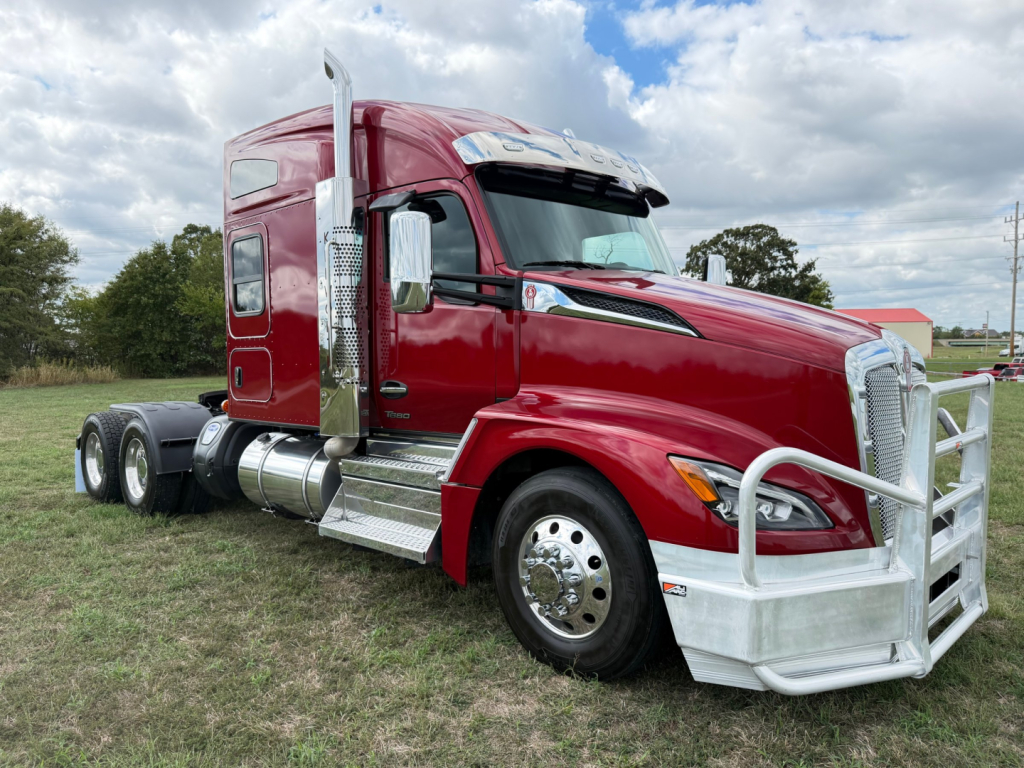
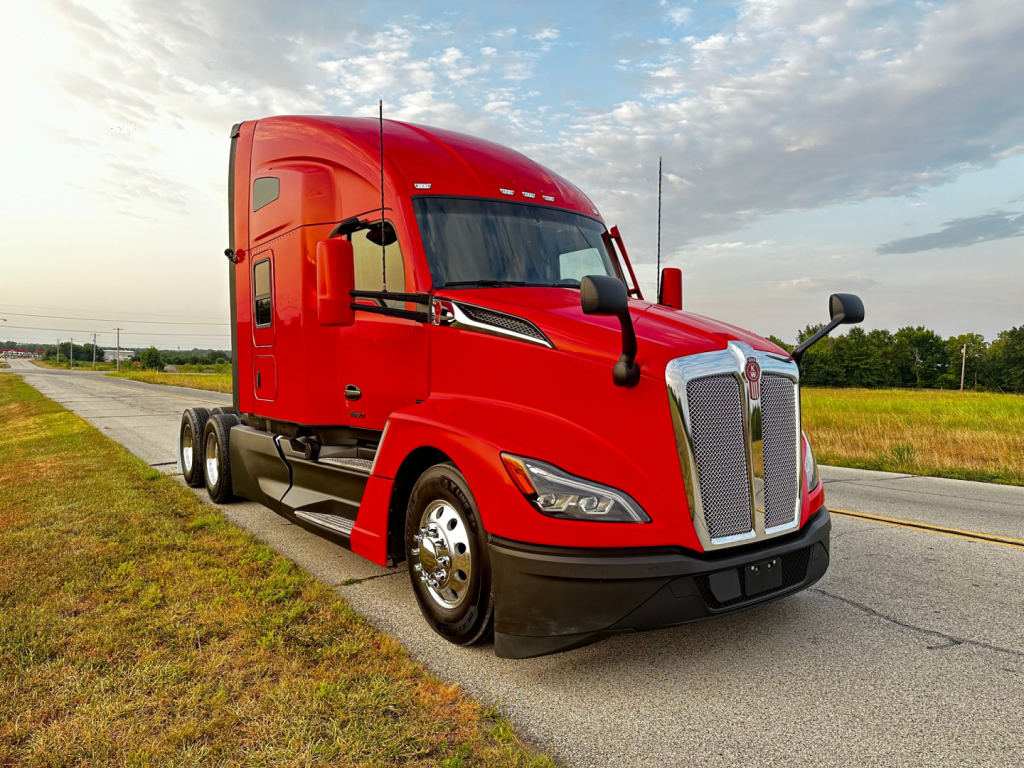
Showing 1 to 28 of 66 results
Selling a used conventional sleeper truck? List your used conventional sleeper truck for sale and reach thousands of commercial buyers.
Used Conventional Sleeper Trucks in Missouri
The first buying decision is usually the powertrain. Most used conventional sleeper trucks in this class are spec'd with 12.8L to 15.0L diesel engines, commonly in the 400 to 500 horsepower range, paired with torque ratings suited for dry van, refrigerated, flatbed, and general freight work. Popular combinations include Detroit DD15, PACCAR MX-13, Cummins X15, and similar heavy-duty platforms backed by 10-speed, 12-speed automated manual, 13-speed, or 18-speed transmissions. Rear axle ratios, often in the low-3s for fuel mileage highway use, have a major effect on cruise RPM and gradeability. Wheelbase, sleeper length, and fuel capacity also deserve close attention because they directly affect turning radius, ride quality, and range between stops.
Cab and chassis specs separate a good highway truck from the wrong truck for your operation. Buyers should look at sleeper size, bunk layout, fairing condition, frame integrity, suspension type, brake spec, and fifth wheel setup. Interior condition matters more than many first-time buyers expect because a high-mile sleeper truck lives and dies by how it was maintained and driven. Check for wear in seats, switches, HVAC performance, inverter setup, and signs of idle-heavy use. On the chassis side, tire condition, alignment wear, aftertreatment history, clutch life on manual units, and maintenance records on automated transmissions can tell you a lot. If the truck will pull heavier freight or run mixed terrain, pay attention to horsepower, transmission gearing, and axle ratio rather than shopping by model alone.
Missouri buyers often compare used conventional sleepers based on emissions system service history, mileage band, and dealer support for major engine brands. A truck with higher miles but documented maintenance can be a better value than a lower-mile unit with poor records or long periods of inactivity. For fleet replacement or owner-operator use, the best choice usually comes down to application fit: fuel-efficient aero spec for van freight, higher-horsepower setup for heavier lanes, or a simpler drivetrain for easier in-house maintenance. A well-matched used conventional sleeper truck can still deliver strong uptime, manageable operating costs, and a comfortable working environment for long days on the road.
Frequently Asked Questions about Used Conventional Sleeper Trucks in Missouri
What is a conventional sleeper truck?
A conventional sleeper truck is a Class 8 highway tractor with a hooded front-end design and a sleeper compartment mounted behind the driver and passenger seats. It is built for over-the-road freight where the driver needs space to rest, store gear, and stay out for multiple days. Compared with a day cab, a sleeper tractor adds bunk space and often more storage, larger fuel capacity, and specifications aimed at long-distance operation.
What engine and transmission specs are common in used conventional sleeper trucks?
Most used conventional sleeper trucks are equipped with heavy-duty diesel engines in the 400 to 500 horsepower range and torque output matched to general freight or heavier applications. Common engines include the Detroit DD15, PACCAR MX-13, Cummins X15, and similar platforms. Transmissions may be 10-speed manuals, 12-speed automated manuals such as the DT-12, or 13-speed and 18-speed manuals for more demanding routes. The right setup depends on gross weight, terrain, driver preference, and fuel economy goals.
How many miles is too many on a used sleeper tractor?
Mileage by itself does not determine value or remaining life on a used sleeper tractor. Many highway trucks are still productive well past 500,000 miles if they have consistent preventive maintenance, clean service records, and no major neglect in the engine, aftertreatment, driveline, or suspension. Buyers should review oil sample history, overhead and DPF service intervals, clutch or transmission work, tire wear patterns, and signs of excessive idle time. A documented truck with higher miles is often a safer purchase than a lower-mile truck with gaps in maintenance history.
What should I inspect first on a used conventional sleeper truck?
Start with the service records, engine hours, mileage, and emissions system history because those items usually drive the biggest repair costs. Then inspect the tires, brakes, suspension, frame rails, fifth wheel, sleeper interior, HVAC system, and all major fluid leak points. On a road tractor, uneven tire wear, poor alignment, hard shifting, fault codes, and evidence of repeated aftertreatment problems are important warning signs. A pre-purchase inspection with ECM review is one of the best steps a buyer can take.
Are used conventional sleeper trucks good for regional freight, or only long-haul?
Used conventional sleeper trucks are commonly used in both long-haul and regional operations. For regional work, the sleeper still adds value by providing storage, occasional layover capability, and flexibility for longer dispatches. The best regional spec usually emphasizes maneuverability, fuel economy, and a drivetrain matched to mixed interstate and secondary-road use. Long-haul specs often prioritize larger sleepers, bigger fuel tanks, and gearing designed for efficient highway cruise speeds.