
Used Conventional Sleeper Trucks For Sale in Texas
Browse used conventional sleeper trucks in Texas with popular long-haul specs, raised-roof sleepers, aero cabs, big-bore diesel power, and fleet features.
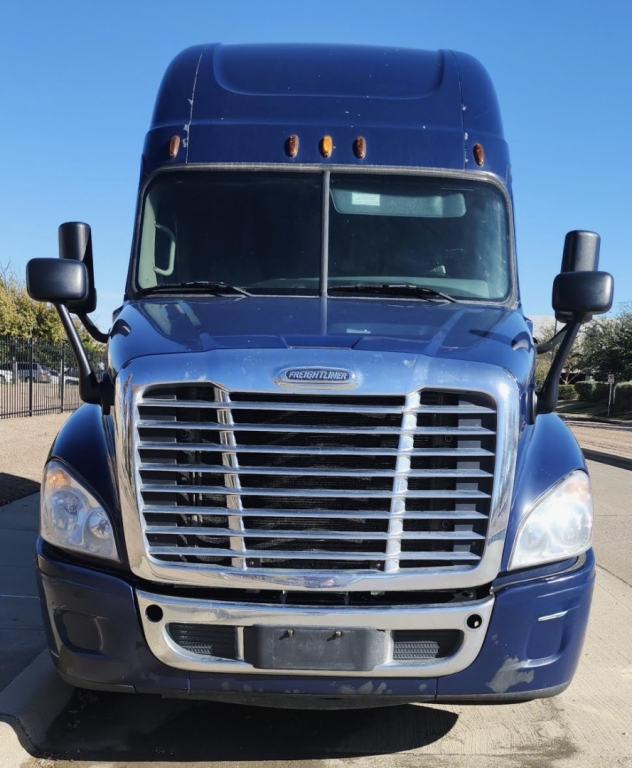
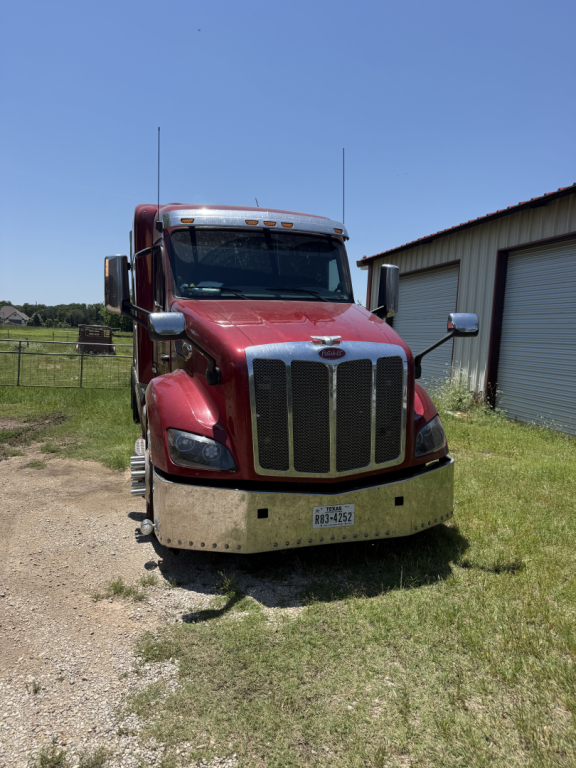
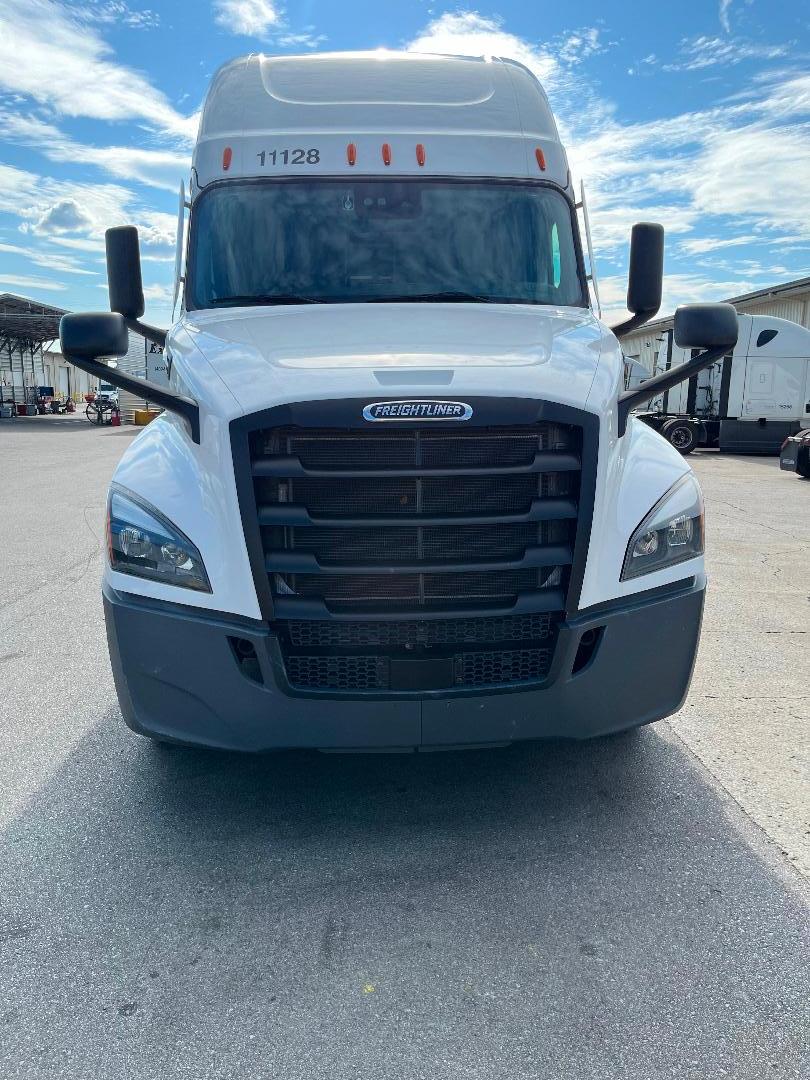
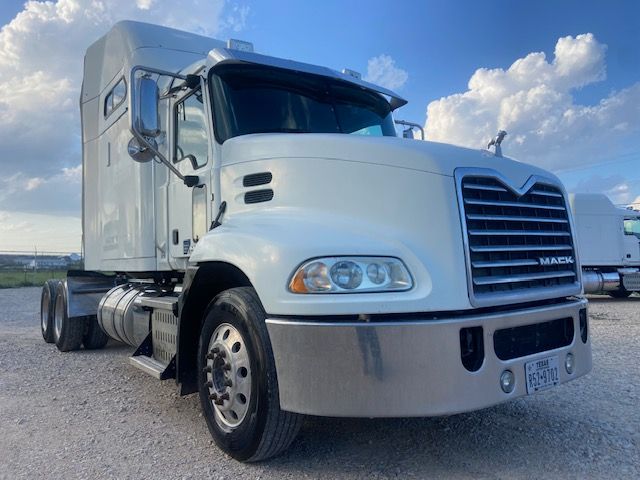
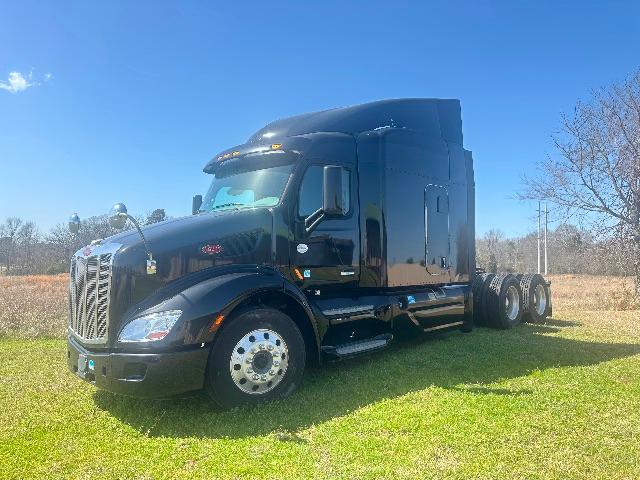
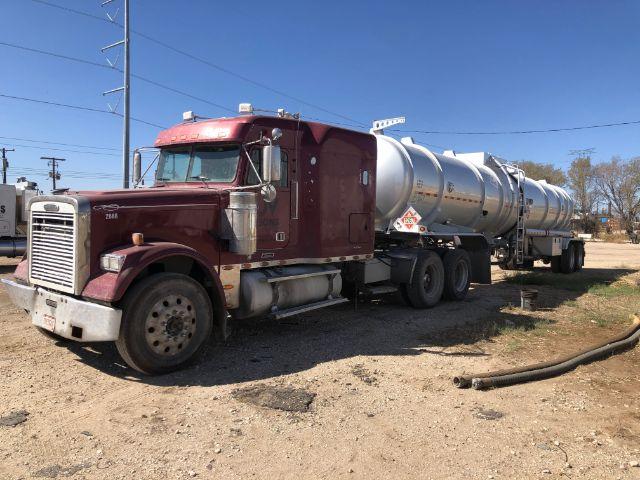
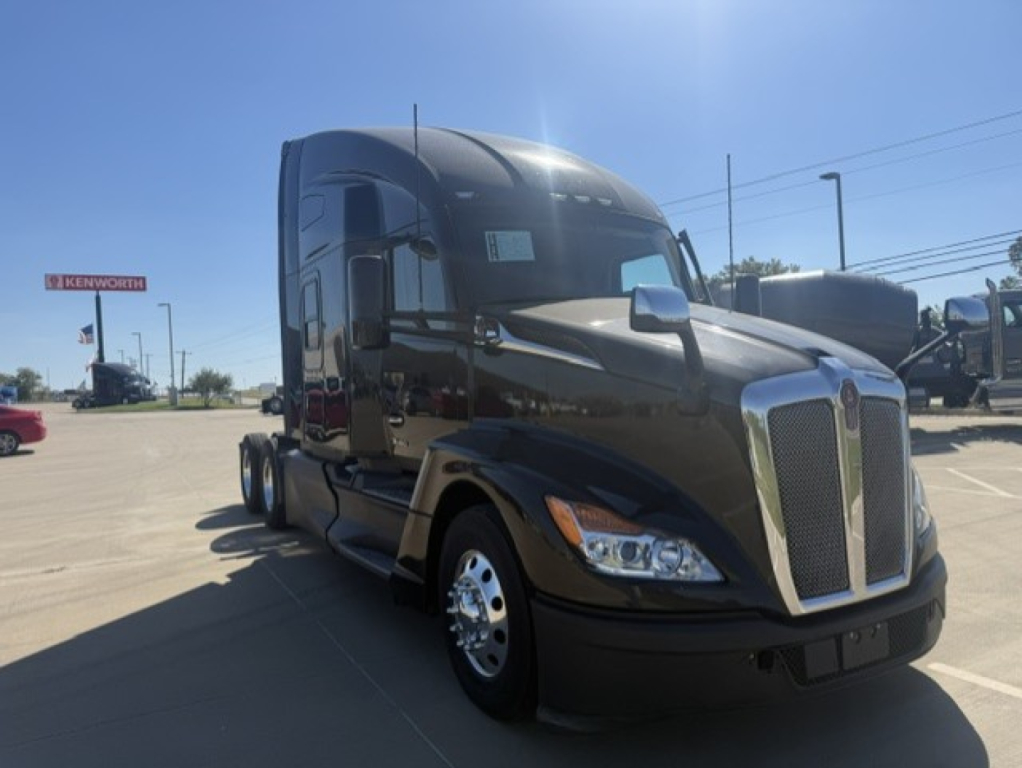
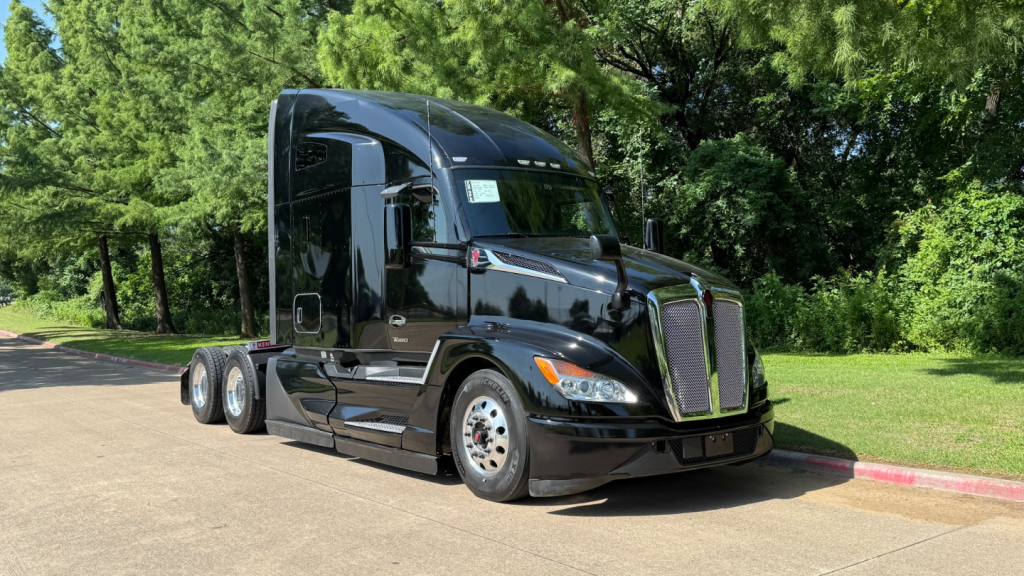
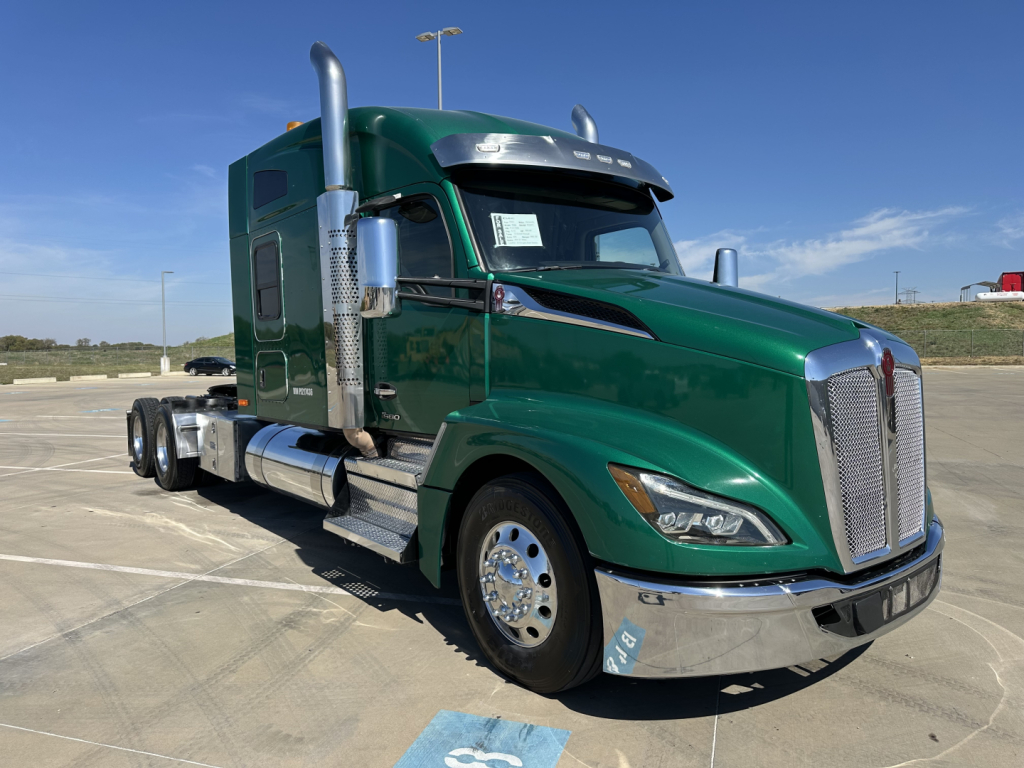
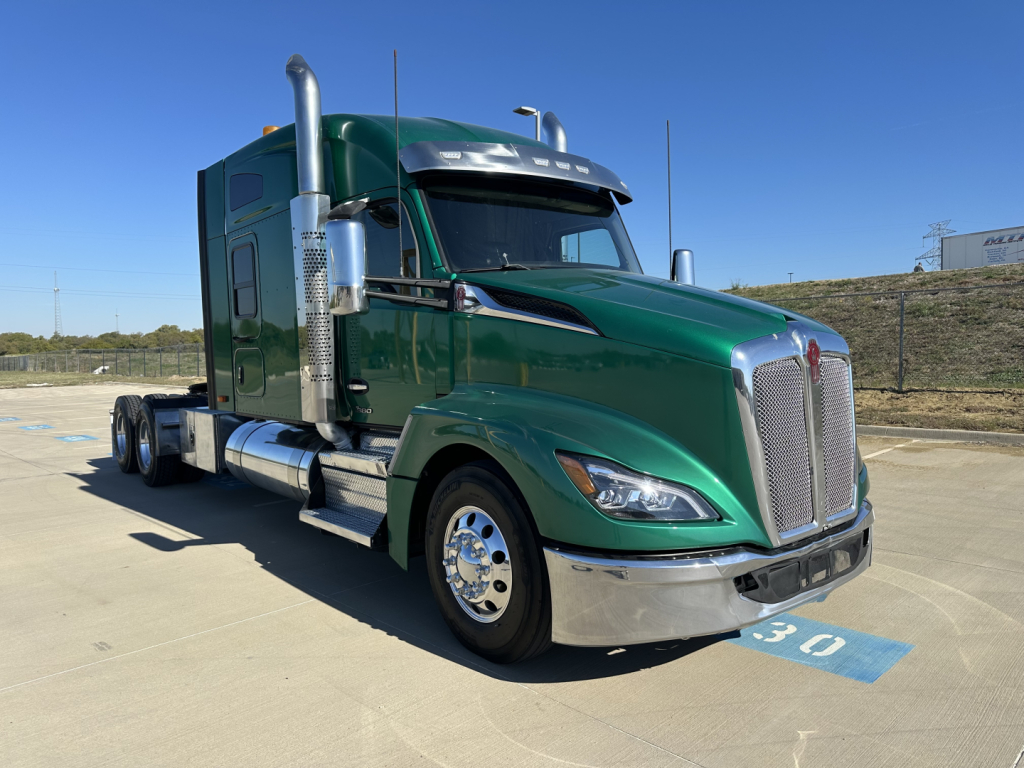
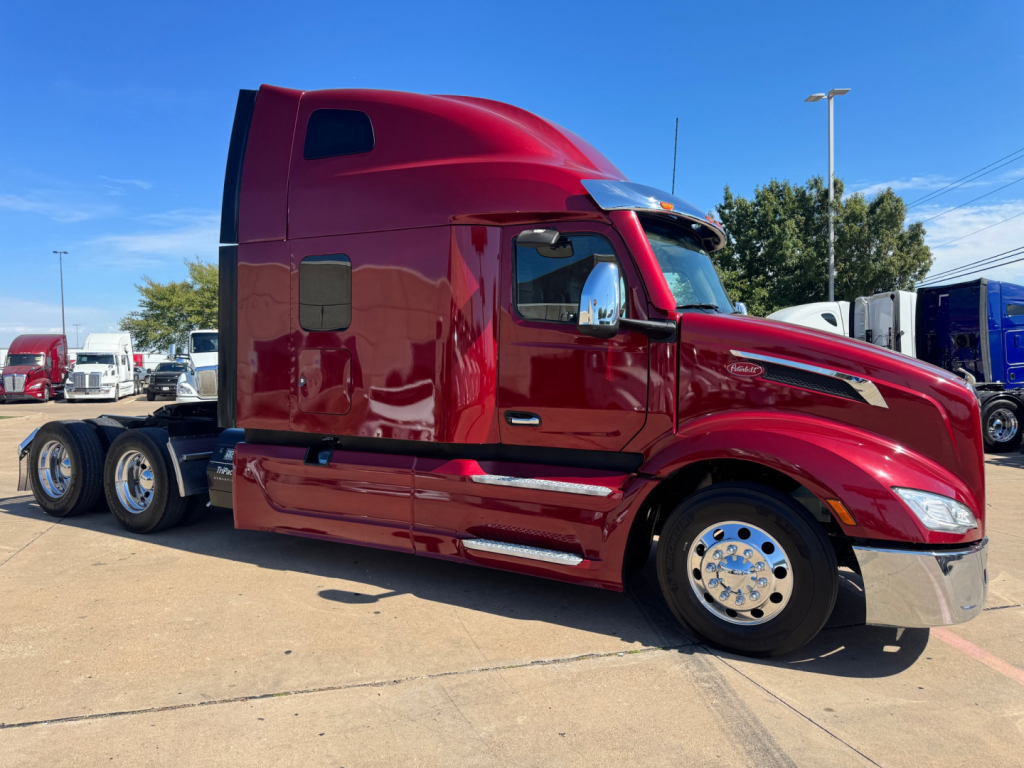
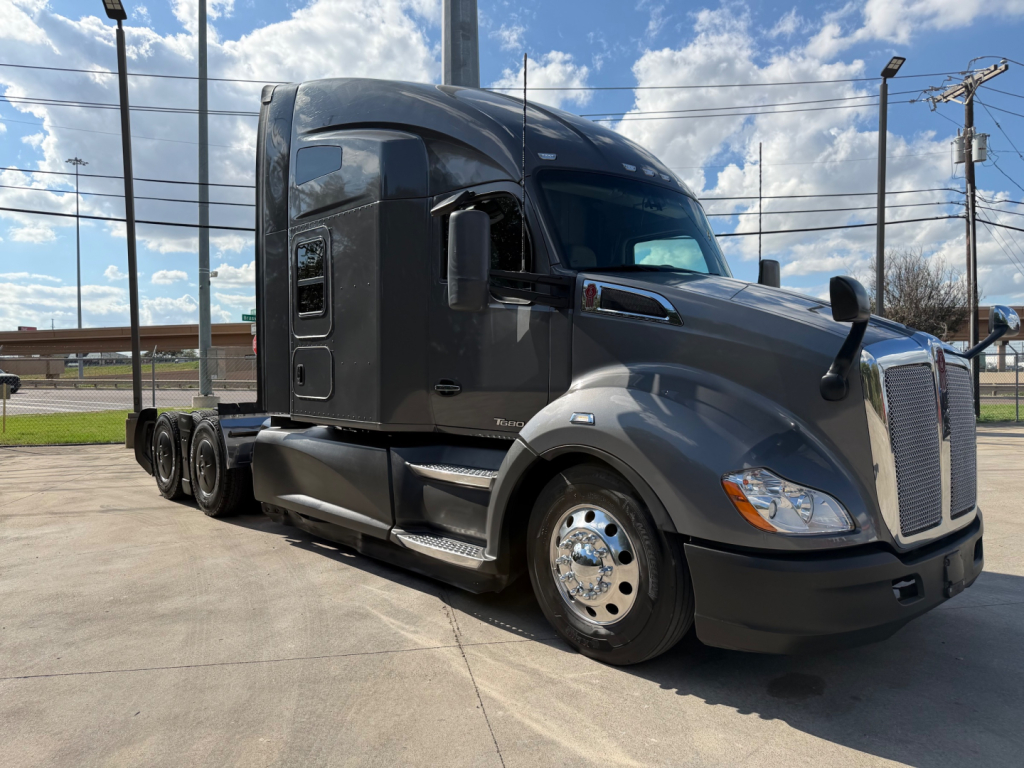
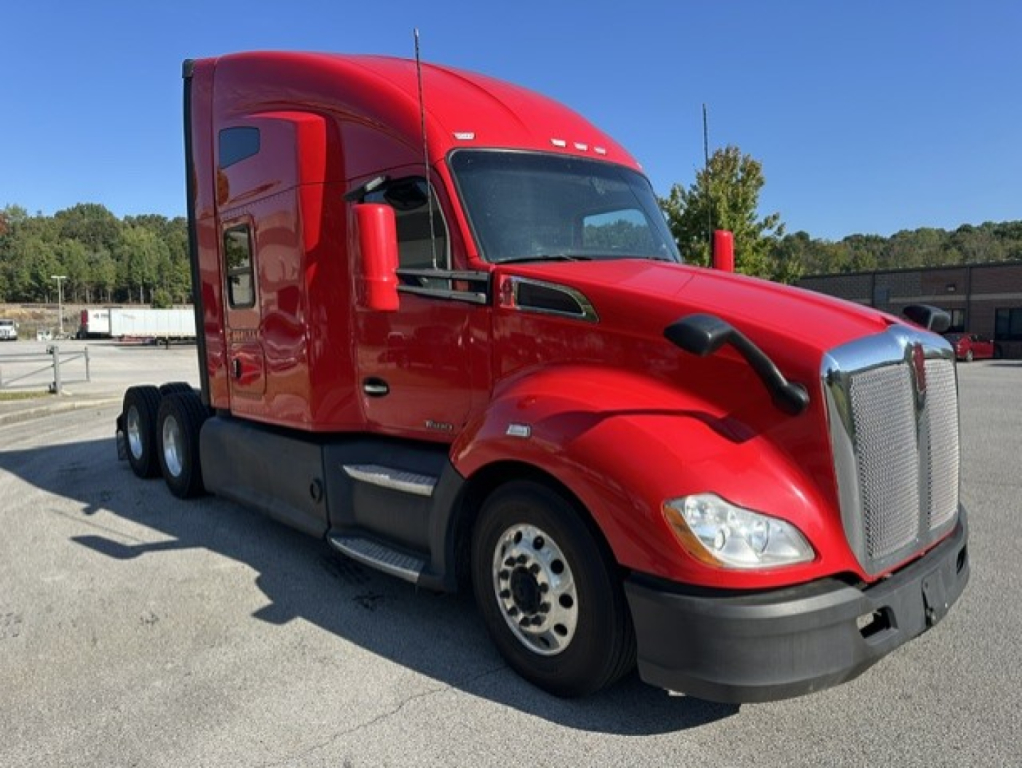
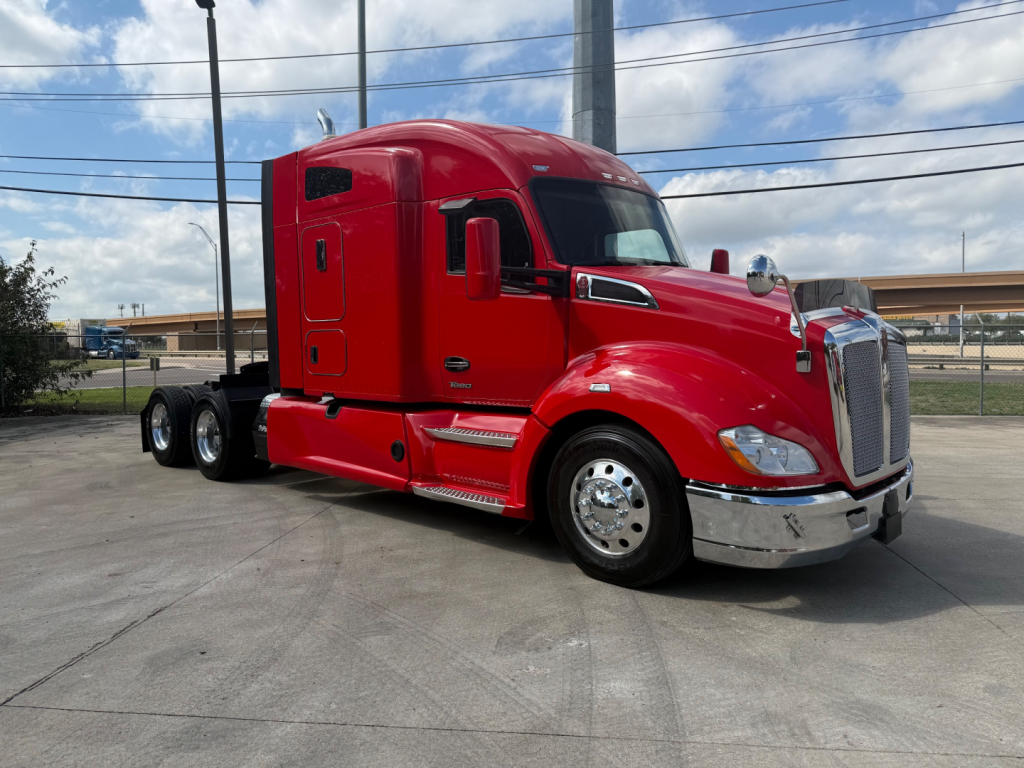
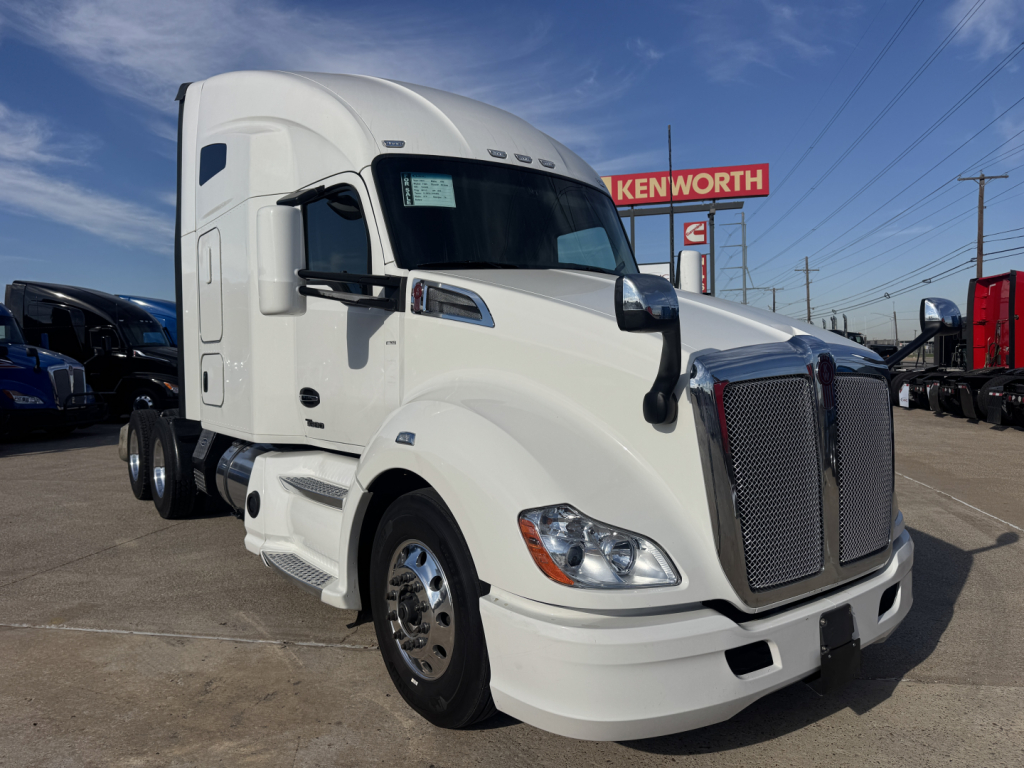
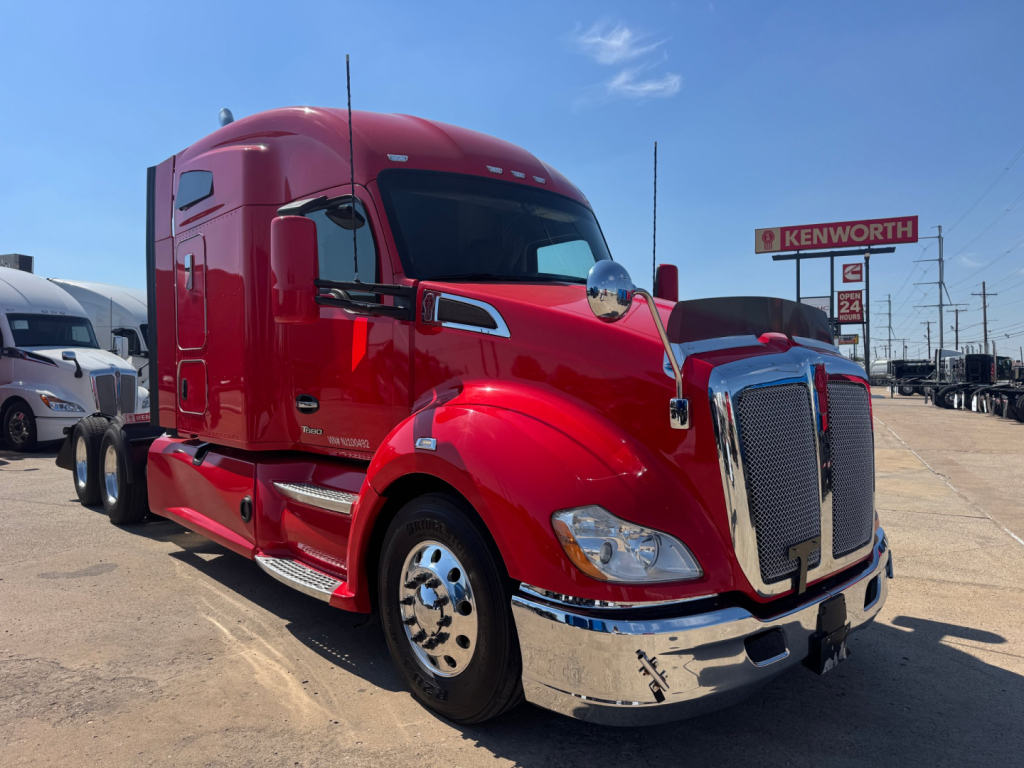
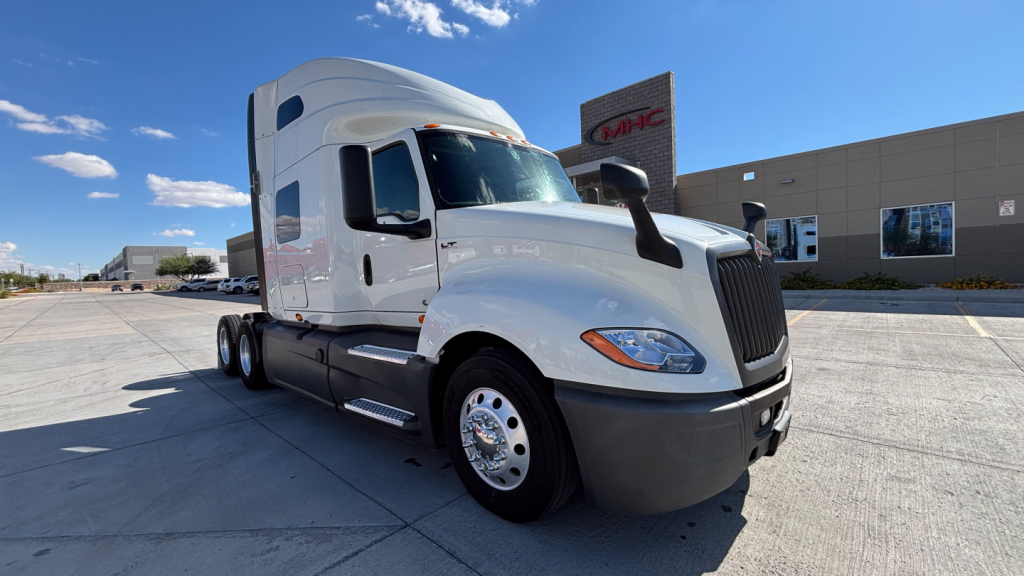
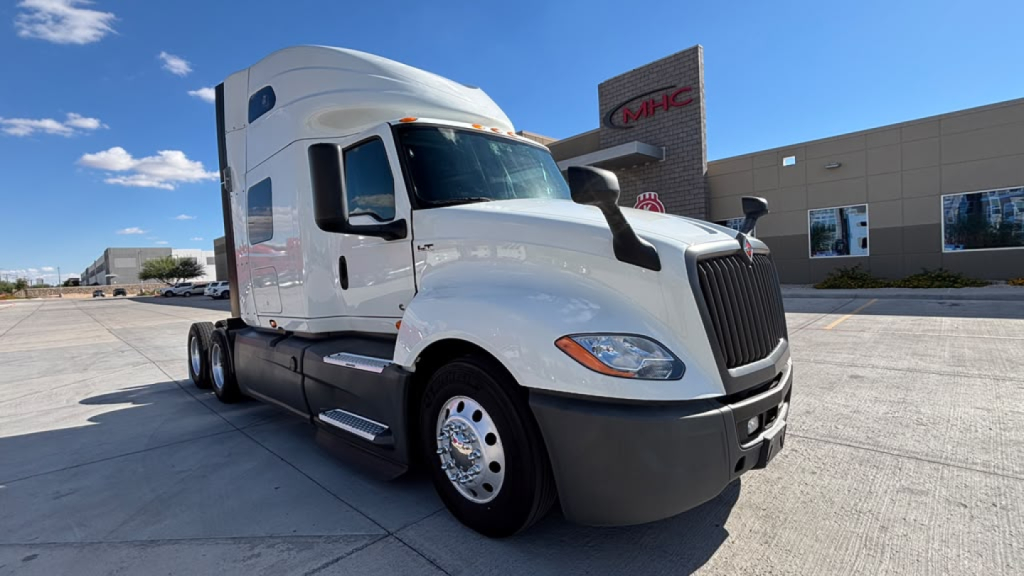
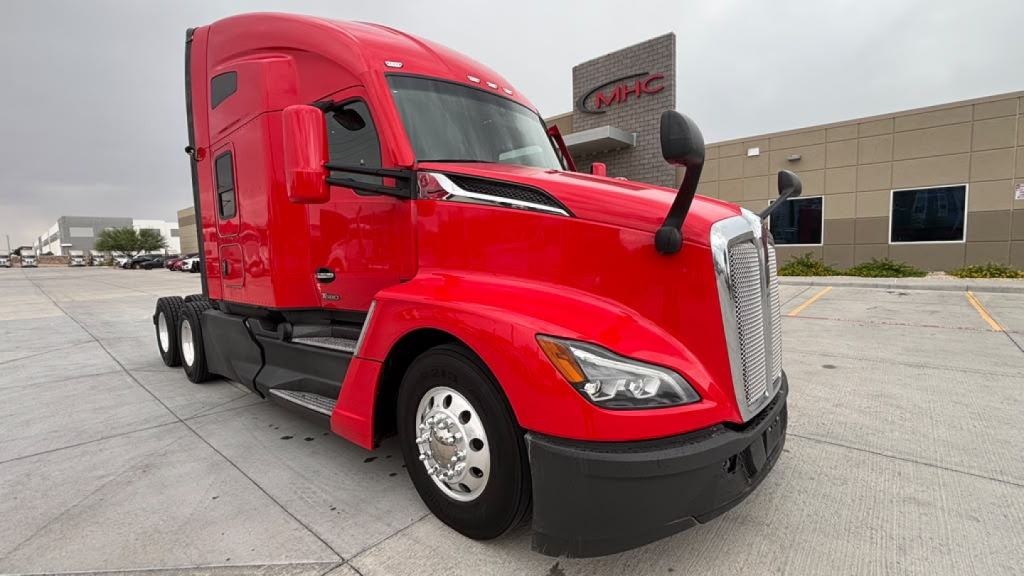
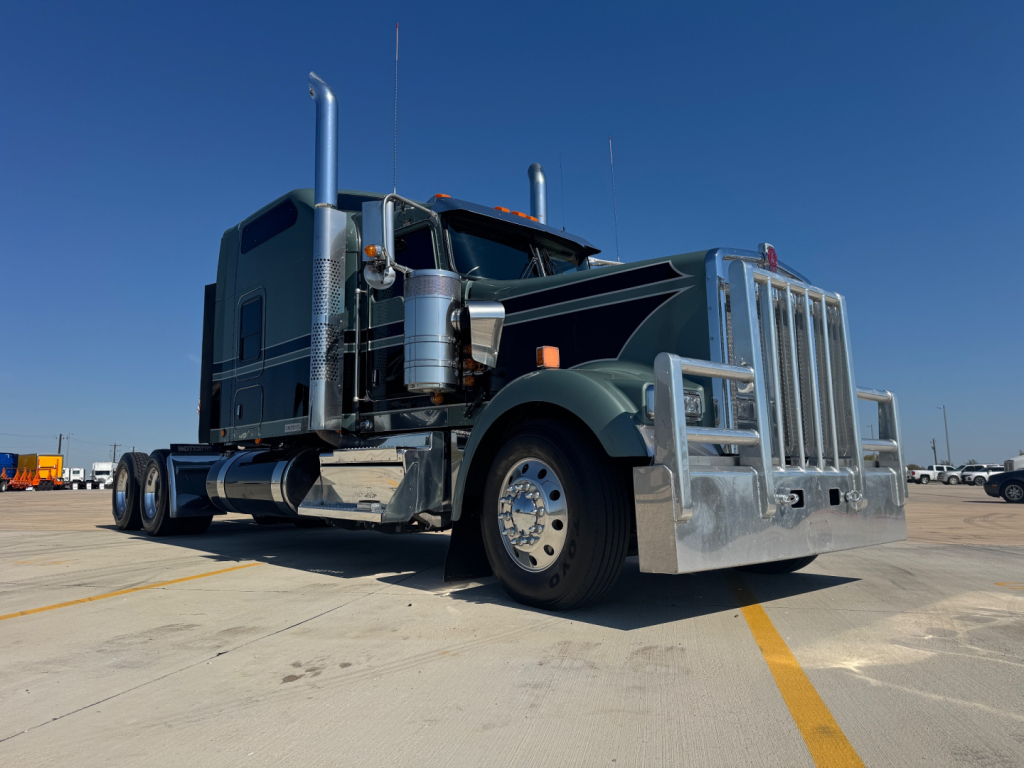
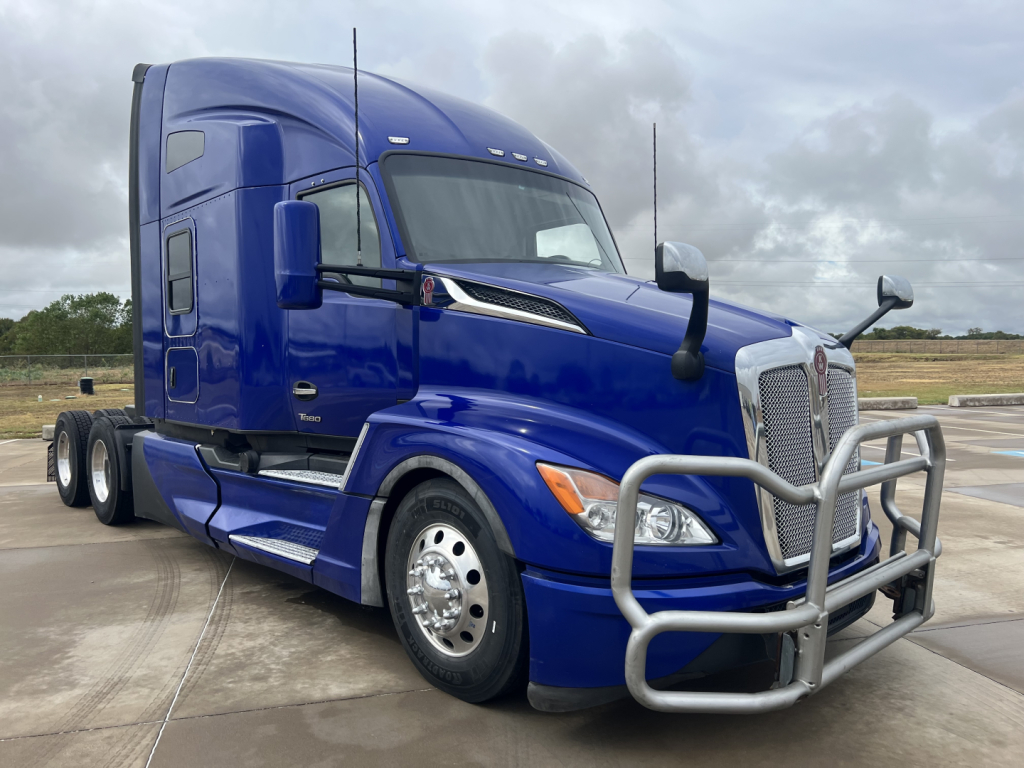
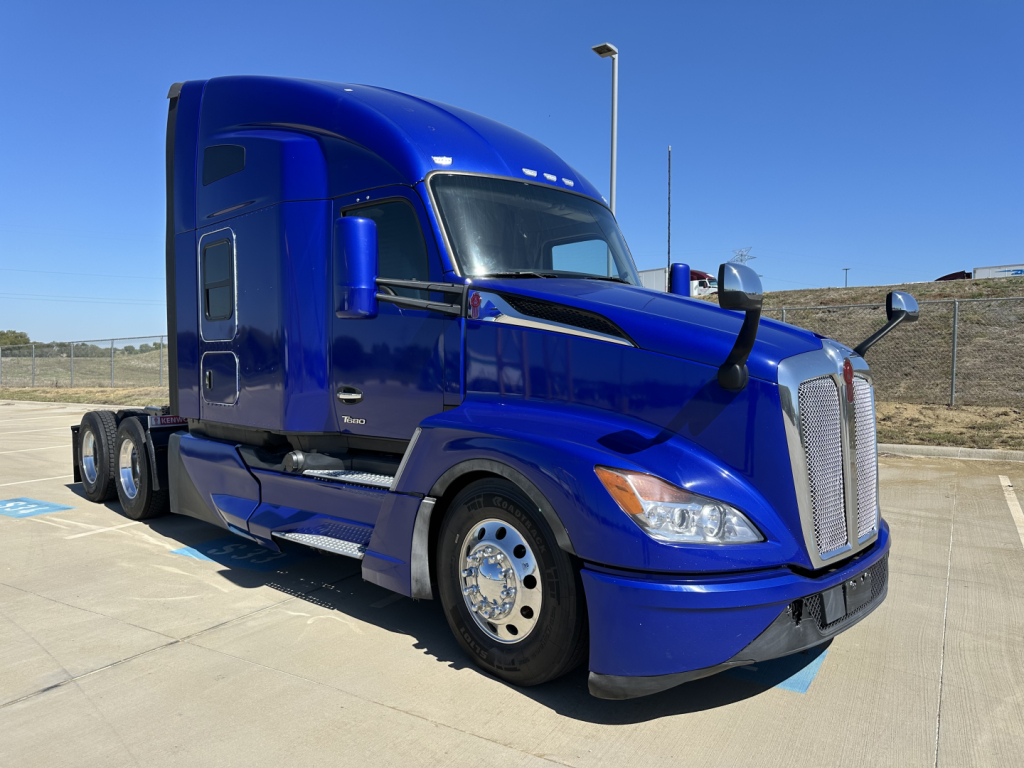
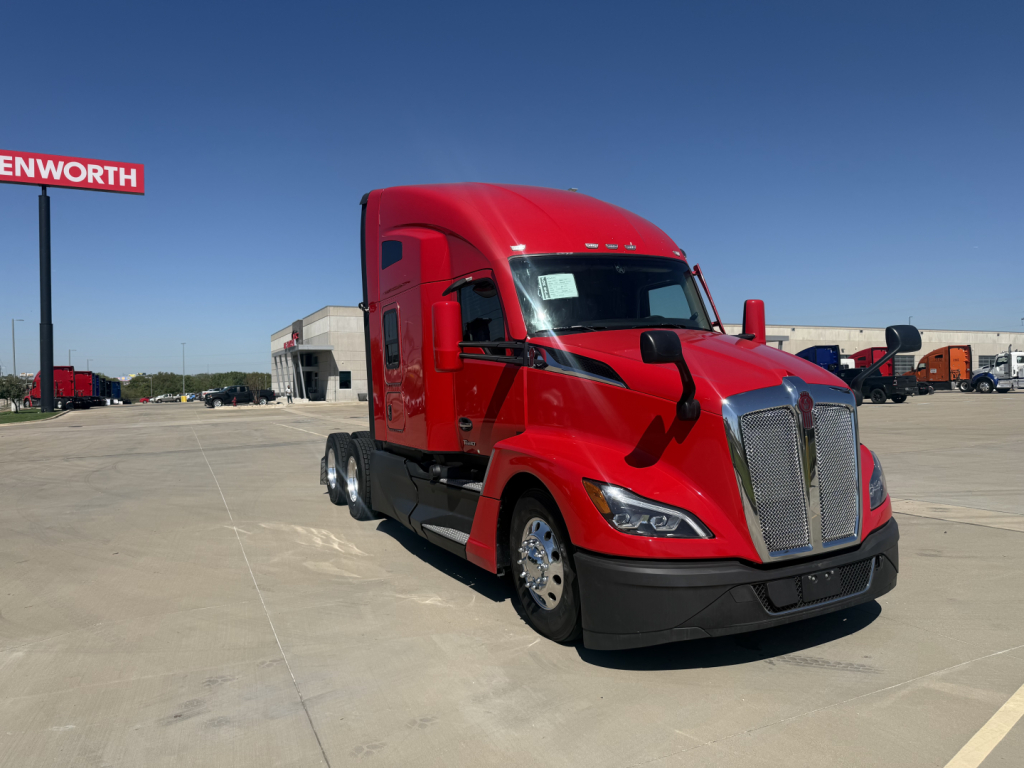
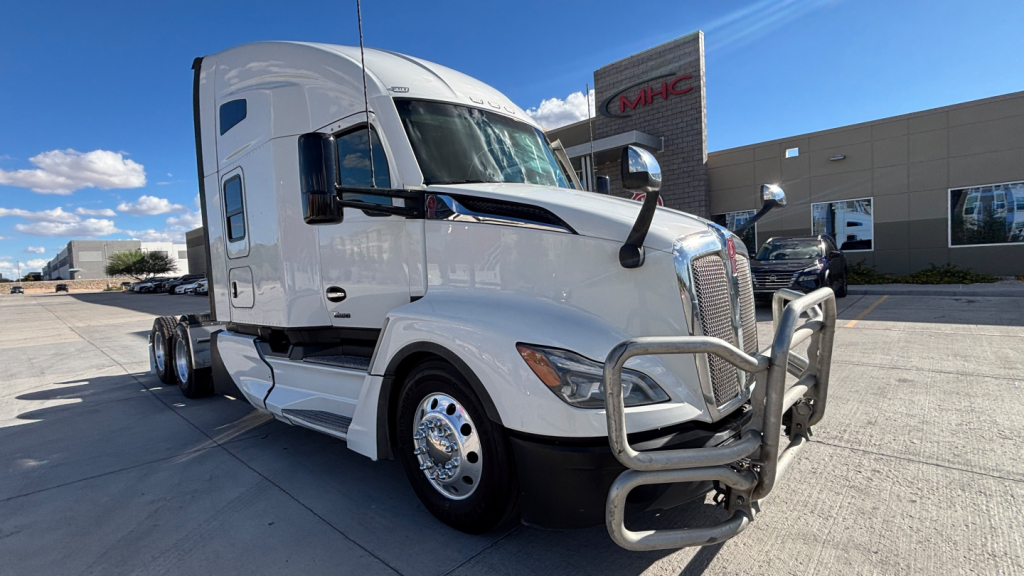
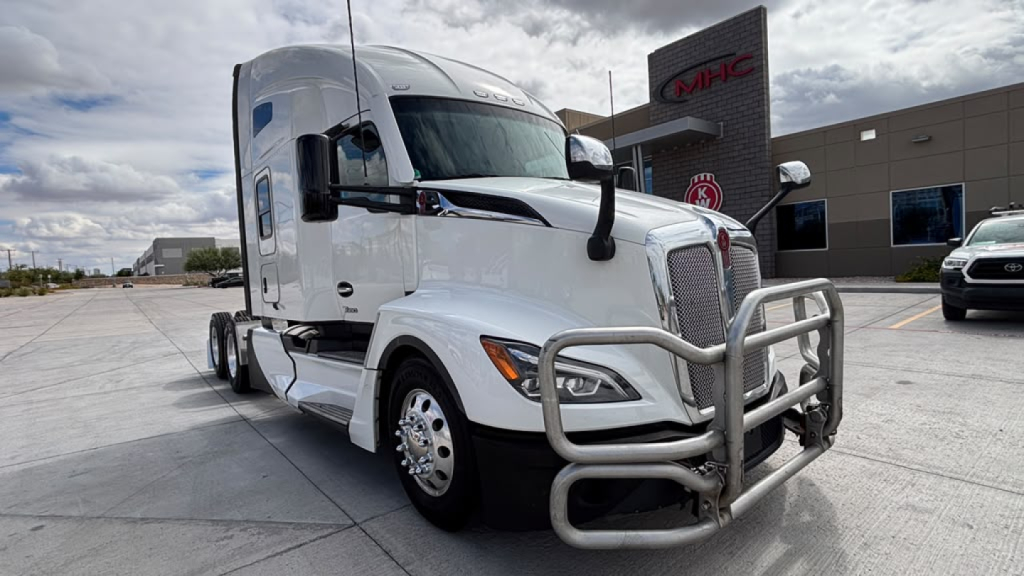
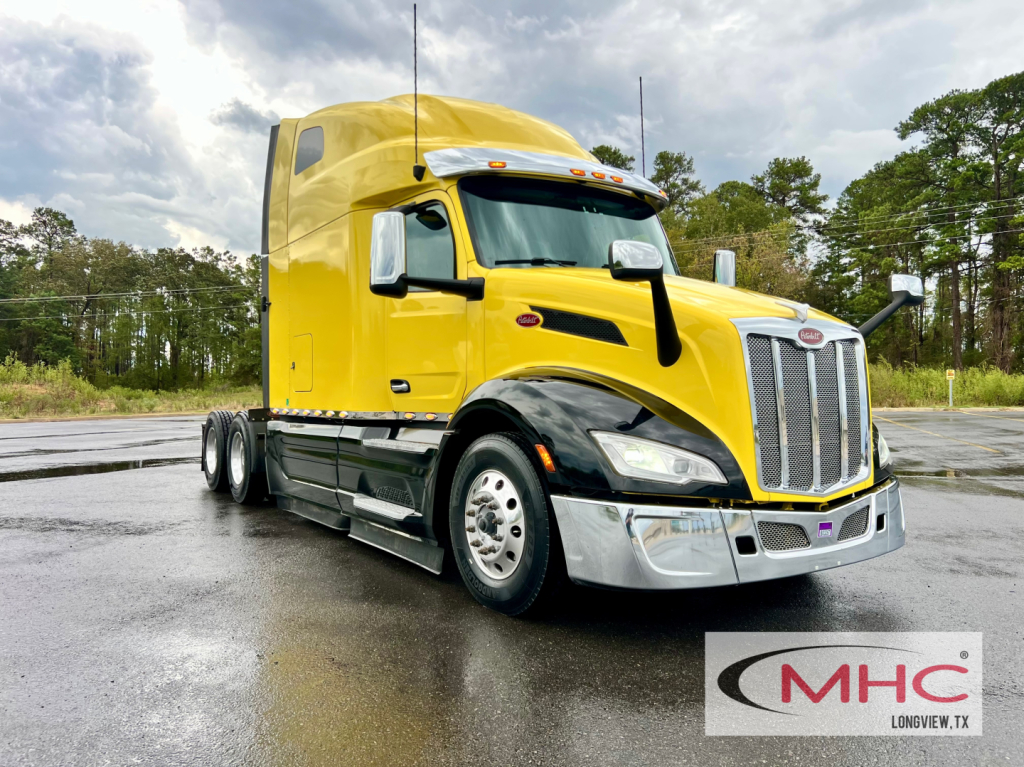
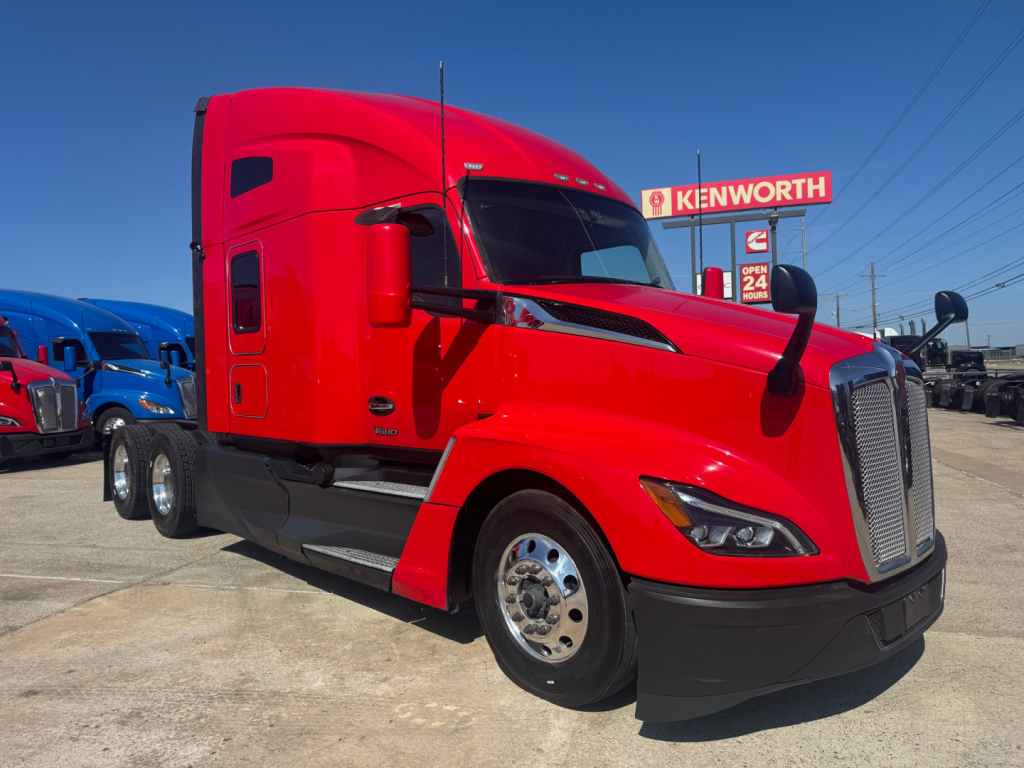
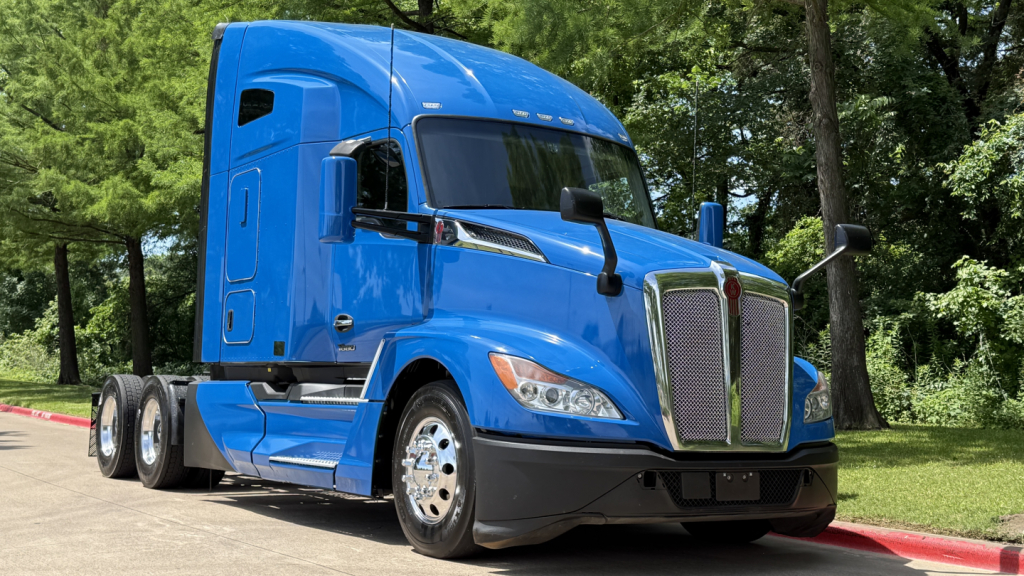
Showing 1 to 28 of 133 results
Selling a used conventional sleeper truck? List your used conventional sleeper truck for sale and reach thousands of commercial buyers.
Used Conventional Sleeper Trucks in Texas
The first decisions usually come down to engine, transmission, and sleeper size. Many used conventional sleepers on the market carry 11 to 15 liter diesel engines in the 400 to 565 horsepower range, often paired with 12-speed automated manuals such as Volvo I-Shift or Detroit DT12, though 13-speed and 18-speed manual transmissions still show up in performance-oriented or vocational crossover specs. Sleeper sizes commonly run from about 60 inches to 80 inches, with 70-inch to 77-inch raised sleepers being a common sweet spot for over-the-road work. Buyers should also compare rear axle ratio, wheelbase, fuel capacity, and suspension setup because those details affect fuel economy, turning radius, driveline life, and how well the truck matches the lanes and trailer lengths it will actually pull.
On a used truck, condition matters as much as brand preference. Service history, aftertreatment performance, idle hours, and signs of prior collision repair deserve close attention. A sleeper tractor with advanced driver-assistance systems such as adaptive cruise control, collision mitigation, lane departure warning, and blind spot monitoring can be a strong fit for fleets standardizing safety tech, but buyers should verify that sensors, cameras, and calibration records are current. Inside the cab, look at bunk layout, HVAC operation, inverter prep, cabinet condition, and seat wear. Outside, check fairings, frame condition, fifth wheel wear, tire match, and suspension components. If the truck will stay in Texas service, cooling system health, APU setup, and air conditioning performance carry extra weight in buyer decision-making.
Texas buyers often sort used conventional sleeper trucks by application first. A fuel-efficient aero sleeper with an automated transmission is usually the better match for dry van, reefer, and dedicated fleet lanes running I-10, I-20, I-35, or long multi-state routes. A long-hood truck with higher horsepower and a manual transmission may appeal more to heavy-haul, specialized transport, or buyers who place a premium on serviceability and classic styling. The right truck in this category is not just the newest unit or the highest horsepower option. It is the sleeper tractor whose drivetrain, sleeper configuration, safety systems, and maintenance background line up with the freight, terrain, and utilization plan.
Frequently Asked Questions about Used Conventional Sleeper Trucks in Texas
What is a conventional sleeper truck?
A conventional sleeper truck is a highway tractor with a forward engine hood and a built-in sleeping compartment behind the cab. It is designed for long-distance hauling where the driver needs rest space, storage, and added cab comfort. Compared with a day cab, a sleeper tractor adds weight and length but is far better suited for over-the-road operations, team driving, and routes that involve overnight stops.
What sleeper size is best for long-haul trucking?
For most long-haul operations, a 70-inch to 77-inch sleeper is a strong middle ground because it provides enough room for a bunk, storage, and basic living space without adding more truck than many fleets need. Smaller sleepers can work for regional runs with occasional layovers, while larger sleepers make sense for extended time on the road or team service. The best choice depends on route length, driver retention goals, and how much interior storage and standing room matter in the operation.
Are automated transmissions common in used conventional sleeper trucks?
Yes. Automated manual transmissions are now standard in a large share of late-model used conventional sleepers, especially in fleet-spec highway tractors from Volvo, Freightliner, and Kenworth. They improve driver consistency, reduce clutch-related wear, and can help with fuel economy. Buyers who prefer manual transmissions can still find them, particularly in owner-operator specs, performance builds, or long-hood models, but the used market has shifted heavily toward automatics and AMTs.
What should I inspect first on a used sleeper tractor?
Start with maintenance records, engine hours, and emissions system history. Then inspect the aftertreatment components, cooling system, transmission operation, differential condition, tire wear pattern, and suspension. On the cab and sleeper side, check HVAC output, bunk equipment, dash warning lights, fairing damage, and signs of water intrusion. A good used sleeper truck should be evaluated as a total operating package, not just by mileage, year, or appearance.
Which used conventional sleeper truck specs matter most in Texas?
In Texas, cooling performance, air conditioning, fuel range, and highway gearing are especially important because trucks often run long distances in high heat. Buyers also pay close attention to wheelbase, axle ratio, and sleeper size because those specs affect maneuverability in yards, bridge law compliance, and comfort on long interstate runs. For fleets operating across Texas and neighboring states, an aerodynamic 6x4 sleeper with a reliable 12-speed automated transmission and strong maintenance history is often the most practical setup.