
Used 2019 Conventional Sleeper Trucks For Sale in Texas
Shop used 2019 conventional sleeper trucks in Texas. Compare popular long-haul specs, sleeper sizes, powertrains, wheelbases, and driveline setups.
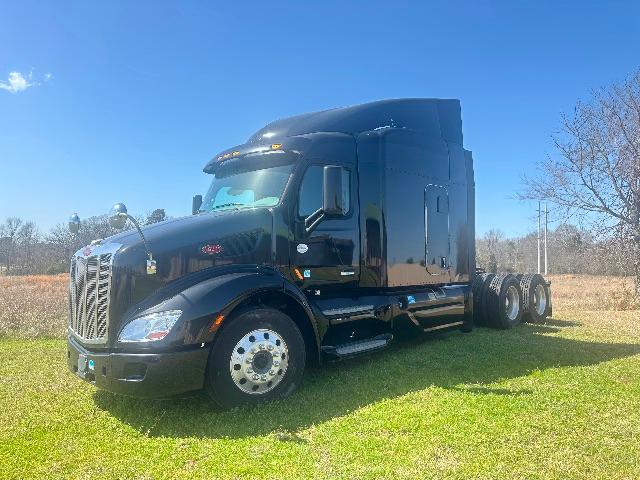
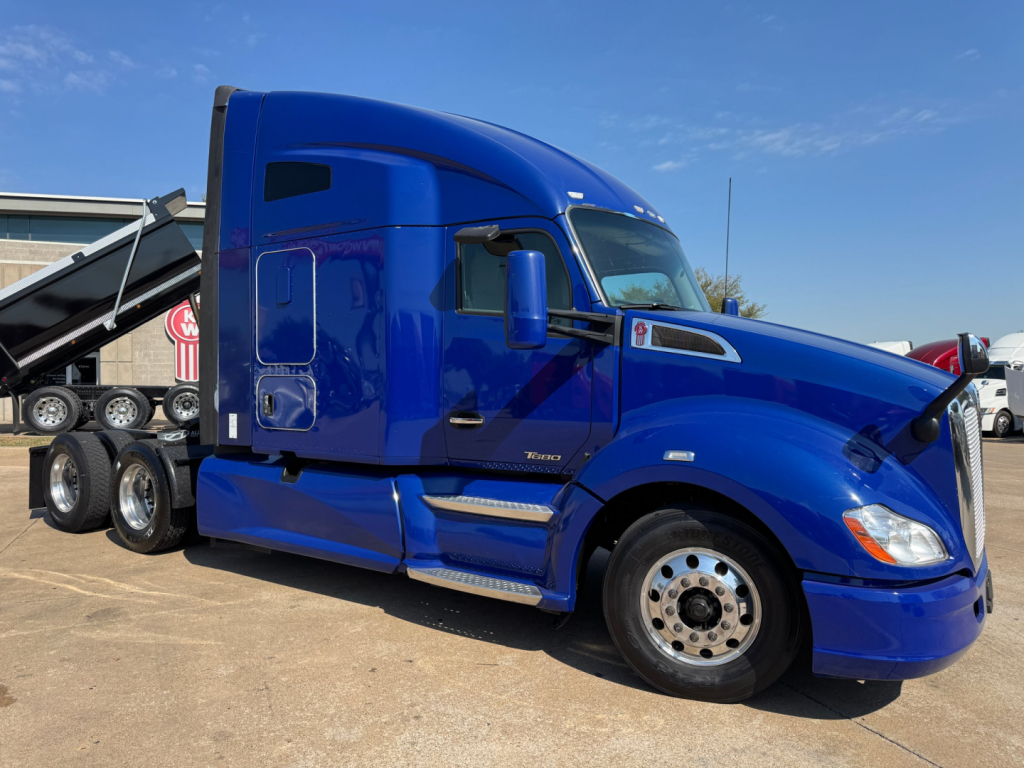
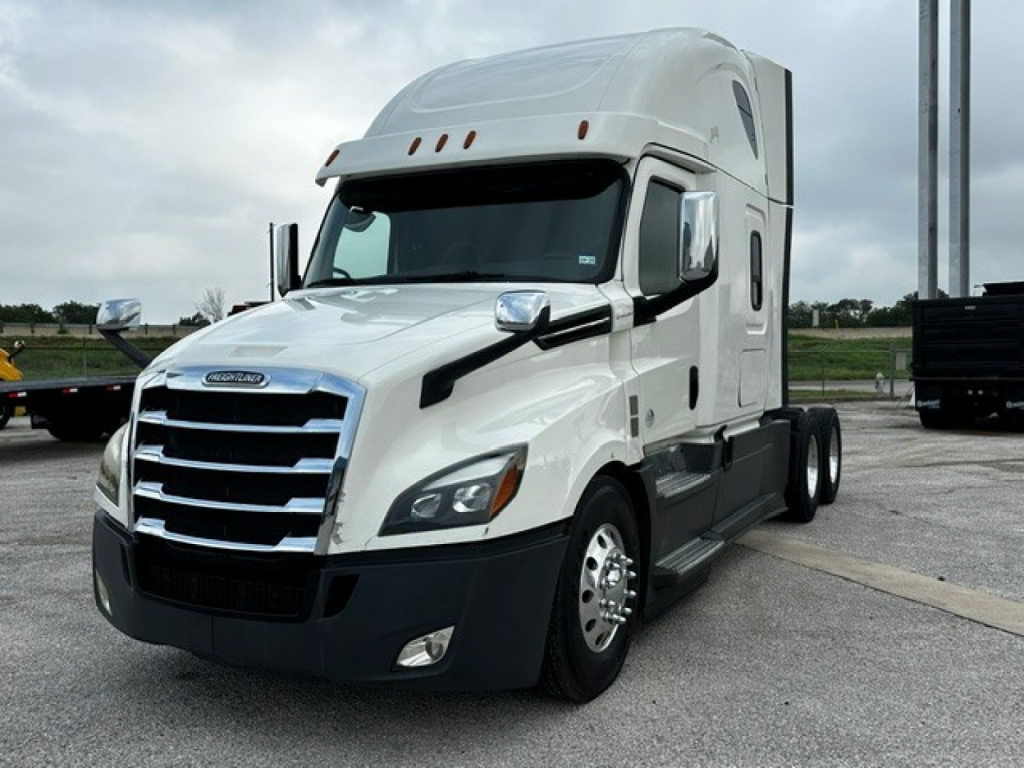
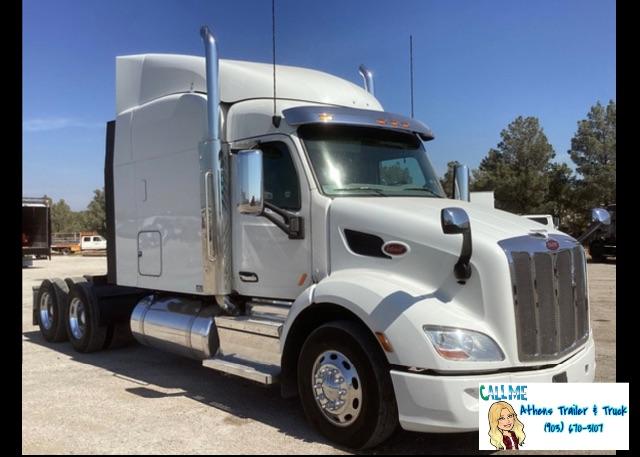
Selling a used 2019 conventional sleeper truck? List your used 2019 conventional sleeper truck for sale and reach thousands of commercial buyers.
Used 2019 Conventional Sleeper Trucks in Texas
The biggest buying decisions usually start with the powertrain. In this year range, buyers will commonly see engines such as the PACCAR MX-13, Cummins X15, Detroit DD15, and Volvo D13, typically paired with automated manual transmissions or, less often, manual gearboxes. Horsepower ratings in the 400 to 500 HP range are common, with rear axle ratios often selected around fuel economy and cruise speed goals. For Texas operations, axle ratio, transmission calibration, and tire spec can make a noticeable difference on I-10, I-20, I-35, and other long freight corridors where sustained highway speed and rolling terrain affect operating cost. Buyers should also compare wheelbase, fuel capacity, and sleeper size, especially if the truck will be assigned to team driving, longer dispatch cycles, or drivers who spend multiple nights on the road.
Cab and sleeper layout deserve as much attention as the engine badge. A 2019 conventional sleeper may have a mid-roof or high-roof configuration, single or double bunk setup, cabinet packages, bunk heaters, workstation arrangements, and driver-assist features such as adaptive cruise, collision mitigation, and lane departure warning. Aerodynamics vary by make and model, and that impacts both fuel burn and service access. Interior condition matters because excessive wear in the bunk, seats, dash switches, and HVAC controls can reveal how hard the truck was used. On the chassis side, check suspension type, fifth wheel setup, brake configuration, and whether the truck was spec'd for van, reefer, flatbed, or heavier vocational crossover work.
For a used 2019 sleeper truck, maintenance history is the separator. Engine hours, idle time, aftertreatment service, transmission service records, DPF and SCR repairs, and coolant system work all deserve a close review alongside mileage. Tire condition, alignment wear, kingpin and suspension play, and signs of frame or cab repair can tell you just as much as the odometer. Texas buyers should also think about cooling system performance, APU or bunk climate solutions, and fuel tank range for wide-state routing. A well-spec'd 2019 conventional sleeper can still be a strong revenue truck if the maintenance records are solid, the sleeper matches the route profile, and the driveline is geared for the freight it will actually pull.
Frequently Asked Questions about Used 2019 Conventional Sleeper Trucks in Texas
What should I look for first when buying a used 2019 conventional sleeper truck?
Start with maintenance records, engine hours, idle hours, and aftertreatment history. On a 2019 sleeper tractor, DPF, SCR, EGR, transmission service, and cooling system repairs can have a major effect on near-term operating cost. After that, confirm the truck’s spec matches the intended job, including horsepower, rear axle ratio, wheelbase, fuel capacity, sleeper size, and fifth wheel position.
What engines and transmissions are common in 2019 conventional sleeper trucks?
Common engines in this category include the PACCAR MX-13, Cummins X15, Detroit DD15, and Volvo D13. Most 2019 highway sleepers were spec'd with automated manual transmissions for fuel economy and driver recruitment, though some manual transmissions are still found in specialized or fleet-standardized applications. The right combination depends on haul weight, average speed, terrain, and shop familiarity with the platform.
Is a 2019 conventional sleeper truck a good choice for Texas long-haul and regional work?
Yes, a 2019 conventional sleeper can be a strong fit for Texas freight because it is modern enough to offer efficient aero packages, driver-assist systems, and updated powertrains, but old enough to avoid the purchase price of newer units. For Texas routes, cooling system condition, fuel range, axle ratio, and cab comfort matter because of long distances, high ambient temperatures, and extended highway operation. A truck with the right spec can work well for dry van, reefer, flatbed, and general long-haul service.
How many miles is too many on a used 2019 sleeper truck?
Mileage alone does not determine value or remaining life. A 2019 truck with higher miles but strong service documentation, lower idle percentage, clean oil sample history, and documented aftertreatment work can be a better buy than a lower-mile unit with poor records. Buyers should compare odometer miles with engine hours, idle time, chassis wear, and any recent major repairs to judge true condition.
What sleeper features matter most on a used highway tractor?
The most important sleeper features depend on route length and driver expectations. For over-the-road work, buyers often prioritize double bunks, bunk heaters, inverter prep or shore power options, storage layout, and HVAC performance. Driver-assist features such as adaptive cruise, collision mitigation, and lane departure warning also matter because they can improve driver satisfaction and reduce fatigue on long interstate runs.