
Used Mack Conventional Sleeper Trucks For Sale in Texas
Shop used Mack conventional sleeper trucks in Texas. Compare Anthem specs, MP engines, sleeper sizes, wheelbases, and highway-focused setups.
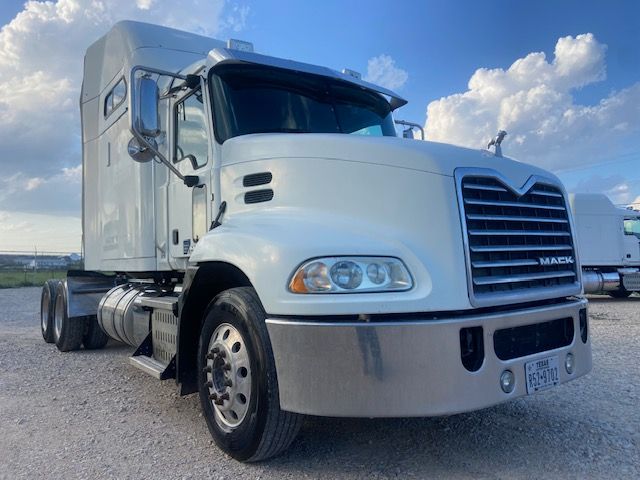
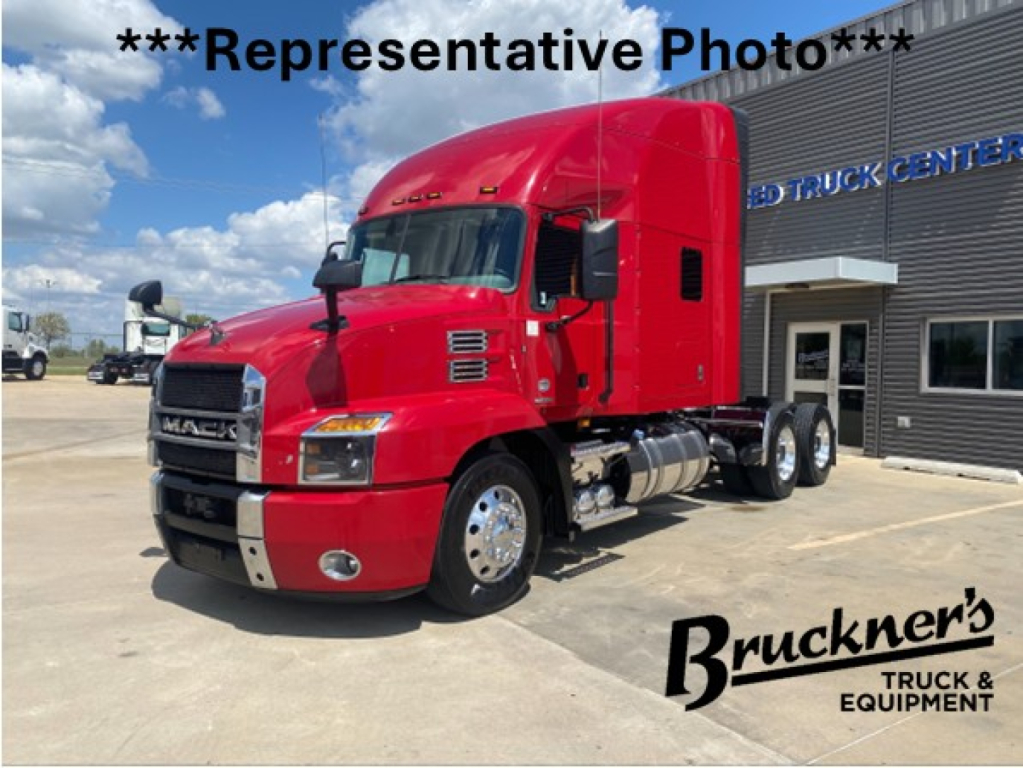
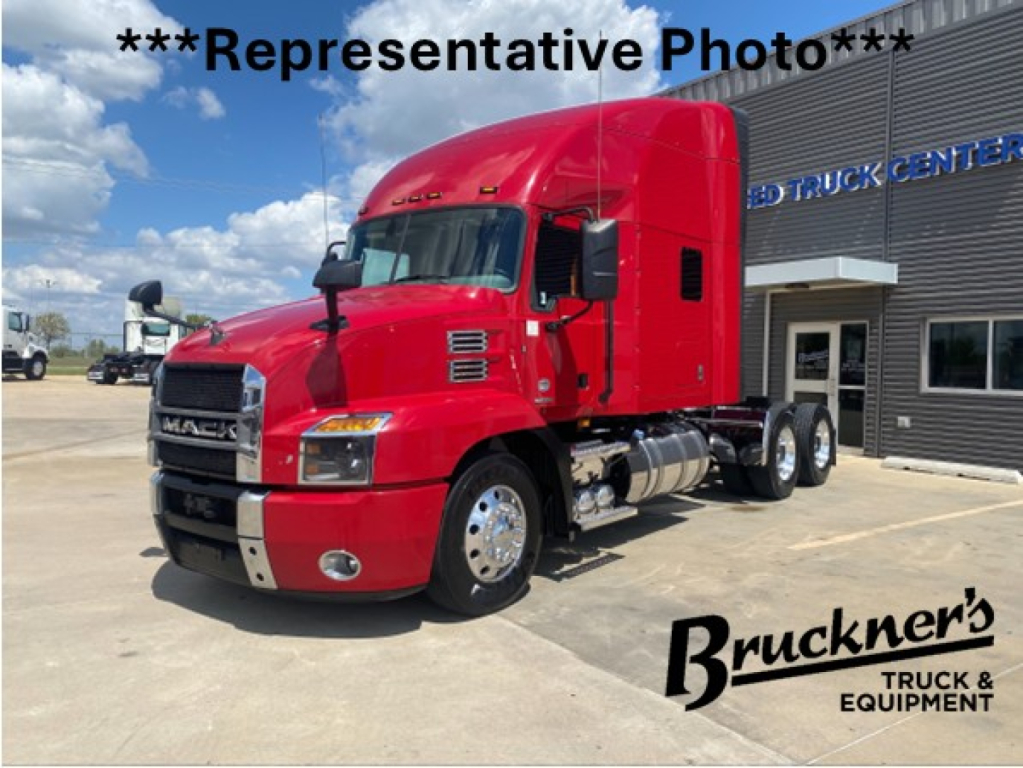
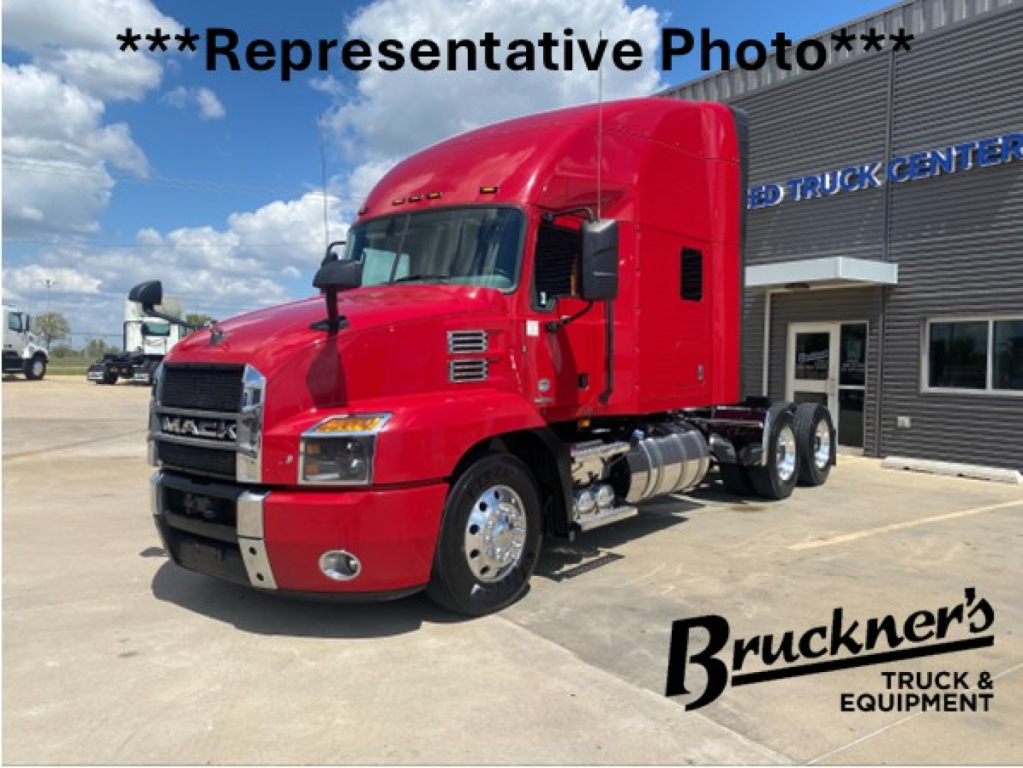
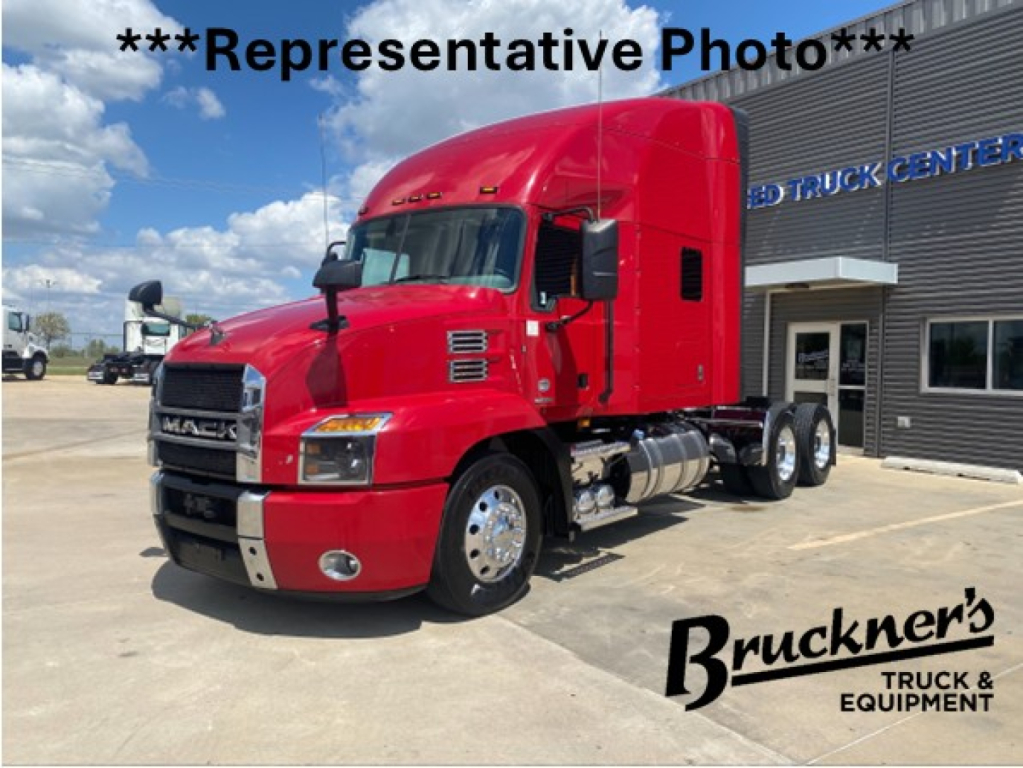
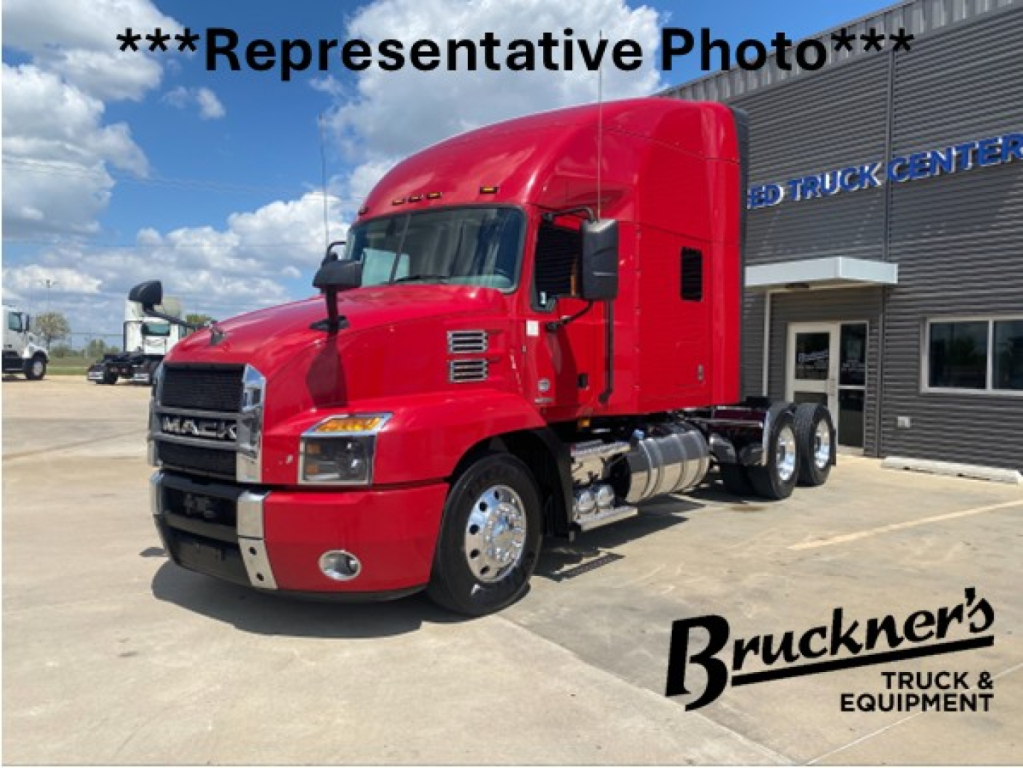
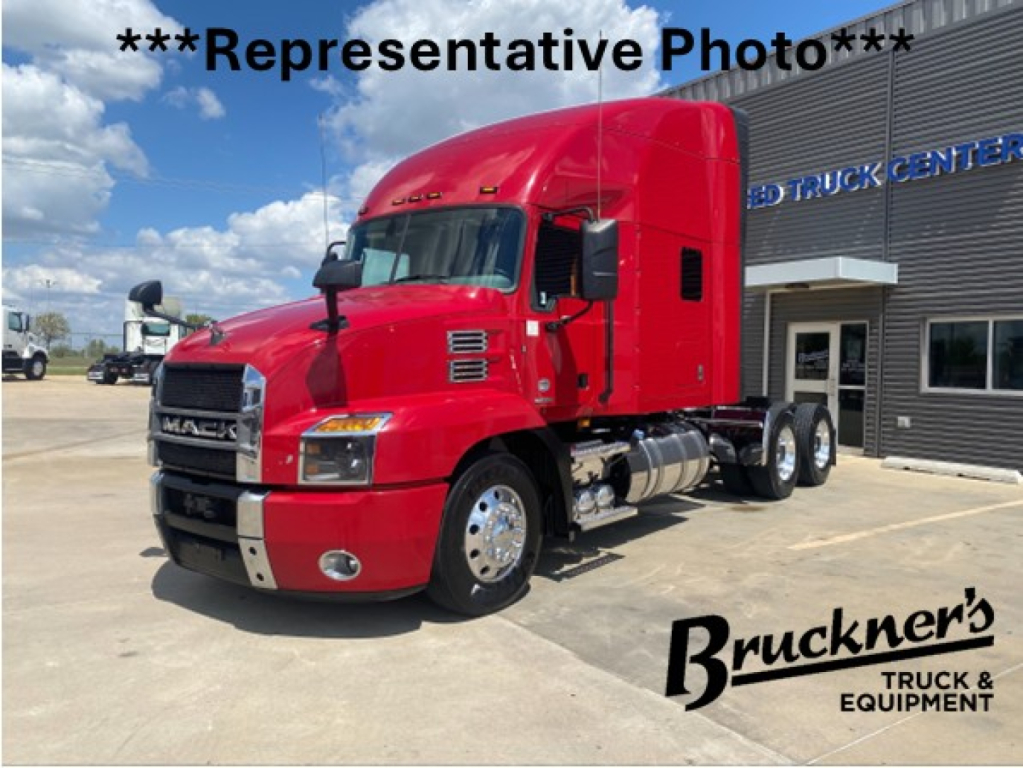
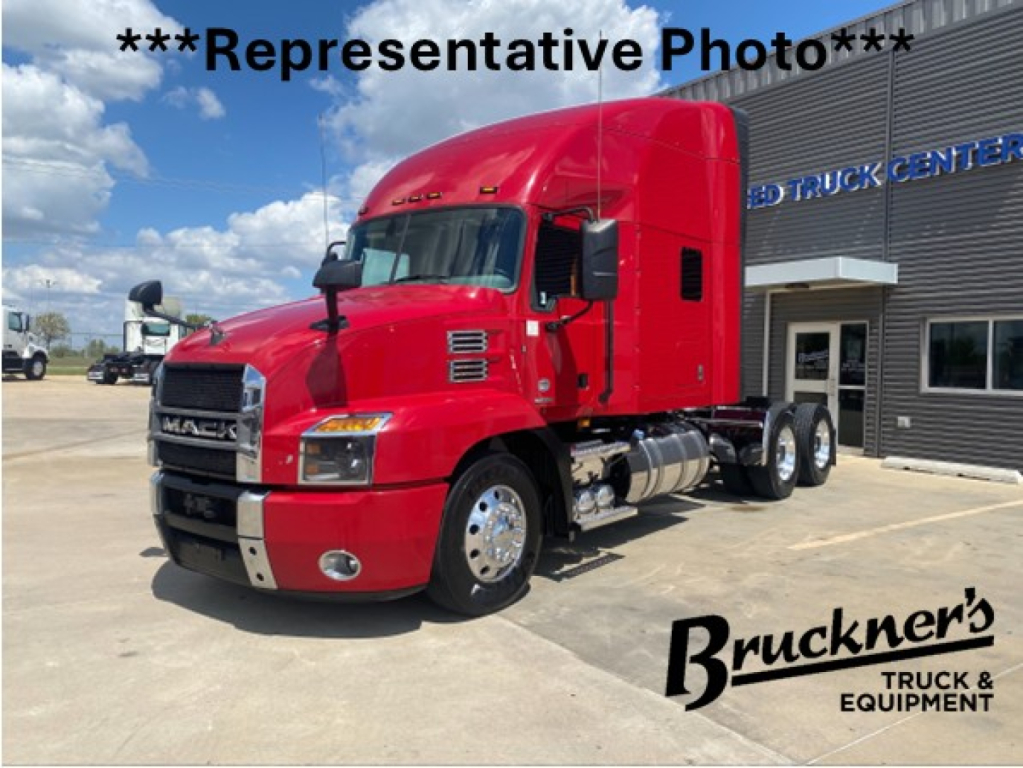
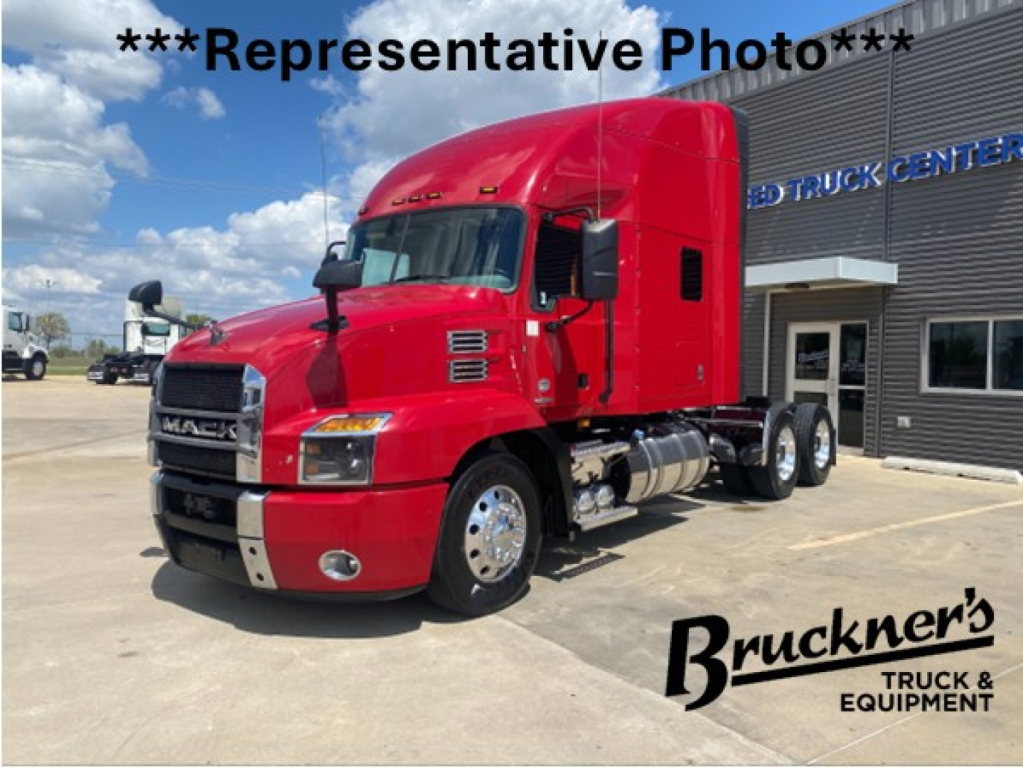
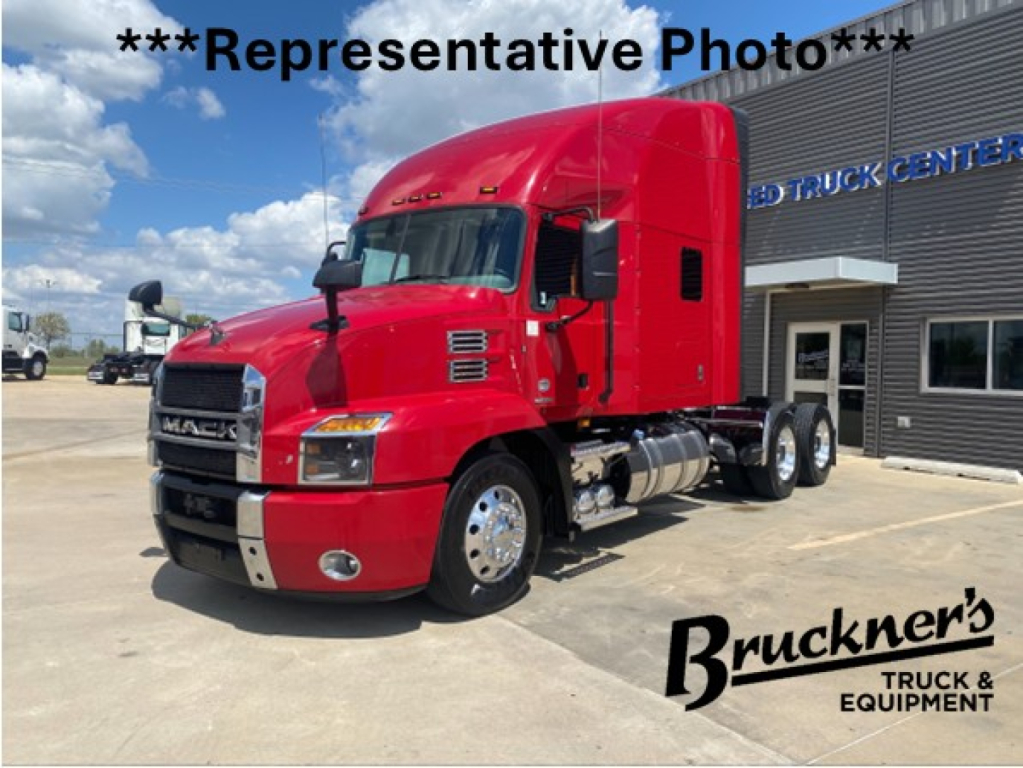
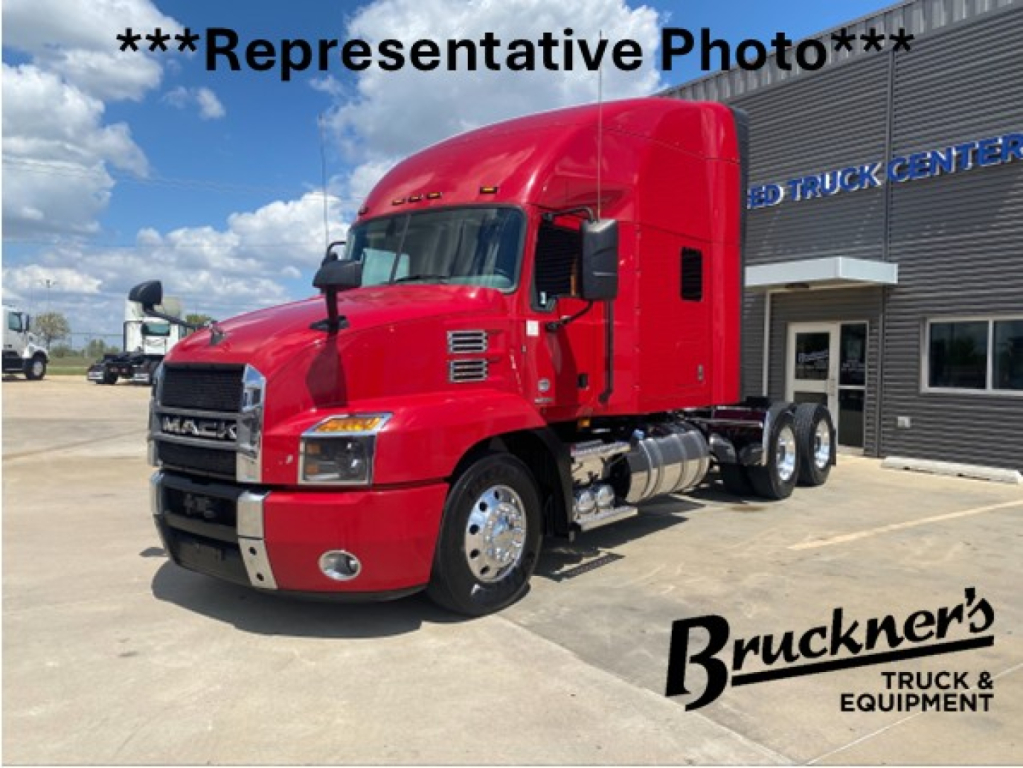
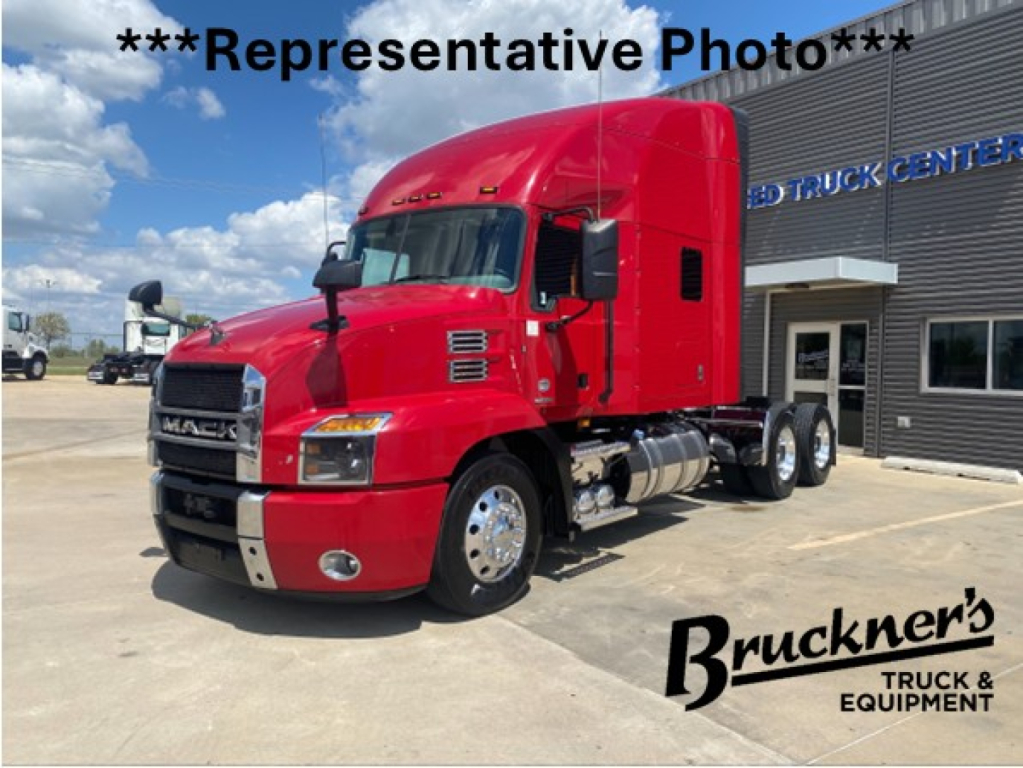
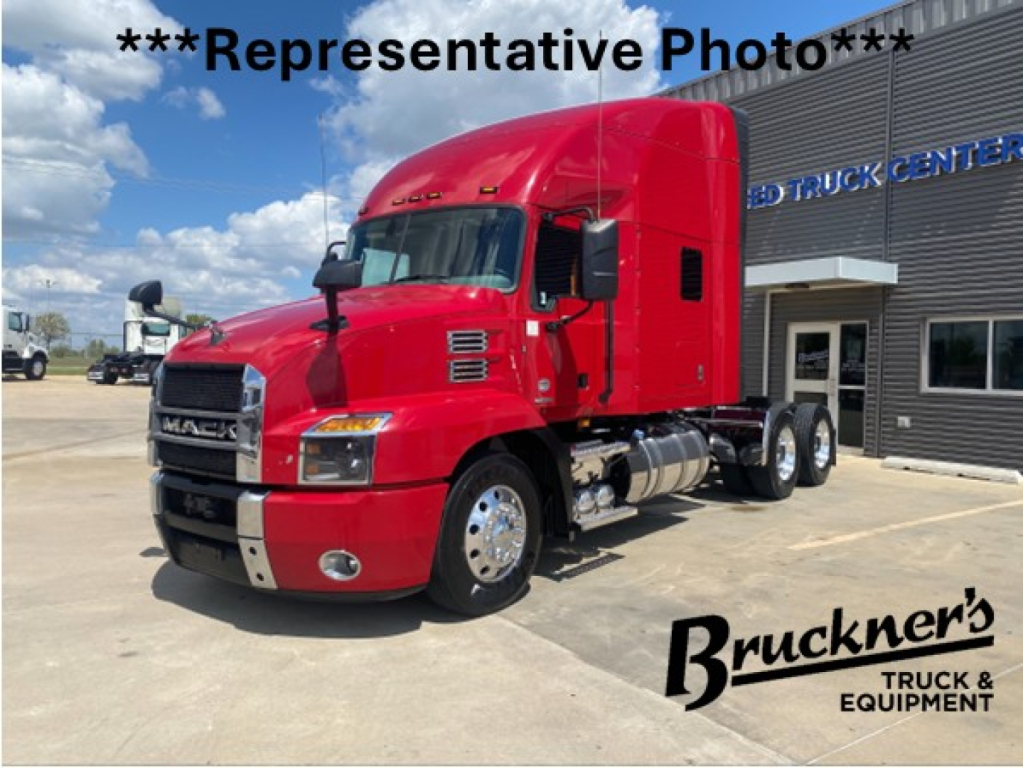
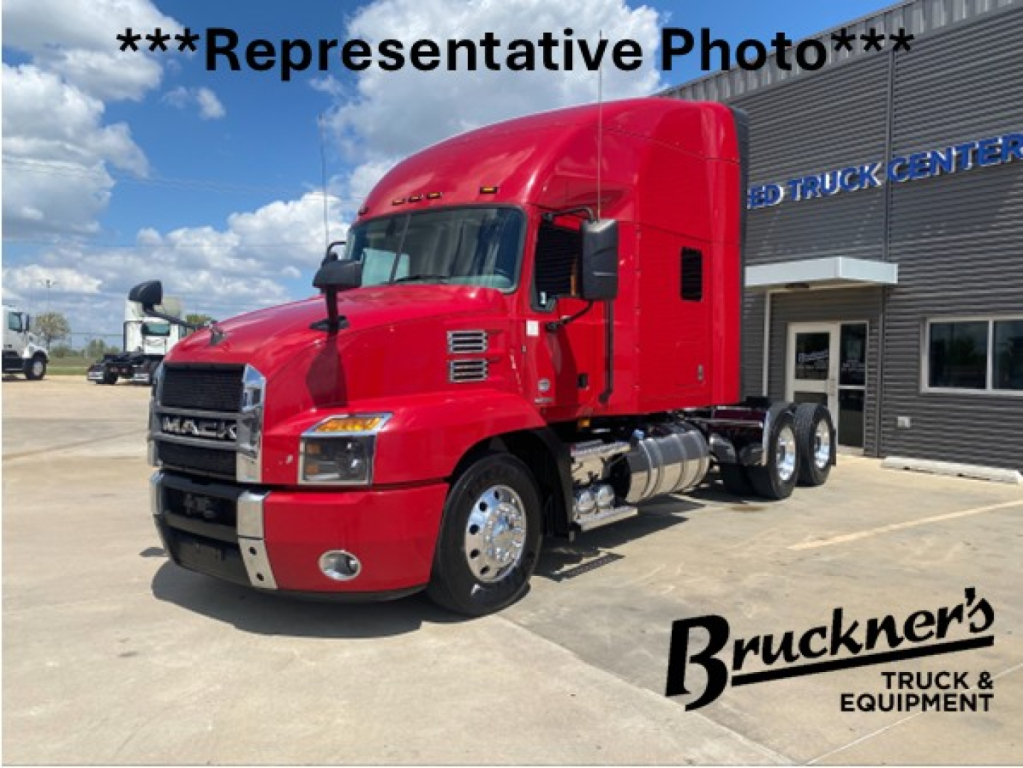
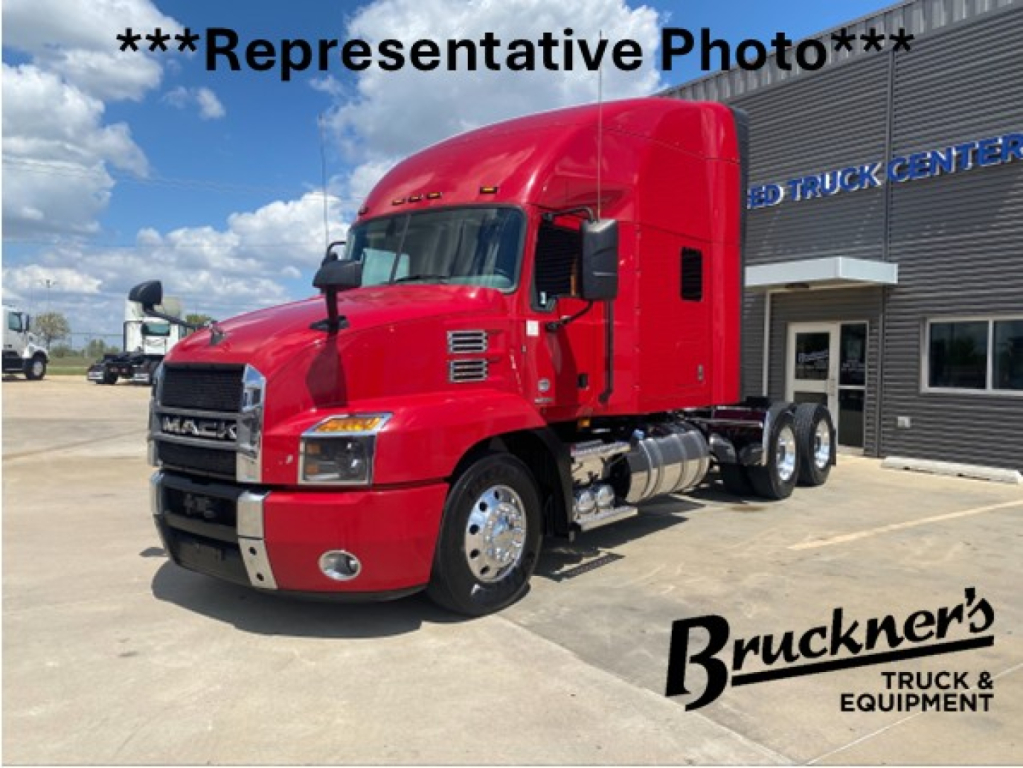
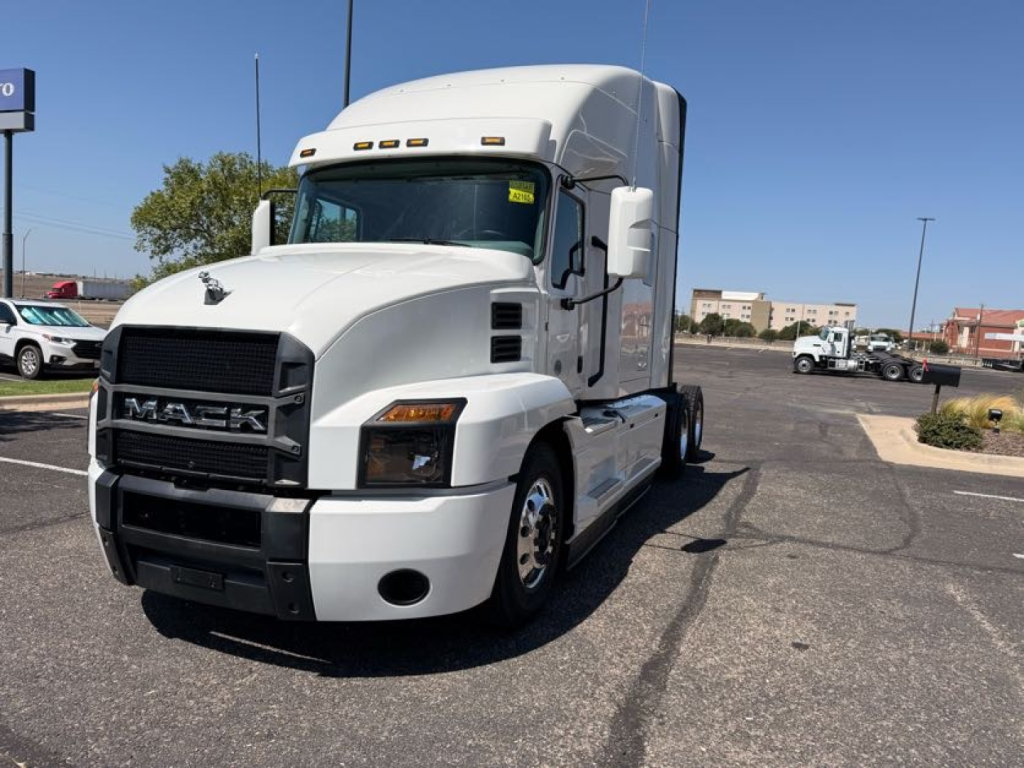
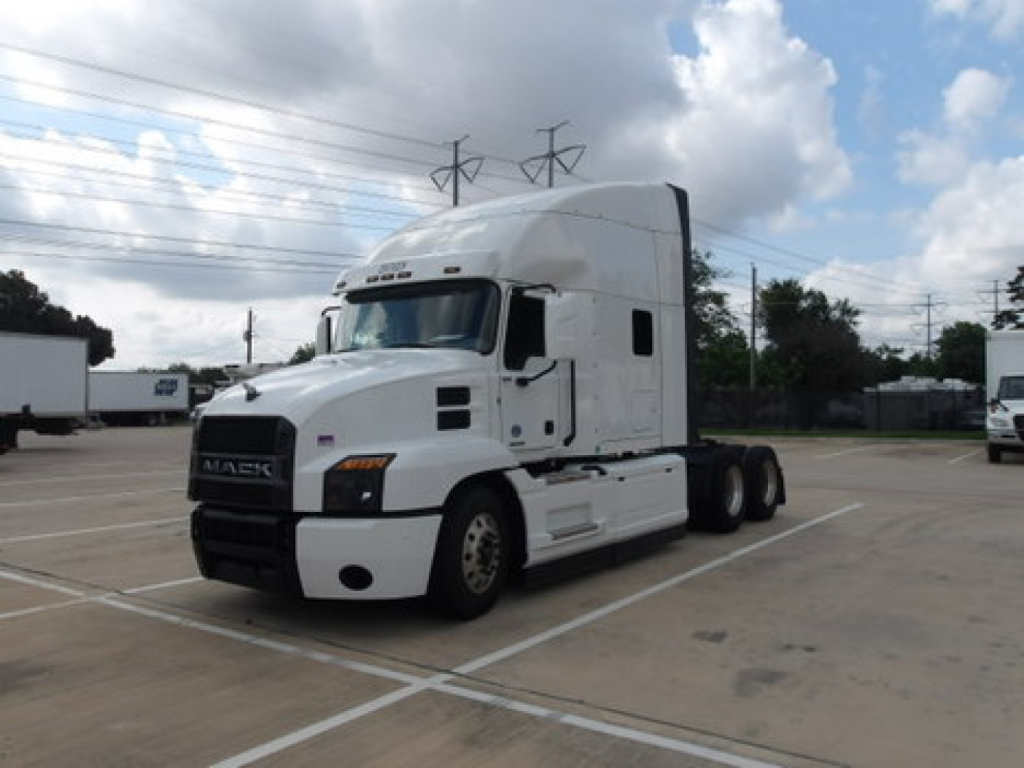
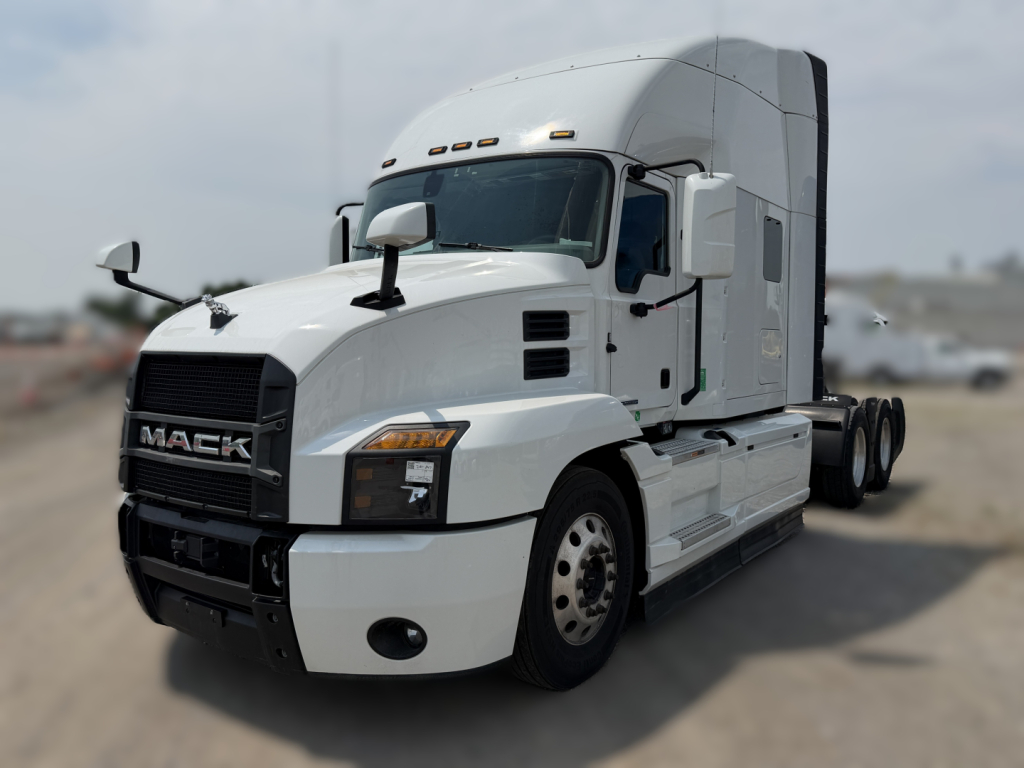
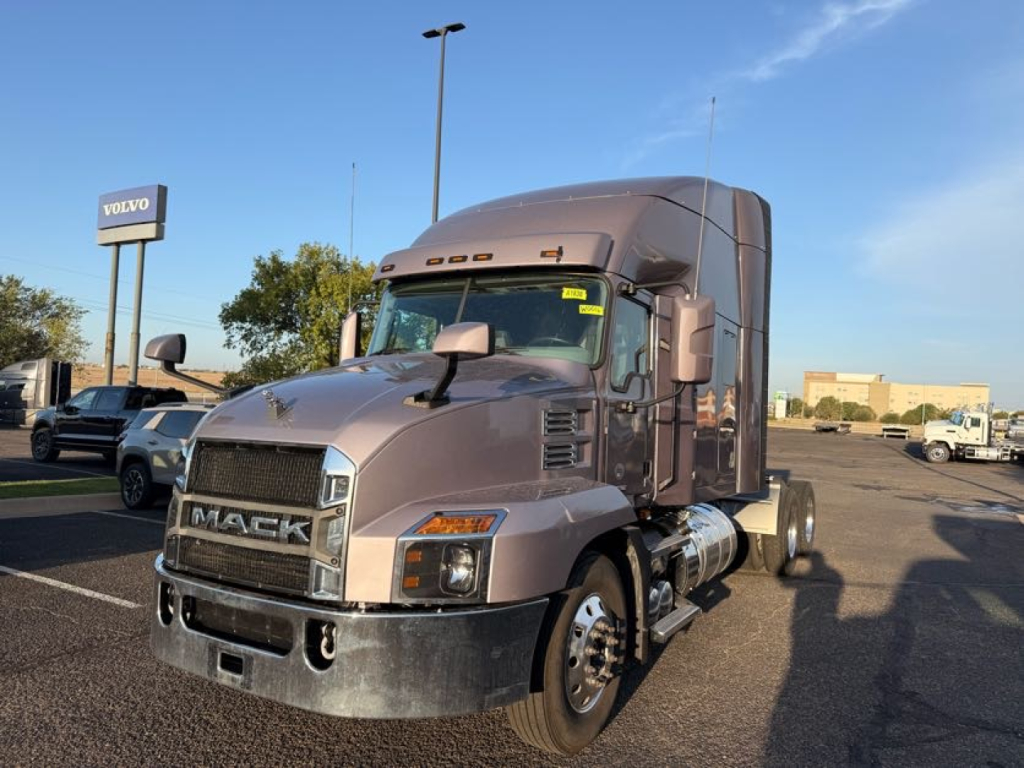
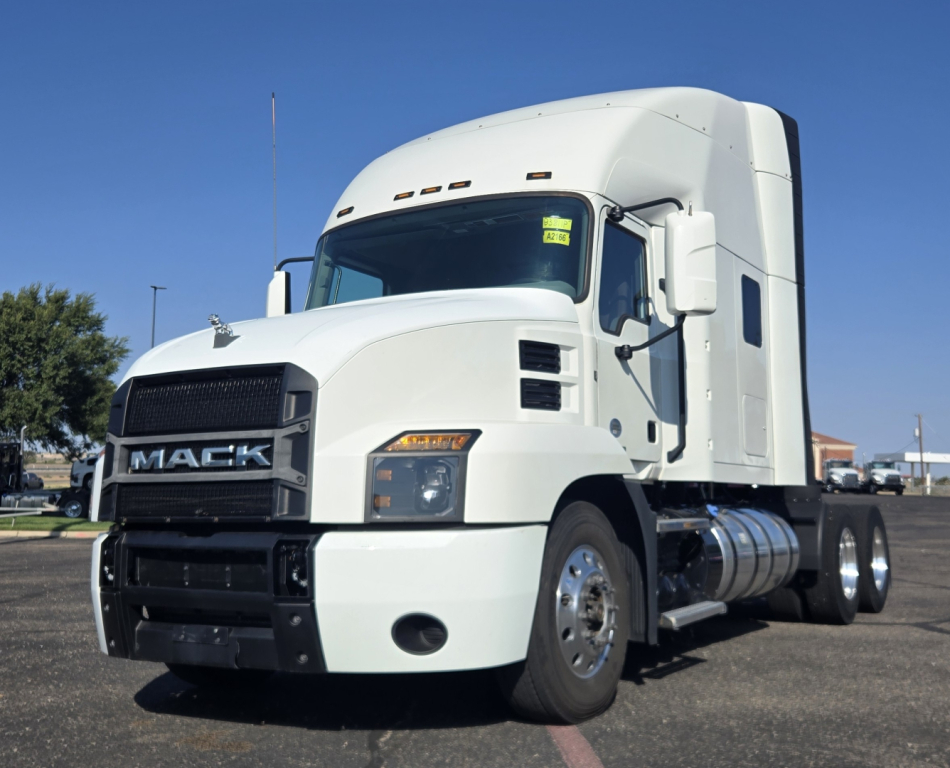
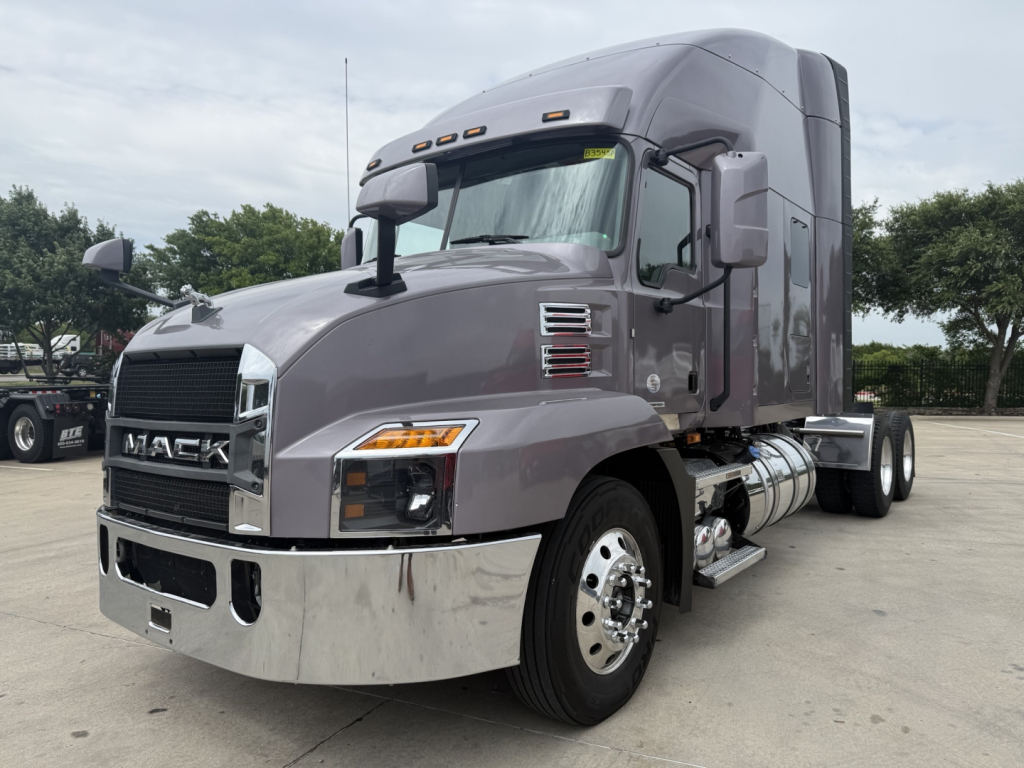
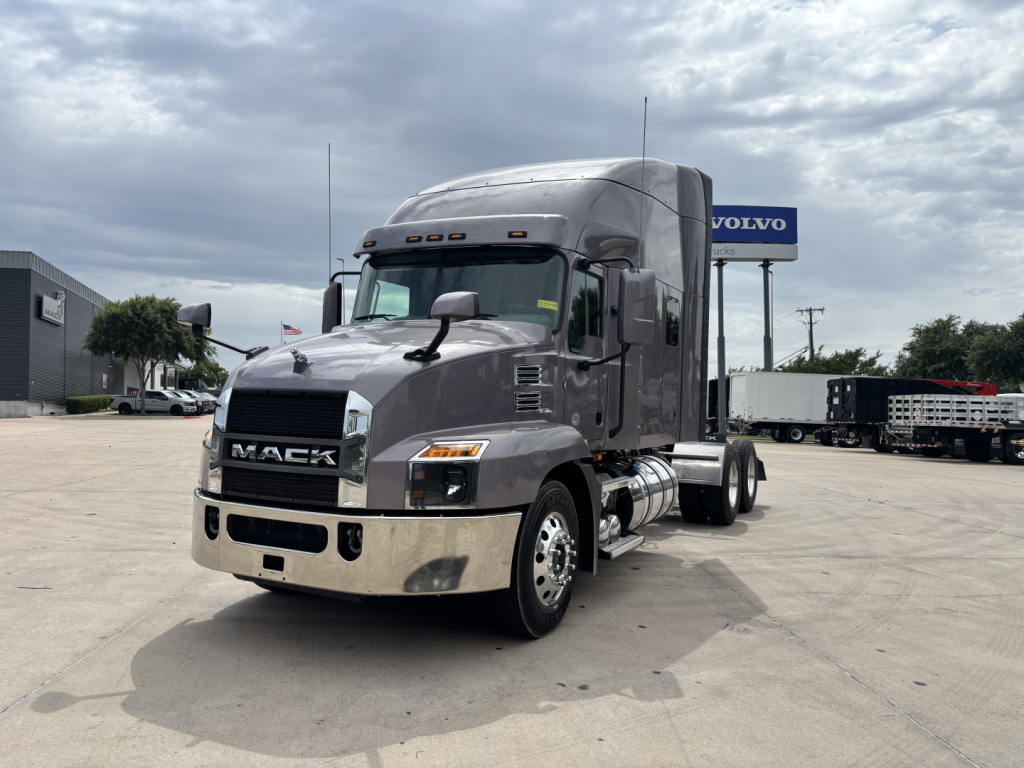
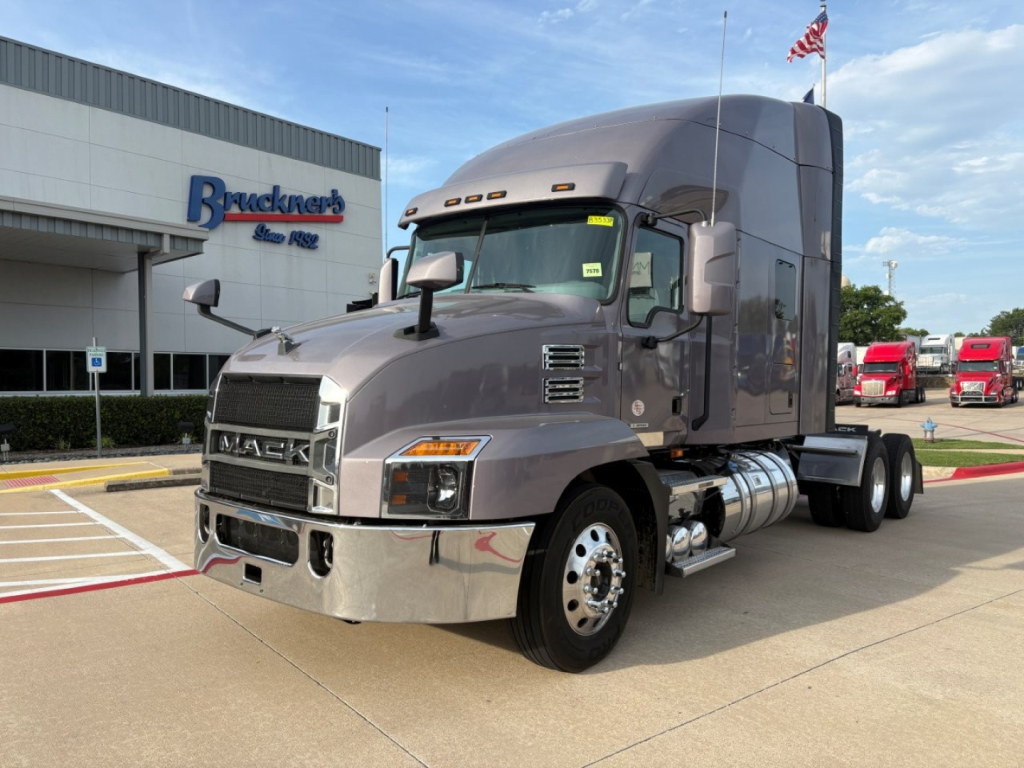

Selling a used mack conventional sleeper truck? List your used mack conventional sleeper truck for sale and reach thousands of commercial buyers.
Used Mack Conventional Sleeper Trucks in Texas
Wheelbase, sleeper size, and fuel capacity are the first decisions to sort out. A 70-inch sleeper is a practical benchmark for teams, extended trips, and fleets that want enough bunk and cabinet space without pushing wheelbase farther than necessary. Wheelbases in the 229-inch to 239-inch range are common on highway tractors with dual fuel tanks and fairings, and they usually leave room for a standard sliding fifth wheel and good tractor-trailer gap management. Buyers should also look closely at axle ratio, tire size, and transmission programming because those three items affect cruise RPM, startability, and how the truck feels in mixed terrain. A truck geared for flat interstate work can be very efficient in Texas, but it may feel tall if it is reassigned to heavier loads or hillier lanes.
Mack sleeper tractors are often cross-shopped against other aero conventionals because of the powertrain integration and parts support tied to the Volvo Group platform. That makes it important to confirm exactly what is under the hood and in the driveline on a used unit, especially if a listing has inconsistent model details. Verify the VIN, engine family, transmission model, wheelbase, suspension rating, and whether the truck has features such as a full fairing package, air-ride suspension, collision mitigation, lane departure warning, or an auxiliary power setup. Service history matters on late-model used sleepers. Focus on ECM reports, aftertreatment maintenance, software updates, clutch calibration on automated transmissions, and any records tied to injectors, EGR, DPF, or turbocharger work.
For fleet buyers and owner-operators, the best used Mack conventional sleeper is the one whose spec matches the freight. A lighter, aero linehaul spec can lower fuel cost and driver fatigue on dry van and reefer lanes. A higher-horsepower truck with the right gearing may be the better fit for heavier irregular-route work. In Texas, cooling performance, A/C output, and bunk HVAC condition deserve extra attention because heat exposure shows up fast in day cab and sleeper comfort complaints. Check cab mounts, bunk seals, fairings, driver seat wear, and the condition of the emission system before making a final comparison. A well-spec'd Mack sleeper tractor can be a strong long-haul platform when the drivetrain, sleeper package, and maintenance record all line up with the job.
Frequently Asked Questions about Used Mack Conventional Sleeper Trucks in Texas
What engine and transmission are common in used Mack conventional sleeper trucks?
Many used Mack conventional sleeper trucks, especially Anthem models, are equipped with a Mack MP8 engine in the 415 to 505 horsepower range and an automated manual transmission such as the mDRIVE. That combination is popular in highway service because it balances torque, fuel economy, and driver ease of use. Buyers should still verify the exact horsepower rating, torque setting, transmission gearing, and rear axle ratio because those details determine how the truck performs with different trailer types and gross weights.
What sleeper size is best for a Mack highway tractor in Texas?
A 70-inch sleeper is a common choice for Texas linehaul and long regional work because it gives drivers useful bunk space, storage, and better livability on extended runs. Smaller sleepers can work for shorter turns or slip-seat operations, but many buyers prefer the extra room for retention and comfort. The right choice depends on trip length, driver schedule, and wheelbase limits tied to the freight and trailer combination.
What should I inspect on a used Mack sleeper before buying?
Start with the powertrain and emissions system. Review engine hours, idle time, fault codes, DPF service records, and any repair history for the EGR system, turbocharger, injectors, or coolant leaks. On the chassis side, inspect suspension components, steering play, brake wear, tires, fifth wheel movement, frame condition, and fairing damage. Inside the cab and bunk, check HVAC performance, bunk seals, dash electronics, seat condition, and signs of hard fleet use. A VIN-based spec sheet and ECM report help confirm that the truck matches the listing.
Are used Mack conventional sleepers good for fuel economy?
Yes, many Mack conventional sleeper trucks are spec'd for fuel-efficient highway work, especially aerodynamic Anthem tractors with tall overdrive gearing and lower numerical axle ratios. Fuel economy depends heavily on the full spec, including horsepower, transmission programming, rear axle ratio, tire size, cruise speed, and trailer match. A truck set up for 65 to 70 mph interstate operation will usually return better fuel results than one geared for heavier loads or more stop-and-go service.
How important is axle ratio on a used Mack sleeper tractor?
Axle ratio is one of the most important spec points because it affects launch performance, hill-climbing ability, cruise RPM, and fuel consumption. Ratios like 3.08 are common on linehaul tractors and can work well on Texas highway lanes with moderate weights and steady speeds. Buyers hauling heavier freight, running more secondary roads, or operating in steeper terrain may prefer a different ratio to improve startability and reduce strain on the driveline.