
Used Volvo Conventional Sleeper Trucks For Sale in Texas
Shop used Volvo conventional sleeper trucks in Texas. Compare VNL and VNR specs, sleeper sizes, D11/D13 power, I-Shift drivetrains, and layouts.
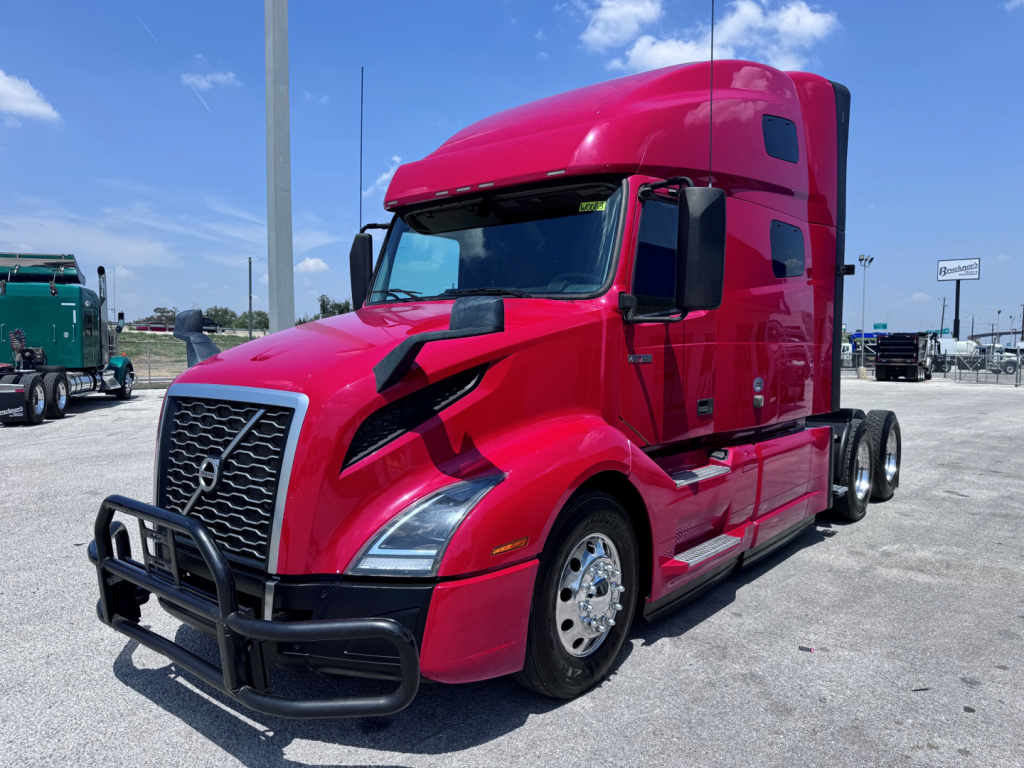
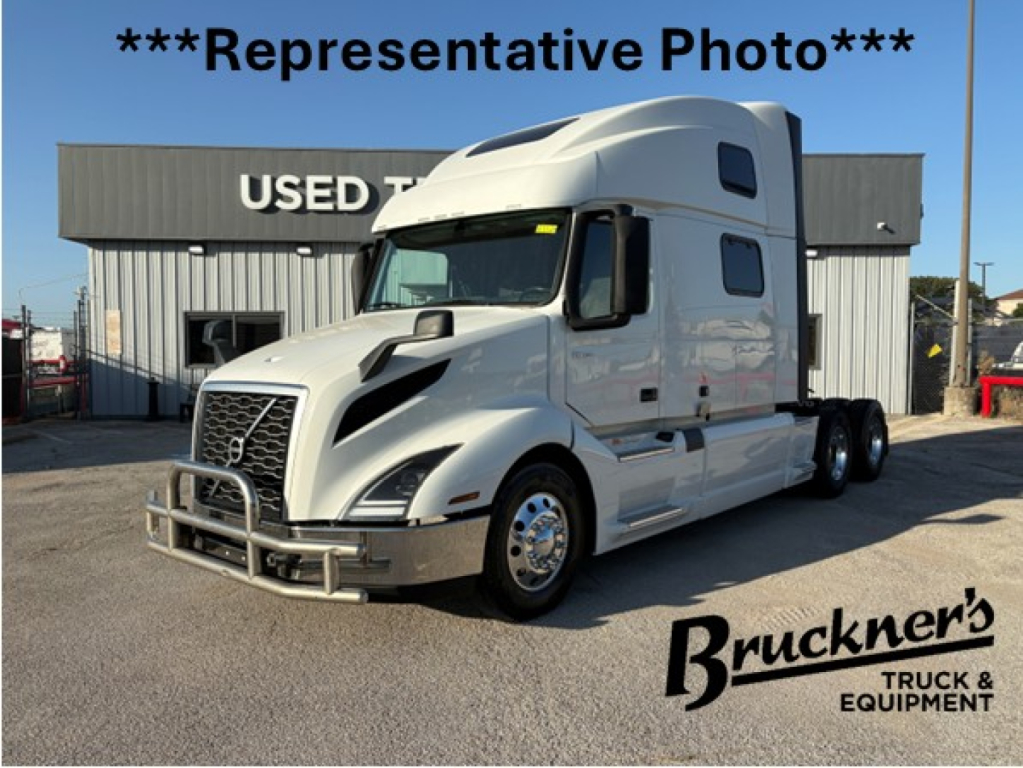
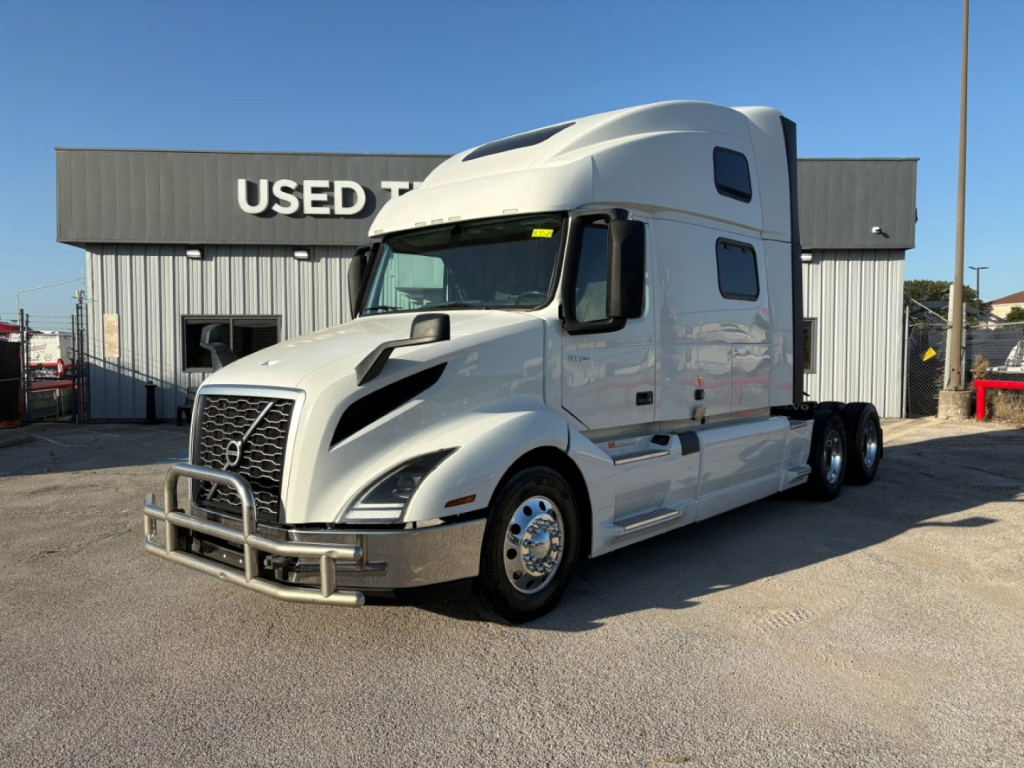
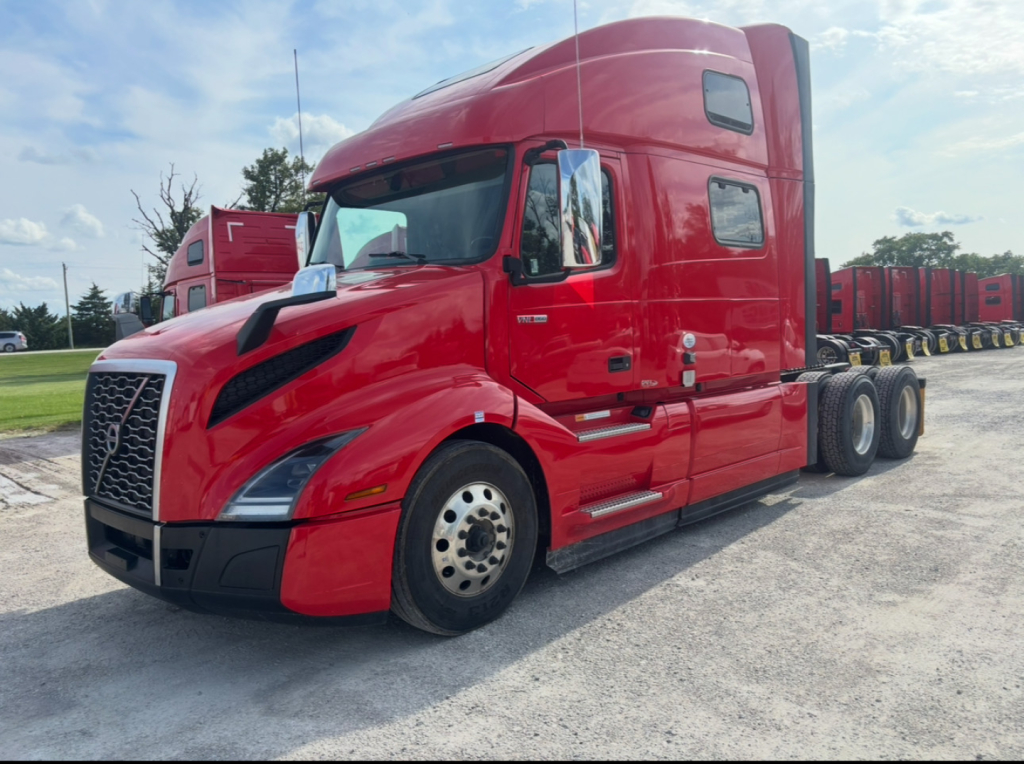
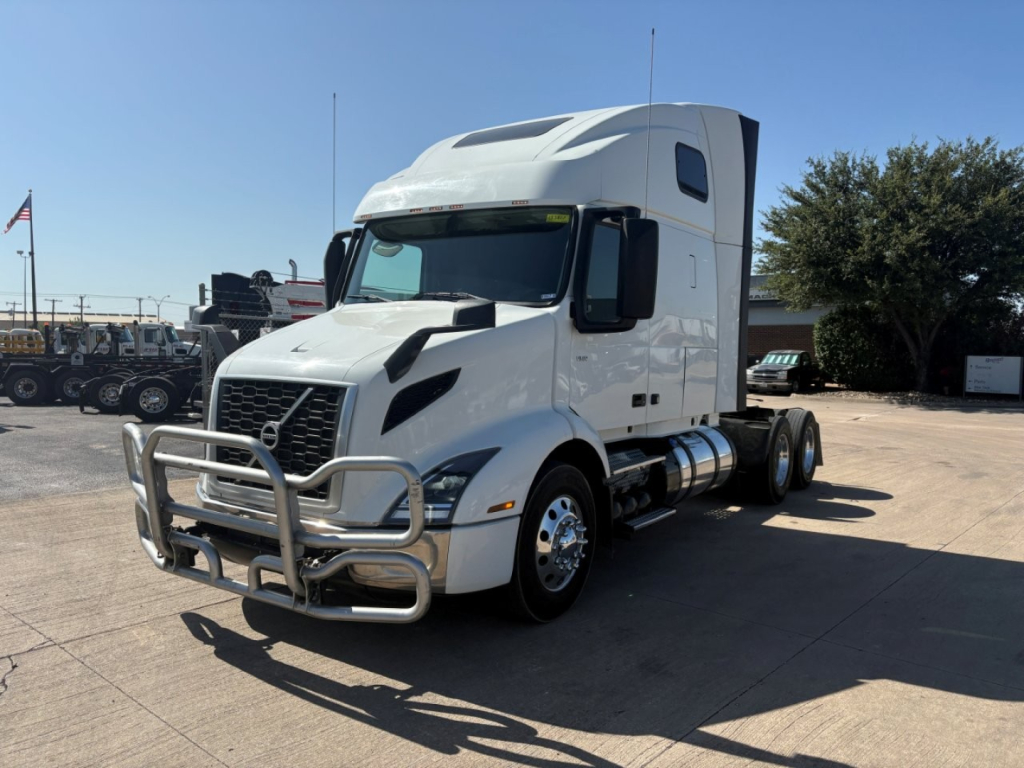
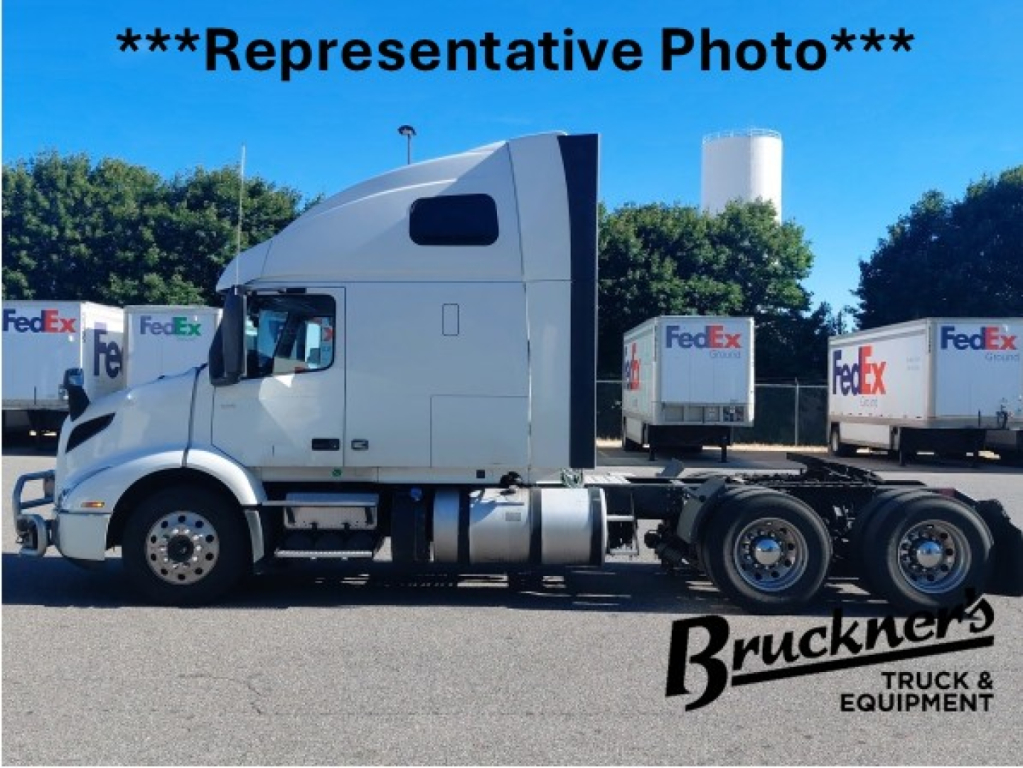
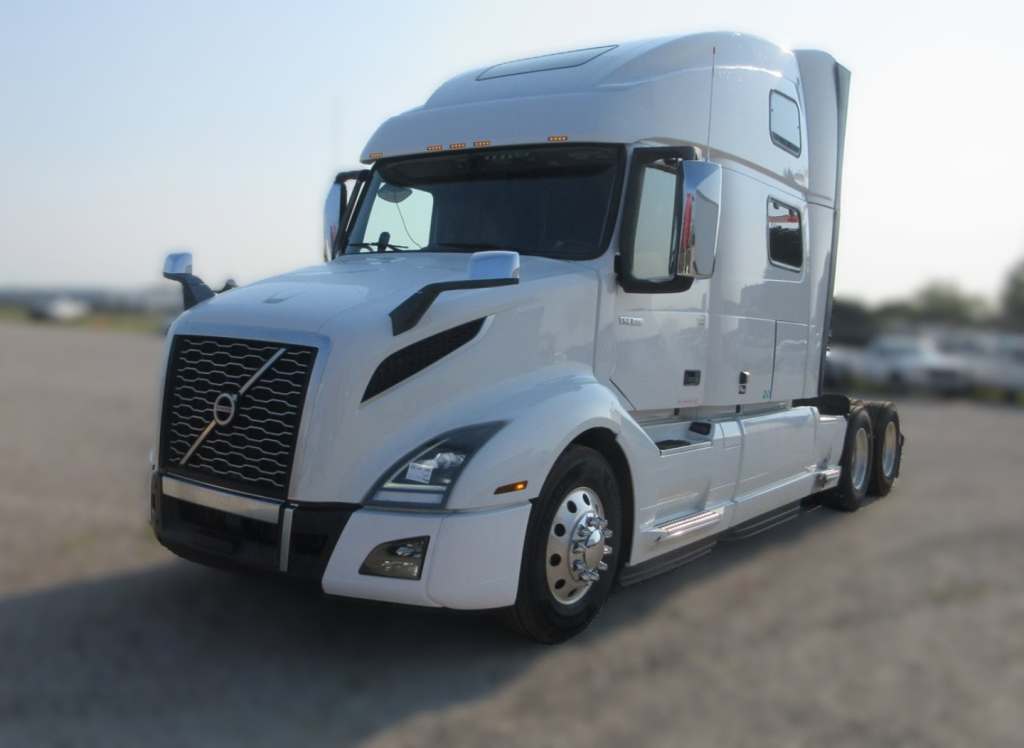
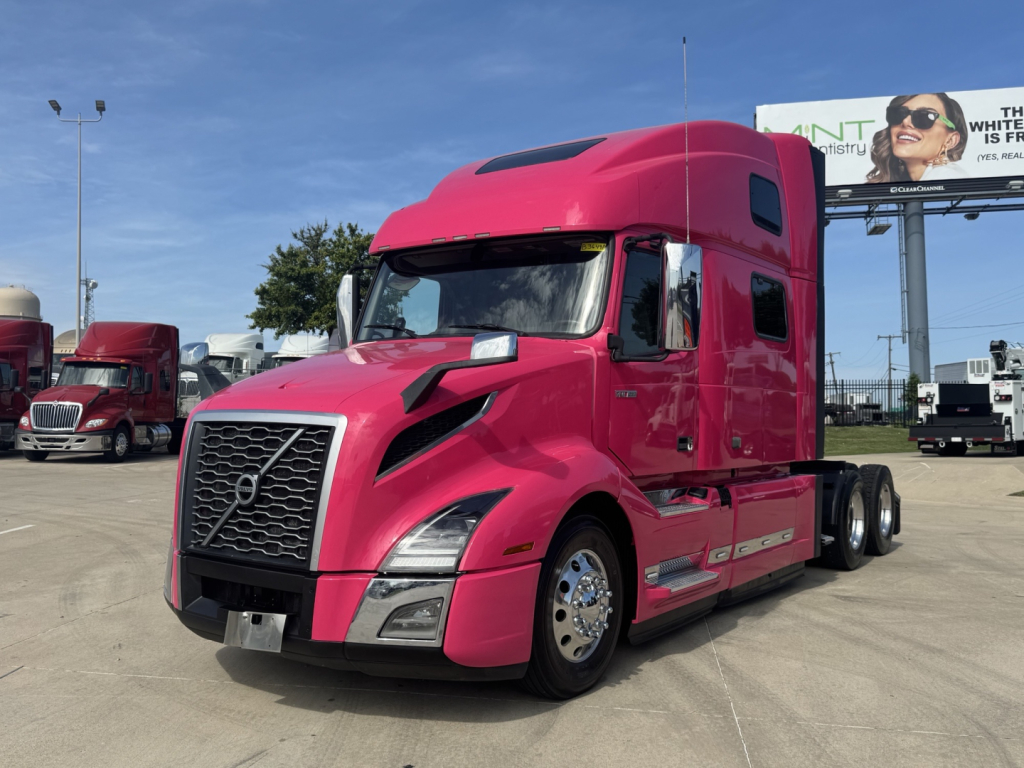
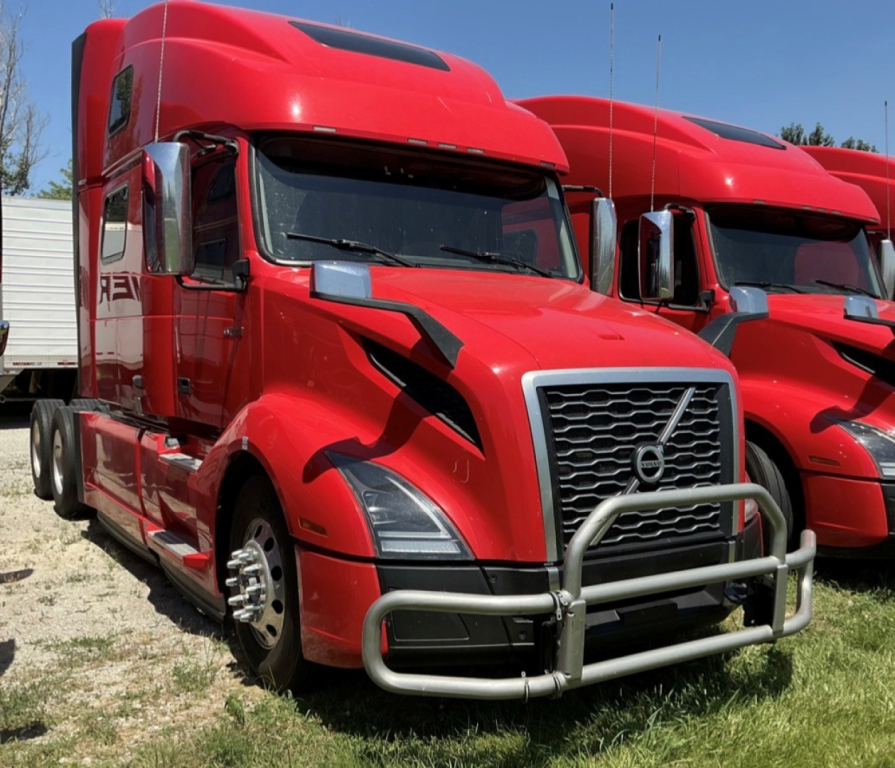
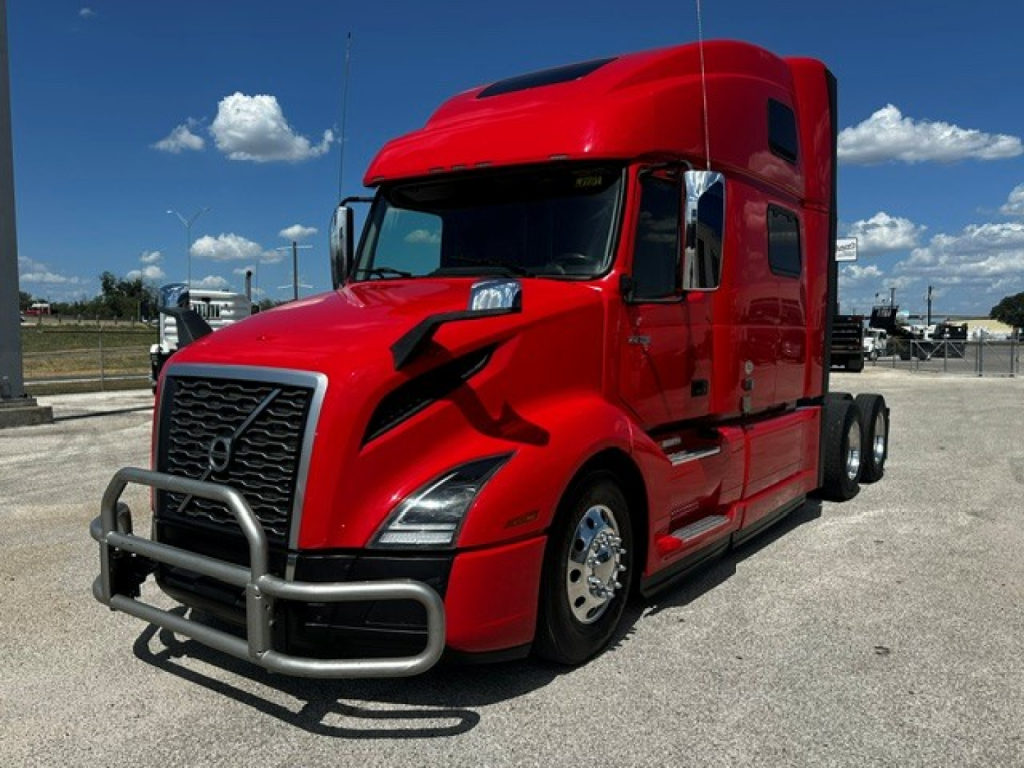
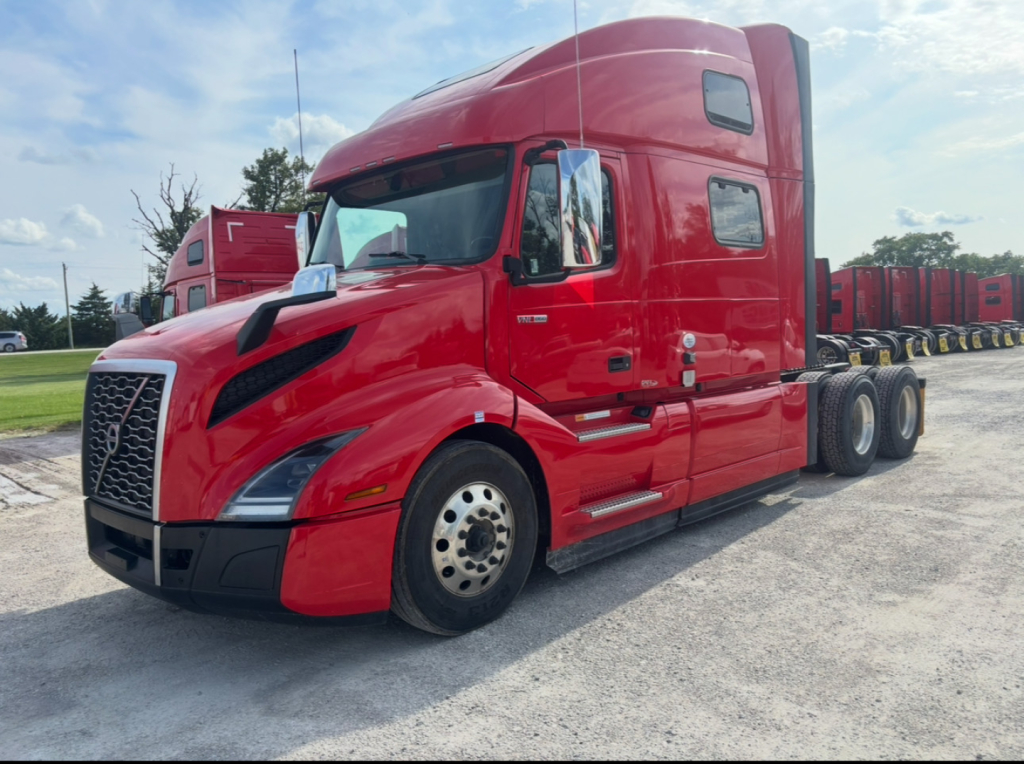
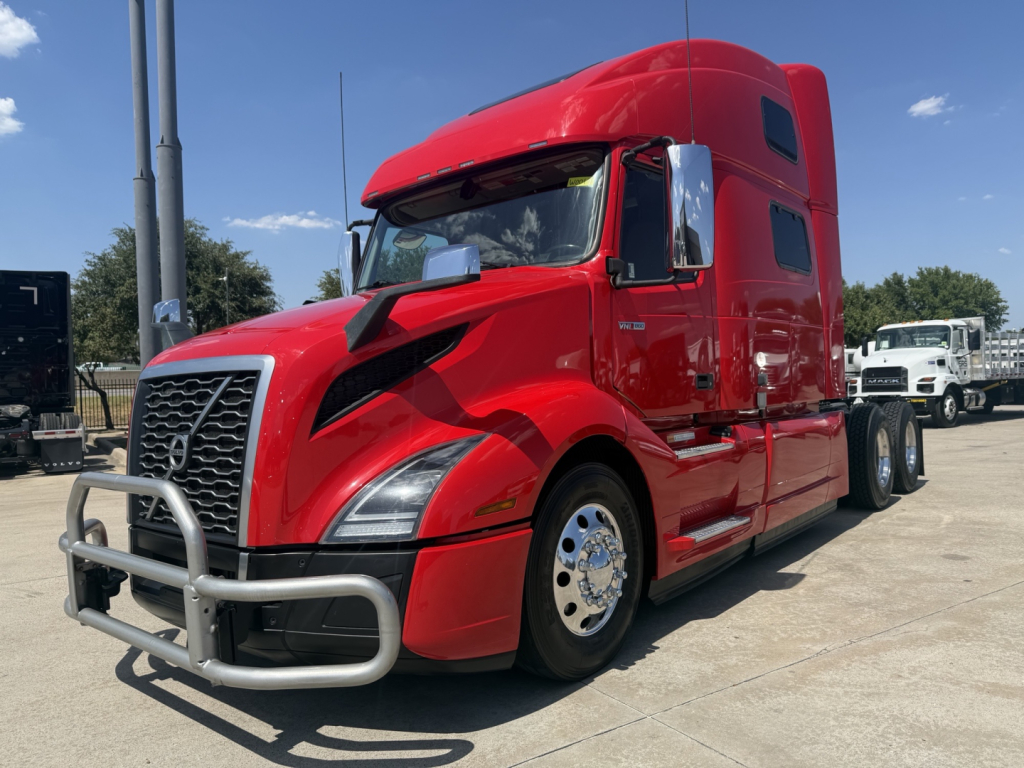
Selling a used volvo conventional sleeper truck? List your used volvo conventional sleeper truck for sale and reach thousands of commercial buyers.
Used Volvo Conventional Sleeper Trucks in Texas
Powertrain spec matters more than almost any cosmetic difference on a used Volvo sleeper. Many trucks in this class are equipped with Volvo D13 engines in the 425 to 455 horsepower range, often paired with the Volvo I-Shift automated transmission. That combination is popular for good reason: it delivers strong drivability, helps with fuel economy, and is widely accepted in fleet and owner-operator applications. Some used units may carry a D11 for lighter regional work, while older trucks can show up with Cummins power and a manual 10-speed. Buyers should look closely at rear axle ratio, GCWR needs, and transmission model because a 2.64 or 3.25 ratio can change how the truck performs on Texas highway speeds, in heavier gross weights, or in stop-and-go regional service. It is also common to see 6x4 tandem configurations, 40,000-lb rears, air ride suspension, air slide fifth wheels, and disc or drum brake setups depending on year and original fleet spec.
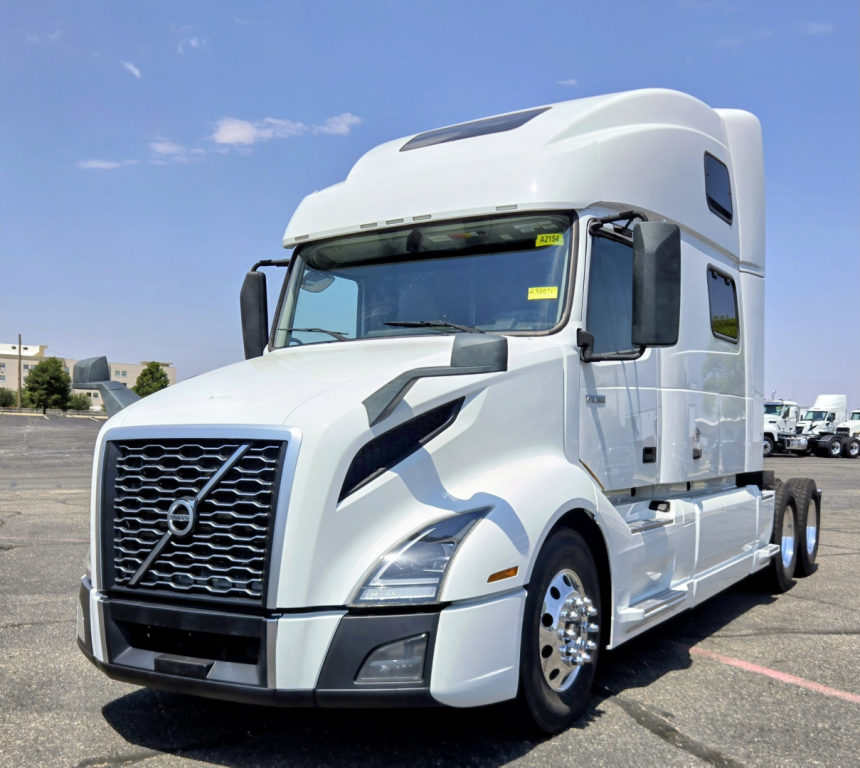
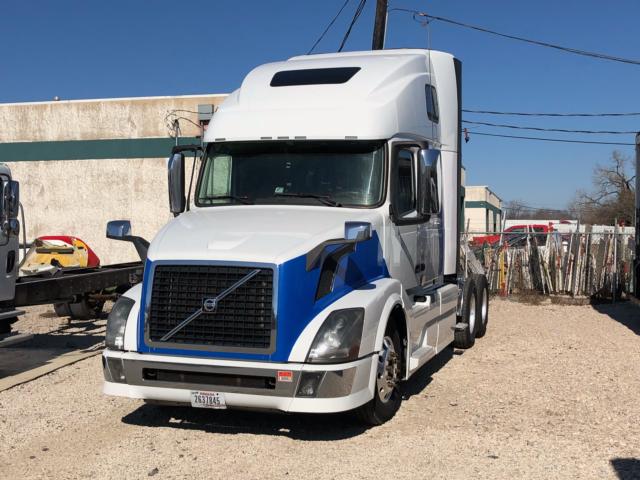
Sleeper configuration should match the route, not just the badge on the hood. A VNL 670 or 760 often suits solo over-the-road freight with a practical compromise between maneuverability and living space, while a VNL 860 gives more room for teams or drivers spending extended time out. Common features in this category include upper bunks, dual aluminum fuel tanks, side fairings, cab extenders, low-profile 22.5 tires, and aerodynamic trim that helps on fuel-sensitive lanes. In Texas, fuel capacity, APU readiness, HVAC performance, and fairing condition deserve extra attention because these trucks may spend long hours in heat, crosswinds, and high-mileage service. Interior wear, bunk hardware, dash electronics, and steering wheel controls can also tell you a lot about how hard a truck was used and how well it was maintained.
A used Volvo conventional sleeper should be evaluated as a total operating package, not just by model year or sleeper size. Service history on the engine, aftertreatment system, transmission calibration, and suspension components is critical. Check for known wear items such as DPF and SCR service intervals, clutch and actuator performance on I-Shift units, tire wear patterns, and signs of alignment or ride-height issues. If the truck has a wet kit, that can add value for certain vocational or specialized trailer applications. Buyers running Texas freight should also consider axle ratio against average cruise speed, bunk size against dispatch pattern, and wheelbase against terminal access and trailer mix. A well-matched Volvo sleeper can deliver a comfortable cab, efficient highway performance, and the kind of spec consistency that makes resale and fleet standardization easier.
Frequently Asked Questions about Used Volvo Conventional Sleeper Trucks in Texas
What is the difference between a Volvo VNL and a Volvo VNR sleeper truck?
The Volvo VNL is generally the highway and long-haul sleeper platform, built for maximum aerodynamics, ride quality, and driver comfort on extended trips. The Volvo VNR is more regional in design, with a tighter overall package that works well in shorter-haul operations, urban distribution, and dedicated routes that still require a sleeper. For a buyer, the choice usually comes down to lane length, maneuverability needs, sleeper space, and how much of the truck’s life will be spent on interstate miles versus city and regional work.
Is the Volvo D13 with I-Shift a good setup in a used sleeper truck?
Yes, the Volvo D13 paired with the I-Shift automated transmission is one of the most common and proven configurations in used Volvo sleeper trucks. It is popular because it combines solid horsepower for highway freight with efficient shift logic and generally strong fuel economy when properly maintained. The most important buying factors are service records, software and calibration history, clutch and actuator condition, and whether the axle ratio matches your load profile and cruising speeds.
Which Volvo sleeper size is best for over-the-road use?
For many over-the-road applications, the VNL 760 is a practical middle ground because it offers substantial living space without the larger footprint of the biggest sleepers. A VNL 670 can still work well for solo drivers and fleets that want a lighter, simpler package, while a VNL 860 is better suited to team operations or long periods away from home. The right answer depends on bunk needs, storage requirements, wheelbase limits, and the type of freight network the truck will cover.
What should I inspect first on a used Volvo sleeper in Texas?
Start with the powertrain and operating history. Engine hours, fault code history, aftertreatment service, transmission behavior, suspension wear, and tire condition tell you more than appearance alone. In Texas, cooling system performance, air conditioning function, and fairing condition are especially important because heat and long highway miles can expose weak points quickly. It is also smart to inspect bunk condition, fuel tank capacity, and the fifth wheel setup to make sure the truck matches your route and trailer requirements.
Are Volvo conventional sleeper trucks good for fuel economy?
Volvo conventional sleeper trucks are widely recognized for competitive fuel economy, especially in aerodynamic VNL configurations with the D13 engine and I-Shift transmission. Actual results depend heavily on axle ratio, tire spec, idle time, average gross weight, and how complete the aerodynamic package remains on a used truck. Fairings, cab extenders, ride height, and even wheel and tire setup can affect fuel performance, so buyers should look beyond the basic model name and review the full spec.