
Used Freightliner Conventional Sleeper Trucks For Sale in Texas
Shop used Freightliner conventional sleeper trucks in Texas. Compare Cascadia specs, sleeper sizes, Detroit power, and long-haul features.
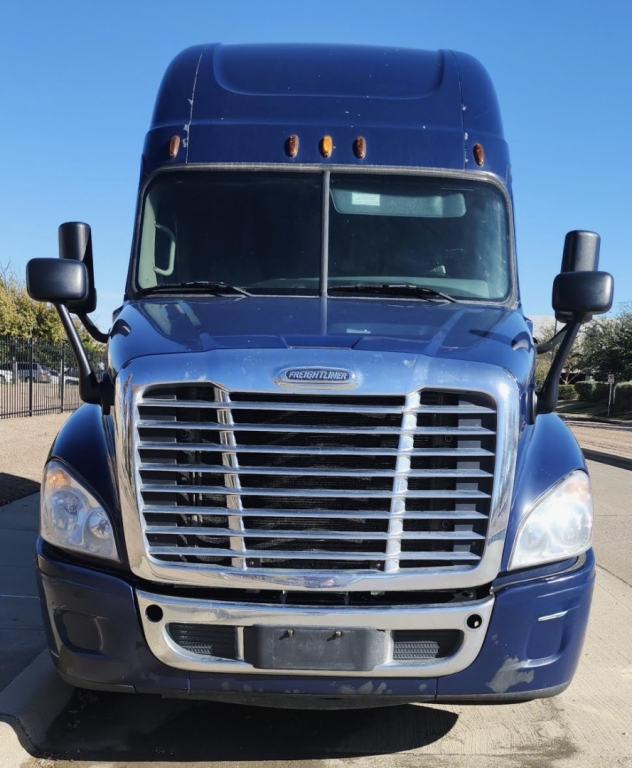
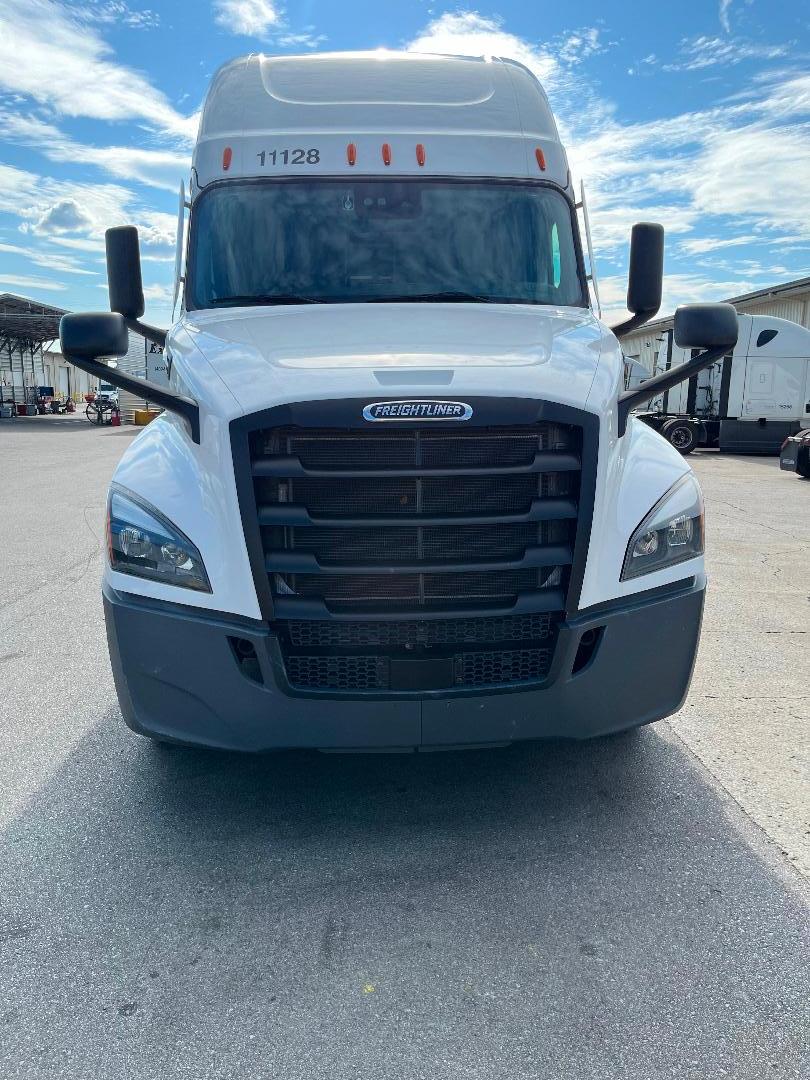
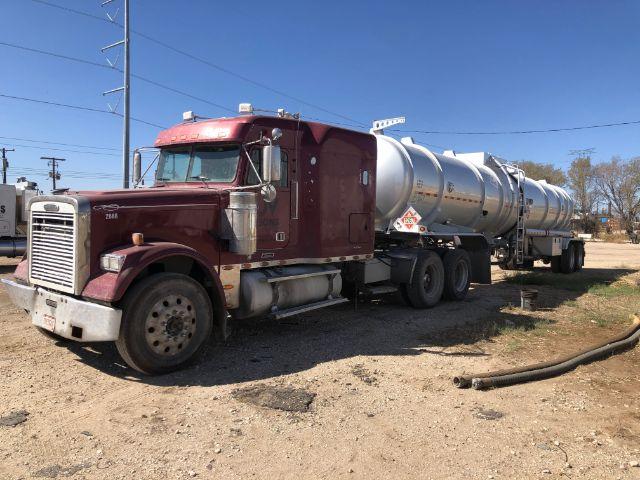
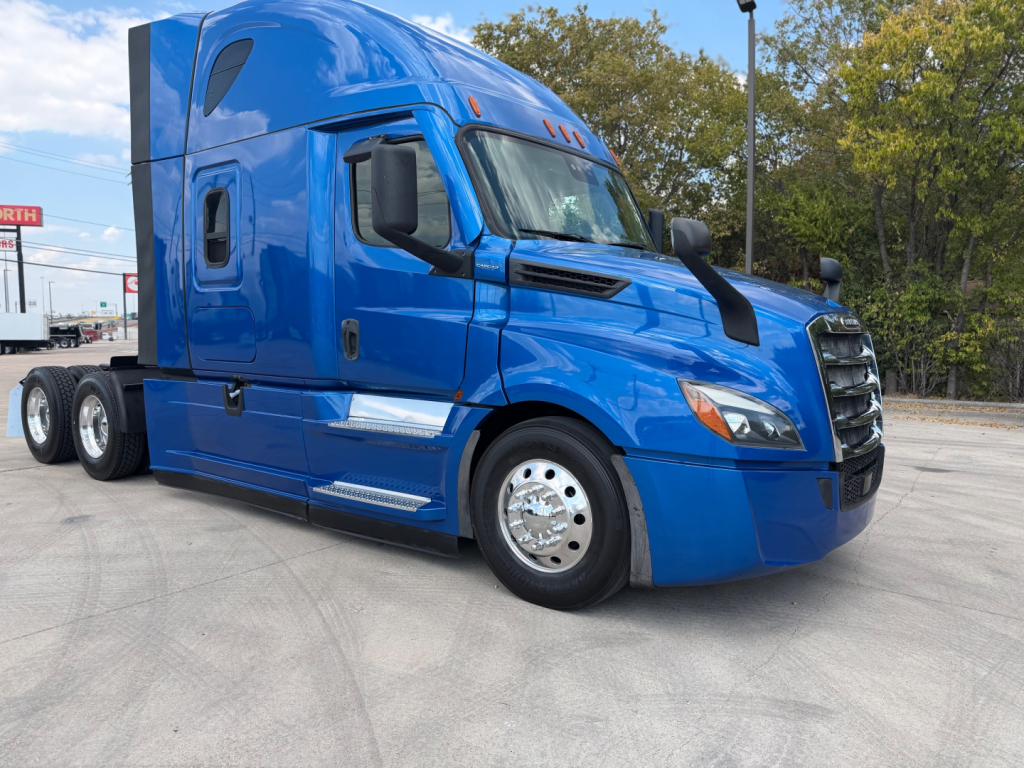
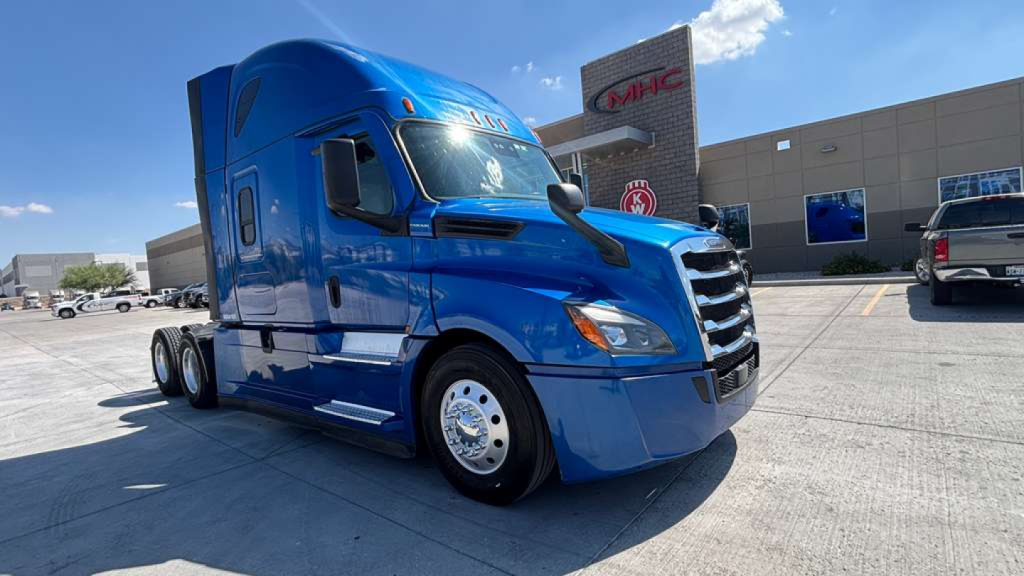
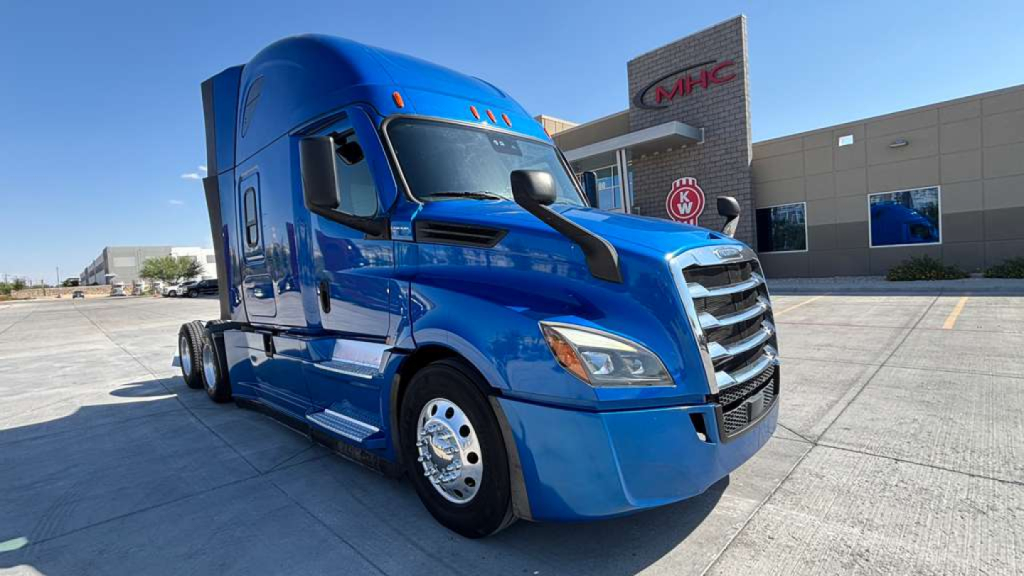
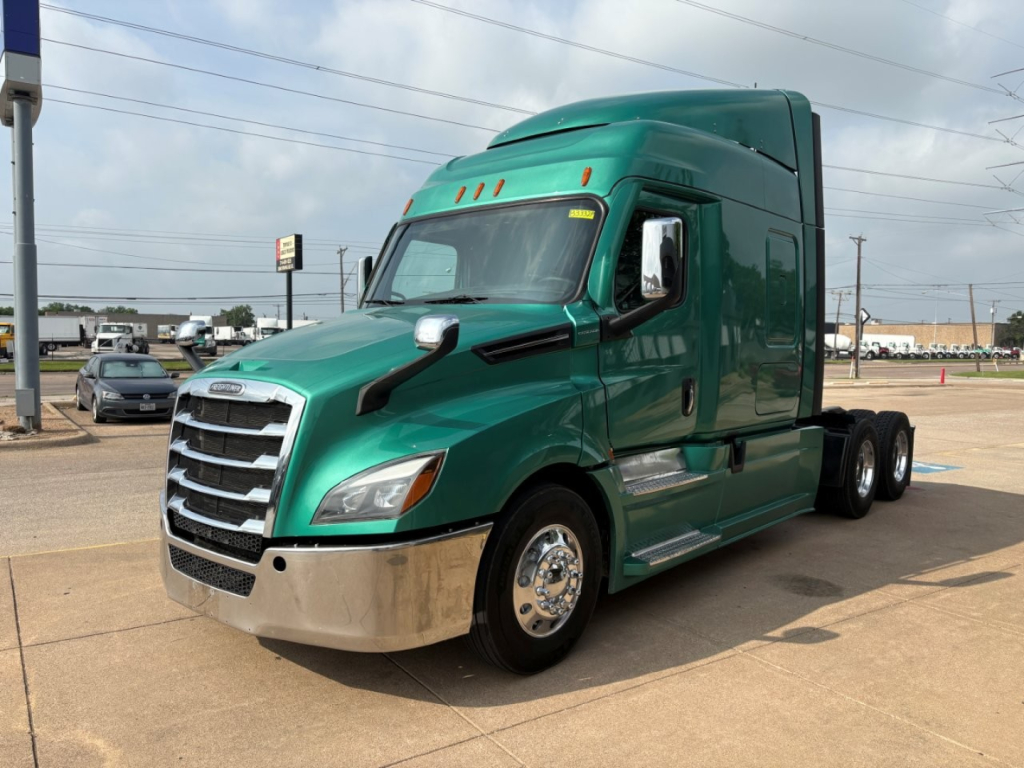
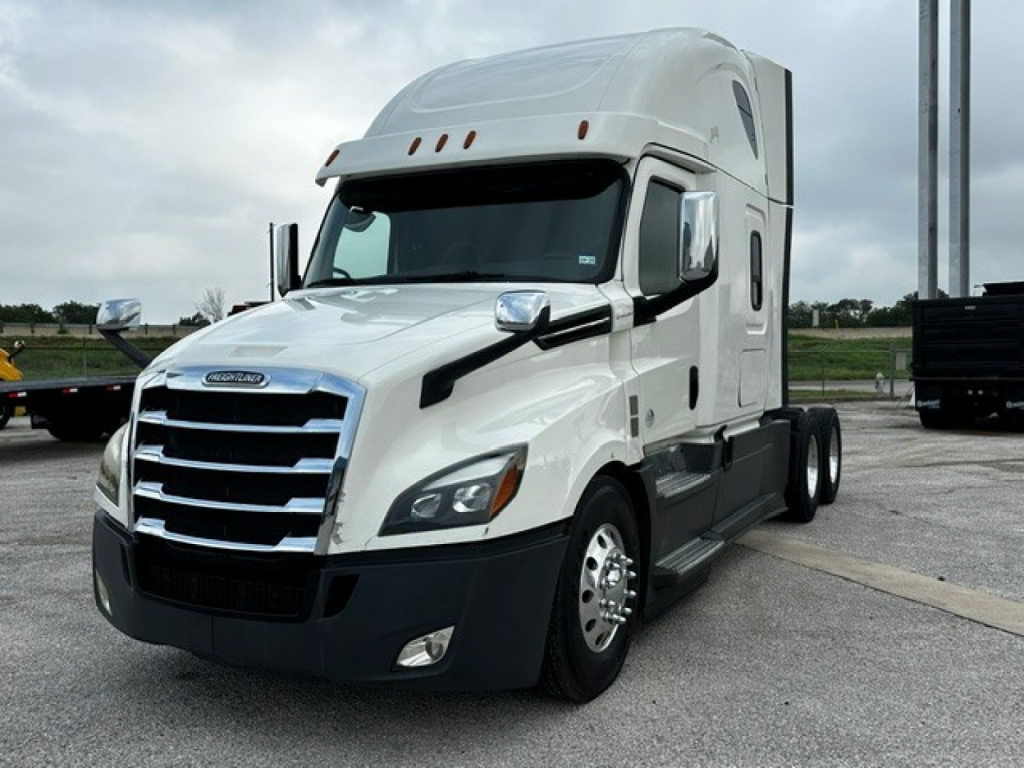
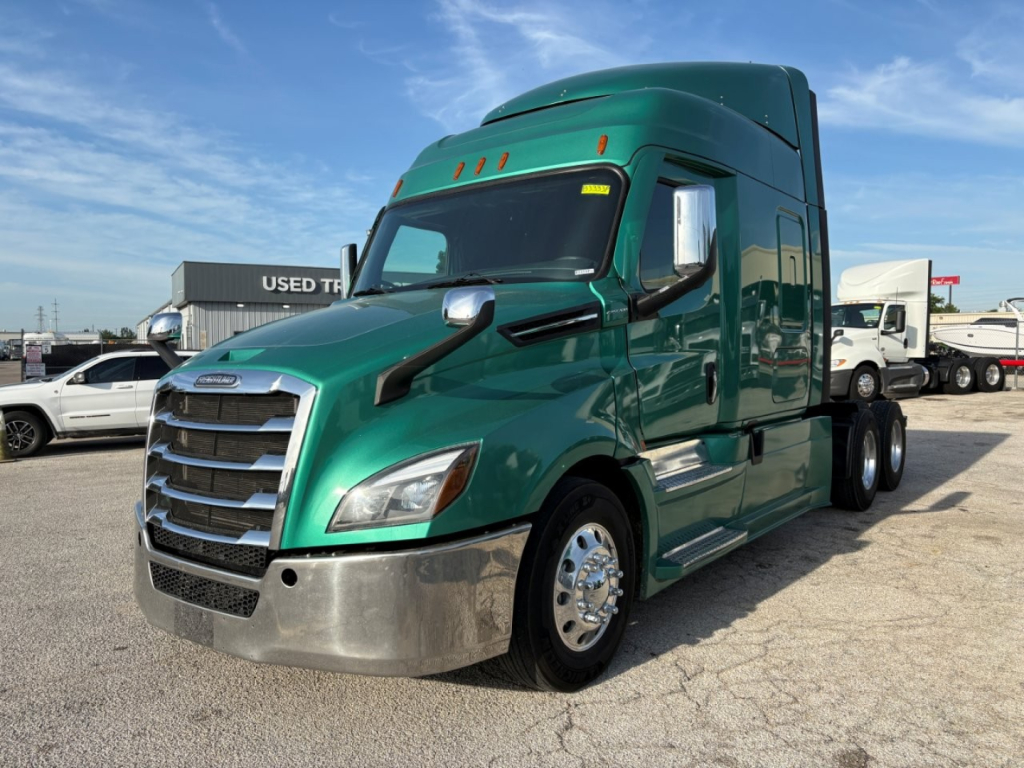
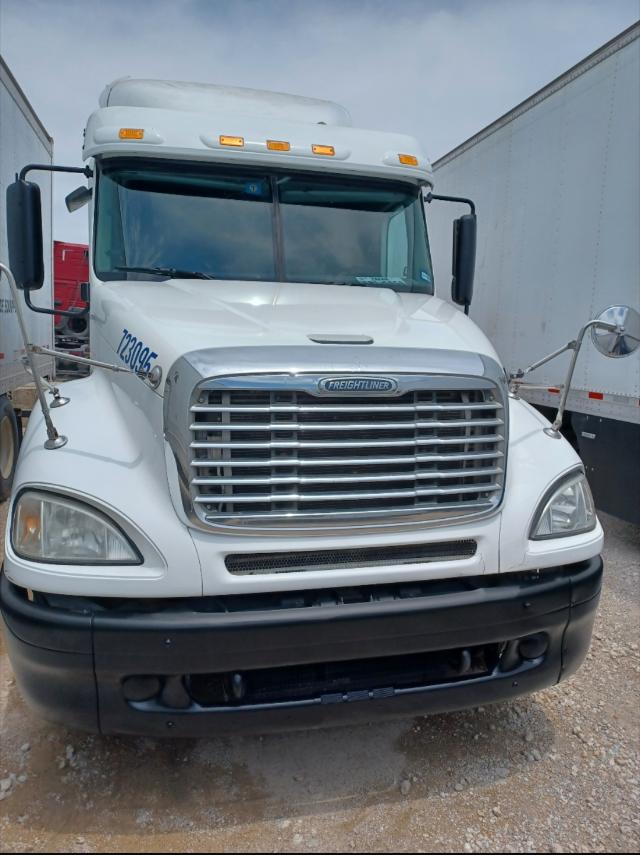

Selling a used freightliner conventional sleeper truck? List your used freightliner conventional sleeper truck for sale and reach thousands of commercial buyers.
Used Freightliner Conventional Sleeper Trucks in Texas
The sleeper configuration matters as much as the engine. Mid-roof sleepers are a practical fit for regional and shorter OTR lanes, while 72-inch raised roof sleepers are common for teams, extended runs, and fleets trying to improve driver retention. Buyers should look closely at bunk layout, APU presence, bunk heater setup, interior storage, and cab trim level. A used sleeper with collision mitigation, cruise control, power accessories, and a quiet cab can make a noticeable difference in driver acceptance and resale appeal.
On the chassis side, many Freightliner conventional sleepers in Texas are spec'd with 40,000 lb rear axles, air ride suspension, sliding fifth wheels, and aerodynamic fairings. Rear axle ratios such as 2.64 or 3.08 can tell you a lot about the truck's intended job. A taller ratio generally favors fuel-efficient highway cruising, while a shorter ratio may better suit heavier loads or mixed terrain. Buyers should also compare brake type, tire size, fuel tank capacity, and whether the truck has disc wheels, aluminum wheels, or other weight-conscious components that affect maintenance and payload.
For a used unit, the best value comes from matching the truck's prior spec to your lane and trailer mix. A DD13 with a mid-roof sleeper may be ideal for regional freight with lower tare sensitivity, while a DD15 raised-roof truck with an APU and engine brake is often better suited for long-distance OTR work. In Texas, where trucks may see high heat, long interstate miles, and heavy annual utilization, service history, emissions system condition, mileage, idle hours, and transmission performance deserve close attention. Freightliner conventional sleepers remain popular because parts availability is strong, technician familiarity is high, and the platform is well understood across both owner-operators and large fleets.
Frequently Asked Questions about Used Freightliner Conventional Sleeper Trucks in Texas
What is the most common used Freightliner conventional sleeper truck in Texas?
The Freightliner Cascadia, especially the Cascadia 126, is the most common used Freightliner conventional sleeper truck in Texas. It is widely used in dry van, reefer, and general freight service because it offers aerodynamic efficiency, a roomy sleeper, and a drivetrain package that many fleets already know how to maintain. That commonality also helps with parts sourcing, resale, and technician familiarity.
What engine and transmission combinations are typical in used Freightliner sleeper trucks?
Most used Freightliner conventional sleepers are equipped with Detroit DD13 or DD15 diesel engines paired with a Detroit DT12 automated manual transmission. DD13 setups are often seen in lighter or fuel-focused fleet specs, while DD15 engines are more common when buyers want added horsepower and torque for heavier gross weights or long-haul use. The DT12 is popular because it supports fuel-efficient cruising and consistent shift quality across fleet operations.
How do I choose between a mid-roof and raised-roof Freightliner sleeper?
A mid-roof sleeper usually makes sense for regional freight, slip-seat operations, or routes where drivers spend fewer consecutive nights in the truck. A raised-roof sleeper, often in a 72-inch configuration, gives more standing room, storage, and bunk comfort for long-haul or team applications. The right choice depends on route length, driver expectations, and how much emphasis you place on comfort features like an upper bunk, APU, and interior storage.
What specs matter most when buying a used Freightliner conventional sleeper?
The key specs are engine rating, transmission type, sleeper size, rear axle ratio, wheelbase, rear axle capacity, and fuel capacity. Buyers should also review suspension type, sliding fifth wheel setup, brake configuration, and aerodynamic equipment such as side fairings and cab extenders. On a used truck, maintenance records, mileage, engine hours, idle hours, and the condition of emissions components are just as important as the original build spec.
Are used Freightliner sleeper trucks a good fit for long-haul freight in Texas?
Yes. Used Freightliner conventional sleeper trucks are a strong fit for Texas long-haul work because they are built for highway efficiency, driver comfort, and high-mileage operation. Many are already spec'd for interstate freight with aerodynamic packages, large sleepers, automated transmissions, and fuel-efficient axle ratios. Texas buyers should still pay close attention to cooling system condition, air conditioning performance, and overall maintenance history because regional heat and long-duty cycles can accelerate wear on poorly maintained trucks.