
Used 2023 Freightliner Conventional Sleeper Trucks For Sale in Texas
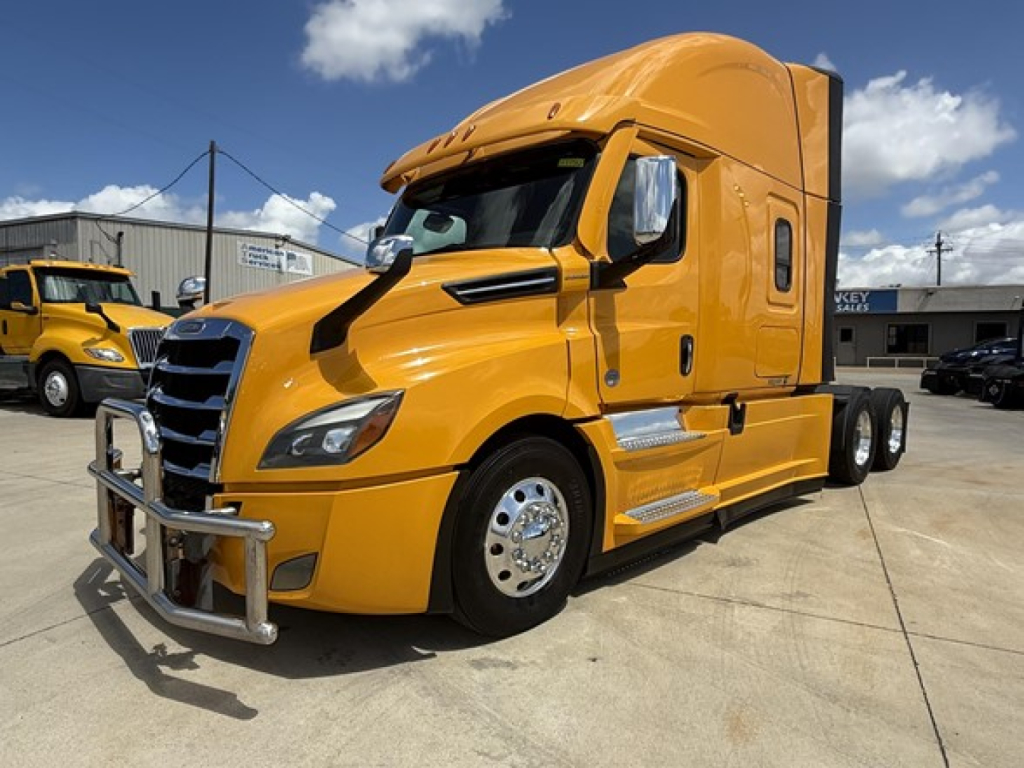
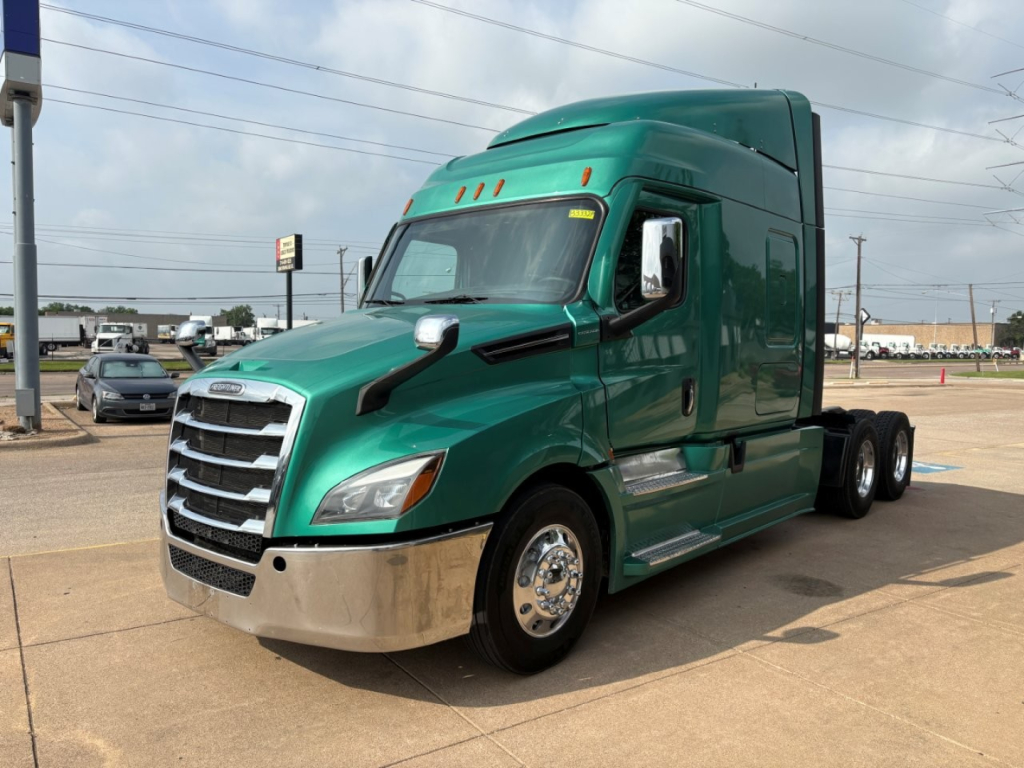
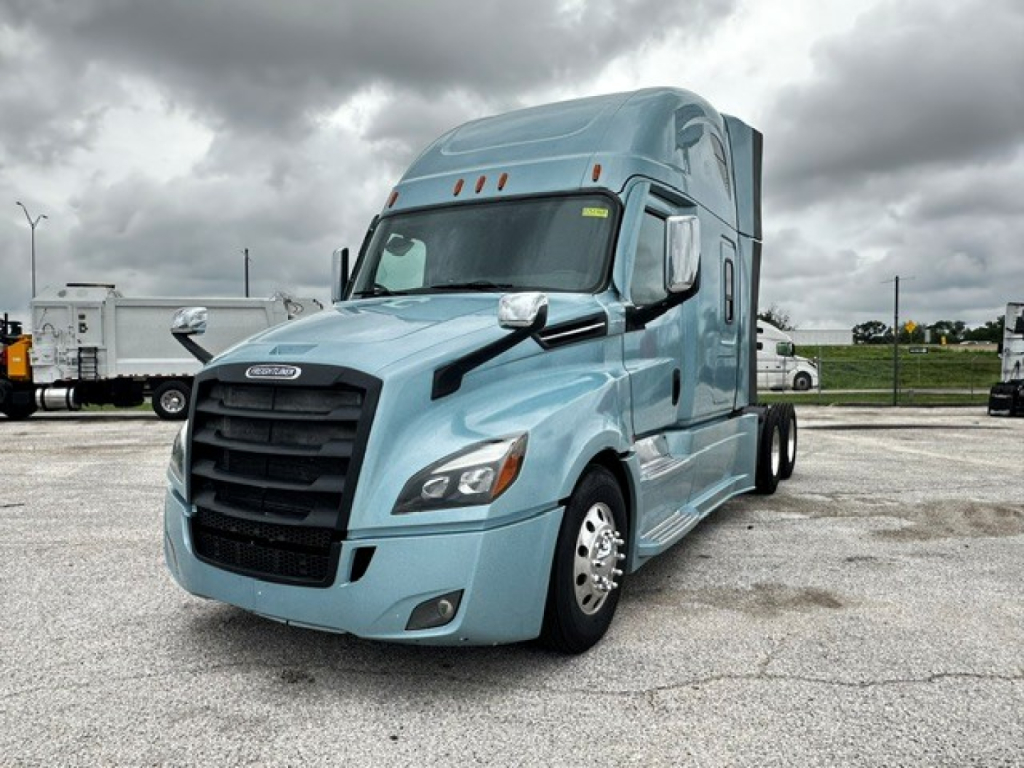
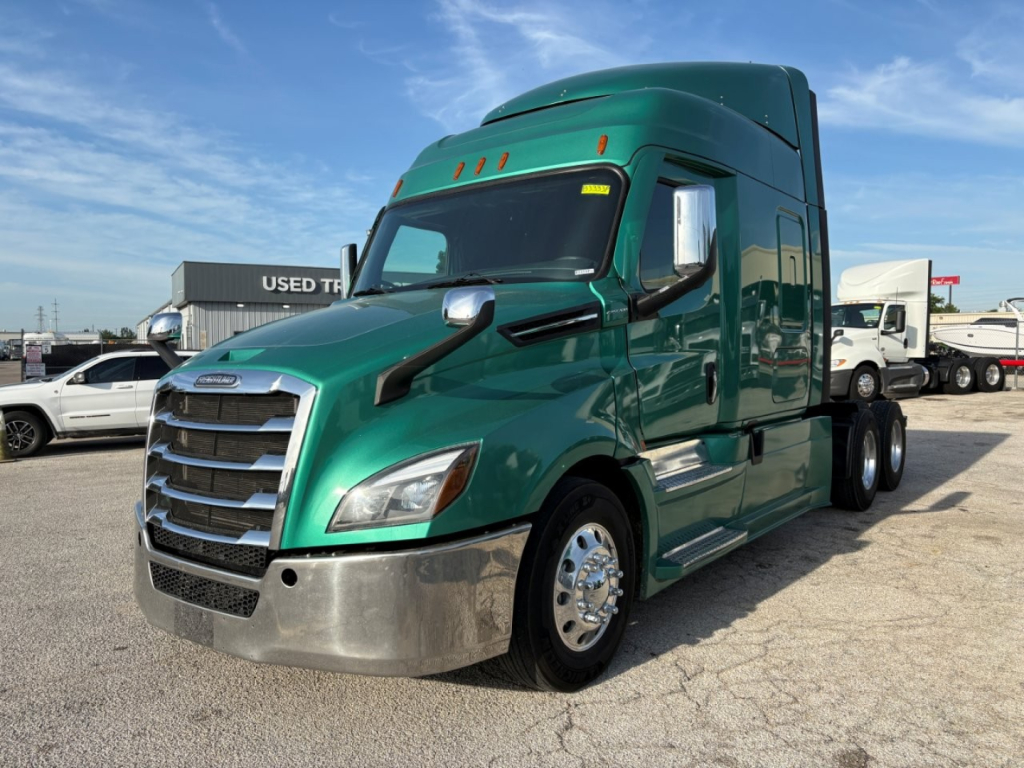
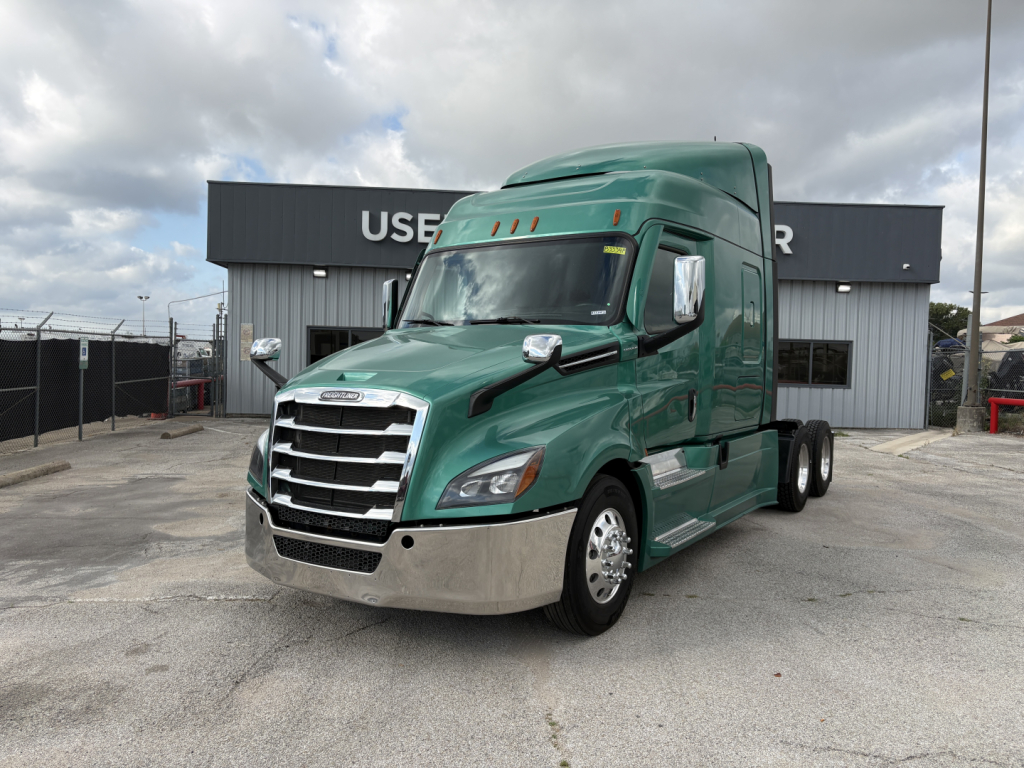
Have used 2023 freightliner conventional sleeper truck to sell? List it here to reach thousands of buyers.
Used 2023 Freightliner Conventional Sleeper Trucks in Texas
On 2023 Freightliner sleeper tractors, the key buying decisions are engine rating, transmission, wheelbase, and sleeper size. Many are spec'd with the Detroit DD15 in the 400 to 505 horsepower range, paired to the DT12 automated manual. Common rear axle ratings are around 40,000 pounds, with ratios such as 2.28, 3.08, or 3.23 depending on the intended duty cycle. A lower ratio generally favors fuel mileage on open interstate runs, while a more aggressive ratio can better suit heavier freight, hill work, or operations that want stronger launch and flexibility at lower road speeds. Wheelbase also affects maneuverability and trailer gap, especially if the truck will pull different trailer lengths or operate in tighter yards.
Sleeper configuration is more than a comfort item. A 60-inch to 72-inch sleeper is common in this class, with mid-roof and raised-roof versions offering different tradeoffs in weight, aerodynamics, and interior space. Buyers should look closely at bunk layout, cabinet space, HVAC performance, bunk heater spec, inverter prep, and driver-assist features such as collision mitigation and cruise integration. On Freightliner conventionals, aerodynamic fairings, cab extenders, air slide fifth wheels, disc brakes, and aluminum wheels are all common items that can improve efficiency or day-to-day usability. For Texas fleets and owner-operators running high annual miles, maintenance history, emissions system service, tire wear pattern, and software updates can tell you more than the odometer alone.
The best used 2023 Freightliner conventional sleeper truck is the one whose original spec matches your freight and lanes. A lighter aero sleeper with a fuel-efficient ratio can be a strong fit for dry van and reefer work between major Texas markets, while a higher horsepower setup with the right gearing may make more sense for heavier loads or mixed terrain. Pay attention to axle configuration, fifth wheel travel, suspension type, brake spec, and fuel tank capacity, then compare those details against your trailer mix and average gross combined weight. On a late-model Freightliner sleeper, correct spec alignment usually has a bigger impact on operating cost than cosmetic condition alone.
Frequently Asked Questions about Used 2023 Freightliner Conventional Sleeper Trucks in Texas
What engine and transmission are common in a used 2023 Freightliner conventional sleeper truck?
The most common setup is a Detroit DD15 paired with a DT12 automated manual transmission. Horsepower ratings often fall between 400 and 505, depending on whether the truck was ordered for fuel economy, general over-the-road work, or heavier applications. This combination is popular because it balances parts support, drivability, and efficiency, especially in fleet service.
What rear axle ratio should I look for in a 2023 Freightliner sleeper?
That depends on speed, weight, and terrain. Ratios like 2.28 are typically chosen for fuel-efficient highway running, while 3.08 or 3.23 can be better for heavier freight, more stop-and-go work, or operations that need stronger low-speed pulling power. The right ratio should be matched to tire size, transmission calibration, and your normal gross combined weight, not chosen in isolation.
Is a mid-roof or raised-roof sleeper better for Texas freight lanes?
A raised-roof sleeper is usually preferred for longer runs because it gives the driver more living space, storage, and comfort over multiple nights on the road. A mid-roof sleeper can still work well for regional freight and may offer a slight advantage in weight or simplicity. The better choice comes down to trip length, driver expectations, and how much time is spent away from home.
What should I inspect first on a used 2023 Freightliner Cascadia sleeper?
Start with maintenance records, engine fault history, emissions system service, brake and tire wear, and any signs of alignment or suspension issues. Then confirm the sleeper and cab equipment actually match the job, including bunk heater, HVAC output, inverter provisions, and fifth wheel travel. On a late-model truck, software updates and diagnostic history are as important as physical condition because they can reveal downtime risk and prior recurring issues.
Why are Freightliner conventional sleeper trucks so common in fleet and owner-operator use?
They are widely used because they offer a strong mix of fuel efficiency, driver comfort, service network coverage, and standardized parts support. The conventional sleeper design also gives buyers flexibility across van, reefer, and flatbed applications without moving into a niche tractor spec. That broad appeal helps with resale and makes it easier to find a truck configured close to a specific operation.