
Used 2023 Freightliner Conventional Sleeper Trucks For Sale
Shop used 2023 Freightliner conventional sleeper trucks, including Cascadia sleepers with DD15 power, DT12 transmissions, safety tech, and aero specs.
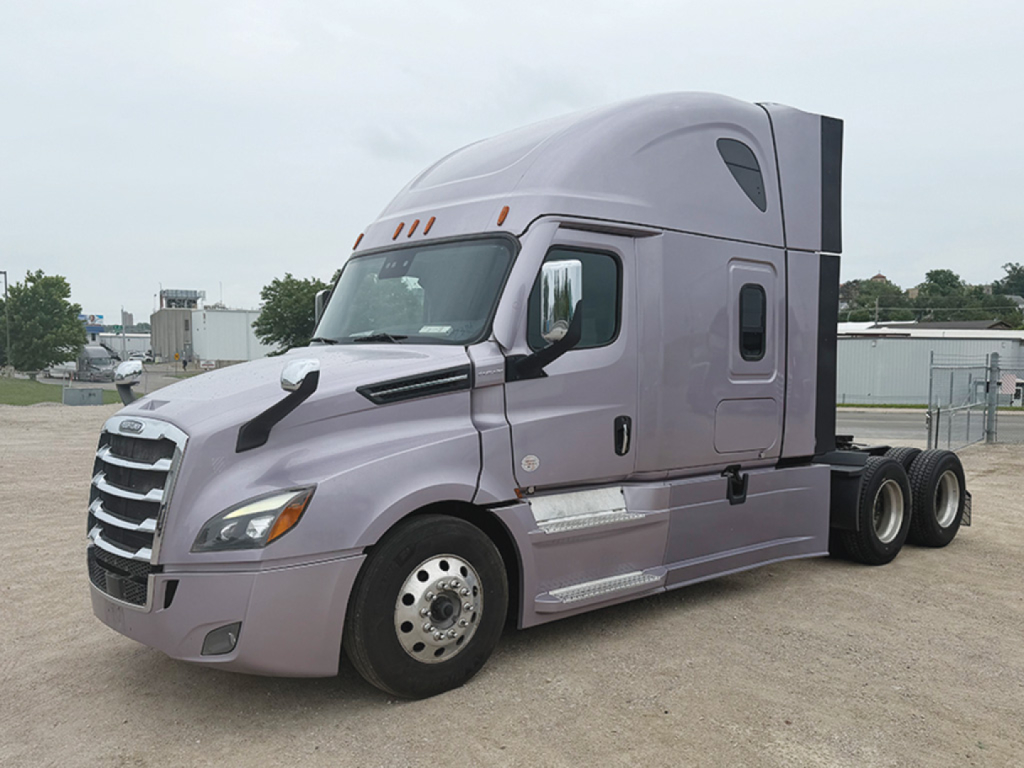
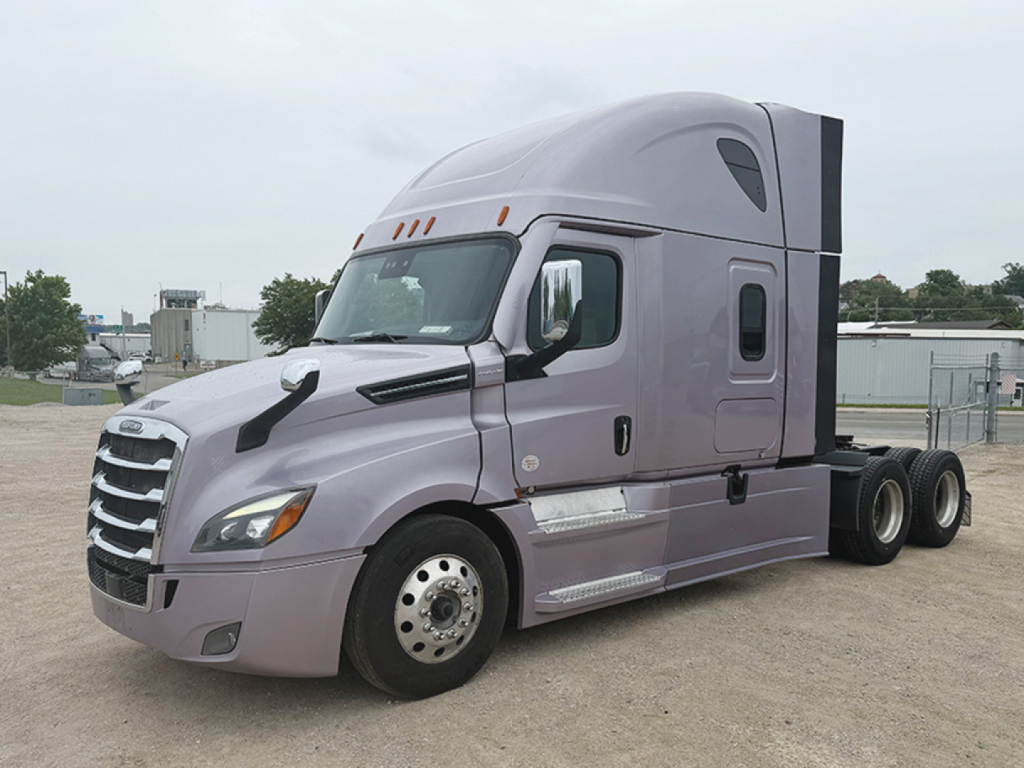
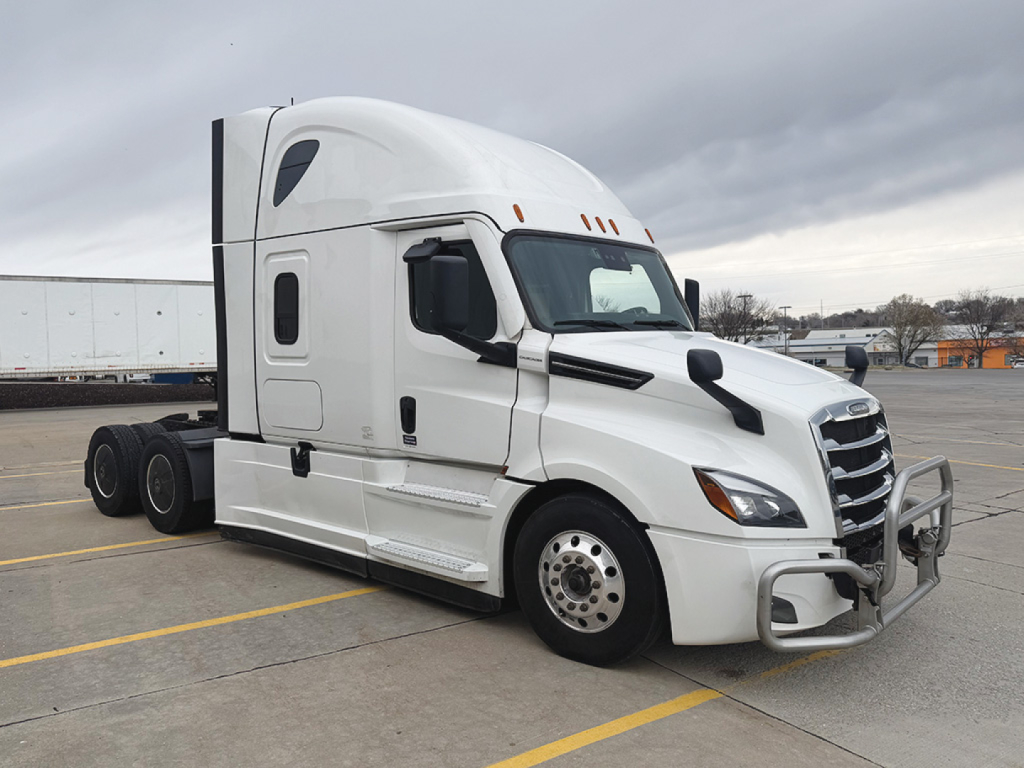
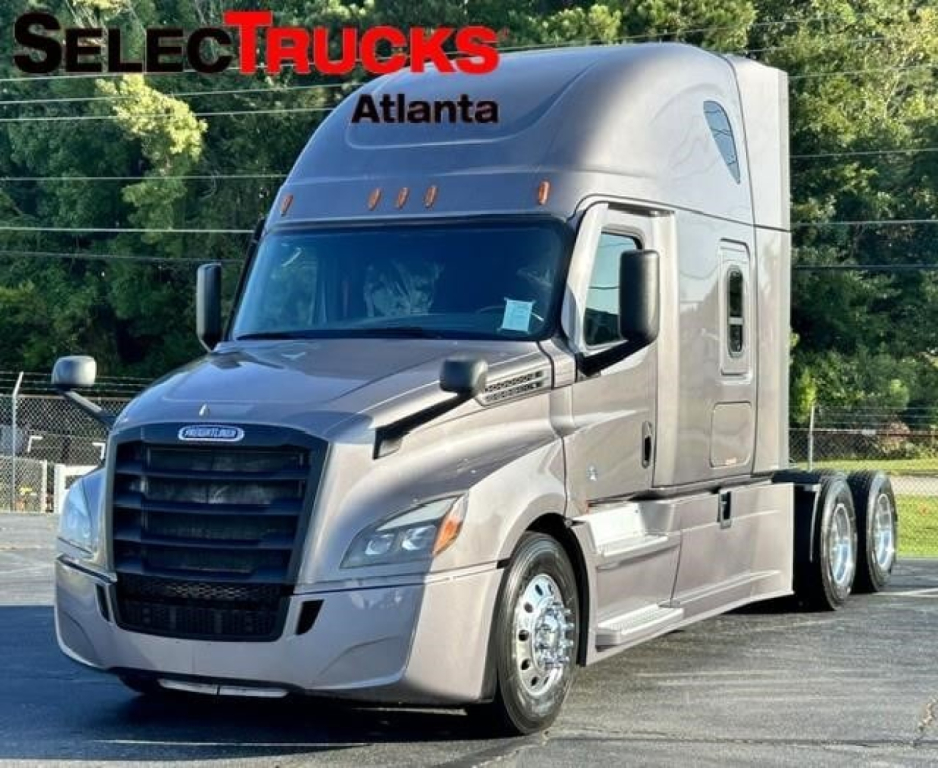
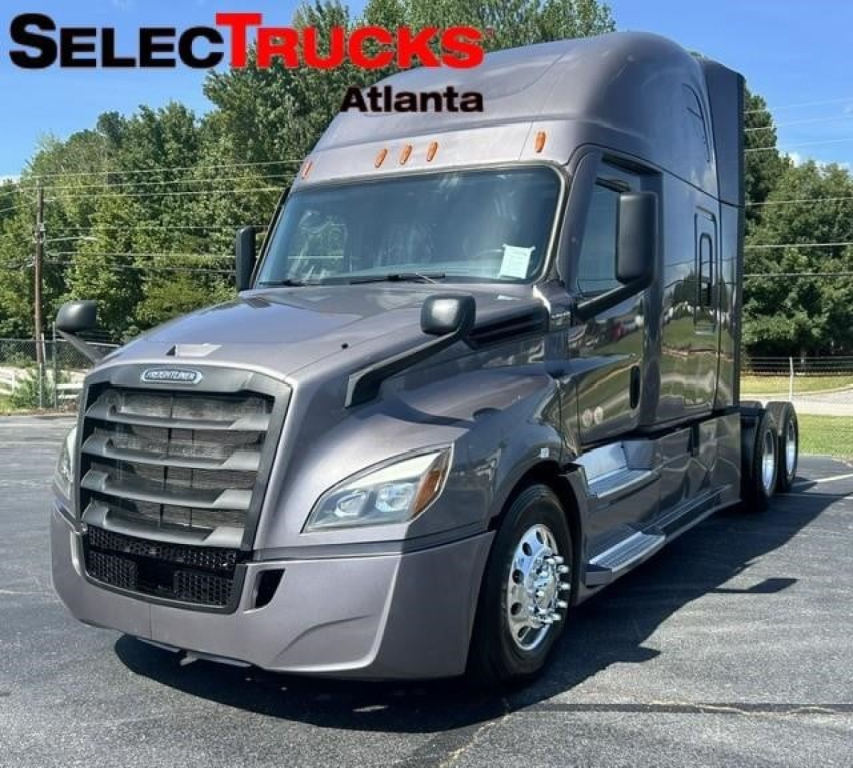
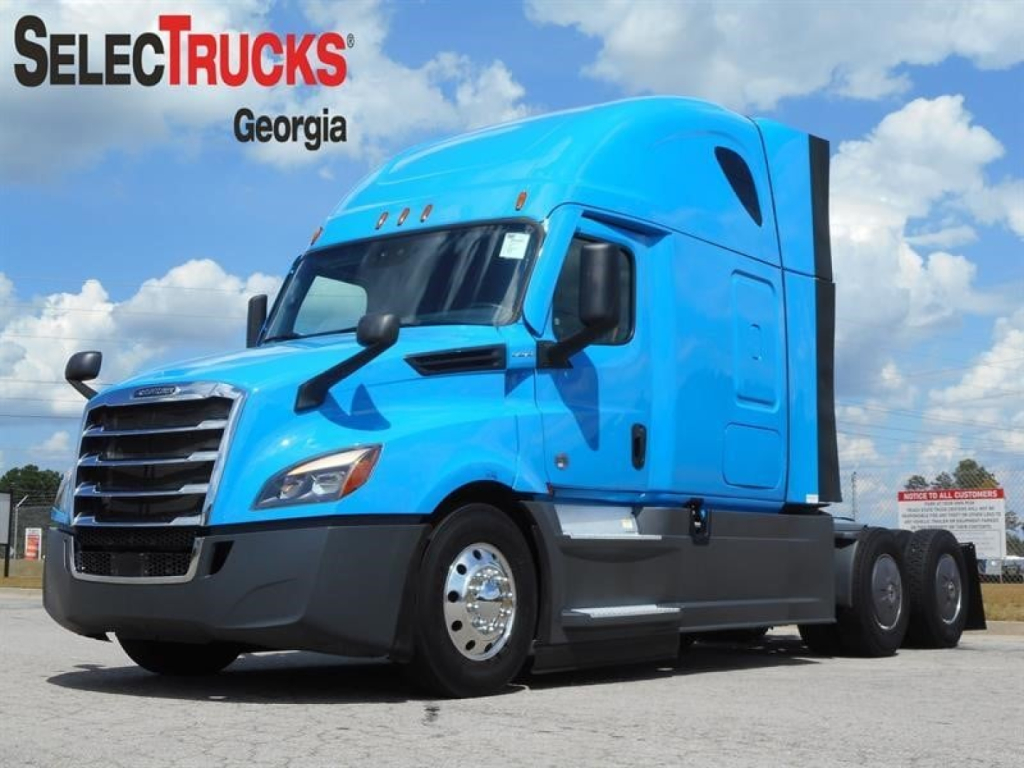
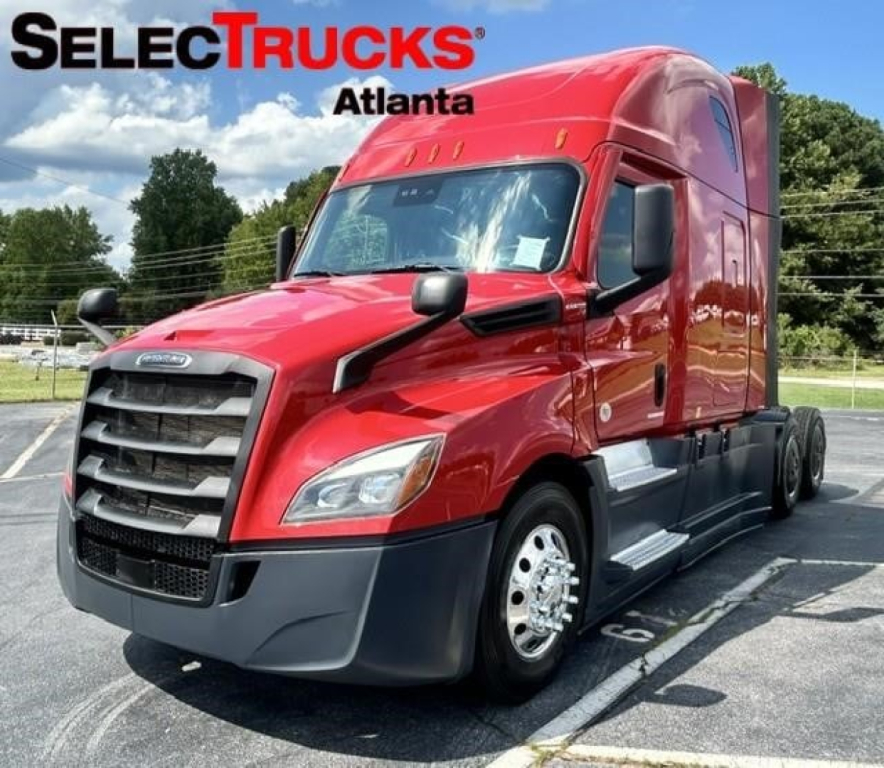
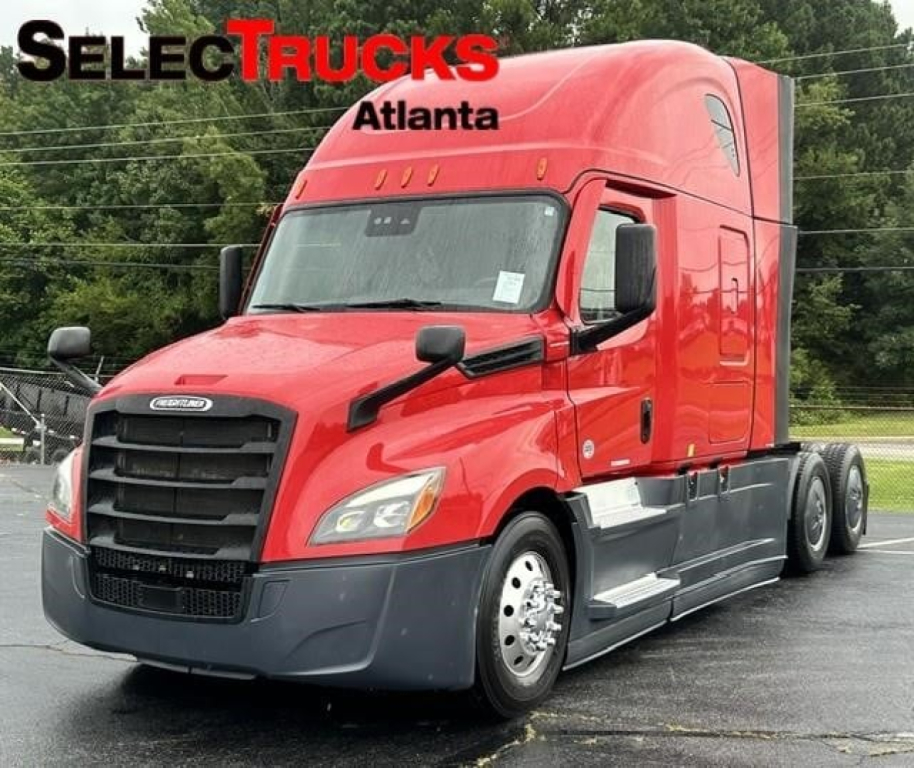
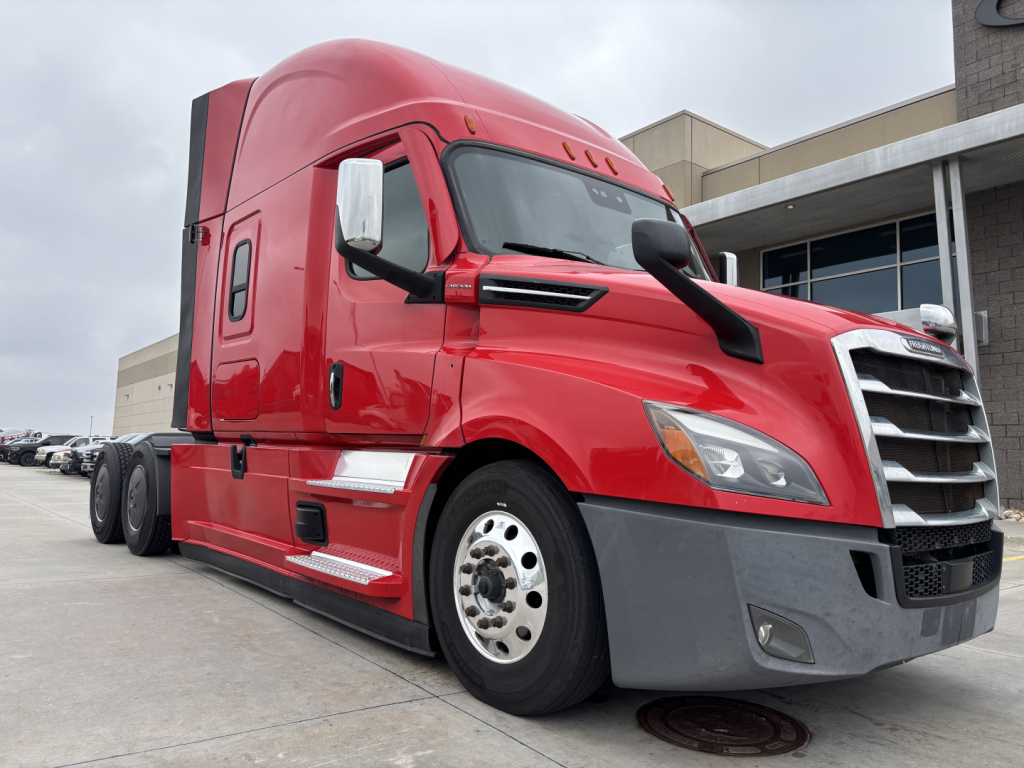
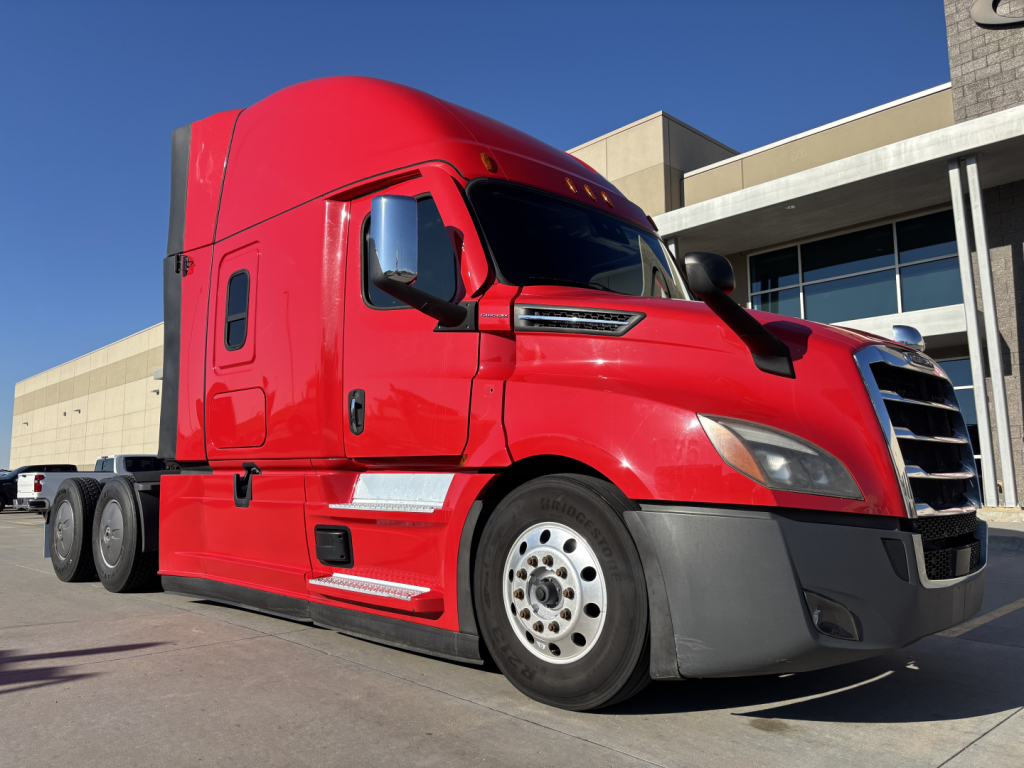
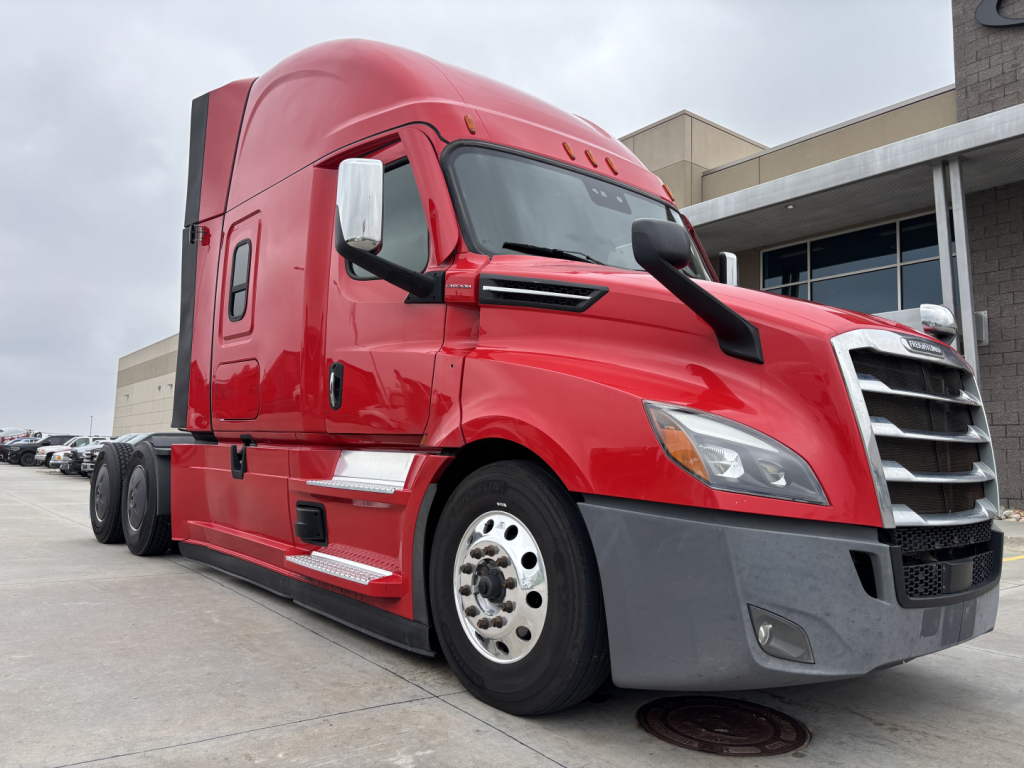
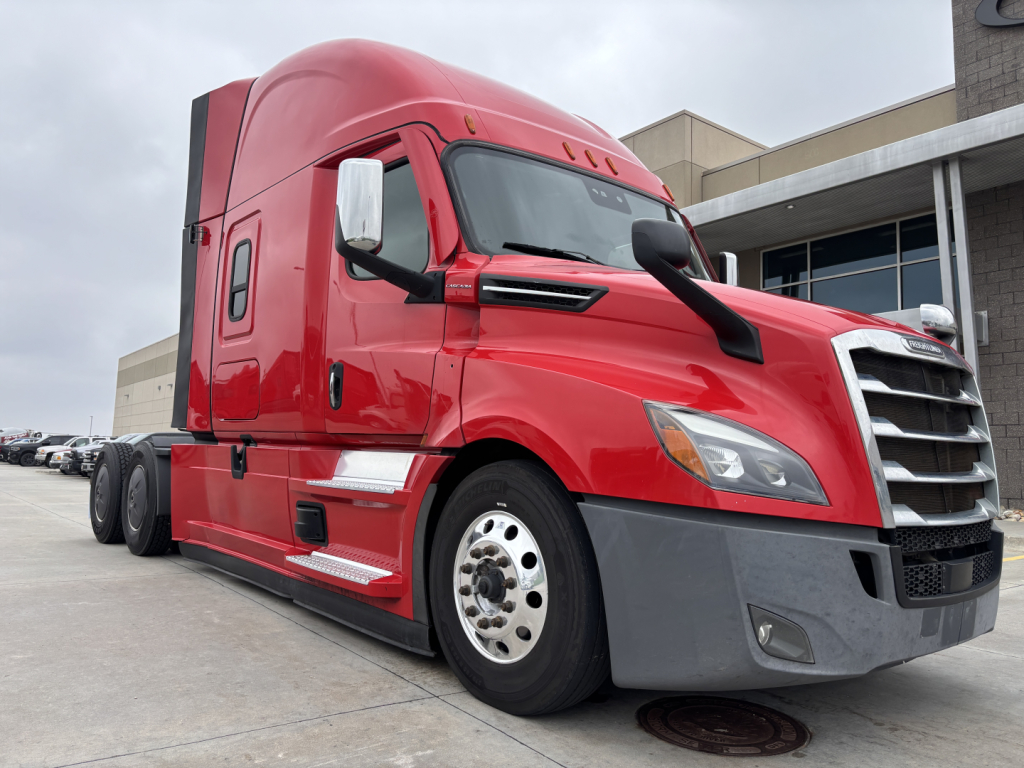
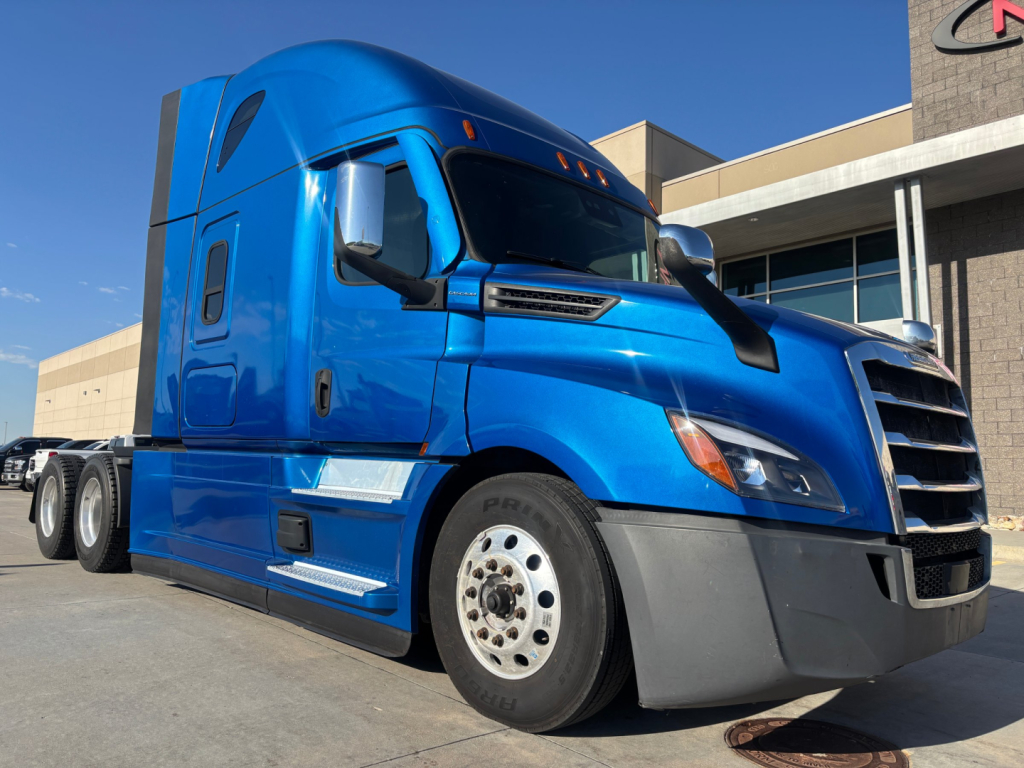
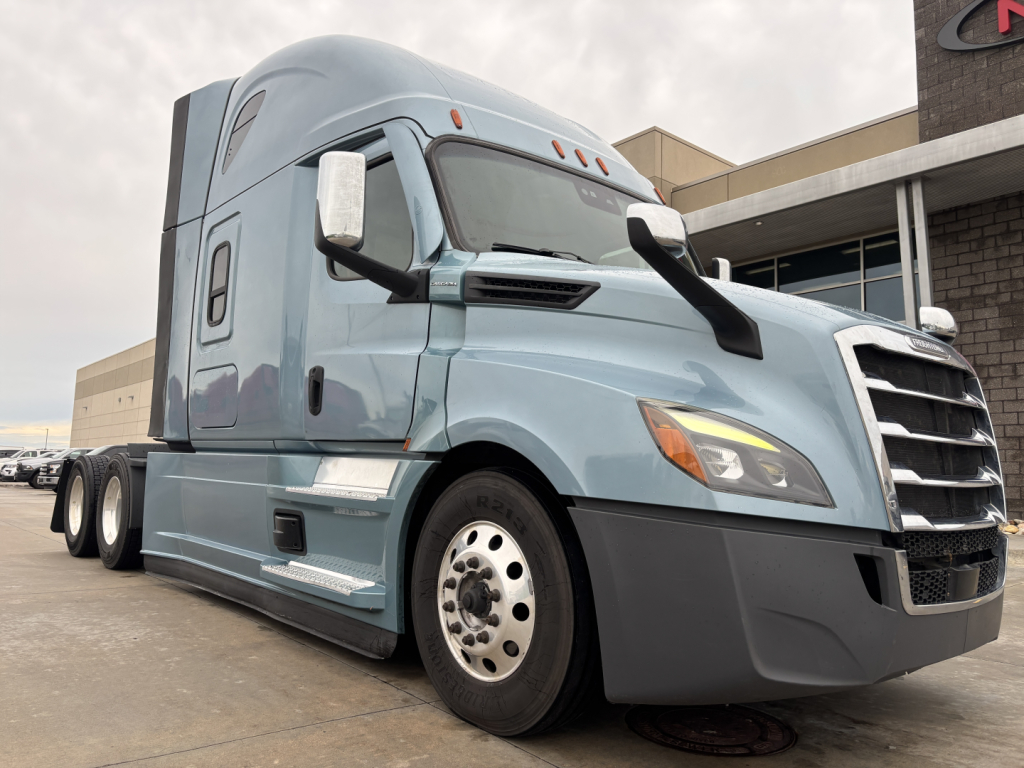
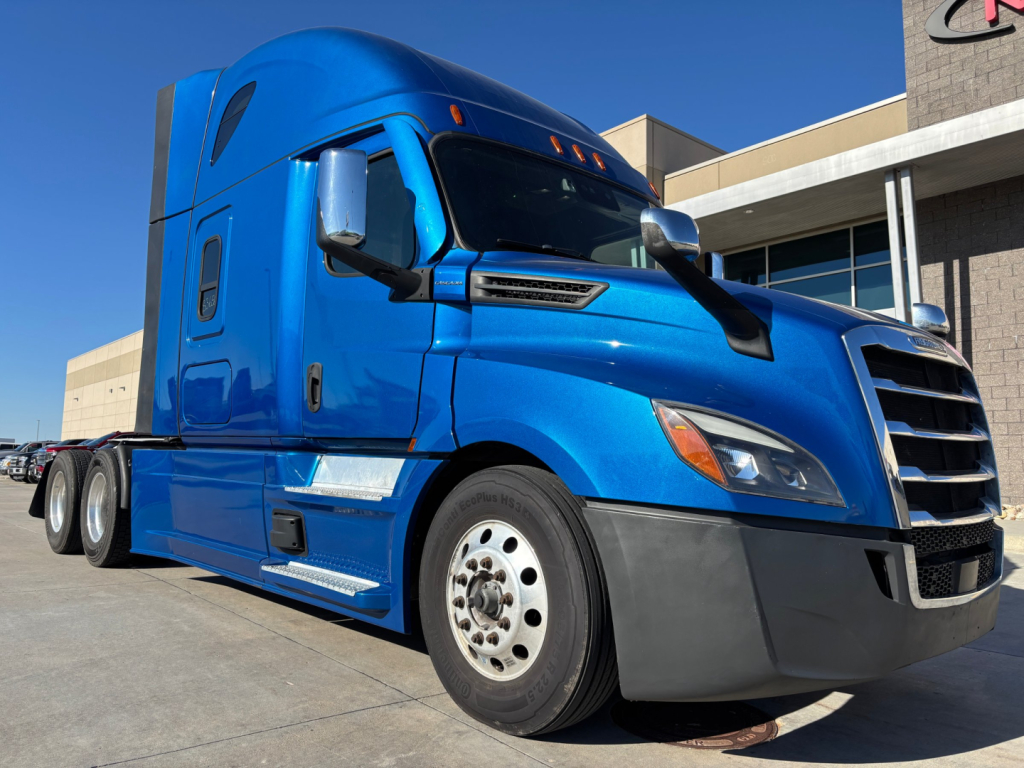
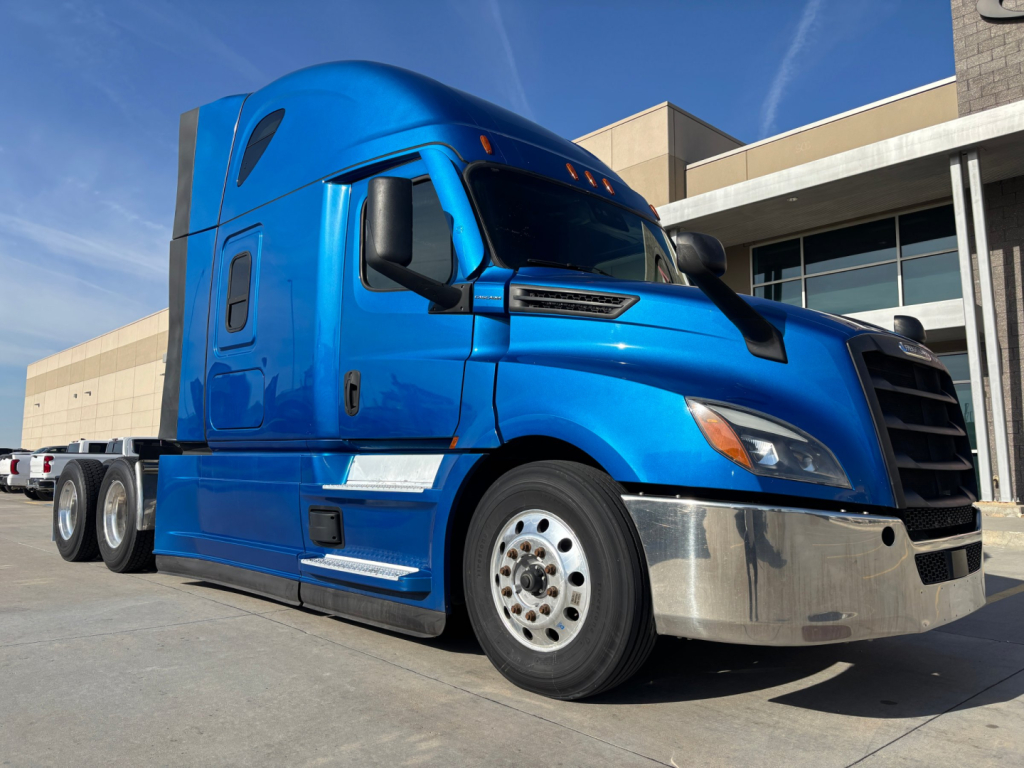
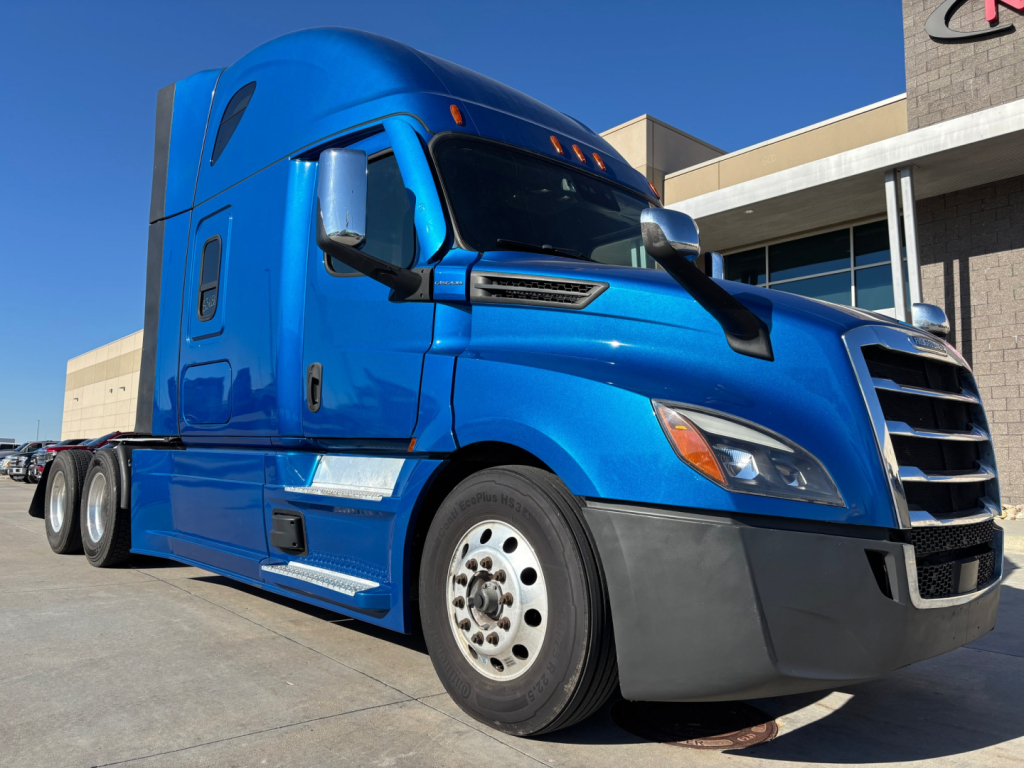
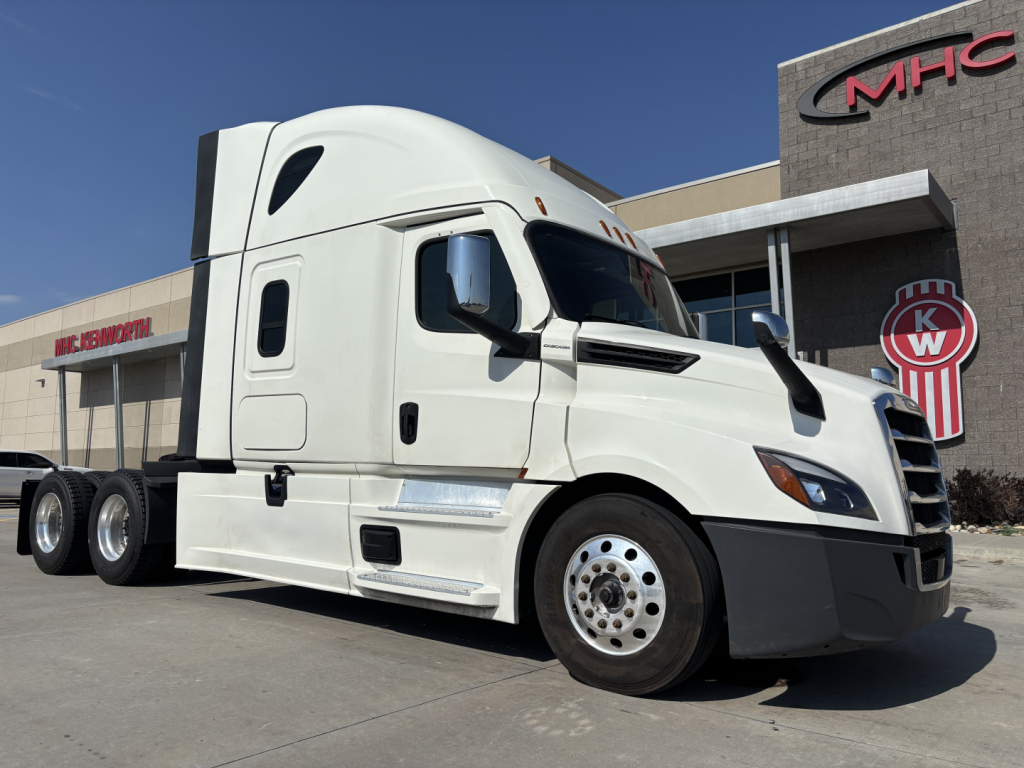
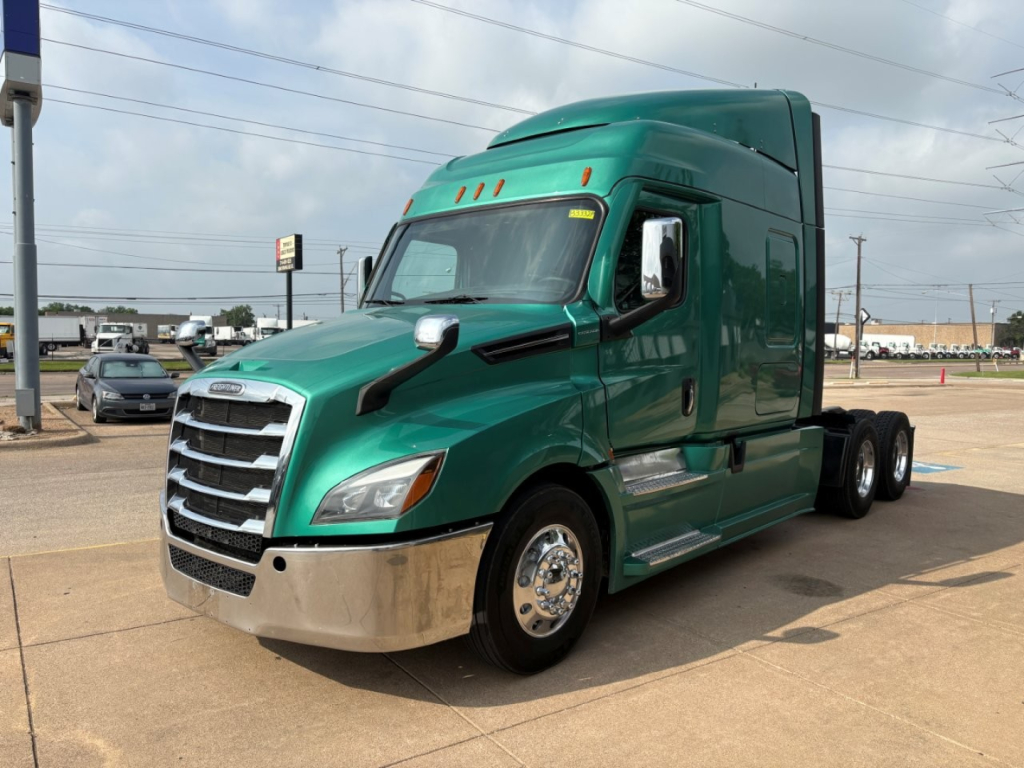
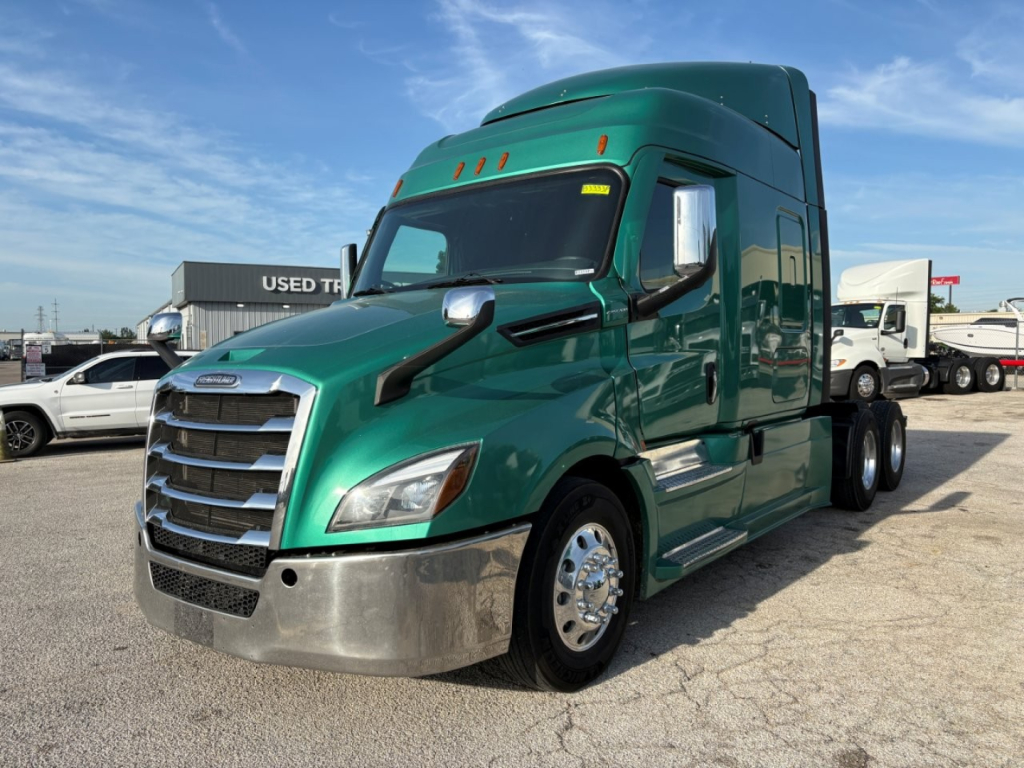
Selling a used 2023 freightliner conventional sleeper truck? List your used 2023 freightliner conventional sleeper truck for sale and reach thousands of commercial buyers.
Used 2023 Freightliner Conventional Sleeper Trucks
Sleeper configuration is one of the first decisions to narrow down. A 60-inch to 72-inch raised-roof sleeper is typical on late-model Freightliner conventionals, with single-bunk and double-bunk layouts both common. Buyers should look closely at interior storage, bunk heater or APU spec, inverter capacity, refrigerator prep or factory refrigerator, and overall idle-reduction equipment. Trucks equipped with ParkSmart APUs or other battery HVAC systems can reduce idling costs and make a difference in states and regions with stricter anti-idle enforcement. Wheelbase, tank size, and fairing package also matter, especially if the truck will stay on dry van or reefer lanes where aerodynamics directly affect operating cost.
Safety and driver-assist technology became a bigger part of the buying decision on 2023 Freightliner sleeper trucks. Many used examples are equipped with collision mitigation, adaptive cruise control, lane departure warning, lane keep assist, and disc front brakes. These features can support fleet safety programs and may also influence insurance and driver acceptance. A buyer comparing listings should confirm not just that the truck has these systems, but which generation of Detroit Assurance or related safety package is installed, because functionality can vary by spec. It is also worth checking for side fairings, full aerodynamic packages, steering wheel controls, and power convenience features that affect day-to-day drivability.
The strongest value in a used 2023 Freightliner conventional sleeper usually comes from verifying lifecycle items instead of shopping by price alone. Remaining factory warranty on the engine, aftertreatment, and transmission can be a major advantage, especially on trucks with documented service history and moderate mileage. Pay attention to aftertreatment condition, tire wear, brake type, suspension spec, axle ratio, and whether the truck has a sliding fifth wheel or other fleet-oriented options. Freightliner sleeper trucks are widely supported across North America, with strong parts availability and a broad service network, which is one reason the Cascadia remains a common choice for owner-operators and large fleets alike.
Frequently Asked Questions about Used 2023 Freightliner Conventional Sleeper Trucks
What engine and transmission are most common in a used 2023 Freightliner conventional sleeper truck?
The most common combination is a Detroit DD15 diesel engine paired with a Detroit DT12 automated manual transmission. On 2023 Freightliner sleeper trucks, DD15 ratings around 400 to 455 horsepower are especially common in highway fleet specs. This setup is widely used because it delivers strong fuel economy, good parts support, and easy integration with Freightliner and Detroit electronic systems.
What sleeper size is typical on a 2023 Freightliner Cascadia sleeper?
Most used 2023 Freightliner conventional sleepers are equipped with raised-roof sleepers in the 60-inch to 72-inch range. A 72-inch raised-roof sleeper is a common long-haul spec because it gives the driver more room for storage, rest, and onboard amenities such as a refrigerator, inverter, or double-bunk layout. The right sleeper size depends on route length, team or solo use, and how much time the truck will spend away from home base.
Are 2023 Freightliner sleeper trucks good for fuel economy?
Yes, they are generally strong fuel-economy trucks when properly spec'd for highway work. Aerodynamic bodywork, Detroit powertrain integration, automated transmissions, and tall rear axle ratios like 2.64 all help reduce fuel burn on interstate lanes. Actual results depend on load, terrain, cruise speed, idle time, and maintenance, but the 2023 Cascadia is widely regarded as a fuel-efficient conventional sleeper platform.
What should I inspect first on a used 2023 Freightliner conventional sleeper?
Start with service records, warranty status, engine hours, and fault-code history. After that, inspect the aftertreatment system, transmission operation, tires, brakes, suspension, and any idle-reduction equipment such as an APU or battery HVAC system. On safety-equipped trucks, verify that collision mitigation, adaptive cruise, and lane systems are active and calibrated rather than simply listed as options.
Why do many fleets choose Freightliner conventional sleeper trucks for over-the-road service?
Freightliner conventional sleepers are popular because they combine broad dealer support, straightforward parts availability, strong resale recognition, and efficient highway specs. The Cascadia in particular is common in van and reefer fleets, so technicians are familiar with it and replacement parts are easy to source across most major freight corridors. That support network can reduce downtime and simplify maintenance planning for both owner-operators and larger fleets.