
Used 2023 Freightliner Conventional Sleeper Trucks For Sale in Georgia
Shop used 2023 Freightliner conventional sleeper trucks in Georgia. Compare Cascadia specs, sleeper layouts, Detroit power, and highway features.
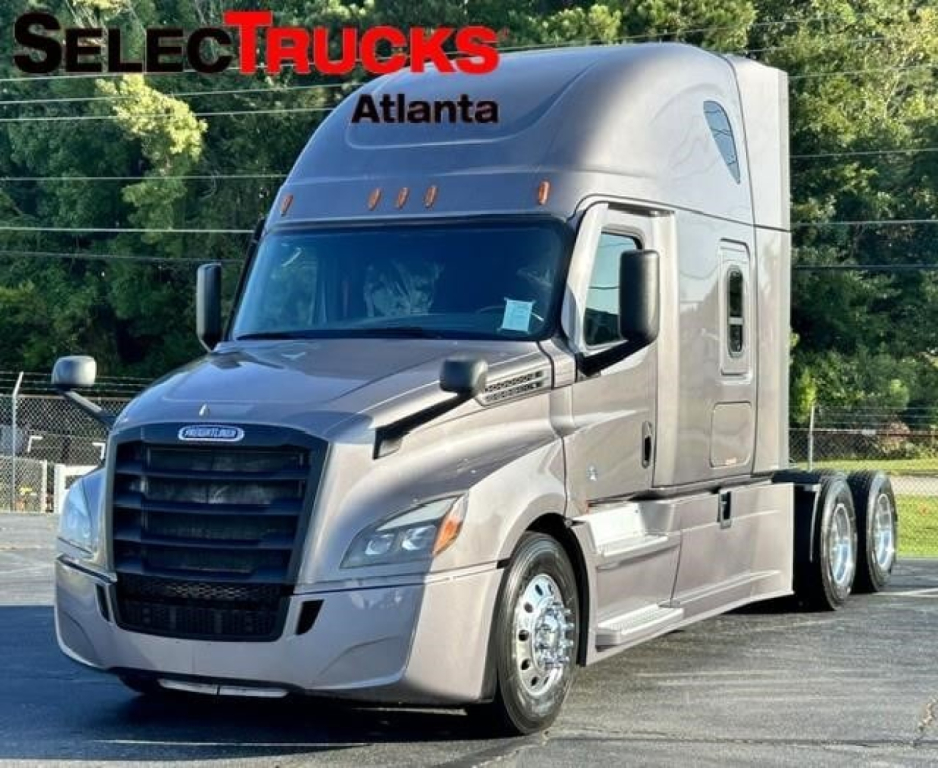
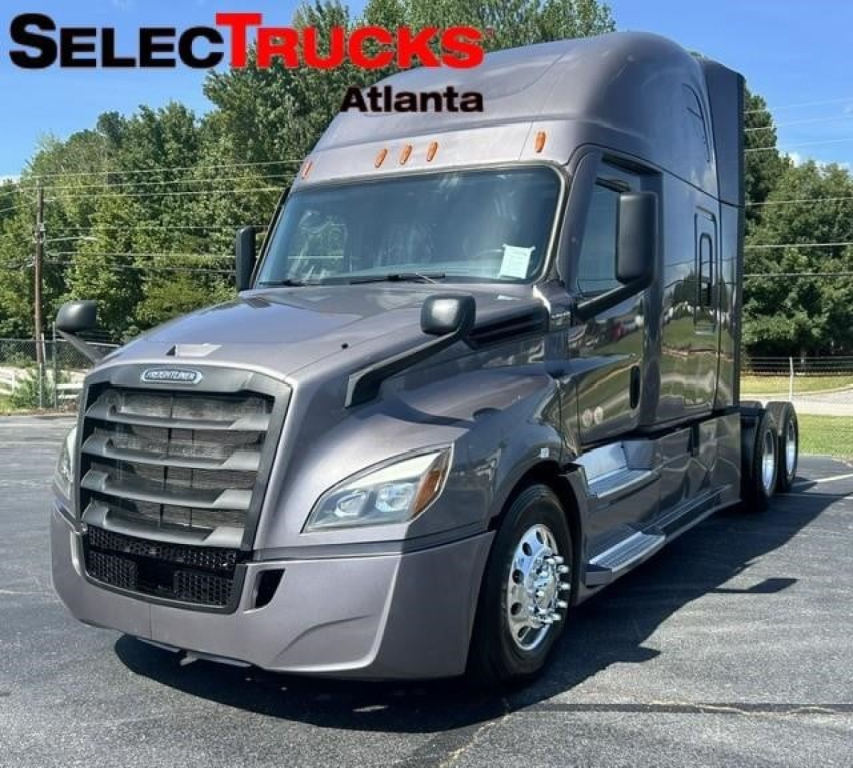
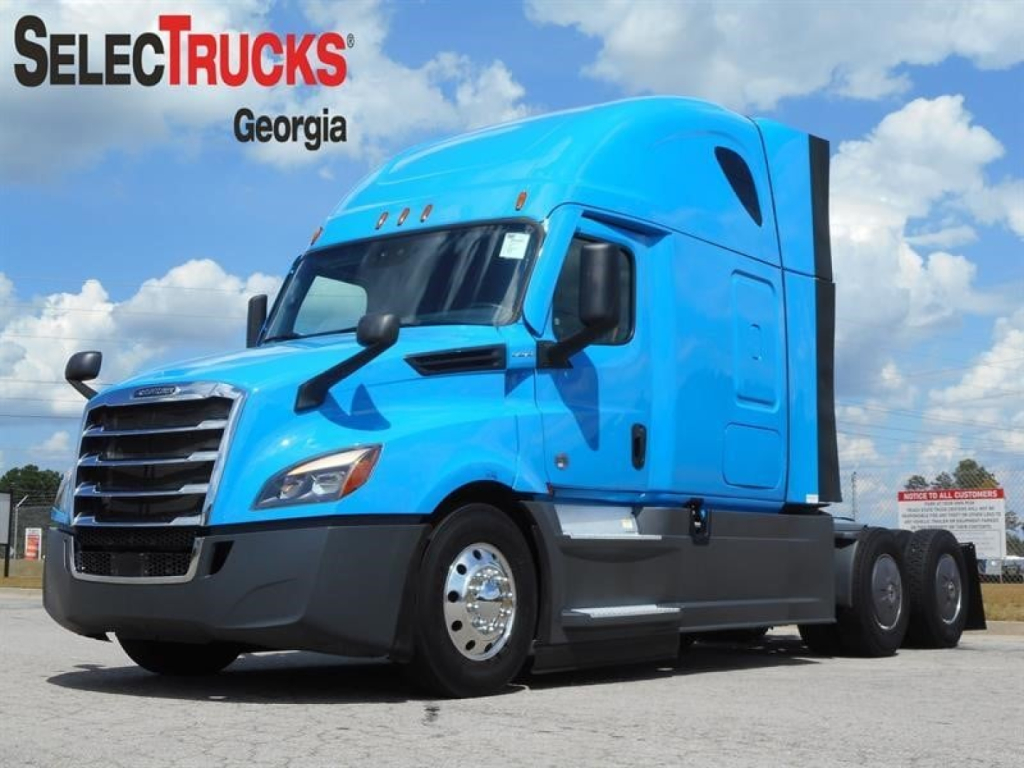
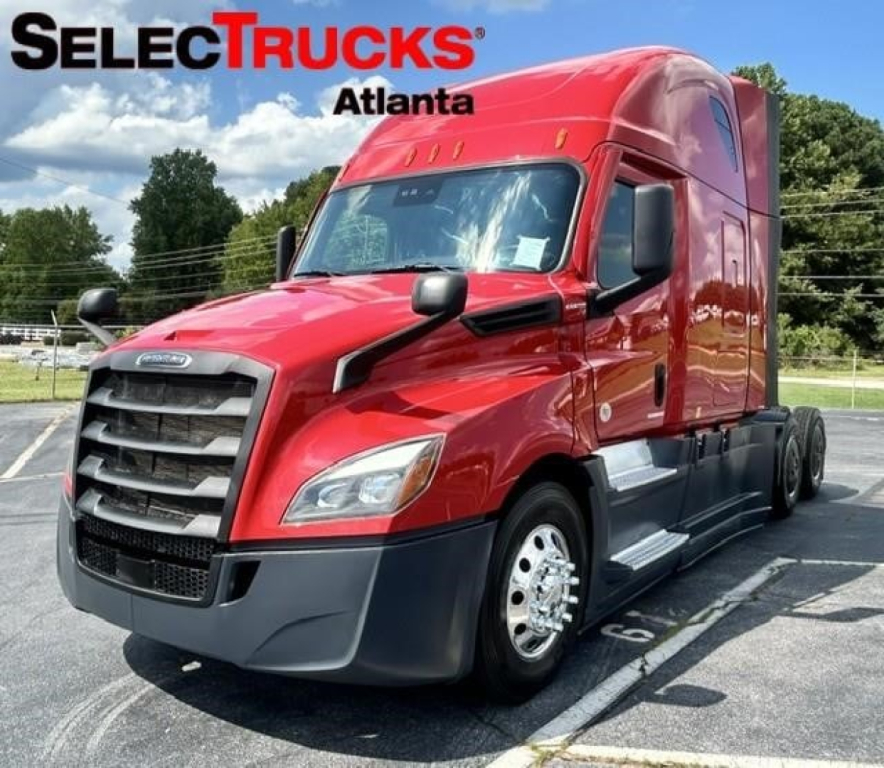
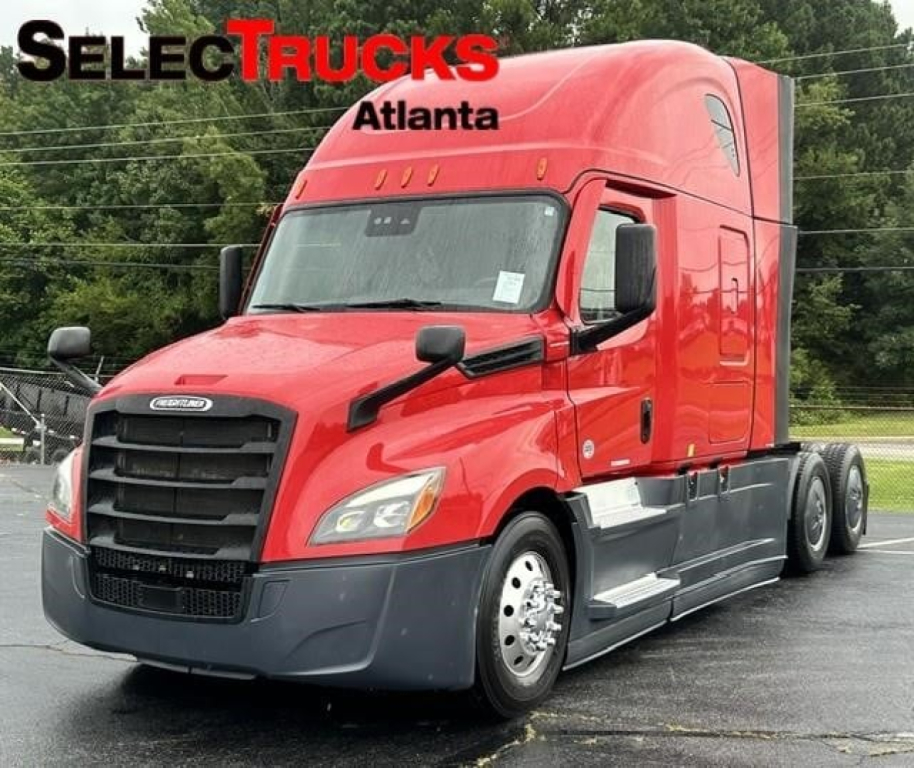
Selling a used 2023 freightliner conventional sleeper truck? List your used 2023 freightliner conventional sleeper truck for sale and reach thousands of commercial buyers.
Used 2023 Freightliner Conventional Sleeper Trucks in Georgia
The first decision is usually engine and sleeper configuration. Most 2023 Freightliner conventional sleepers are spec'd with a Detroit DD15 in the 400 to 505 horsepower range, often paired with the DT12 automated manual transmission. Some lighter or weight-conscious specs may carry a DD13. The DD15 remains the common choice for van, reefer, and general freight because it balances fuel economy with pulling power and broad service support. Buyers should compare roof height, bunk layout, wheelbase, rear axle ratio, and fuel capacity based on lane length and payload. A 72-inch raised roof sleeper is common for team service and longer runs, while a 60-inch mid-roof can make sense for regional operations that still need overnight capability.
A late-model Freightliner sleeper should also be evaluated by its driver and uptime features, not just miles and price. Common items in this class include collision mitigation, lane departure warning, adaptive cruise, side guard assist, bunk heaters, factory inverters, refrigerators, and optimized idle or APU setups. Inside the sleeper, practical details such as upper bunk configuration, storage, power outlets, and mattress condition matter more than many buyers expect, especially in retention-focused fleets. On the chassis side, look closely at tire condition, brake life, aftertreatment history, service records, and any signs of collision repair. The Cascadia platform is well known for aerodynamic efficiency and a wide dealer network, but a used truck still needs to be judged by maintenance quality, fault history, and how the original spec matches the intended route.
For buyers comparing used 2023 Freightliner conventional sleeper trucks in Georgia, the value is usually in finding the right combination of emissions-system health, sleeper comfort, and highway spec. A truck set up for Southeast regional freight may differ from one built for national dry van or refrigerated lanes. Check for PTO needs, fairing condition, fifth wheel style, and whether the truck has single or dual fuel tank capacity that fits your dispatch pattern. A well-spec'd used Freightliner sleeper can deliver strong fuel performance, easy parts access, and familiar serviceability, which is why the Cascadia remains one of the most heavily shopped highway tractors on the market.
Frequently Asked Questions about Used 2023 Freightliner Conventional Sleeper Trucks in Georgia
What engine is most common in a used 2023 Freightliner conventional sleeper truck?
The Detroit DD15 is the most common engine in this category, especially in Cascadia 126 sleepers built for linehaul service. Many are paired with the DT12 automated manual transmission and rated around 455 horsepower, though exact horsepower and torque can vary by spec. Some 2023 sleepers, particularly lighter or shorter-wheelbase configurations, may use the DD13. For most buyers hauling van, reefer, or mixed highway freight, the DD15 remains the preferred balance of power, fuel economy, and service support.
What should I inspect first on a used 2023 Freightliner Cascadia sleeper?
Start with maintenance records, engine hours, fault codes, and aftertreatment history. Then inspect tires, brakes, fairings, windshield, and signs of previous body or frame repair. On a sleeper tractor, verify that the bunk heater, inverter, refrigerator, HVAC controls, and all sleeper electrical functions work properly. A 2023 model is still late-model equipment, so buyers should focus on how the truck was maintained and operated rather than assuming age alone guarantees condition.
Is a 60-inch mid-roof or 72-inch raised-roof sleeper better for Georgia freight operations?
It depends on the lanes and how often the truck stays out. A 60-inch mid-roof sleeper works well for regional freight, shorter overnights, and operations that want sleeper capability without the full size of a raised-roof unit. A 72-inch raised-roof sleeper is usually the better choice for long-haul, team driving, or drivers who spend extended time on the road and need more storage and living space. The right answer comes down to route length, driver preference, and payload requirements.
Are used 2023 Freightliner sleeper trucks good for fuel economy?
Yes, this category is generally strong on fuel economy when spec'd correctly. The Freightliner Cascadia is known for aerodynamic efficiency, and a 2023 model often includes modern powertrain programming, downsped drivetrain specs, and driver-assist systems that support efficient highway operation. Actual fuel mileage depends on engine rating, axle ratio, trailer type, terrain, idle time, and maintenance condition. Buyers should compare complete drivetrain specs, not just horsepower, when fuel economy is a priority.
Why are Freightliner conventional sleepers so common on the used market?
Freightliner conventional sleepers, especially the Cascadia, are widely used because they are built for mainstream over-the-road freight and supported by an extensive dealer and parts network. Large fleets buy them in volume, which creates a steady used supply when those trucks cycle out. That gives buyers more choice in sleeper size, wheelbase, engine rating, and onboard options. It also means technicians are familiar with the platform and parts availability is typically strong across major freight regions.