
Used Peterbilt Conventional Sleeper Trucks For Sale in Texas
Shop used Peterbilt conventional sleeper trucks in Texas. Compare 379 and 579 specs, sleeper sizes, powertrains, wheelbase, and long-haul features.
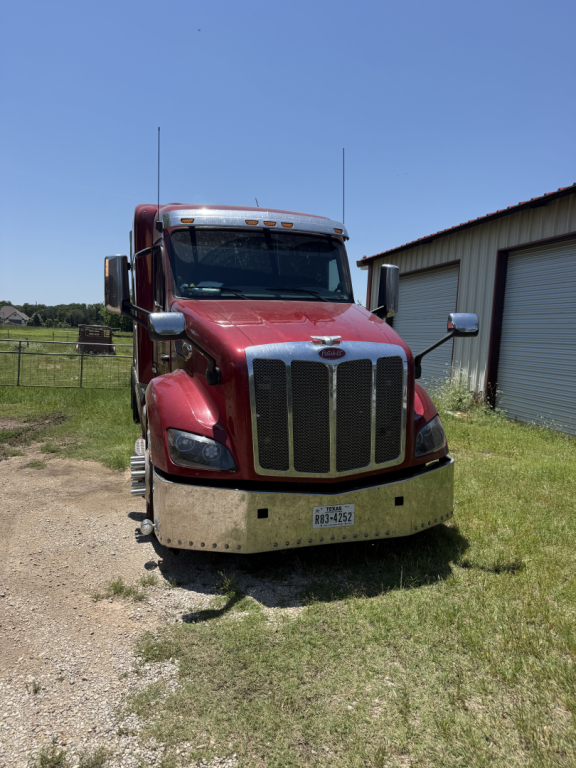
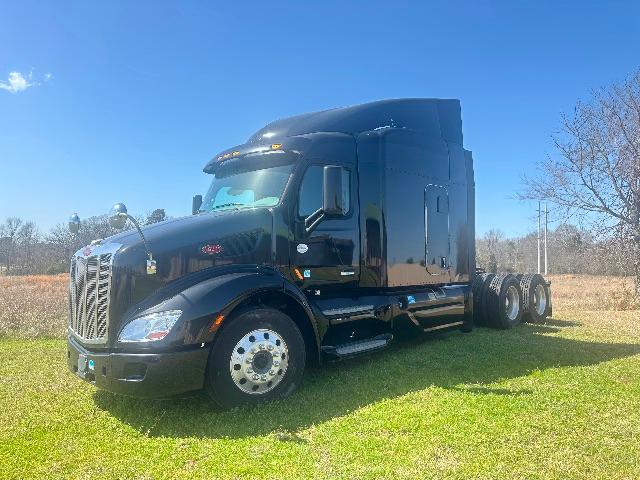
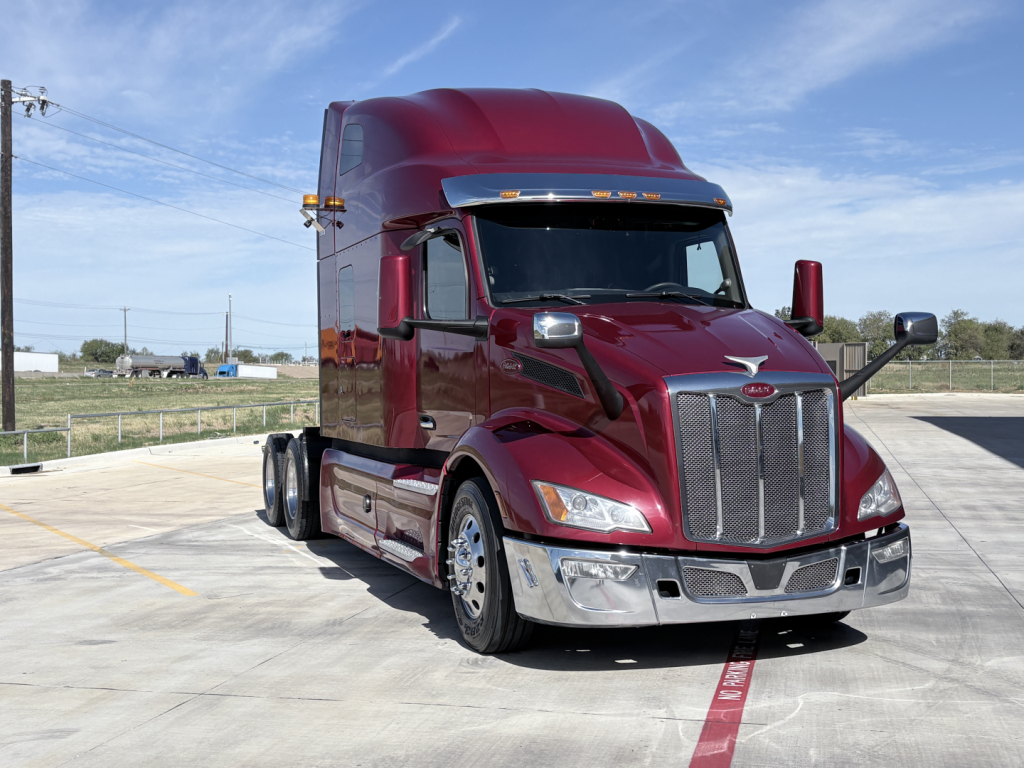
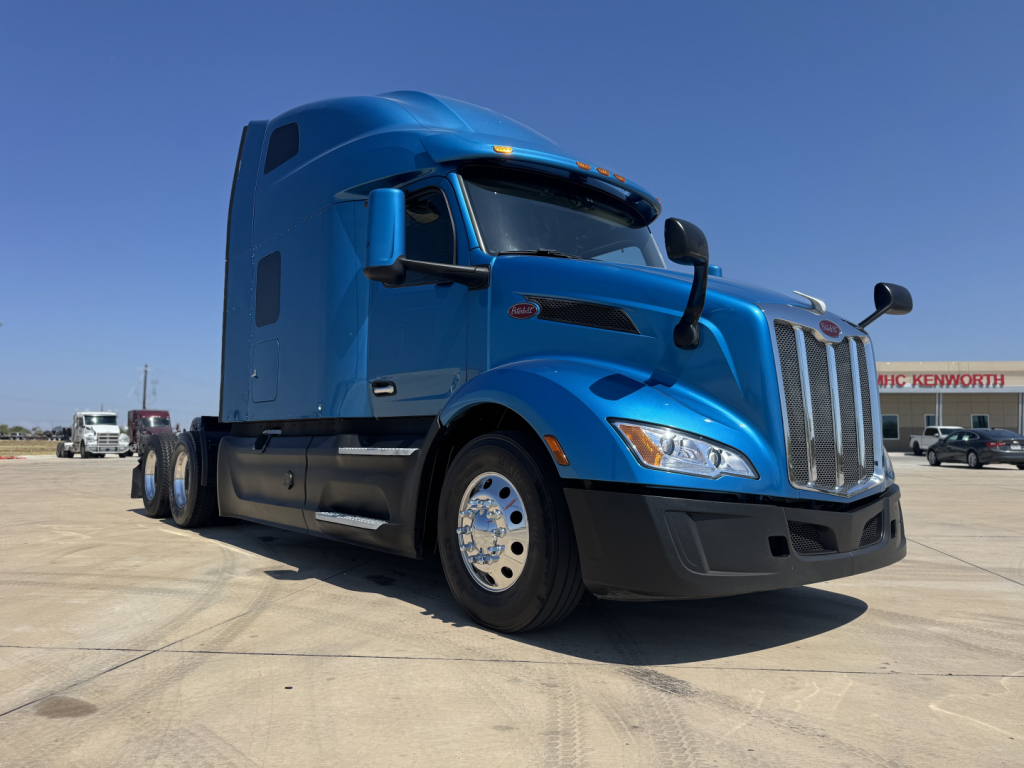
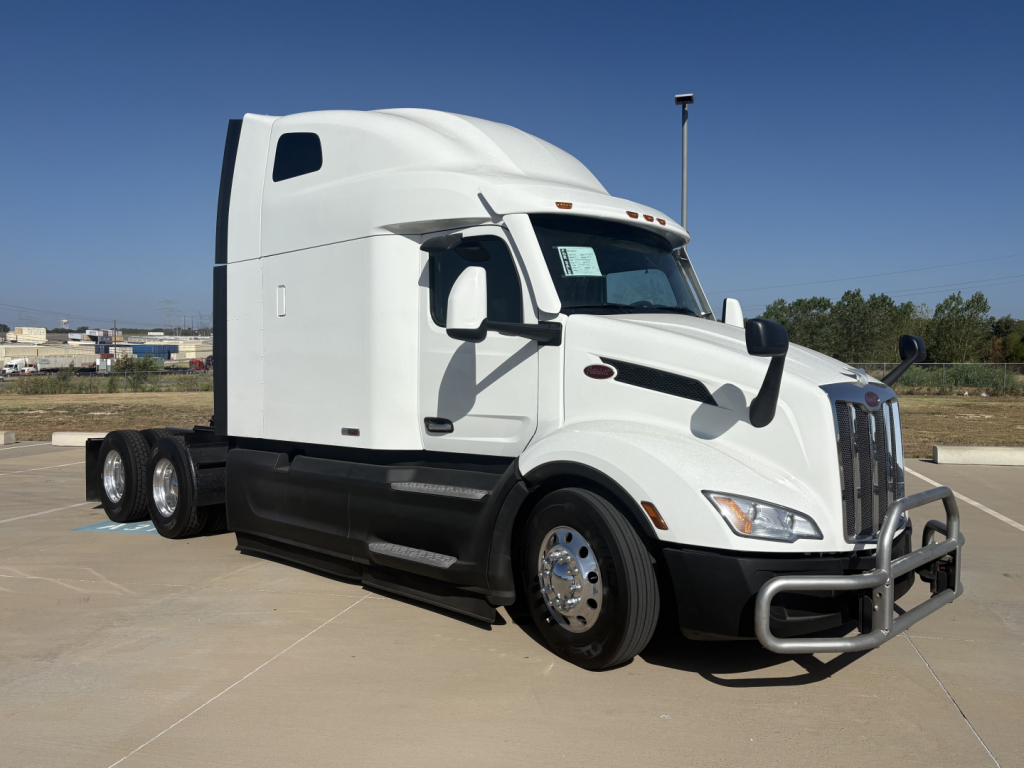
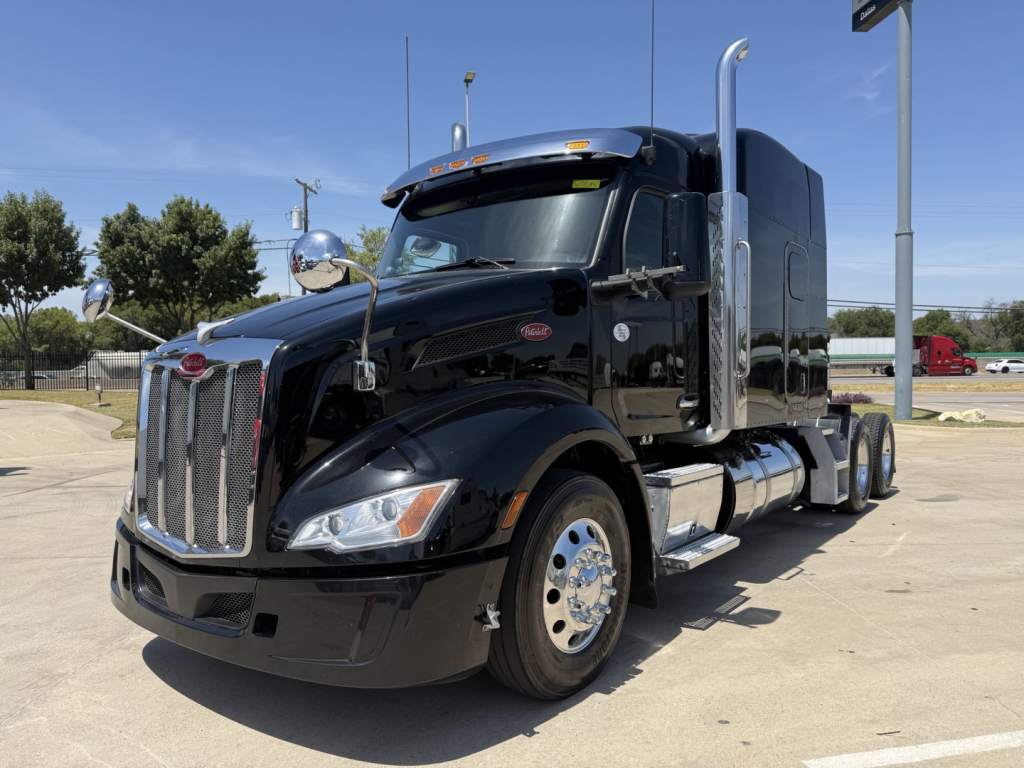
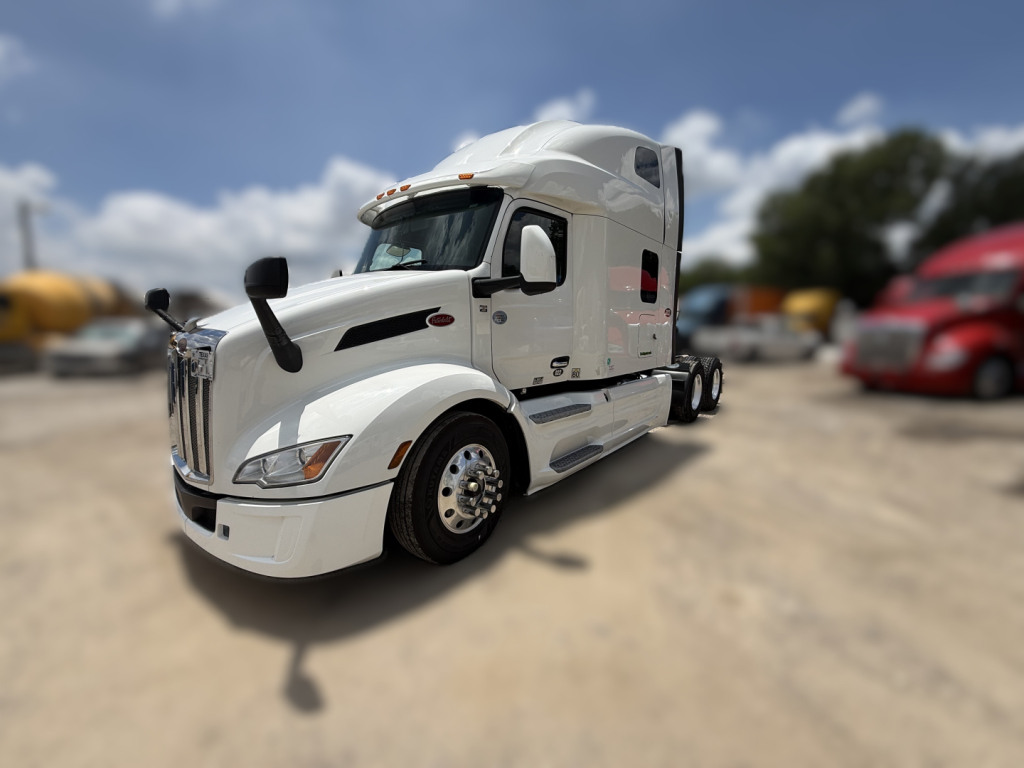

Selling a used peterbilt conventional sleeper truck? List your used peterbilt conventional sleeper truck for sale and reach thousands of commercial buyers.
Used Peterbilt Conventional Sleeper Trucks in Texas
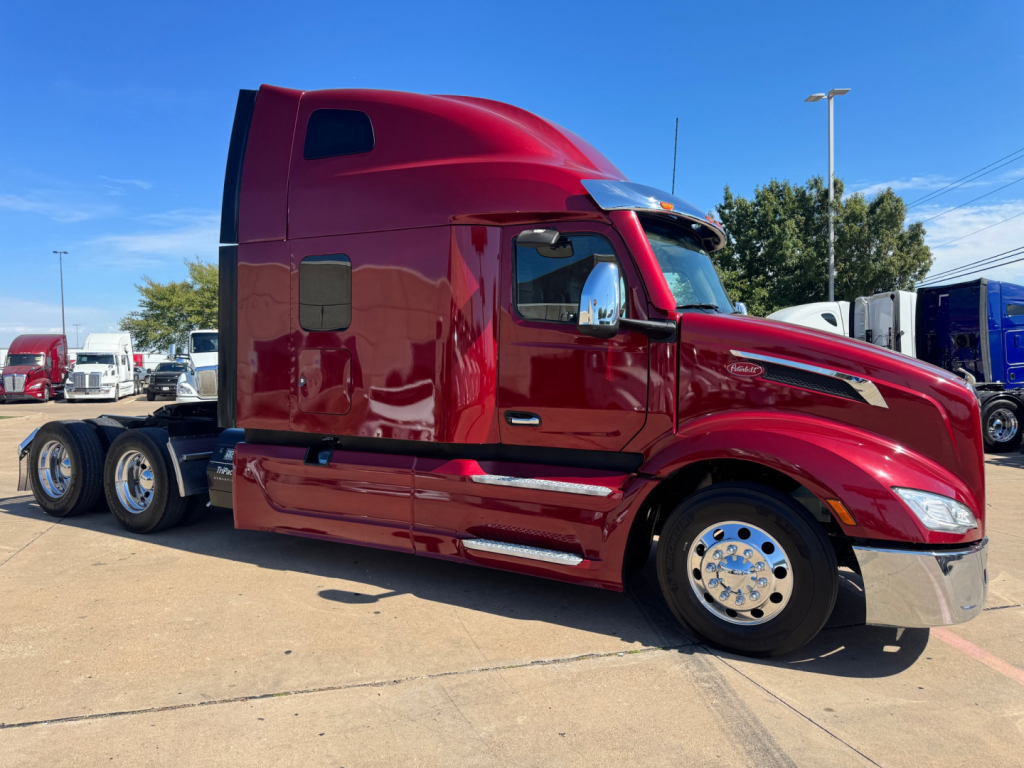
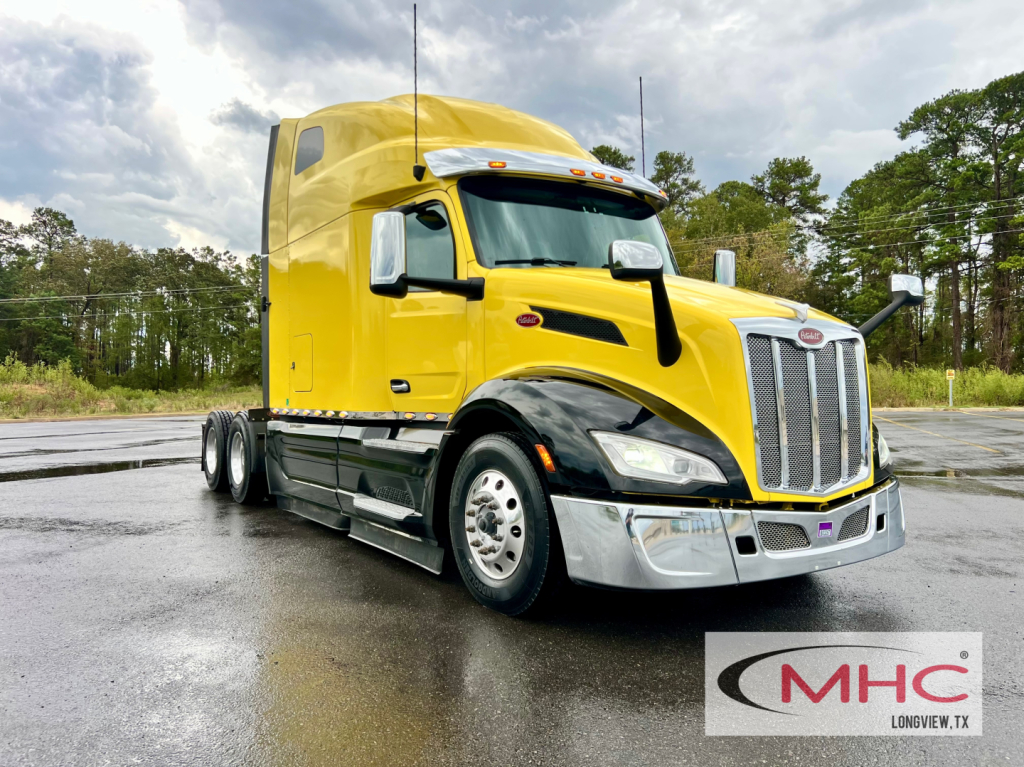
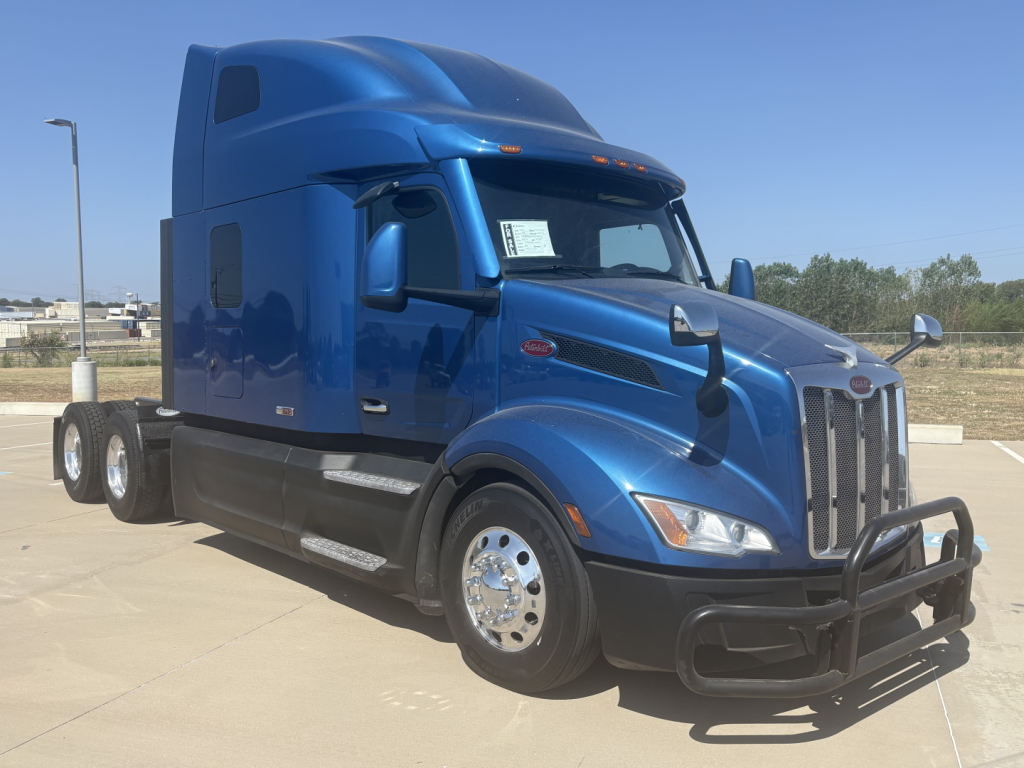
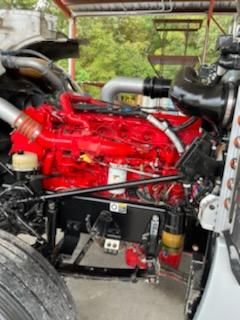
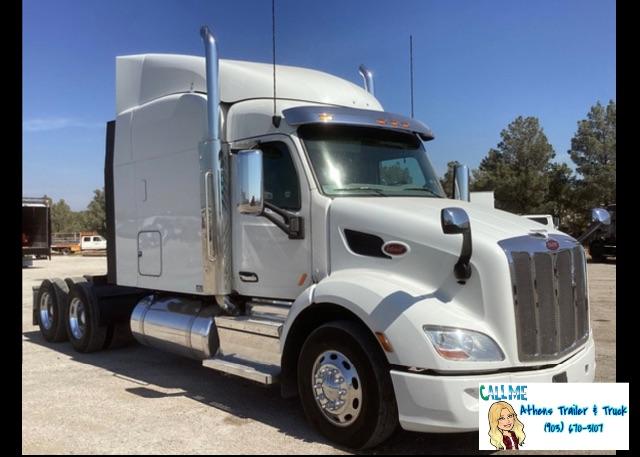
For regional and over-the-road work, the Peterbilt 579 is one of the most common conventional sleeper trucks on the road. Typical used specs include PACCAR MX-13 engines, automated or manual Eaton Fuller transmissions, tandem drive axles, and sleepers ranging from mid-roof configurations to 80-inch high-rise condos with double bunks. Buyers should pay close attention to rear axle ratio, wheelbase, and fifth wheel setup because those details affect cruise RPM, trailer compatibility, turning radius, and payload balance. A 2.64 ratio and aero package can make sense for linehaul fuel economy, while a longer wheelbase and larger sleeper may suit teams or drivers staying out for extended weeks. On later-model trucks, remaining factory warranty, telematics history, and documented PM intervals can matter as much as odometer miles.
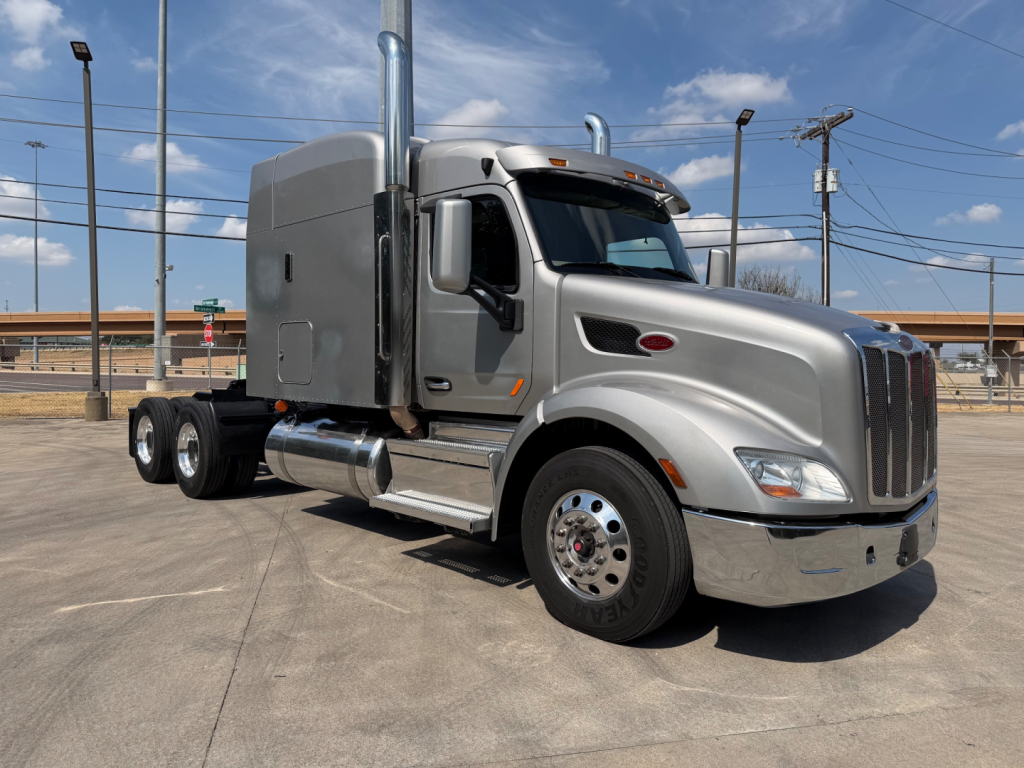
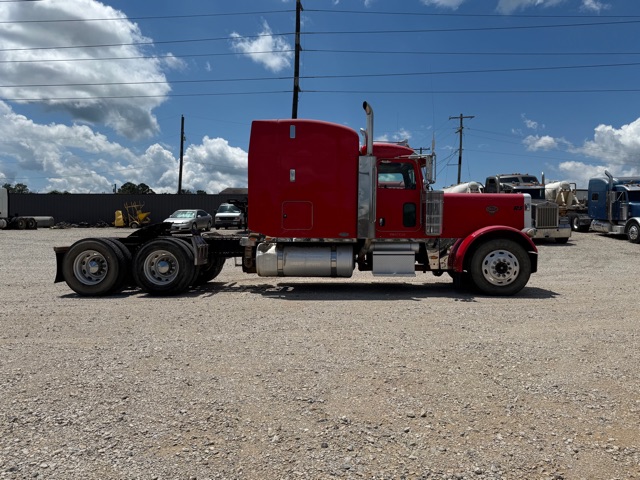
The Peterbilt 379 is a different kind of purchase. It is also known as a long-hood conventional sleeper, and buyers typically focus on rebuild history, engine pedigree, transmission condition, and chassis integrity more than cabin electronics or aero efficiency. A used 379 with paperwork on an inframe or overhaul, clutch replacement, suspension work, and steering or brake updates can still be a strong truck for heavy haul, open deck, livestock, or specialized over-the-road applications. Pre-emissions and early emissions-era trucks remain popular in Texas because many operators value mechanical simplicity, chrome appearance, and the ability to work on the truck without dealer-only diagnostics. That said, frame condition, signs of prior collision repair, kingpin to tandem axle relationship, driveline vibration, and cooling system health deserve a careful inspection before purchase.
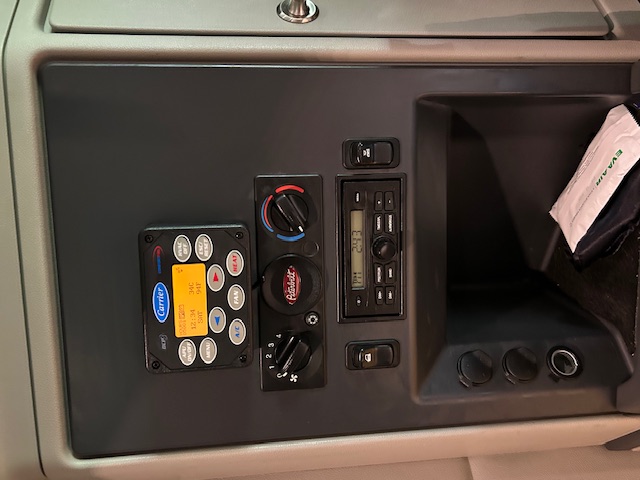
Across both models, sleeper condition matters more than many first-time buyers expect. Bunk layout, storage, insulation, HVAC performance, inverter setup, and signs of water intrusion directly affect driver retention and uptime. Look at seat wear, gauge function, dash warning history, APU or idle-management equipment, tire date codes, brake life, and service records rather than relying on appearance alone. A used Peterbilt conventional sleeper truck can be a premium buy when the spec matches the lane, trailer, and maintenance budget. The best value usually comes from buying for application first, then choosing the hood, engine, and sleeper size that fit the work.
Frequently Asked Questions about Used Peterbilt Conventional Sleeper Trucks in Texas
What is the difference between a Peterbilt 379 and a Peterbilt 579 sleeper truck?
The Peterbilt 379 is a classic long-hood conventional sleeper known for older-spec drivetrains, owner-operator appeal, and strong demand among buyers who want rebuildable mechanical platforms. The Peterbilt 579 is a newer aerodynamic sleeper designed for highway efficiency, improved driver comfort, and modern fleet operation. In practical terms, a 379 is often chosen for style, serviceability, and traditional powertrain preferences, while a 579 is usually chosen for fuel economy, newer safety systems, and lower-cost linehaul operation.
What should I look for on a used Peterbilt conventional sleeper in Texas?
Start with engine history, transmission condition, and documented maintenance. On a 579, review emissions system service, warranty status, software fault history, and rear axle ratio because those items affect uptime and operating cost. On a 379, focus on overhaul paperwork, clutch life, cooling system condition, suspension wear, and frame integrity. For any sleeper truck, inspect tire age, brake life, bunk HVAC performance, signs of water leaks, and the fifth wheel and wheelbase setup to make sure the truck matches the trailers and freight you plan to pull.
Is an automated transmission or manual transmission better in a used Peterbilt sleeper?
That depends on the application and driver pool. Automated manuals are common in newer Peterbilt 579 sleepers because they reduce driver fatigue, help with consistency in shifting, and often support fuel economy goals in fleet service. Manual transmissions such as 13-speed and 18-speed Eaton Fuller units remain popular with experienced owner-operators, especially in older 379s, because they offer direct control and can be better suited to certain heavy or specialized applications. The better choice is the one that fits your routes, freight, terrain, and maintenance resources.
How important is sleeper size on a Peterbilt conventional sleeper truck?
Sleeper size has a direct effect on driver comfort, storage capacity, and how long the truck can realistically stay out on the road. Larger sleepers such as 80-inch condo configurations are common for long-haul and team operation because they provide more room for bunks, cabinets, and living essentials. Smaller sleeper setups can save weight and shorten wheelbase, which may help maneuverability and certain regional applications. The right sleeper size should match trip length, solo or team use, and the amount of onboard equipment the driver needs.
Do used Peterbilt sleeper trucks hold their value well?
Peterbilt conventional sleepers generally hold value better than many comparable trucks because of strong brand recognition, driver preference, and steady aftermarket support. The 379 has especially strong resale interest due to its classic styling and engine options, while the 579 stays desirable because it is widely used in highway freight and has broad parts and service support. Condition, emissions generation, documented maintenance, and exact spec still determine real market value more than the badge alone.