
Used 2022 Conventional Sleeper Trucks For Sale in Texas
Browse used 2022 conventional sleeper trucks in Texas, including high-roof highway tractors with modern powertrains and driver-focused specs.
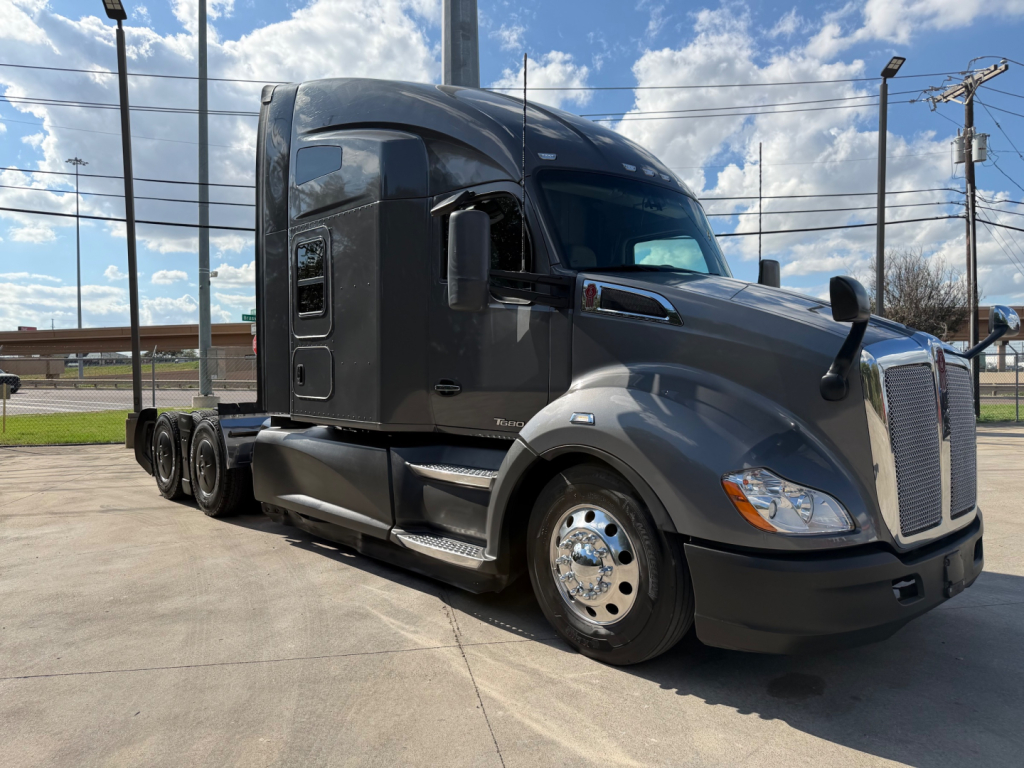
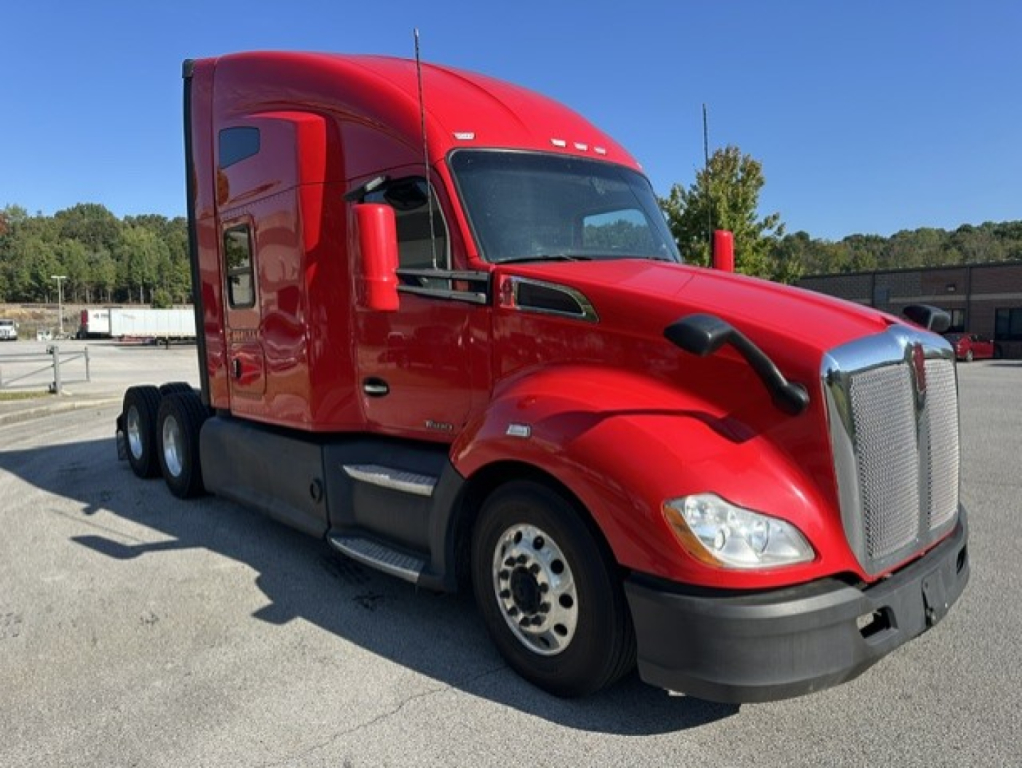
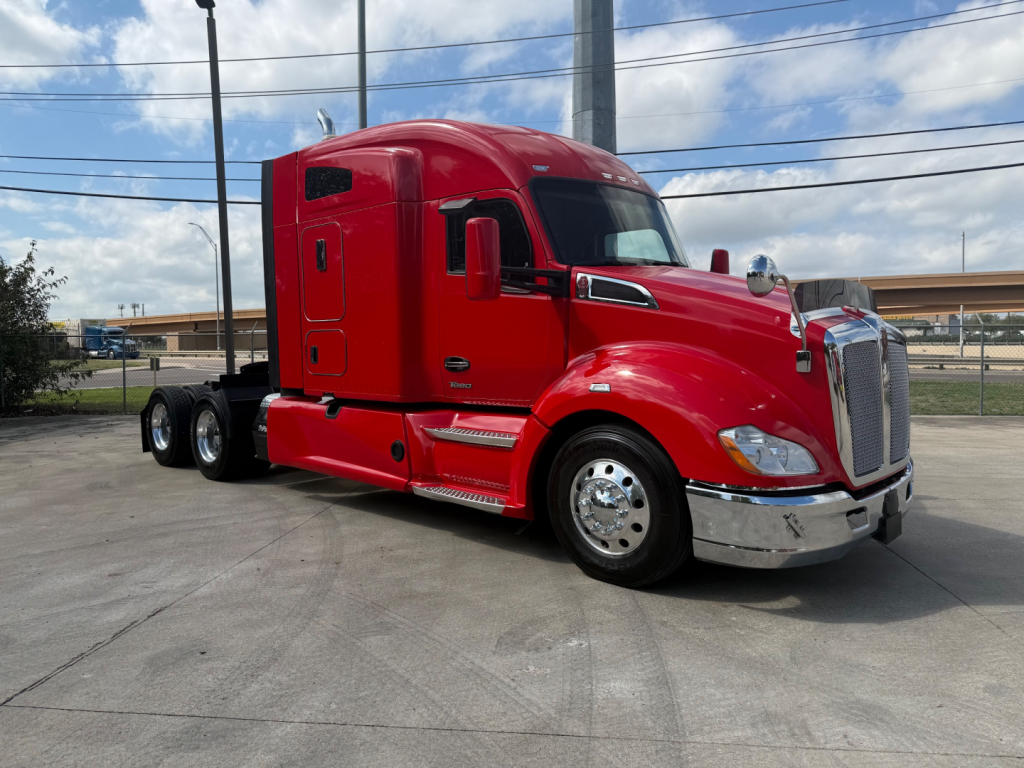
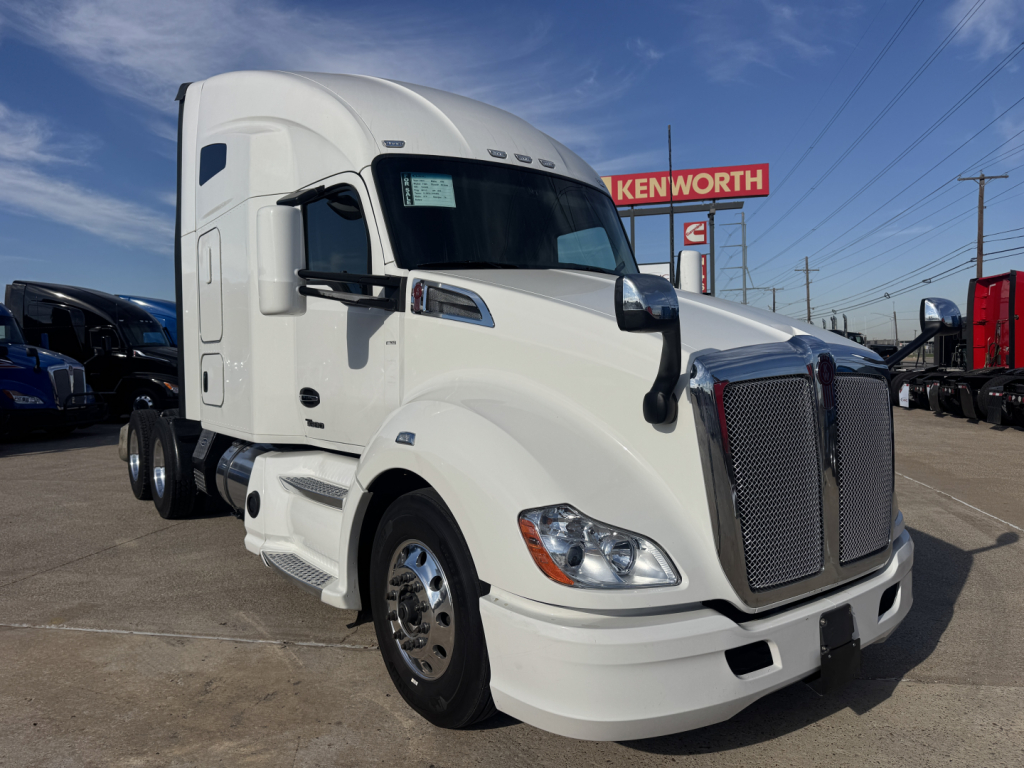
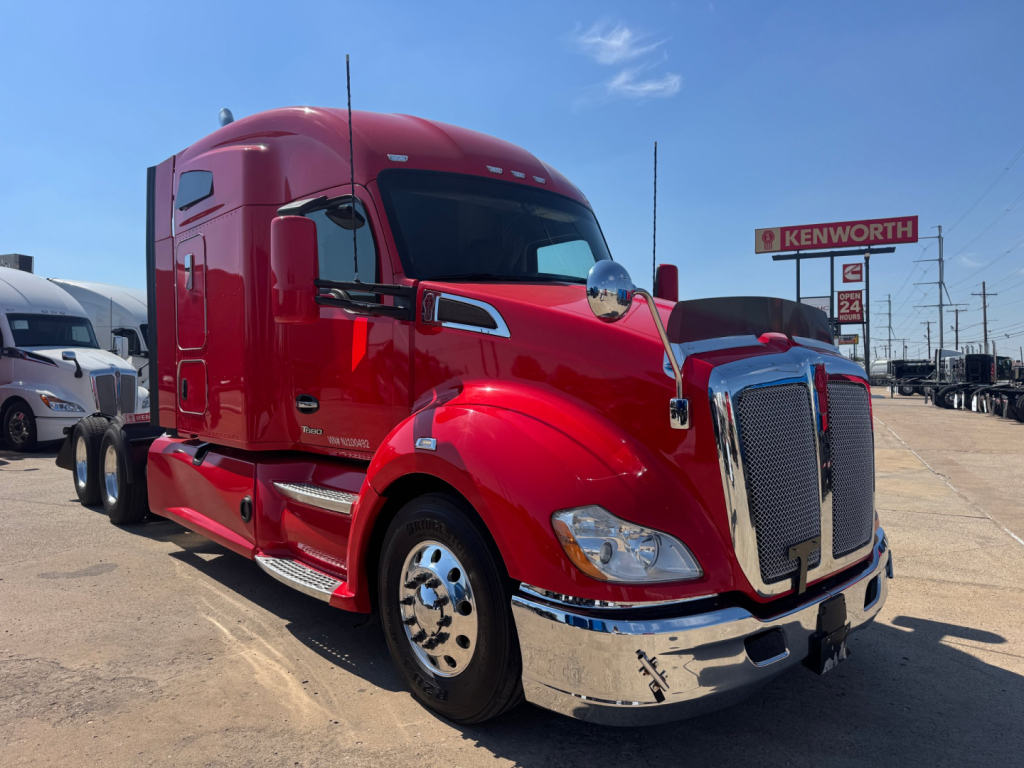
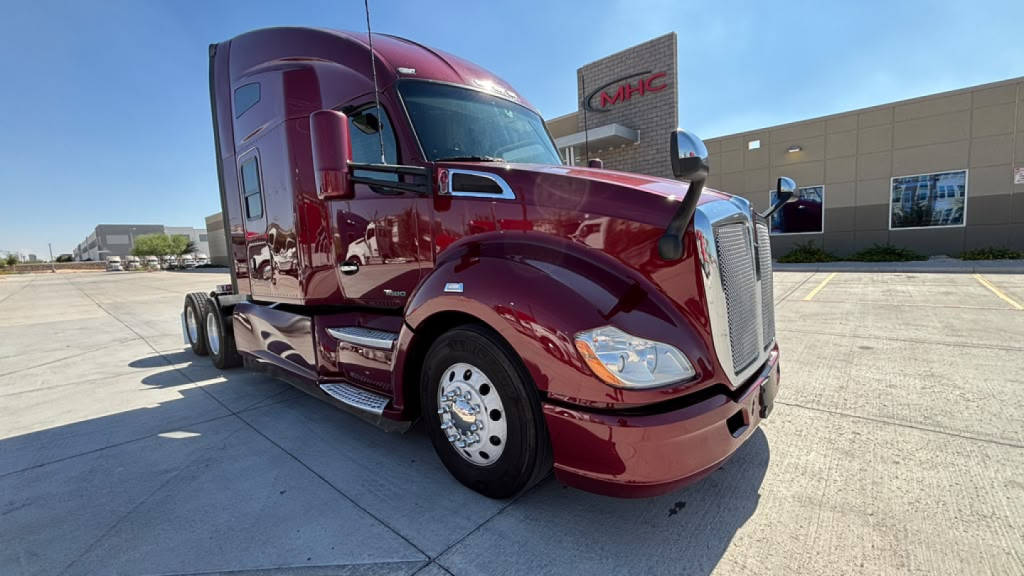
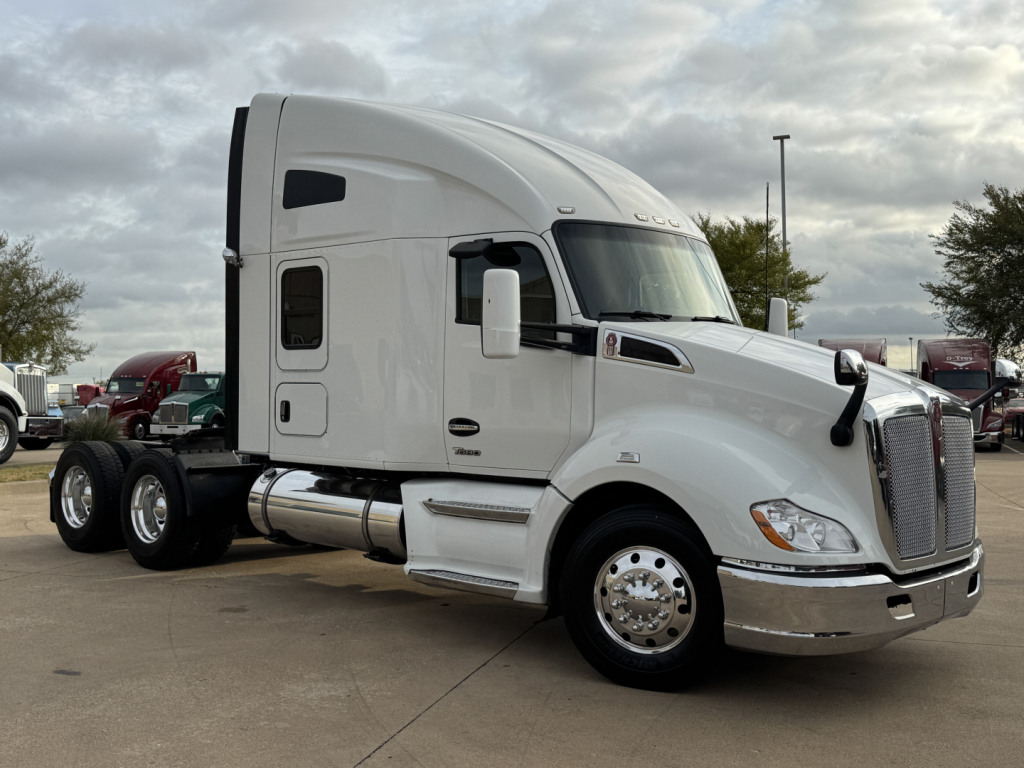
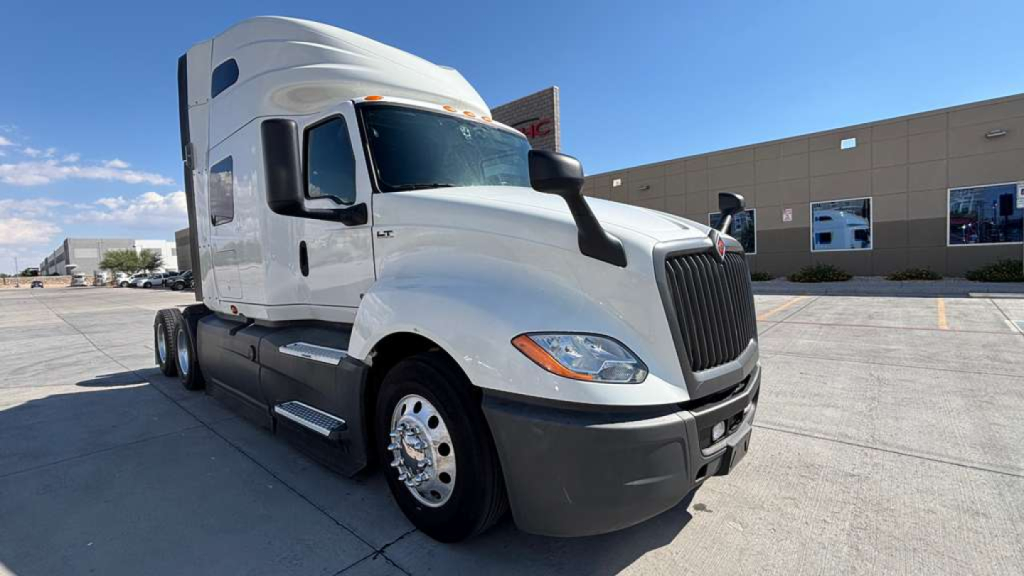
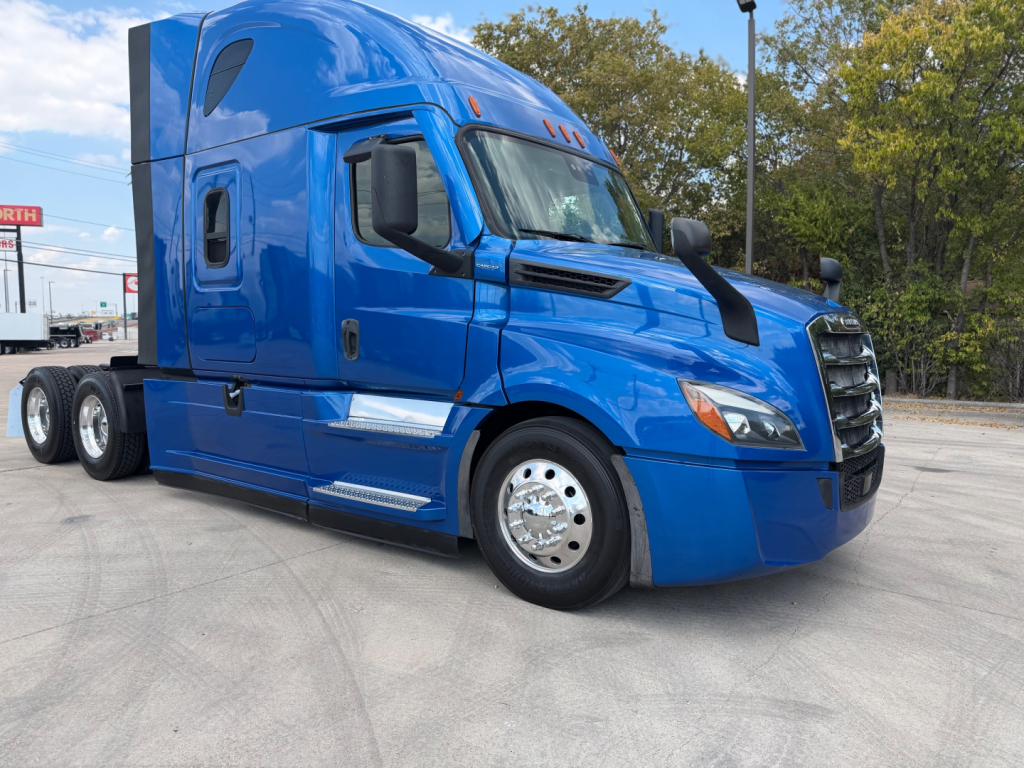
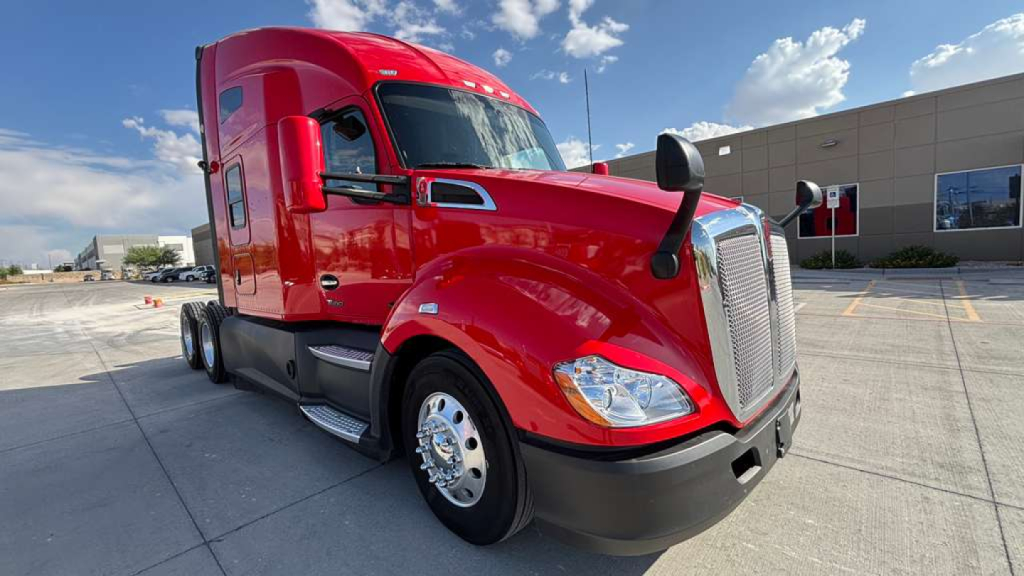
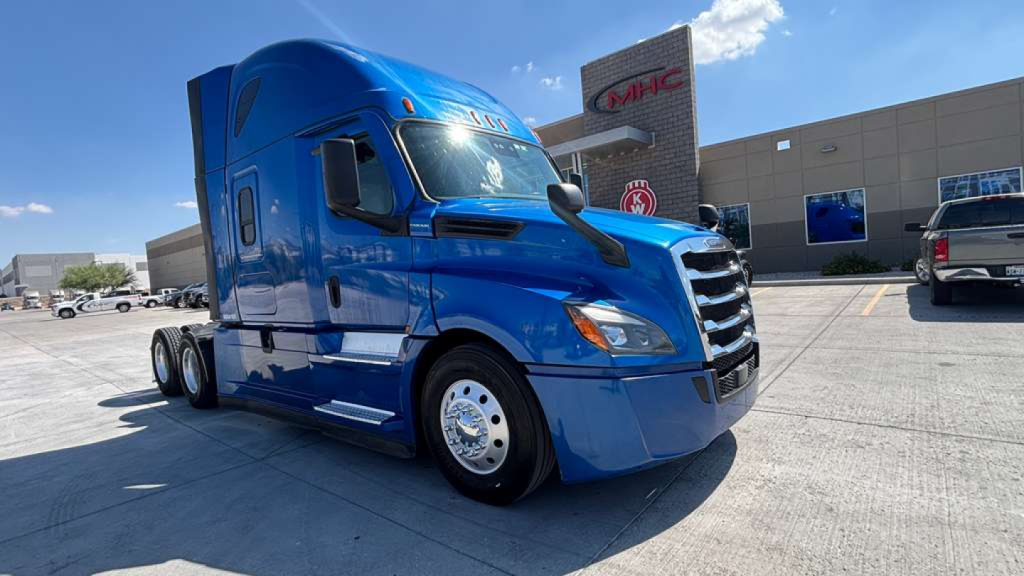
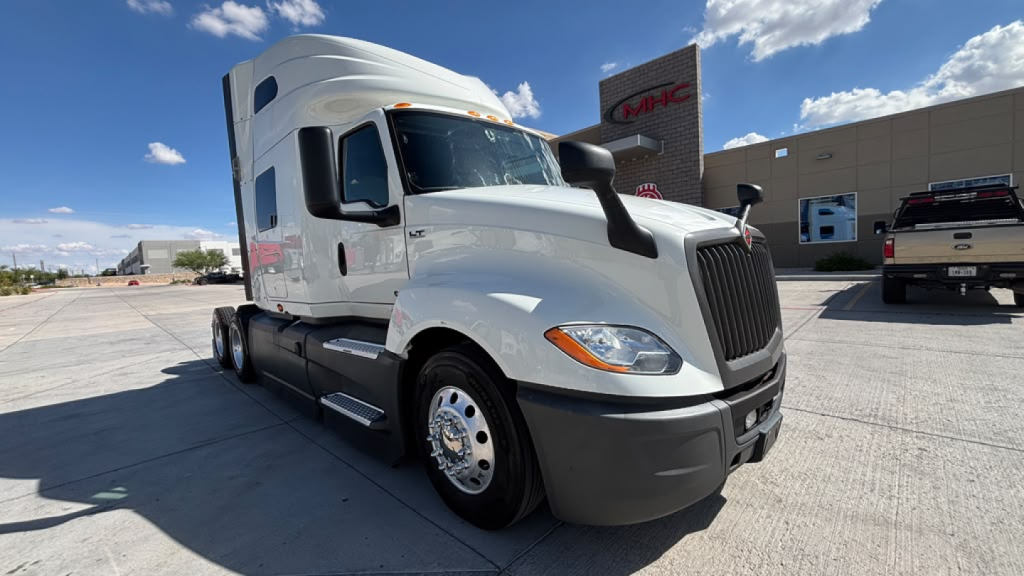
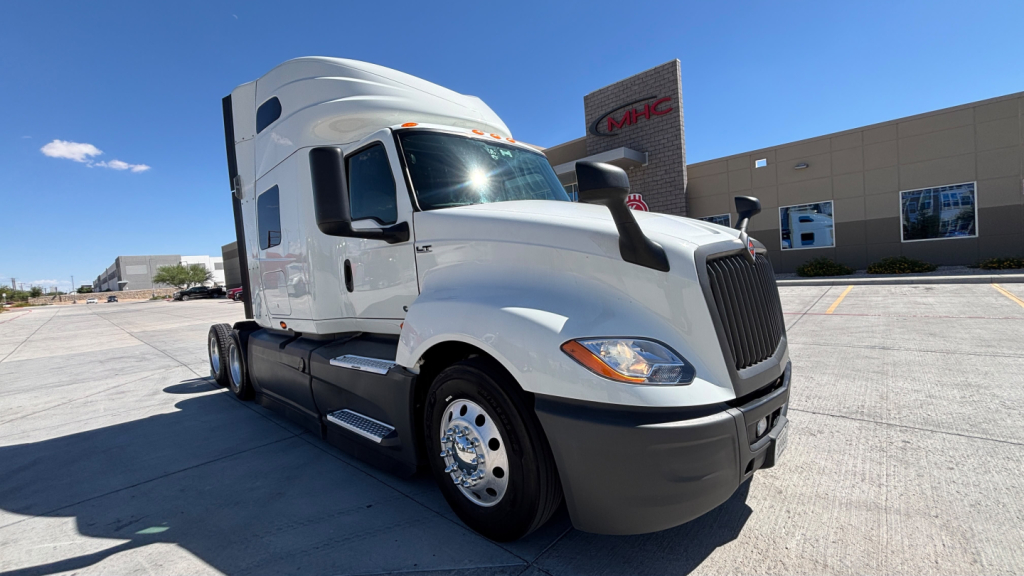
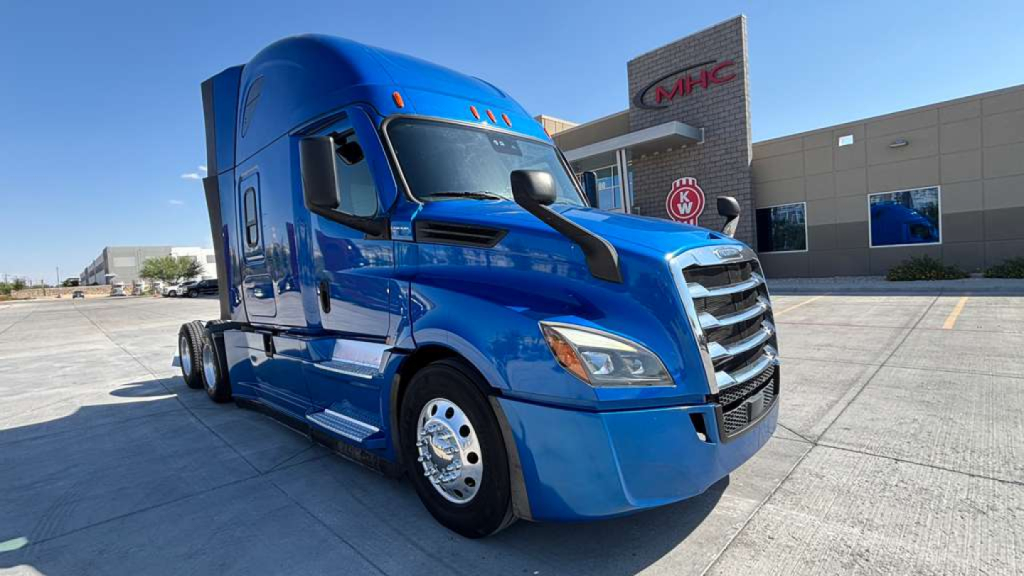
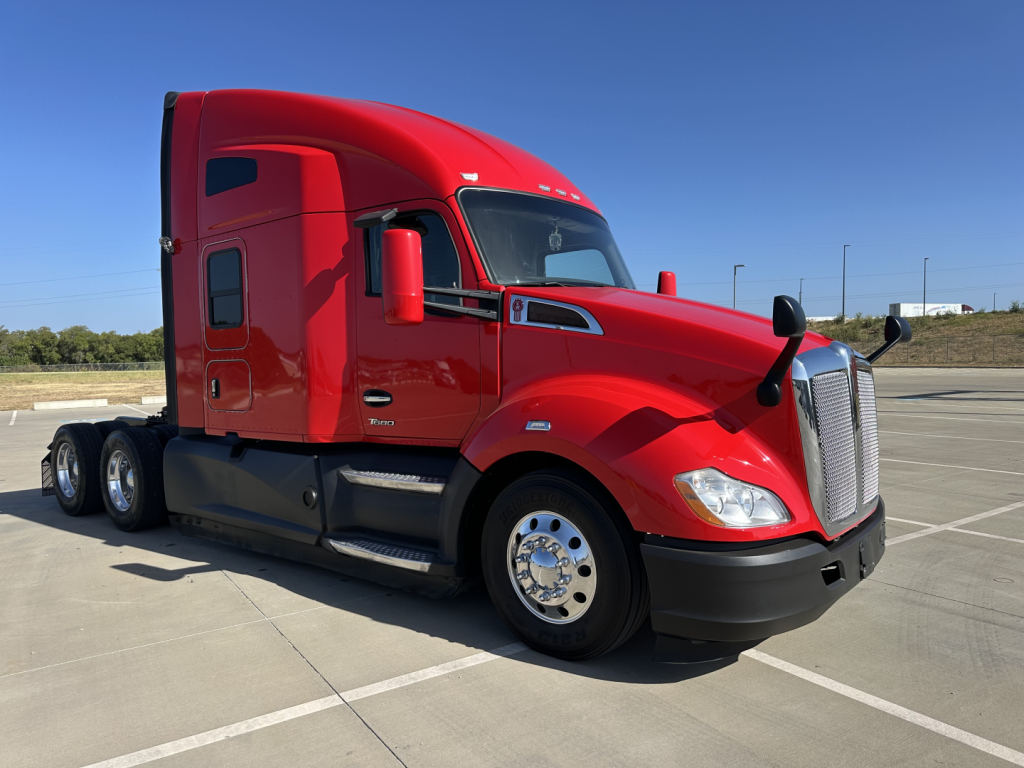
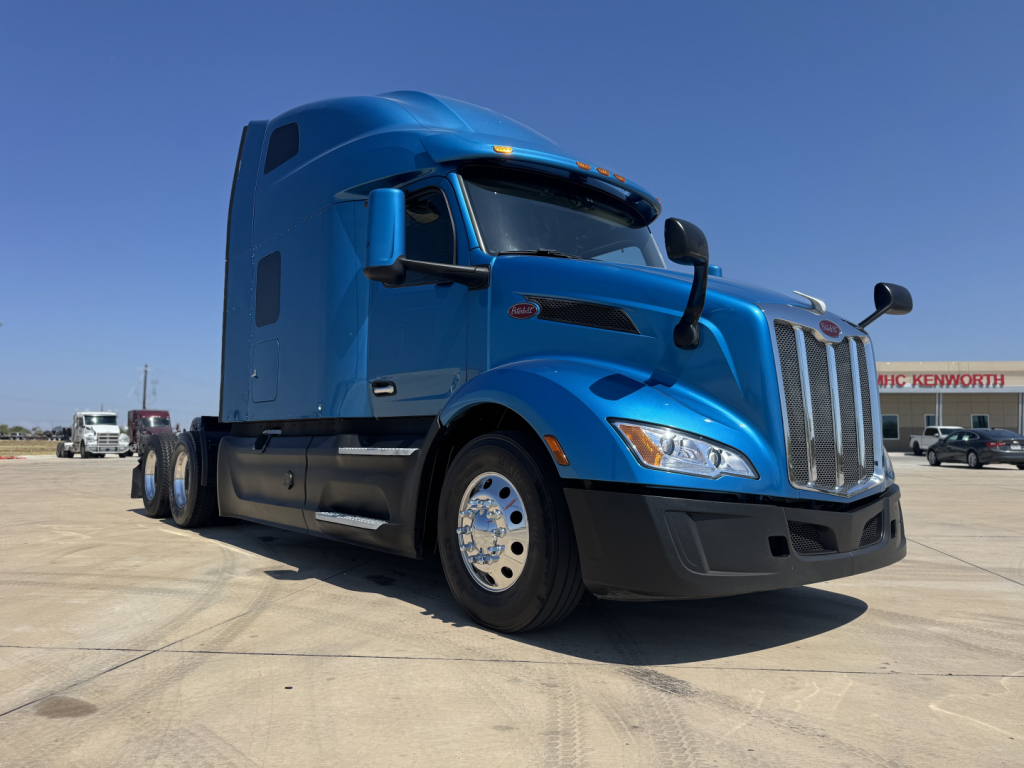
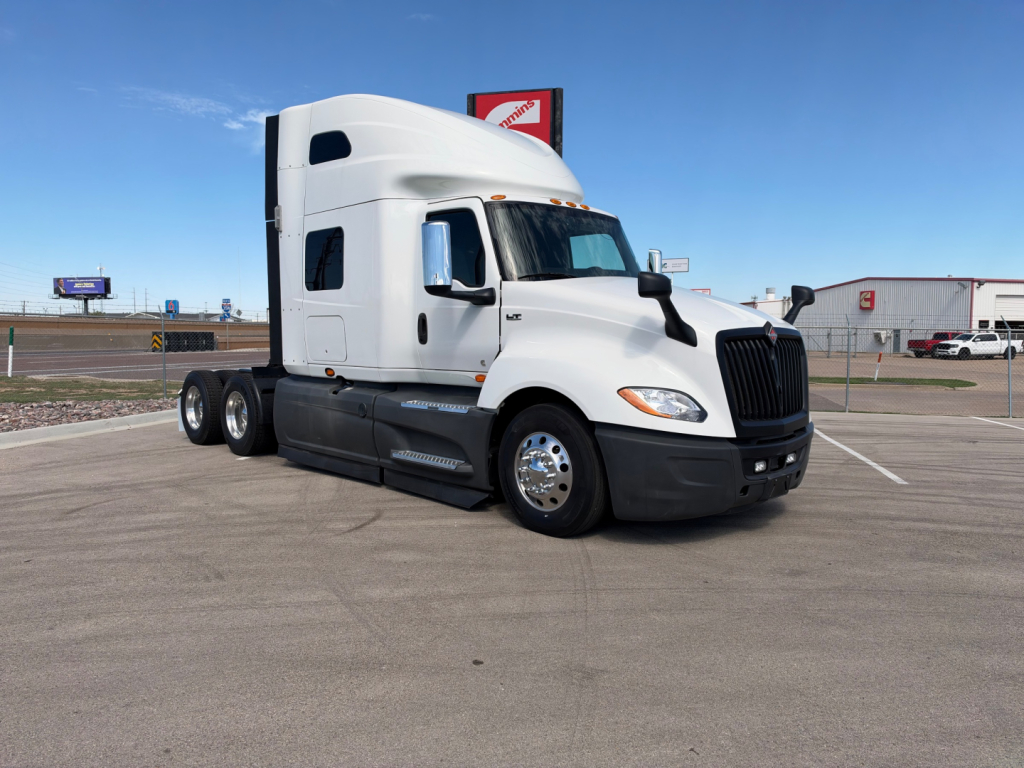
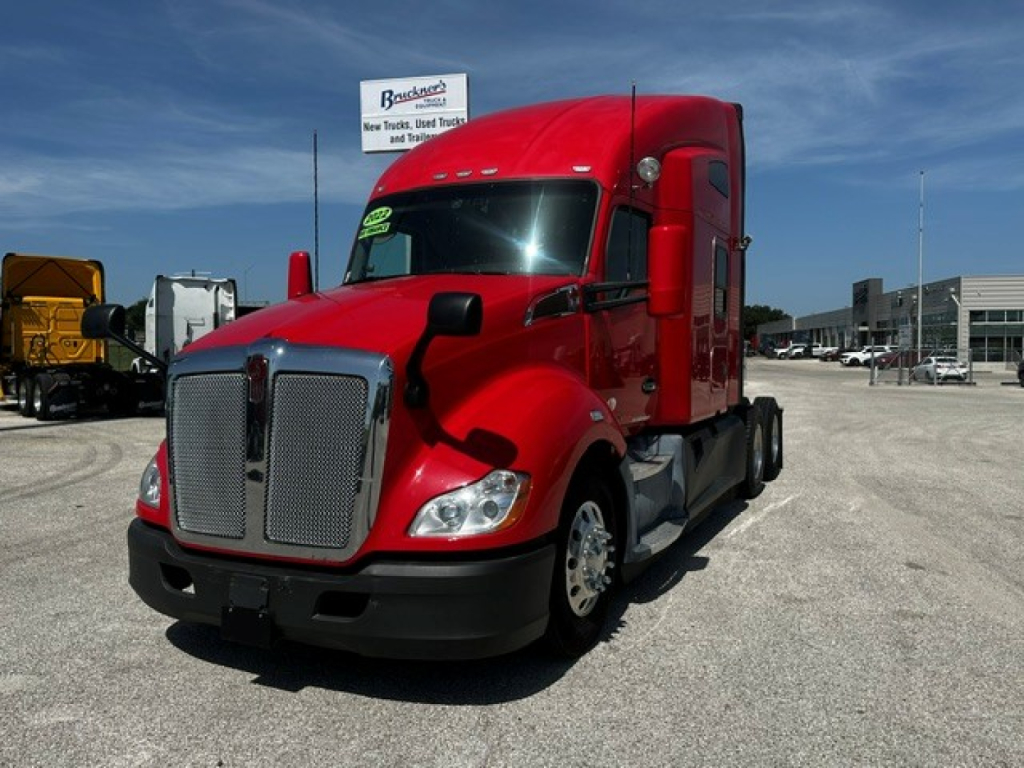
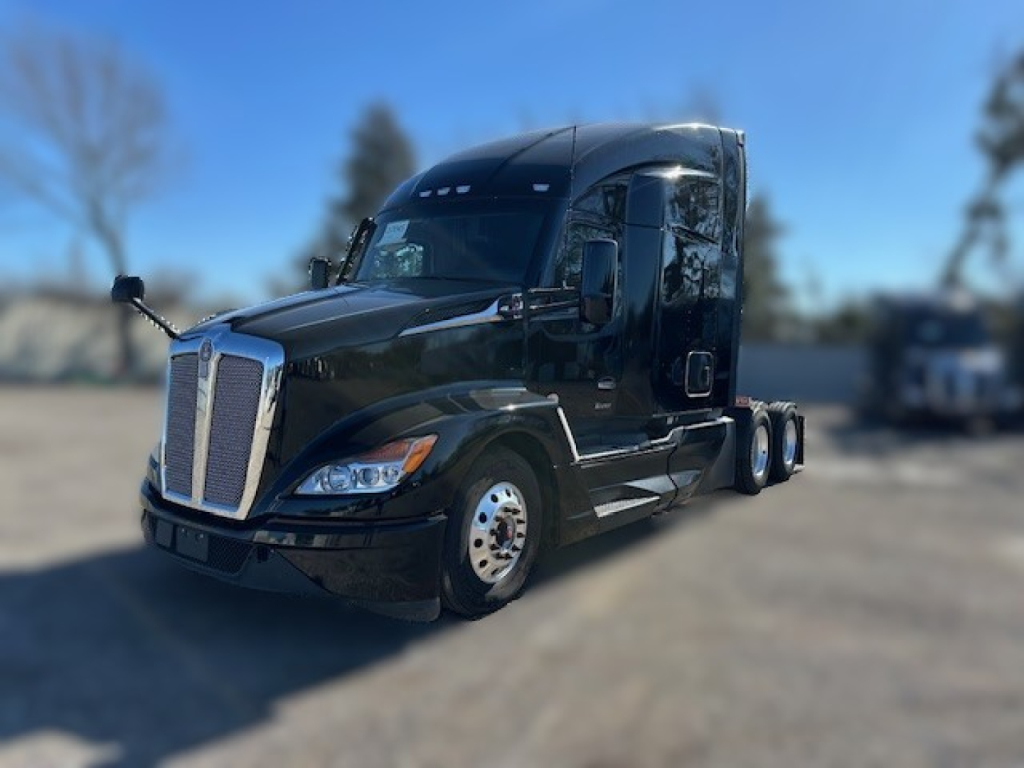
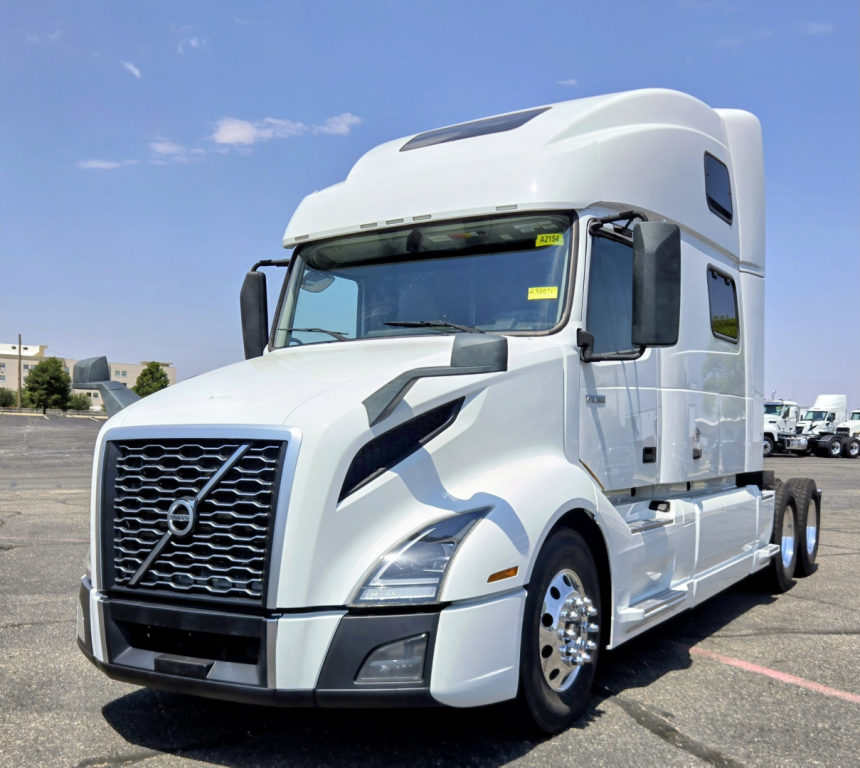
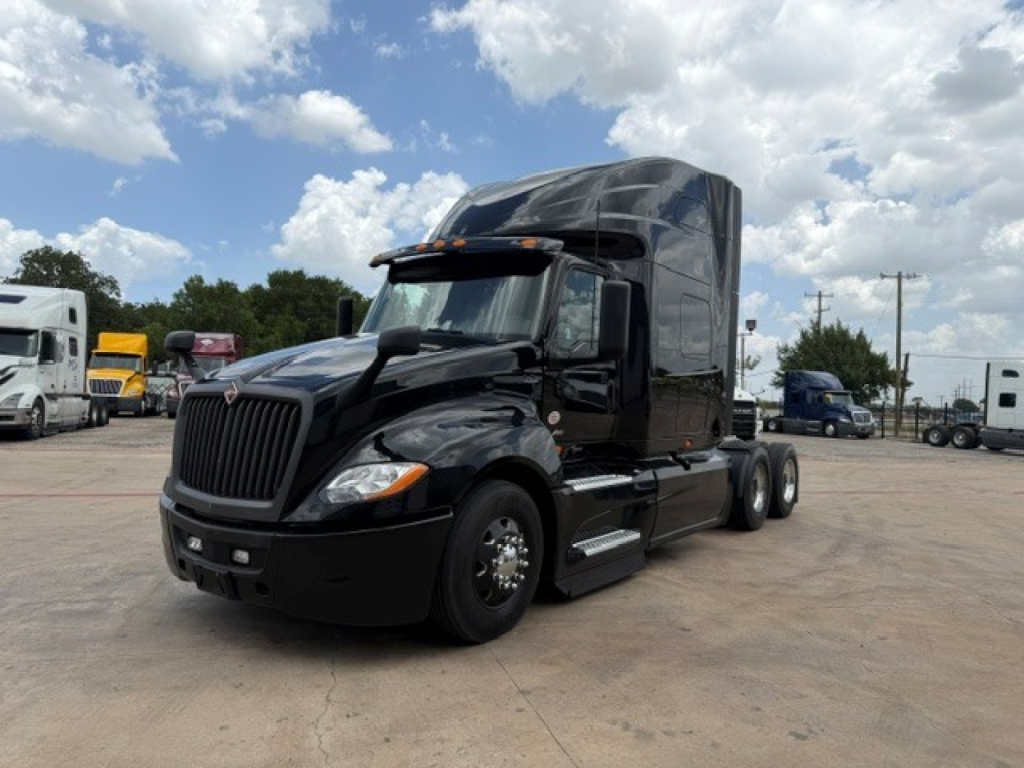

Selling a used 2022 conventional sleeper truck? List your used 2022 conventional sleeper truck for sale and reach thousands of commercial buyers.
Used 2022 Conventional Sleeper Trucks in Texas
The biggest buying decisions usually come down to engine, transmission, sleeper size, and axle ratio. Common 2022 platforms in this class include Freightliner Cascadia, Peterbilt 579, Volvo VNL, International LT, and Mack Anthem. Typical engines are the Detroit DD15, Cummins X15, PACCAR MX-13, Volvo D13, and Mack MP8, often in the 400 to 505 horsepower range. Most used 2022 sleeper trucks are equipped with automated manual transmissions such as the Detroit DT12, Volvo I-Shift, Mack mDRIVE, or Eaton Endurant, though some buyers still prefer a traditional manual. Rear axle ratios like 2.47, 2.64, or 3.08 affect cruise RPM, fuel economy, and gradeability, so the right ratio depends on whether the truck will stay on flat Texas lanes, run mixed terrain, or pull heavier gross weights regularly.
Sleeper configuration matters more than many buyers expect. A 56-inch sleeper works well for regional fleets and solo drivers who need storage without adding unnecessary wheelbase. A 70-inch to 72-inch condo sleeper gives more living space, larger cabinets, and better comfort for extended over-the-road use or team operation. Wheelbase, fuel capacity, and fairing layout all influence maneuverability and weight distribution. It is also worth checking frame length, fifth wheel placement, and kingpin setting compatibility if the truck will be paired with a mix of dry van, reefer, or specialized trailers. Buyers running Texas and surrounding states should also pay attention to tire condition, alignment history, emission system service records, and signs of excessive idle hours, since those factors can affect operating cost as much as odometer miles.
A well-selected 2022 conventional sleeper can offer a useful balance of uptime, resale strength, and driver retention. Look closely at maintenance history, aftertreatment repairs, software updates, clutch life on automated transmissions, and wear in the bunk, seats, and dash controls. Air ride suspension, collision mitigation systems, adaptive cruise, lane departure warning, and disc brakes are increasingly common in this model year and can add value depending on the application. For buyers comparing multiple used sleeper trucks in Texas, the smartest approach is to match the spec to the freight first, then evaluate mileage, service documentation, and drivetrain efficiency as a package rather than chasing horsepower alone.
Frequently Asked Questions about Used 2022 Conventional Sleeper Trucks in Texas
What is a conventional sleeper truck?
A conventional sleeper truck is a highway tractor with a standard hooded engine layout and a built-in sleeping compartment behind the cab. It is designed for long-haul freight, overnight routes, and extended time on the road. Compared with a day cab, a sleeper adds bunk space, storage, and often more driver comfort features, making it the preferred setup for over-the-road work.
What engines are common in used 2022 conventional sleeper trucks?
Common engines in this category include the Detroit DD15, Cummins X15, PACCAR MX-13, Volvo D13, and Mack MP8. Most are rated roughly from the low-400 horsepower range up to around 500 horsepower, depending on the original fleet spec. Buyers should focus on maintenance records, fault history, emissions-system service, and how the engine is matched to the transmission and rear axle ratio, not just peak horsepower.
Is an automated transmission a good choice in a 2022 sleeper truck?
For most fleets and many owner-operators, yes. Automated manual transmissions became the standard spec in this class because they help with fuel economy, reduce driver fatigue, and simplify hiring. Systems such as Detroit DT12, Volvo I-Shift, Mack mDRIVE, and Eaton Endurant are widely used. The key is to verify software updates, clutch wear, shift quality, and service history before purchase.
What sleeper size is best for regional versus long-haul use?
A 56-inch sleeper is often enough for regional work, shorter overnights, and operations that value a shorter wheelbase. A 70-inch or 72-inch sleeper is usually better for long-haul service, team driving, or drivers who spend extended periods away from home. Larger sleepers add comfort and storage, but they also affect wheelbase, weight, and maneuverability, so the best choice depends on route length and trailer mix.
What should buyers in Texas inspect first on a used 2022 conventional sleeper?
Start with cooling system performance, tire condition, alignment, aftertreatment history, and idle hours. Texas operation can be hard on cooling components, batteries, and tires because of heat and long highway miles. It is also smart to inspect DPF and SCR service records, suspension wear, brake condition, fuel tank setup, and any signs that the truck's gearing or sleeper configuration does not match the intended freight application.