
Used 2020 Conventional Sleeper Trucks For Sale in Texas
Shop used 2020 conventional sleeper trucks in Texas. Compare aero specs, sleeper sizes, powertrains, wheelbases, and driver comfort features.
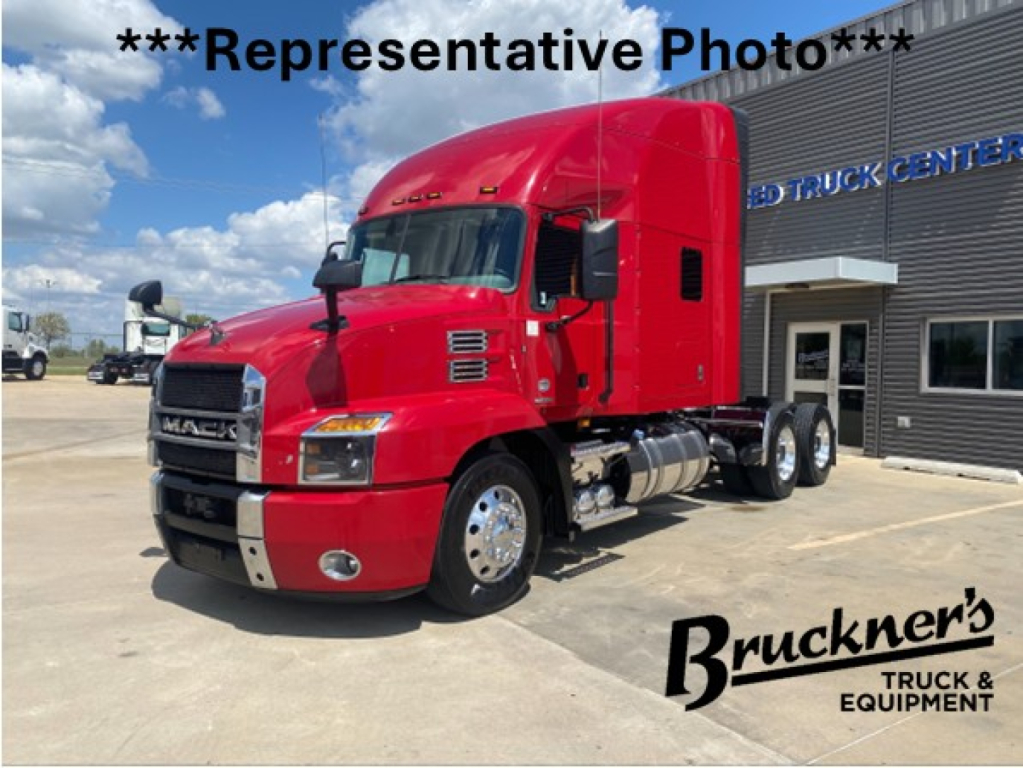
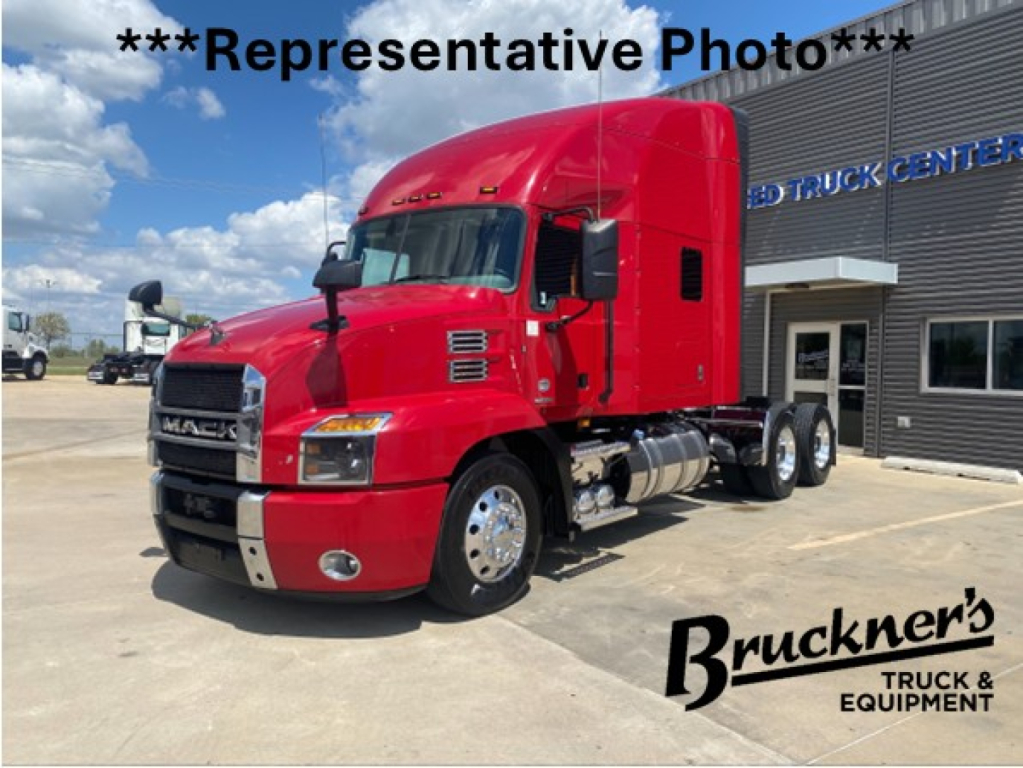
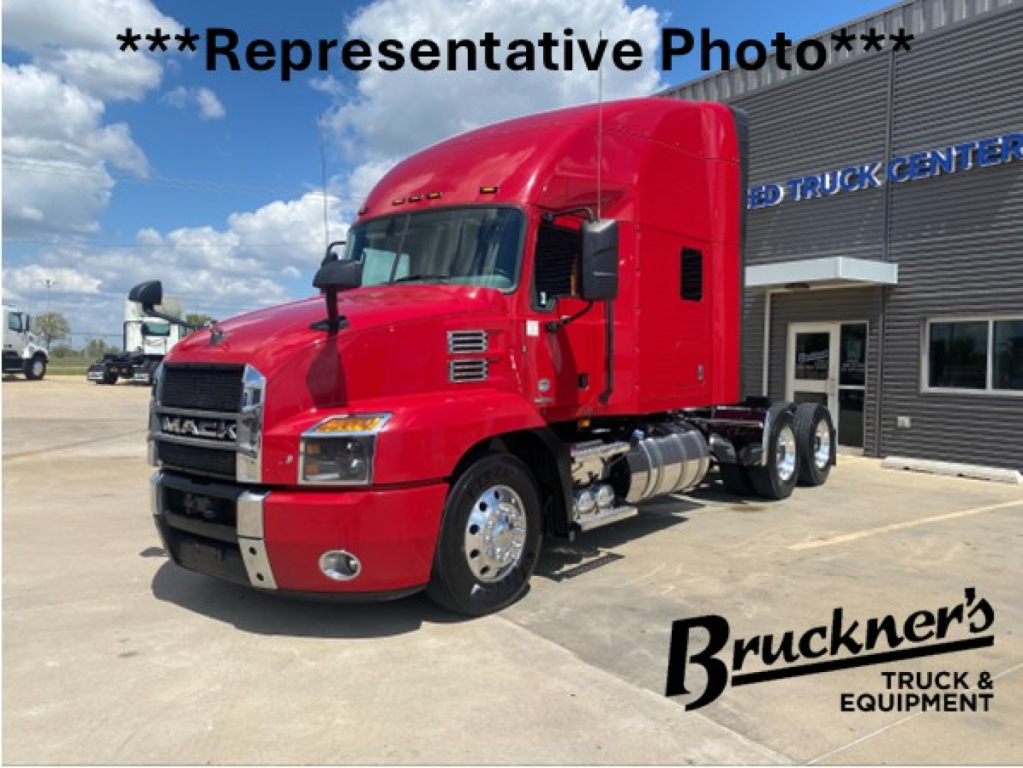
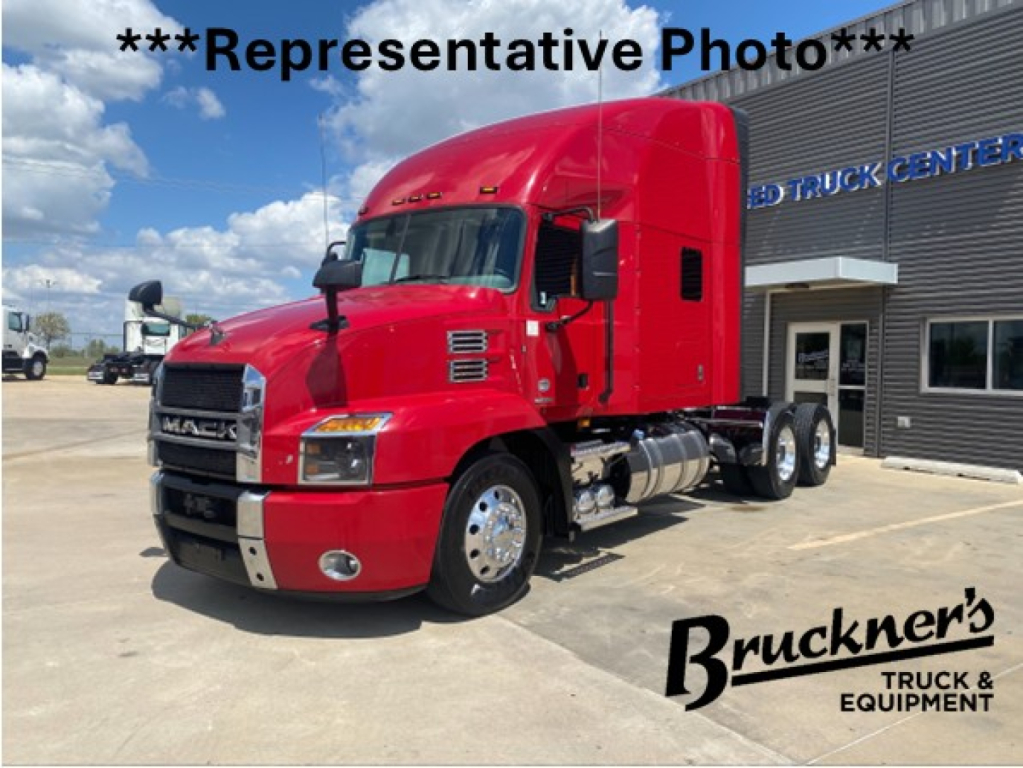
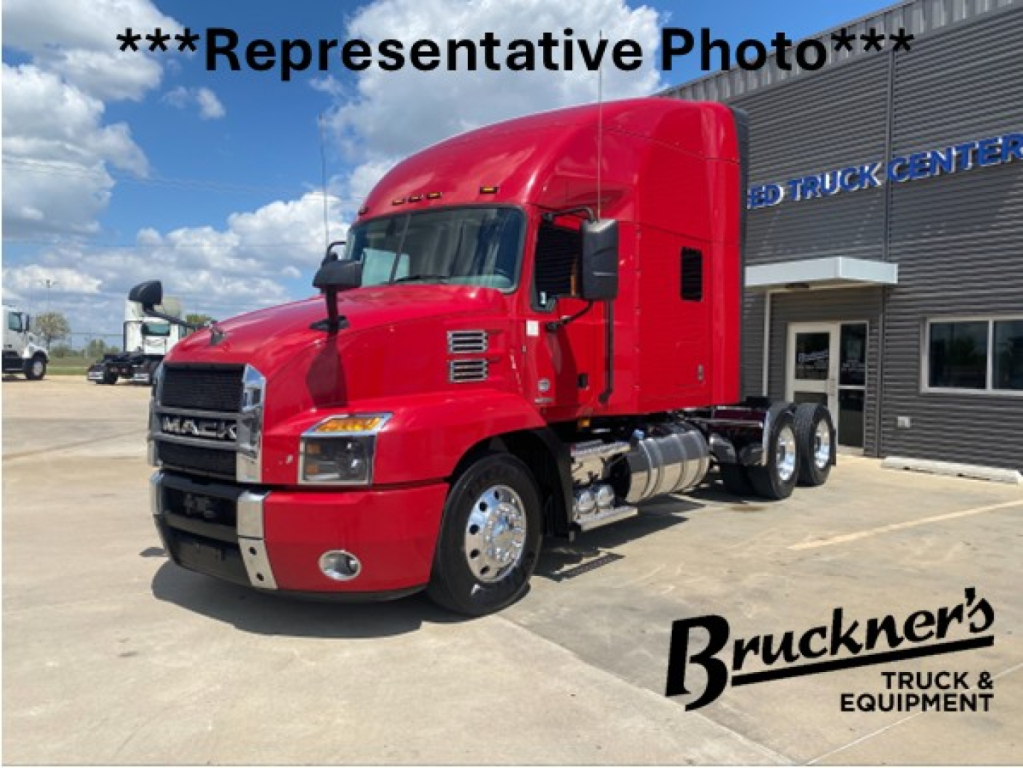
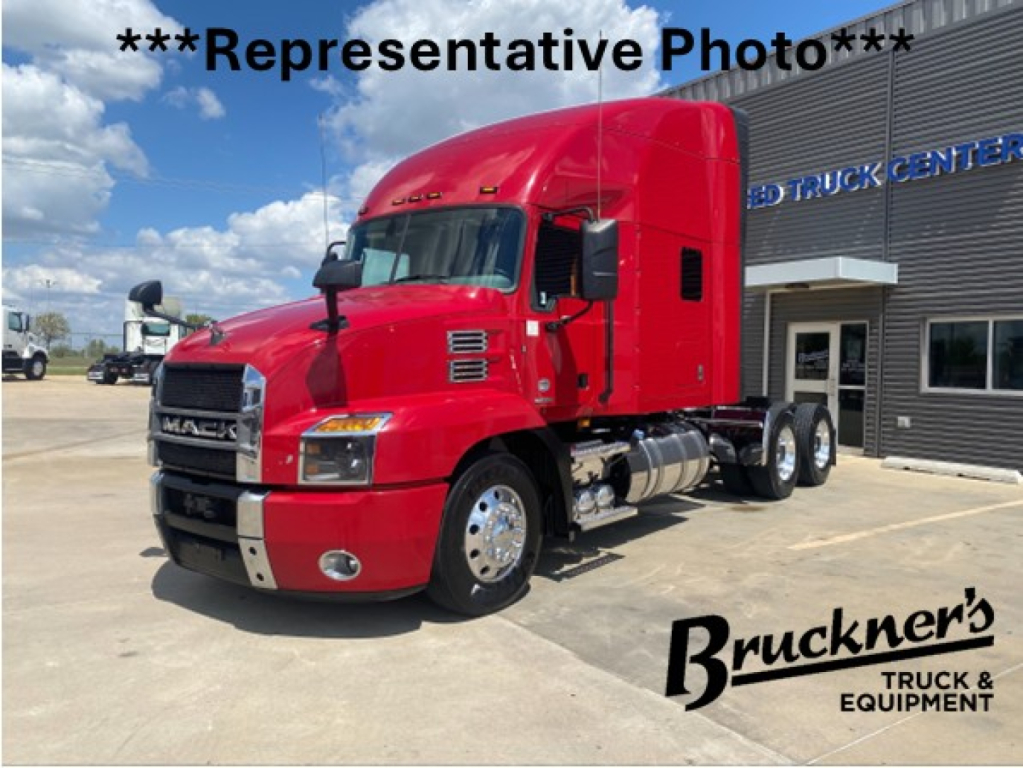
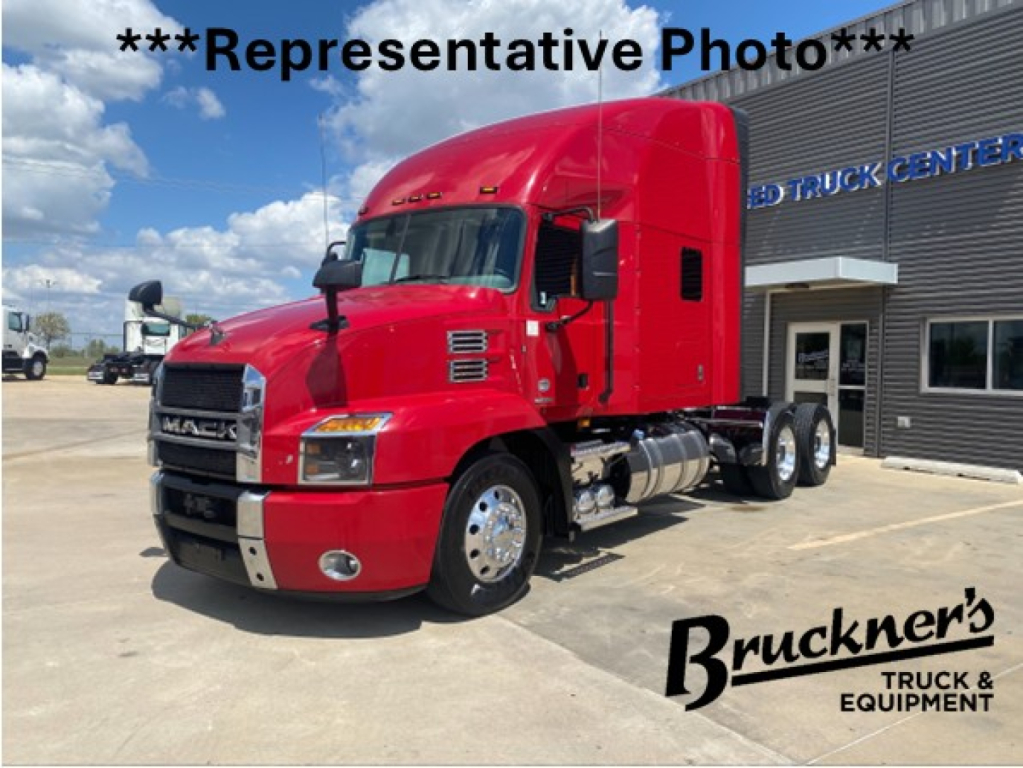
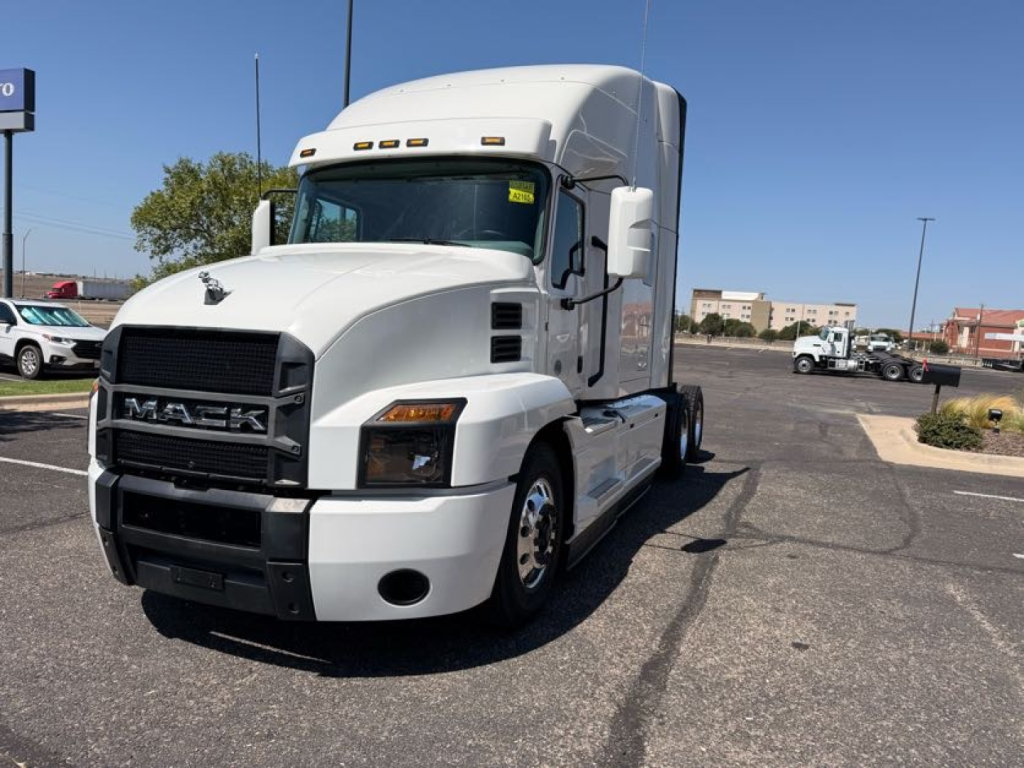
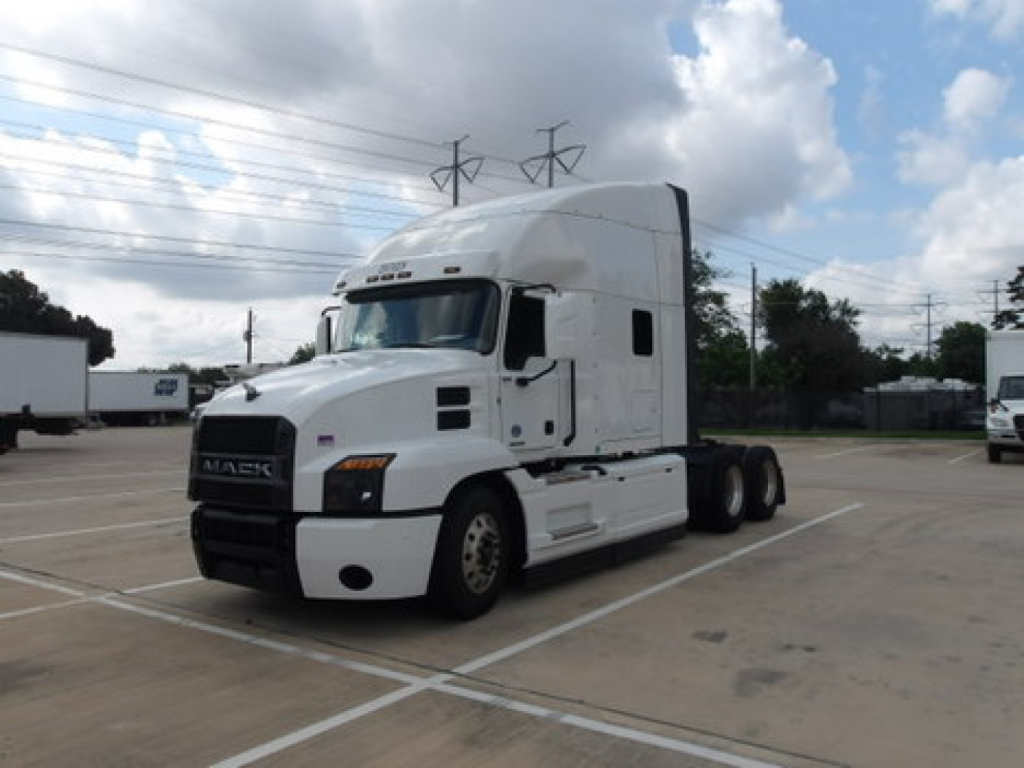
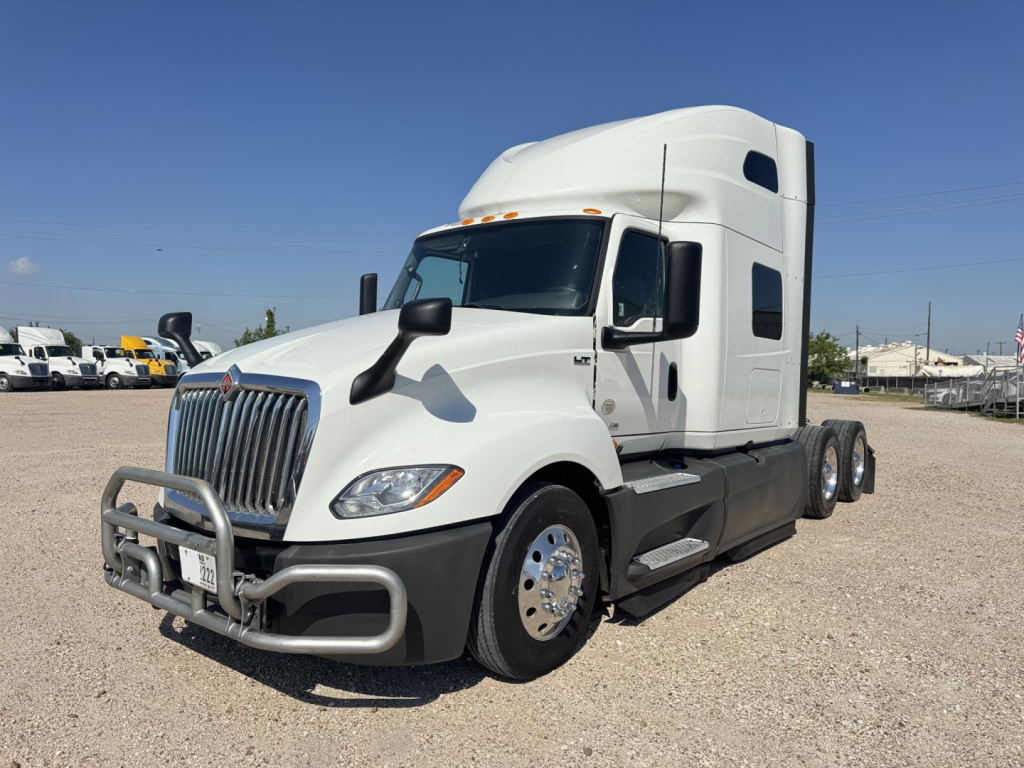
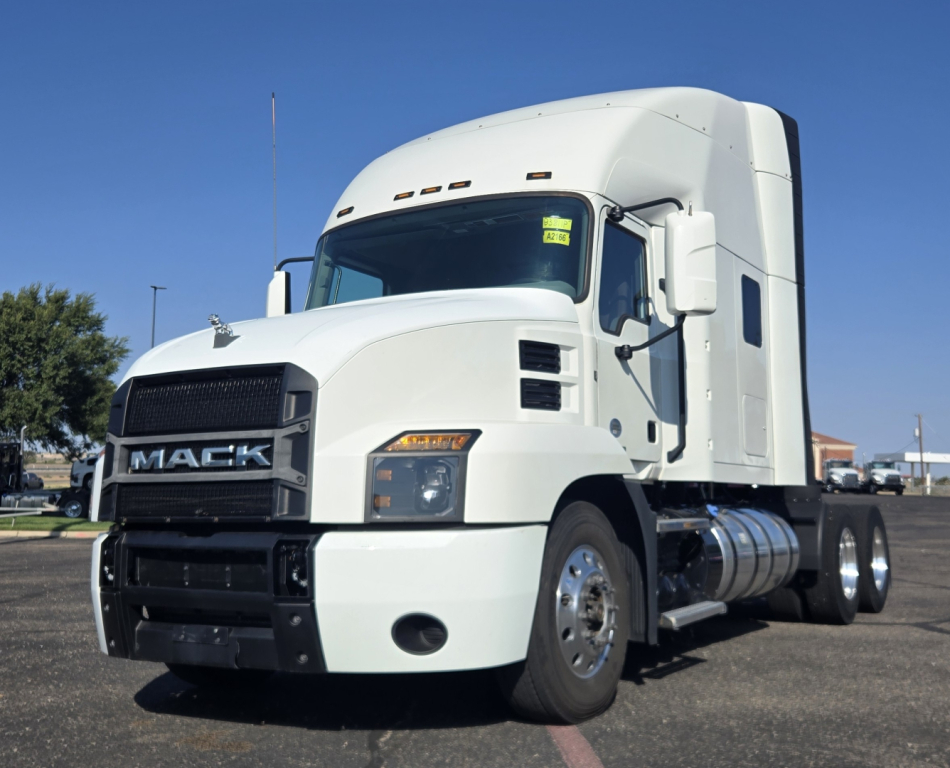
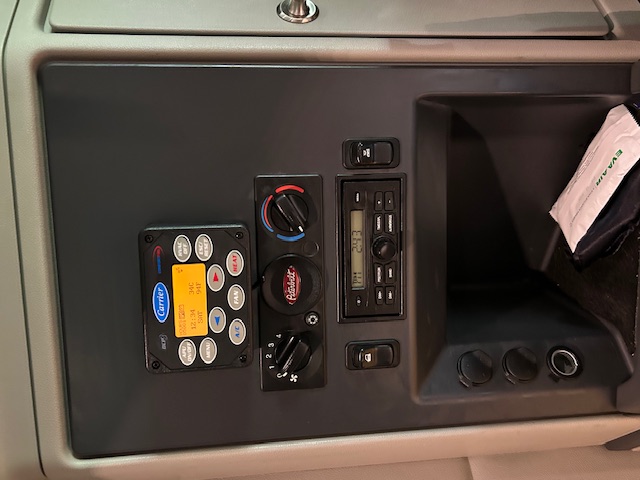

Selling a used 2020 conventional sleeper truck? List your used 2020 conventional sleeper truck for sale and reach thousands of commercial buyers.
Used 2020 Conventional Sleeper Trucks in Texas
Buyers usually start with the powertrain, and that is the right place. In this year range, common engines include the Detroit DD13 and DD15, Cummins X15, Paccar MX-13, and Volvo D13, typically paired with automated transmissions such as the Detroit DT12, Eaton Endurant, Volvo I-Shift, or Paccar automated gearboxes. Horsepower often falls in the 400 to 505 HP range, with torque commonly from 1,450 to 1,850 lb-ft depending on vocation and axle ratio. A 6x4 tandem axle setup is the standard choice for heavier freight and broad resale appeal, while wheelbase, fifth wheel position, and fuel capacity matter if the truck will pull dry vans, reefers, flatbeds, or dedicated regional lanes with frequent dock work.
Sleeper configuration is the next big decision. Mid-roof and high-roof conventional sleepers from this era often run from about 60 to 80 inches, with condo-style sleepers giving more room for teams or extended time on the road. Interior storage, bunk layout, inverter setup, HVAC performance, and APU or battery HVAC provisions make a real difference in driver retention and idle reduction. On the chassis side, experienced buyers also look at fairings, roof profile, tire condition, disc versus drum brake setup, suspension type, and the presence of collision mitigation, lane departure warning, adaptive cruise, and tire pressure monitoring or inflation systems where equipped.
For Texas buyers, heat load, long interstate runs, and mixed freight demand make cooling system health, aftertreatment history, and maintenance records especially important. A good 2020 conventional sleeper should be evaluated for engine hours versus miles, DPF and SCR service history, transmission calibration updates, bunk HVAC operation, and signs of uneven tire wear that point to alignment or suspension issues. Popular models in this category include the Freightliner Cascadia, Peterbilt 579, Kenworth T680, Volvo VNL, and International LT, all of which have established dealer support and parts availability. The best choice comes down to how the truck is spec'd for your freight, your drivers, and your maintenance plan.
Frequently Asked Questions about Used 2020 Conventional Sleeper Trucks in Texas
What should I look for first on a used 2020 conventional sleeper truck?
Start with the powertrain spec and maintenance history. Engine model, horsepower, transmission type, axle ratio, and mileage should match the loads and routes the truck will actually run. After that, review DPF, SCR, and EGR service records, check for fault codes, and inspect tire wear, suspension condition, and fifth wheel setup. On a sleeper tractor, bunk HVAC, inverter, interior condition, and sleeper storage matter because they directly affect driver comfort and downtime.
Are 2020 conventional sleeper trucks a good choice for long-haul freight?
Yes, the 2020 model year is a practical long-haul choice because many trucks from this period combine modern aero packages, automated transmissions, and collision mitigation features with a lower acquisition cost than late-model replacements. Most conventional sleepers from this year are designed for dry van, reefer, flatbed, and general freight applications. The key is choosing the right sleeper size, fuel capacity, and engine rating for the length of haul and the weight of the freight.
Which sleeper size is most common on a 2020 highway tractor?
Common sleeper sizes in this category are usually around 60, 72, and 80 inches, depending on make and model. A 60-inch sleeper can work well for regional overnight use or solo operators who want a lighter, more maneuverable tractor. A 72-inch or 80-inch sleeper is more common for over-the-road operations because it provides more storage, living space, and comfort for longer trips or team driving.
What engine and transmission combinations are common in used 2020 sleeper trucks?
Typical combinations include a Detroit DD13 or DD15 with a DT12 automated transmission, a Cummins X15 with an Eaton automated manual, a Volvo D13 with an I-Shift, or a Paccar MX-13 with a Paccar automated gearbox. Horsepower is often in the 400 to 505 range, with torque selected based on route profile and gross combination weight. Automated transmissions are especially common in this year range because they help with fuel economy, driver onboarding, and clutch-related maintenance.
Why does Texas use change what matters on a used sleeper truck?
Texas operation puts added attention on cooling performance, A/C output, fuel range, and reliability across long interstate miles. Heat can expose weak bunk HVAC systems, marginal batteries, and cooling system issues faster than milder regions. Buyers running Texas lanes should pay close attention to radiator and charge air cooler condition, idle management equipment, aftertreatment health, and whether the truck's wheelbase and sleeper setup fit both open-road miles and crowded customer locations.