
Used 2007 Conventional Sleeper Trucks For Sale in Texas
Shop used 2007 conventional sleeper trucks in Texas. Compare sleepers, wheelbases, engine options, transmissions, and road-ready specs.
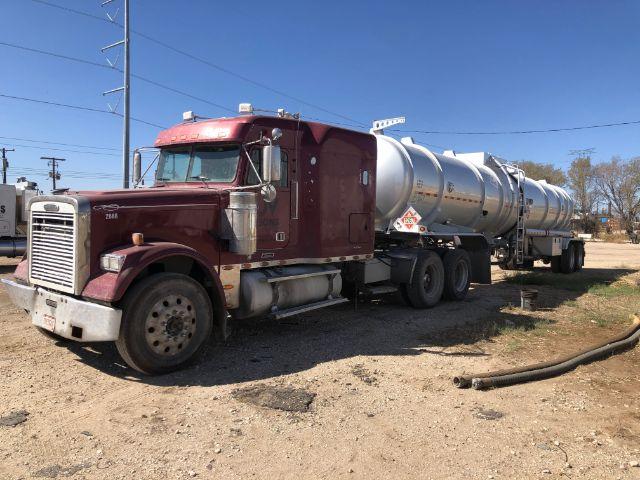
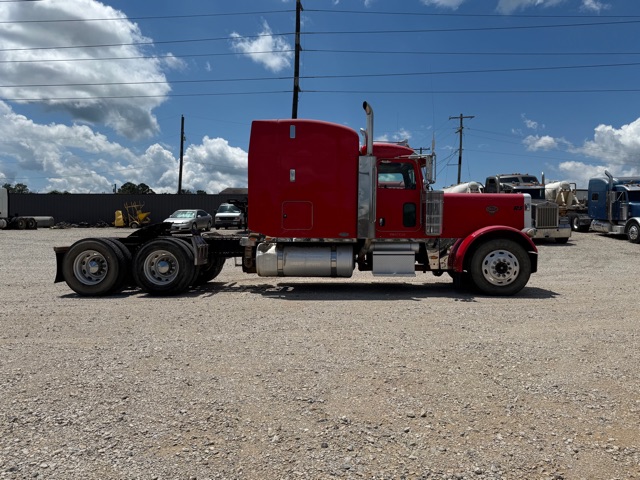
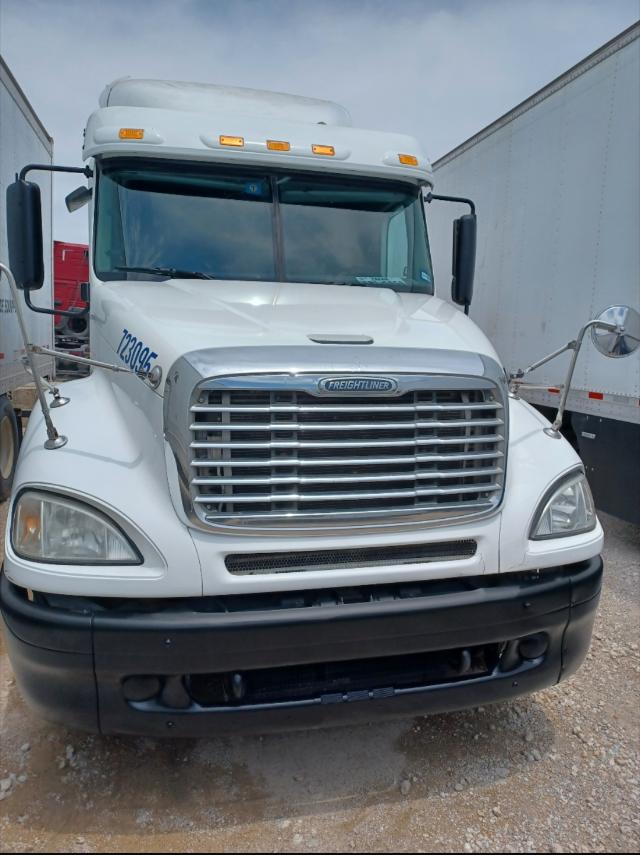
Looking for the easiest place to sell your used 2007 conventional sleeper truck? List it here to reach thousands of buyers.
Used 2007 Conventional Sleeper Trucks in Texas
Sleeper size and cab layout matter more than they first appear. In this class, you'll commonly see mid-roof and raised-roof conventional sleepers with 48-inch to 72-inch bunks, though larger condo-style sleepers are also available. A shorter sleeper and wheelbase can be easier to maneuver in tighter yards and urban receivers, while a longer wheelbase may ride better and leave more room for fuel capacity, headache racks, or frame-mounted equipment. Interior condition is a real operating cost issue on an older sleeper truck. Check bunk structure, HVAC performance, insulation, cabinet hardware, wiring for inverters or APUs, and signs of water intrusion around roof seams and door seals.
For a 2007 conventional sleeper, axle and chassis specs should be matched to the work. Common setups include tandem drive axles, 6x4 configurations, air ride suspensions, sliding fifth wheels, and wheelbases suited for van, reefer, flatbed, or tanker applications. Pay attention to front axle capacity, rear ratio, suspension type, and fuel tank placement if the truck will be repurposed. Texas buyers often prioritize strong air conditioning, clean cooling systems, and evidence of consistent PM service because heat, idle time, and long highway miles expose weak components quickly. Brake type, tire condition, frame integrity, and steering wear are also high-value inspection points on a used sleeper in this age range.
The best 2007 conventional sleeper truck is not always the one with the lowest price. Service records, engine overhaul history, clutch life, transmission condition, differential repairs, and any emissions-related updates usually matter more than cosmetic appearance. A pre-purchase inspection should include blow-by evaluation, ECM download, fault code review, suspension and kingpin wear, driveline condition, and confirmation that the sleeper amenities still function as intended. For buyers comparing multiple used 2007 sleeper trucks in Texas, the strongest value usually comes from a truck with a clear application fit, a solid maintenance file, and specs that support legal payload and efficient highway operation.
Frequently Asked Questions about Used 2007 Conventional Sleeper Trucks in Texas
What should I check first on a used 2007 conventional sleeper truck?
Start with the engine family, emissions configuration, and maintenance records. A 2007 truck falls into a transition-era emissions period, so it is important to confirm how the truck was originally spec'd and what major repairs have already been completed. Review ECM data, service intervals, overhaul history, fault codes, coolant condition, and oil analysis if available. After that, inspect the transmission, clutch, driveline, suspension, frame, and sleeper electrical systems because deferred repairs in those areas can add up quickly.
Are 2007 conventional sleeper trucks good for long-haul use?
They can be, provided the truck has the right sleeper size, axle ratio, fuel capacity, and documented mechanical condition. Many 2007 conventional sleepers were built for over-the-road service and still fit that role well if the engine and drivetrain have been maintained properly. Long-haul buyers should focus on ride quality, bunk comfort, HVAC performance, charging system health, and the condition of components affected by high miles, such as wheel seals, steering parts, u-joints, and air system components.
What engines are common in a 2007 conventional sleeper?
Common engines in this class include the Cummins ISX, Caterpillar C15, Detroit Series 60, and some early Detroit DD variants depending on the truck make and original spec. Horsepower ratings often range from the low 400s into the 500-plus range, with torque selected around application needs. The best choice depends less on brand preference alone and more on service history, parts support, local technician familiarity, and how the truck will be used in terms of weight, terrain, and annual miles.
What sleeper size is best for a used conventional sleeper truck?
A 48-inch to 60-inch sleeper is often enough for regional and shorter over-the-road runs, while a 70-inch to 72-inch sleeper offers more comfort and storage for extended trips. Larger sleepers can improve driver retention and livability, but they also add length and weight. Buyers should match sleeper size to route length, idle strategy, onboard equipment needs, and the maneuverability required at shippers, receivers, and truck parking locations.
Why does wheelbase matter on a 2007 sleeper truck?
Wheelbase affects ride quality, turning radius, trailer gap, bridge law flexibility, and the room available for fuel tanks or frame-mounted accessories. A shorter wheelbase can be easier to handle in tighter Texas yards and city deliveries, while a longer wheelbase may track better on the highway and support larger fuel capacity. The right wheelbase depends on trailer type, kingpin setting, fifth wheel position, and the operating environment the truck will see most often.