
Used 2007 Conventional Sleeper Trucks For Sale
Shop used 2007 conventional sleeper trucks with specs, sleeper sizes, engine options, emissions details, and long-haul buying tips.
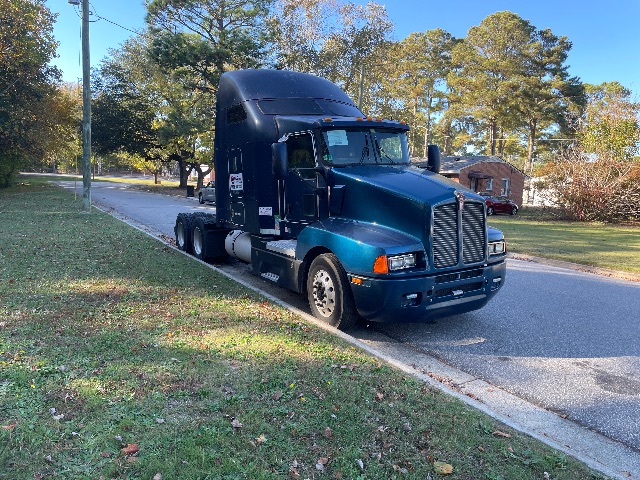
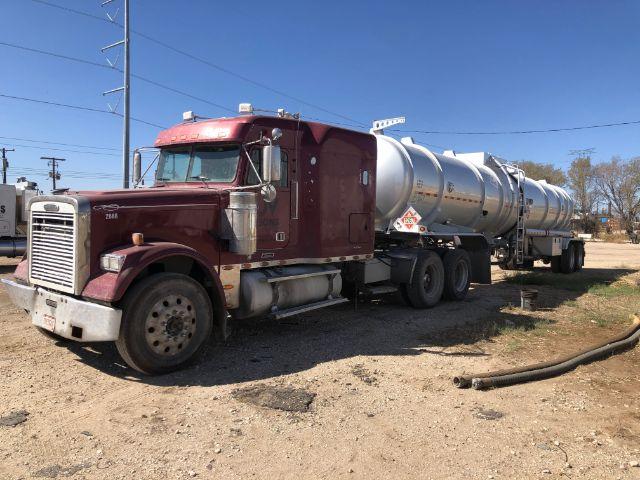
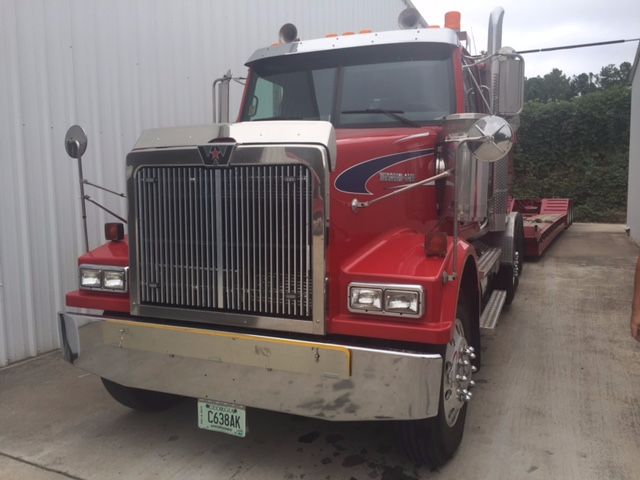
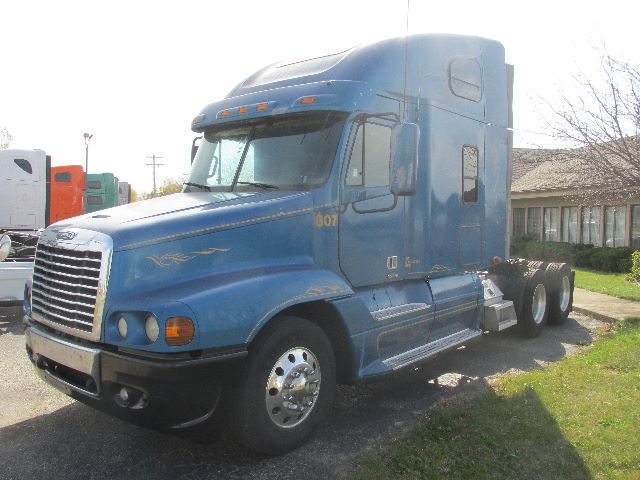
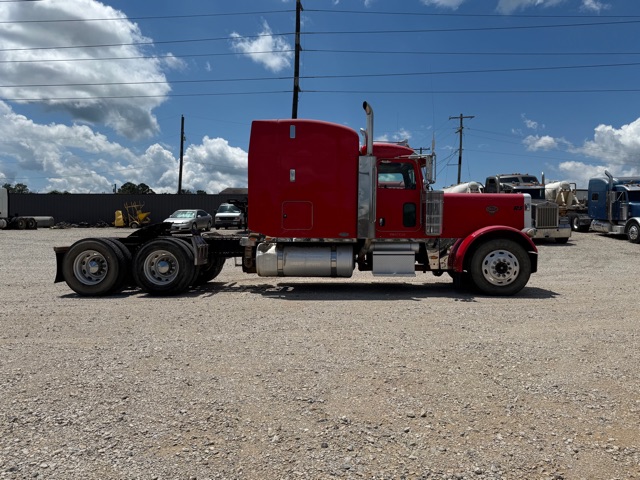
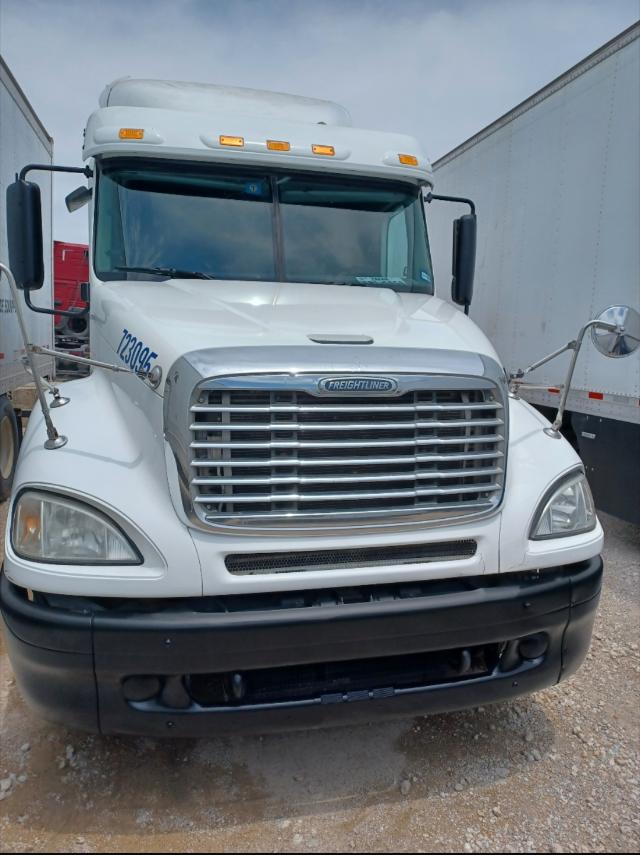
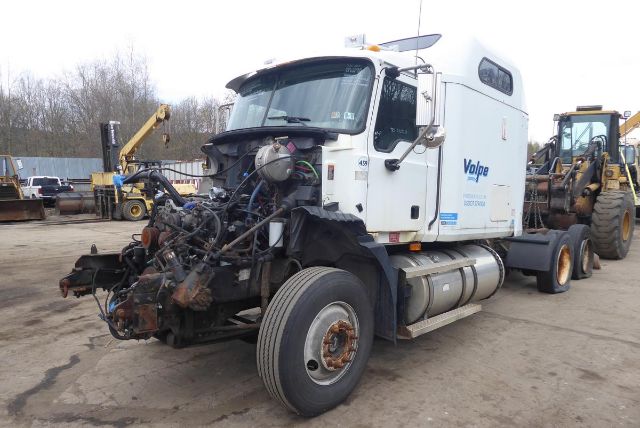
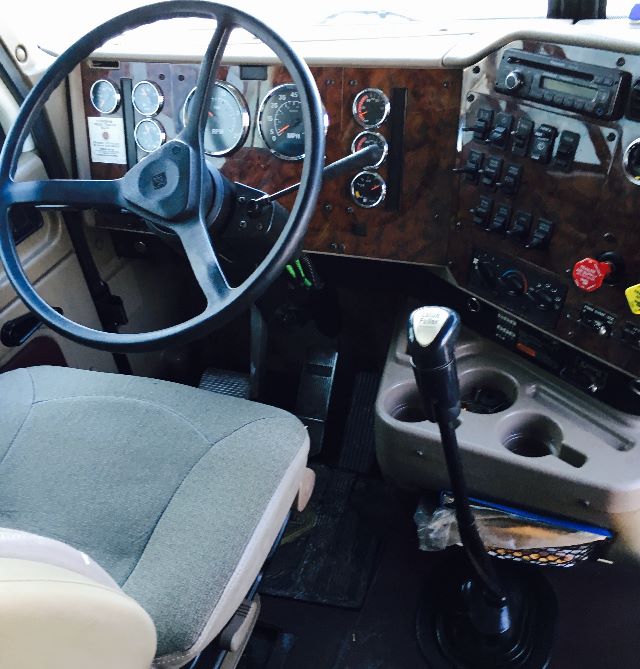
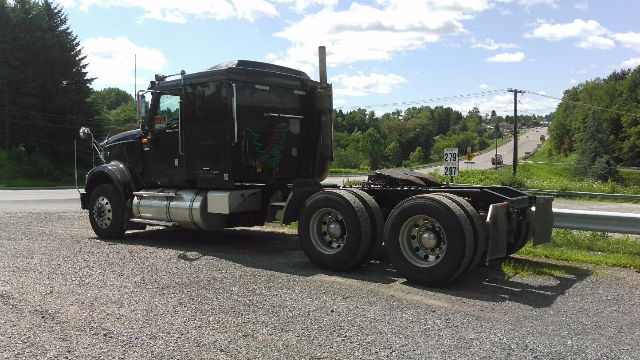
Selling a used 2007 conventional sleeper truck? List your used 2007 conventional sleeper truck for sale to reach thousands of commercial buyers.
Used 2007 Conventional Sleeper Trucks
The biggest buying decision on a 2007 conventional sleeper is the emissions package. This was the first year of the 2007 EPA emissions standard, so many trucks carry diesel particulate filter systems that were a major change from pre-emissions and 2006-era equipment. A buyer should confirm the exact engine family, aftertreatment configuration, service history, and whether the truck has been maintained correctly through forced regens, sensor replacements, and DPF cleaning intervals. Common engines in this year include the Cummins ISX, Detroit Diesel Series 60 in some early builds, Caterpillar C13 or C15 ACERT, Volvo D12 or D13, and Mercedes-Benz diesels in certain Freightliner applications. Horsepower often falls in the 400 to 500 HP range, with 10-speed, 13-speed, and autoshift transmissions all appearing in the market. Rear axle ratios typically land from about 3.36 to 3.90 depending on whether the truck was set up for fuel mileage, heavy pull, or mixed service.
Sleeper and chassis specs matter just as much as engine choice. Many 2007 conventional sleepers have 60-inch, 70-inch, 72-inch, or raised-roof sleepers, along with wheelbases in the low- to mid-200-inch range. That affects ride, bridge law flexibility, trailer gap, and turning radius. Buyers comparing listings should look at front axle capacity, suspension type, tandem rating, fifth wheel travel, fuel capacity, and brake type, along with practical details like bunk layout, storage, inverter setup, idle management equipment, and condition of the cab interior. A clean pre-DEF truck from this era can still be a workable option for an owner-operator or small fleet, but only if overhead is controlled and the truck has a documented maintenance record, a healthy overhead set, strong blow-by numbers, and no unresolved electrical or aftertreatment issues.
For many operations, a 2007 conventional sleeper is less about latest technology and more about acquisition cost, mechanical familiarity, and route fit. These trucks can still make sense in seasonal lanes, backup fleet duty, short-haul sleeper runs, or lower-mileage over-the-road service where a buyer wants a full sleeper tractor without late-model pricing. The best candidates usually show consistent drivetrain maintenance, solid tire and suspension condition, a straight frame, and a sleeper that has not been neglected. On an older highway tractor, the value is in the spec sheet and the service file as much as the badge on the hood.
Frequently Asked Questions about Used 2007 Conventional Sleeper Trucks
What engines are common in used 2007 conventional sleeper trucks?
Used 2007 conventional sleeper trucks commonly come with engines such as the Cummins ISX, Caterpillar C13 or C15 ACERT, Volvo D12 or D13, Mercedes-Benz engines in some Freightliner applications, and occasionally Detroit Diesel depending on build timing and model. The exact engine matters because 2007 was a transition year for emissions systems, so buyers should verify the engine serial number, emissions label, horsepower rating, and aftertreatment maintenance history before making a decision.
Why is the 2007 model year important for sleeper truck buyers?
The 2007 model year is important because it introduced the EPA 2007 emissions standard, which brought diesel particulate filter technology into many highway tractors. That means a 2007 conventional sleeper can have very different ownership costs and maintenance requirements compared with a 2006 truck. Buyers should pay close attention to DPF condition, regen history, fault codes, and records showing that the emissions system has been serviced correctly.
What sleeper sizes are typical on a 2007 conventional sleeper truck?
Typical sleeper sizes on 2007 conventional sleeper trucks range from around 60 inches to 72 inches, with some raised-roof and double-bunk configurations available depending on make and model. The right size depends on the operation. A smaller mid-roof sleeper may work well for solo regional or irregular-route freight, while a 70-inch or 72-inch raised-roof sleeper is better suited for longer over-the-road runs, team service, and drivers who need more storage and living space.
What should I inspect first on a used 2007 conventional sleeper?
Start with the engine, emissions system, and drivetrain history. On a truck of this age, oil analysis, blow-by condition, coolant health, turbo response, clutch or transmission operation, differential condition, and active fault codes tell you more than appearance alone. After that, inspect the frame, suspension bushings, air system, brake components, tires, sleeper integrity, and electrical functions in the cab. Service records and a professional pre-purchase inspection are especially important on older sleeper tractors.
Are used 2007 conventional sleeper trucks still practical for over-the-road work?
They can be, but only in the right application. A well-maintained 2007 conventional sleeper can still handle van, reefer, flatbed, or general freight if annual miles are realistic and downtime risk is built into the business plan. These trucks are usually a better fit for cost-conscious owner-operators, secondary fleet roles, or lanes where lower acquisition cost matters more than the latest fuel-efficiency and driver-assist features.