
Used 2007 Peterbilt Conventional Sleeper Trucks For Sale
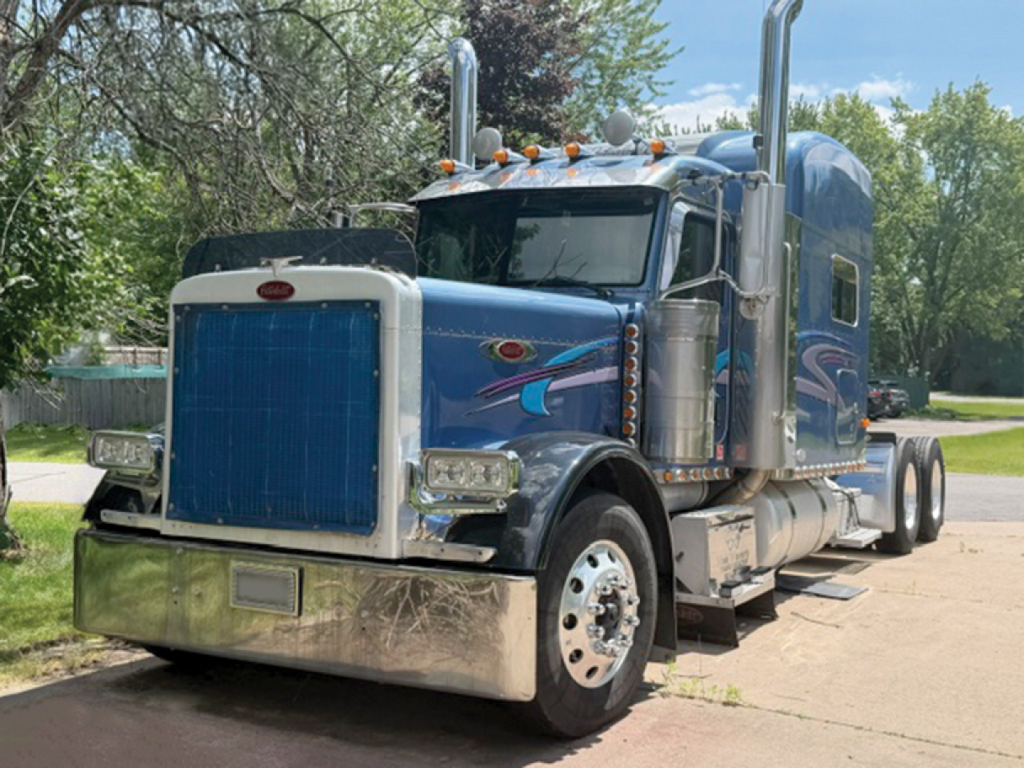
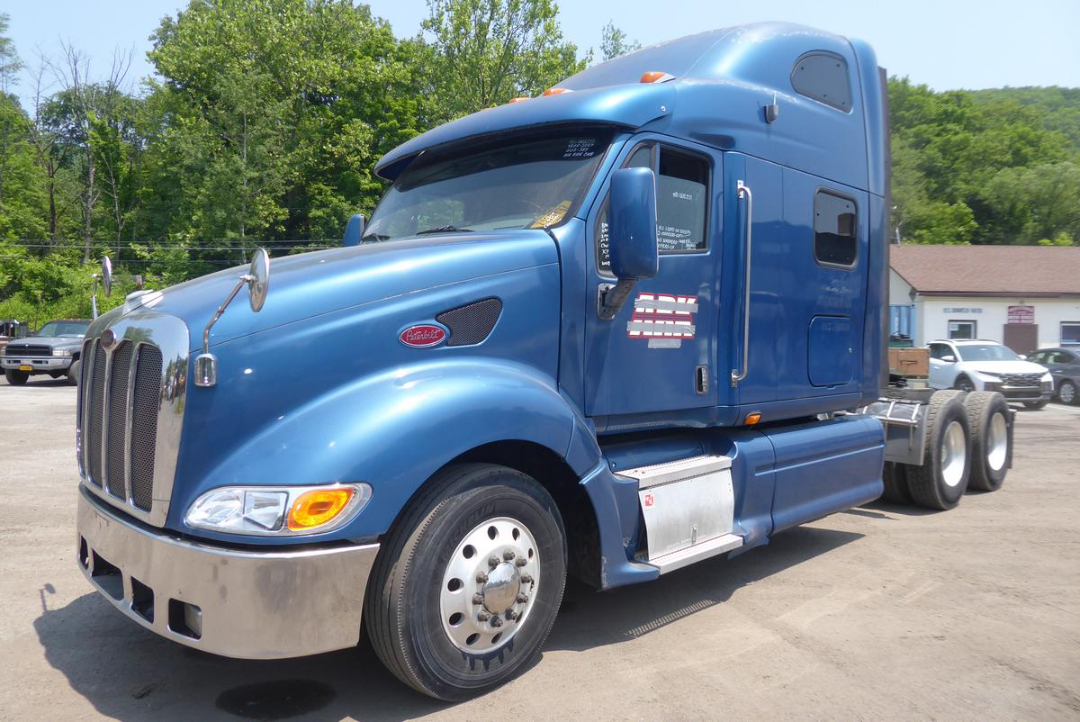
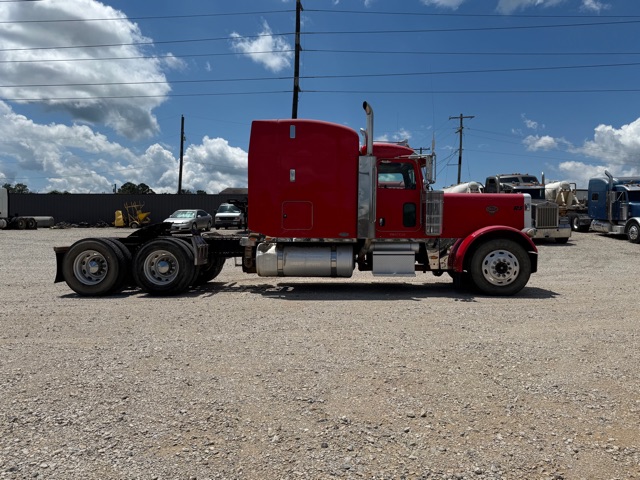
Have used 2007 peterbilt conventional sleeper truck to sell? List it here to reach thousands of buyers.
Used 2007 Peterbilt Conventional Sleeper Trucks
The big decision on a used 2007 Peterbilt conventional sleeper is usually the powertrain. Many trucks from this year were spec'd with Caterpillar C15 or Cummins ISX engines, often in the 435 to 475 horsepower range, paired with Fuller 10-speed, 13-speed, or 18-speed manual transmissions. Rear axle ratings commonly land around 40,000 pounds, with ratios such as 3.36 or 3.55 showing up in linehaul and general freight specs. Front axles are often 12,000 pounds, and air ride suspensions are common, including Peterbilt's 4-bag setup. For buyers focused on fuel economy, gearing, tire size, and cruising rpm matter as much as engine make. For buyers pulling heavier loads or running more varied terrain, transmission choice, power divider, and suspension condition deserve close attention.
Sleeper configuration is another key point. A 2007 Peterbilt conventional sleeper may have a mid-roof or high-roof bunk, often around 63 to 67 inches, with single or double bunk layouts depending on the original application. Double bunks, air ride sleeper setups, bunk heaters, inverter prep, and cabinet layout can make a real difference if the truck will stay out for several nights at a time. Wheelbase also affects how the truck fits your operation. A 240-inch plus wheelbase is common on road tractors with larger sleepers and dual fuel tanks, but buyers should confirm bridge law, trailer swing clearance, and maneuverability for their lanes. Air slide fifth wheels, dual aluminum tanks, aluminum wheels, and cab extenders are all typical features in this class.
On a used 2007 model, condition matters more than brand reputation alone. Buyers should look closely at emissions configuration, engine history, clutch and transmission wear, suspension bushings, frame condition, and sleeper HVAC function. This era sits in an important transition period for diesel emissions, so it is smart to verify exactly how the truck is equipped and what maintenance records are available. Odometer miles, engine hours, prior overhaul work, and signs of heavy-idle use can tell you more than cosmetics. A well-kept 2007 Peterbilt sleeper can still be a practical truck for regional or long-haul service, especially for buyers who value a proven chassis, straightforward driveline components, and a cab that drivers generally know and like.
Frequently Asked Questions about Used 2007 Peterbilt Conventional Sleeper Trucks
What engine options are common in a used 2007 Peterbilt conventional sleeper?
The most common engines in a 2007 Peterbilt conventional sleeper are Caterpillar C15 and Cummins ISX variants, usually rated somewhere in the mid-400 horsepower range. Exact specs depend on the original buyer's application, but 435 to 475 horsepower is typical for general freight and over-the-road work. Buyers should verify engine serial number, emissions equipment, service history, and whether any inframe or major top-end work has already been completed.
What transmission should I expect in a 2007 Peterbilt sleeper truck?
Many 2007 Peterbilt sleeper trucks were ordered with Eaton Fuller manual transmissions, most often 10-speed, 13-speed, or 18-speed gearboxes. A 10-speed is common for standard highway use, while a 13-speed or 18-speed may be preferred for heavier freight, mountain routes, or more flexible rpm management. Transmission choice should match your freight profile, driver preference, and rear axle ratio.
Is a 2007 Peterbilt 387 a good truck for long-haul work?
A properly maintained 2007 Peterbilt 387 can still be a solid long-haul platform. It was designed as an aerodynamic conventional sleeper with enough bunk space, fuel capacity, and wheelbase for highway operations. The real deciding factors are current mechanical condition, prior maintenance, sleeper comfort features, and whether the powertrain and gearing fit the loads and speeds you plan to run.
What should I inspect first on a used 2007 Peterbilt conventional sleeper?
Start with the engine, transmission, rear ends, suspension, and frame. After that, inspect sleeper HVAC operation, bunk condition, electrical accessories, fifth wheel wear, tires, and brake components. On a truck of this age, maintenance records, engine hours, oil leaks, driveline vibration, and evidence of recent major repairs are often more important than appearance.
How much sleeper space does a 2007 Peterbilt conventional usually have?
Many 2007 Peterbilt conventional sleeper trucks have sleepers in the 63-inch to 67-inch range, although exact size varies by model and original spec. High-roof and stand-up configurations are common on trucks intended for over-the-road use, and some include double bunks for team operations. Buyers should evaluate not just sleeper size, but also storage layout, climate control, and overall livability for the length of trips they run.