
Used 2007 Freightliner Conventional Sleeper Trucks For Sale
Shop used 2007 Freightliner conventional sleeper trucks. Compare Century and other highway sleepers by engine, sleeper size, axle specs, and service history.
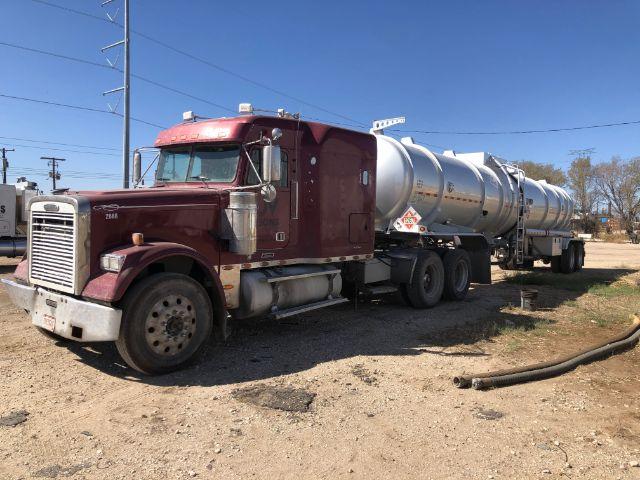
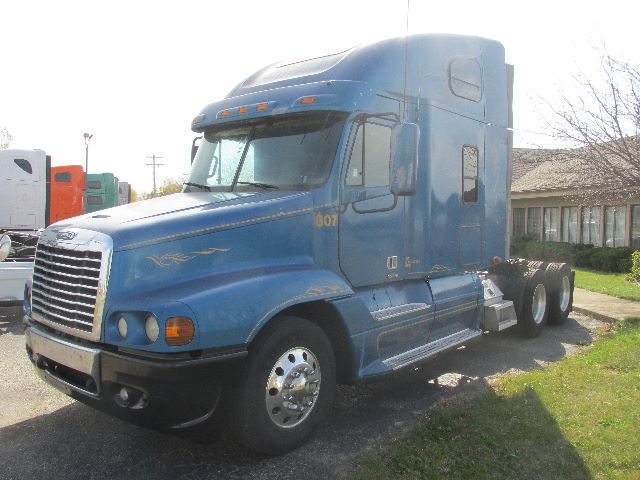
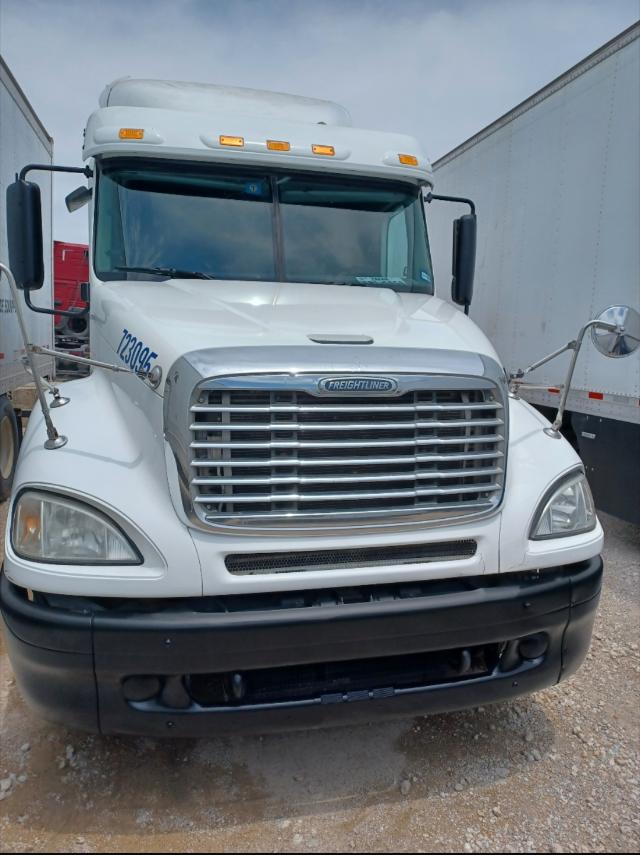
Selling a used 2007 freightliner conventional sleeper truck? List your used 2007 freightliner conventional sleeper truck for sale to reach thousands of commercial buyers.
Used 2007 Freightliner Conventional Sleeper Trucks
For a 2007 Freightliner sleeper, the key buying questions are engine family, emissions history, and maintenance records. Many trucks from this year were spec'd with Detroit Diesel Series 60, Mercedes-Benz, or Caterpillar power, depending on the original buyer and region. Because 2007 was a major emissions transition year, buyers should verify the exact engine rating, EGR and aftertreatment configuration, injector history, turbo condition, and any documentation for recent dyno results, overhead sets, or blow-by checks. Transmission choices commonly include Eaton Fuller 10-speed or 13-speed manuals, with 6x4 tandem rear axles and highway ratios matched to fuel economy or heavier gross weights. Rear suspension, wheelbase, fifth wheel type, and fuel capacity matter if the truck will be used for van, reefer, flatbed, or dedicated contract work.
Sleeper configuration affects resale and driver retention more than many buyers expect. A mid-roof or raised-roof 2007 Freightliner conventional sleeper may include single or double bunk arrangements, fairings, dual tanks, and a dash layout designed around long days behind the wheel. Check cab mounts, interior wear, HVAC performance, bunk HVAC if equipped, window seals, and electrical accessories, especially on trucks that have spent years in linehaul service. Freightliner conventional sleepers from this era are generally appreciated for decent maneuverability, accessible service points, and a cab structure that most diesel technicians can work on without specialized tooling.
A well-kept 2007 Freightliner sleeper can still make sense for buyers who prioritize purchase price, mechanical simplicity, and proven highway miles over newer electronics and aerodynamics. The strongest values usually come from trucks with clear service intervals, recent hard-part repairs, and a spec that matches the intended trailer and lane profile. For many buyers, that means looking closely at engine brake operation, clutch and transmission wear, suspension bushings, tire condition, brake measurements, and evidence of consistent fleet or owner-operator maintenance rather than focusing on mileage alone.
Frequently Asked Questions about Used 2007 Freightliner Conventional Sleeper Trucks
What should I check first on a used 2007 Freightliner conventional sleeper truck?
Start with the engine serial number, emissions equipment configuration, and maintenance records. On a 2007 truck, it is critical to confirm the engine family, recent injector or EGR work, turbo condition, overhead service history, and any signs of excessive blow-by. After that, inspect the transmission, clutch, differential condition, suspension wear, brake measurements, and tire age. A clean service file is often more important than the odometer reading by itself.
Which Freightliner sleeper models are common in 2007?
The Freightliner Century is one of the most common 2007 conventional sleeper models buyers will encounter. Depending on the original spec, you may also see other Freightliner highway tractors from that era with sleeper cabs configured for regional or over-the-road service. The Century remains well known for its widespread parts availability, familiar cab layout, and use in fleet and owner-operator applications across North America.
Is a 2007 Freightliner sleeper good for long-haul work?
It can be, provided the truck has been maintained properly and the spec matches the job. A 2007 Freightliner conventional sleeper was built for highway use and can still handle van, reefer, flatbed, and general freight lanes. Buyers should match horsepower, rear axle ratio, sleeper size, fuel capacity, and wheelbase to their intended operation. A truck set up for lighter, fuel-conscious highway freight may not be the best fit for heavier or more demanding applications.
Why does the 2007 model year require extra attention on emissions components?
The 2007 model year was part of a major emissions change in the heavy-duty truck market. That means component condition and repair history can have a major impact on uptime and operating cost. Buyers should verify how the truck is configured, what emissions-related repairs have already been completed, and whether the engine currently runs clean under load. Documentation for EGR work, sensor replacement, injector replacement, and dyno or performance testing adds value because it reduces uncertainty.
What sleeper-related features matter most on an older Freightliner conventional?
The most important sleeper-related factors are bunk layout, roof height, HVAC performance, electrical condition, and overall cab integrity. On an older truck, comfort features only matter if they still function properly. Inspect the bunk area for leaks, worn seals, damaged trim, weak air conditioning, and non-working accessories. For teams or extended runs, a raised-roof sleeper with a usable bunk setup and dependable climate control will be far more practical than a basic bunk with deferred repairs.