
Used International Conventional Sleeper Trucks For Sale in Texas
Browse used International conventional sleeper trucks in Texas, including LT and ProStar models with common specs, engine options, and buyer tips.
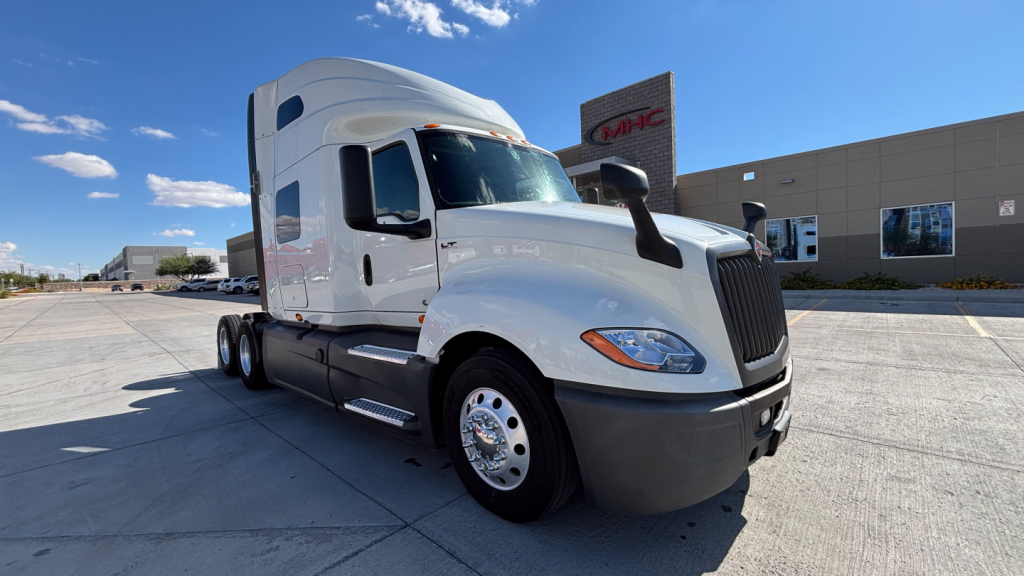
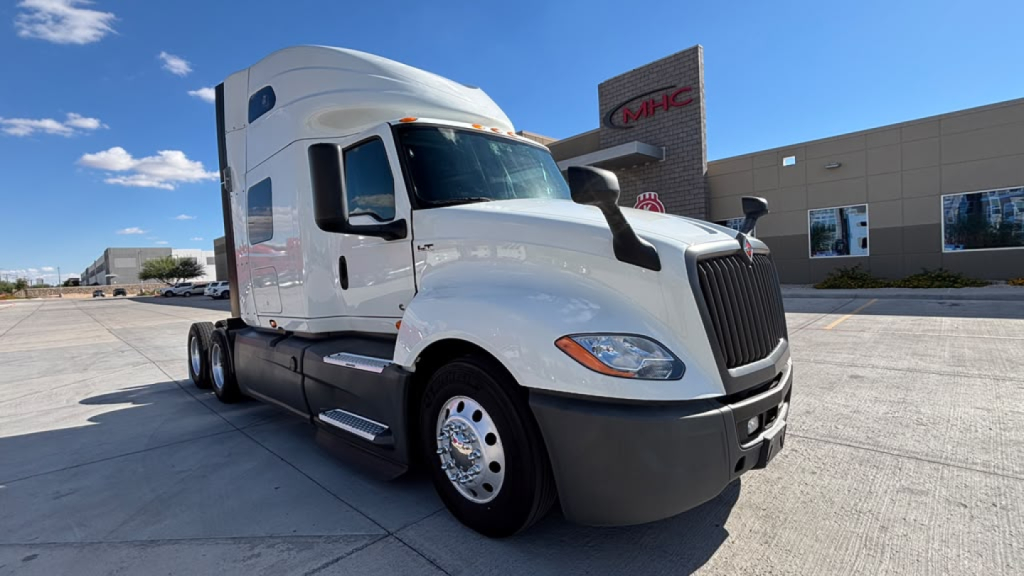
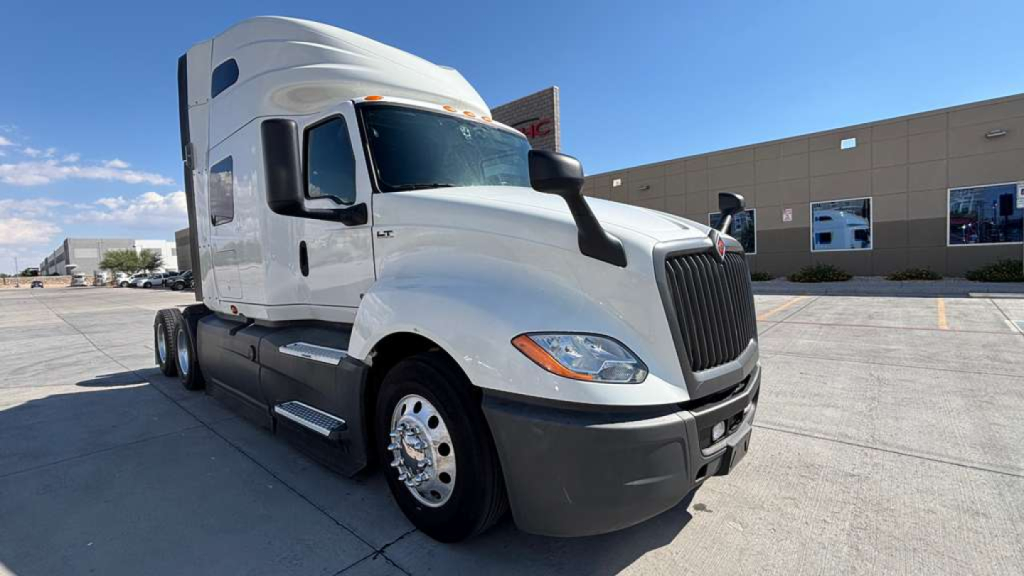
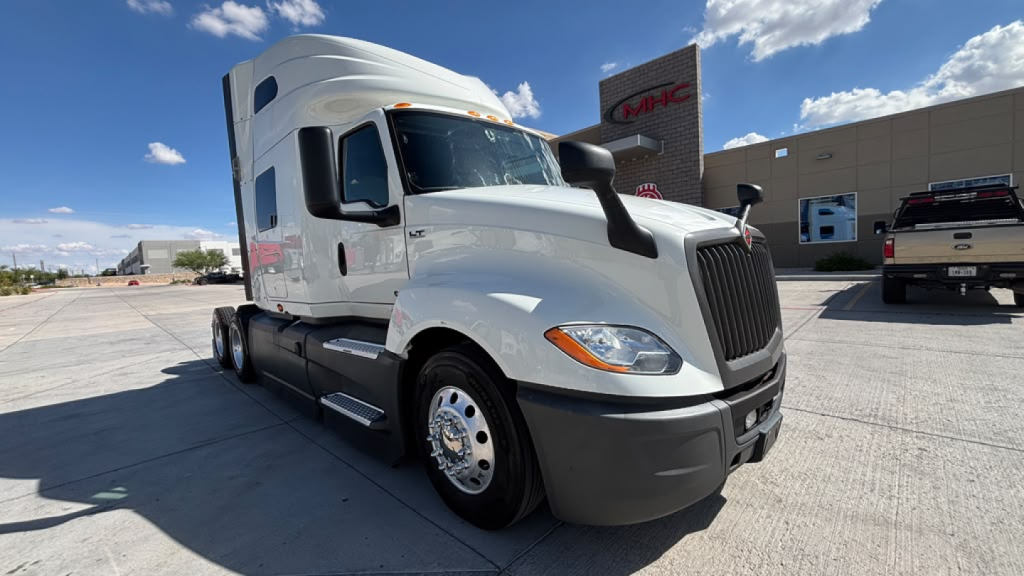
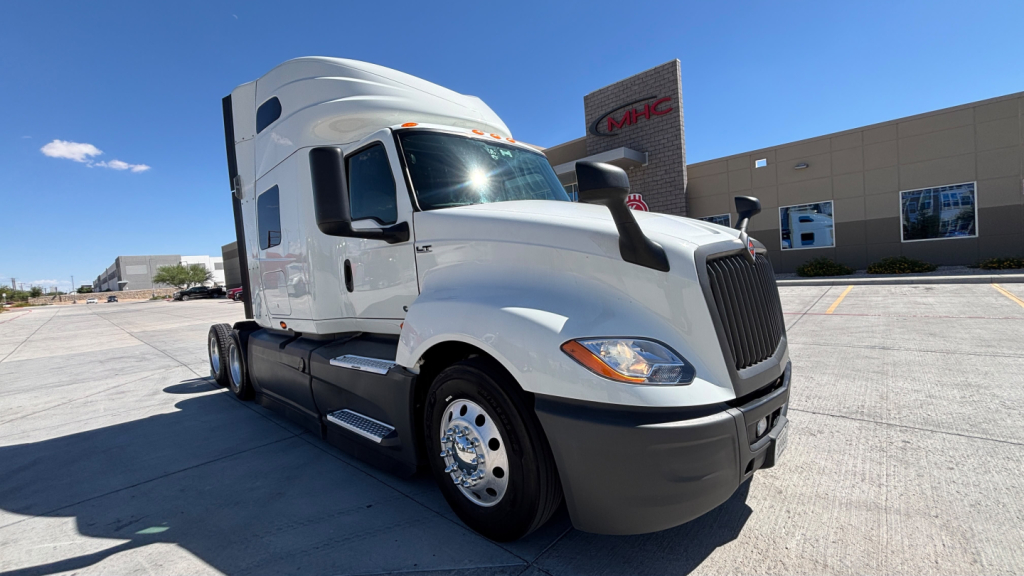
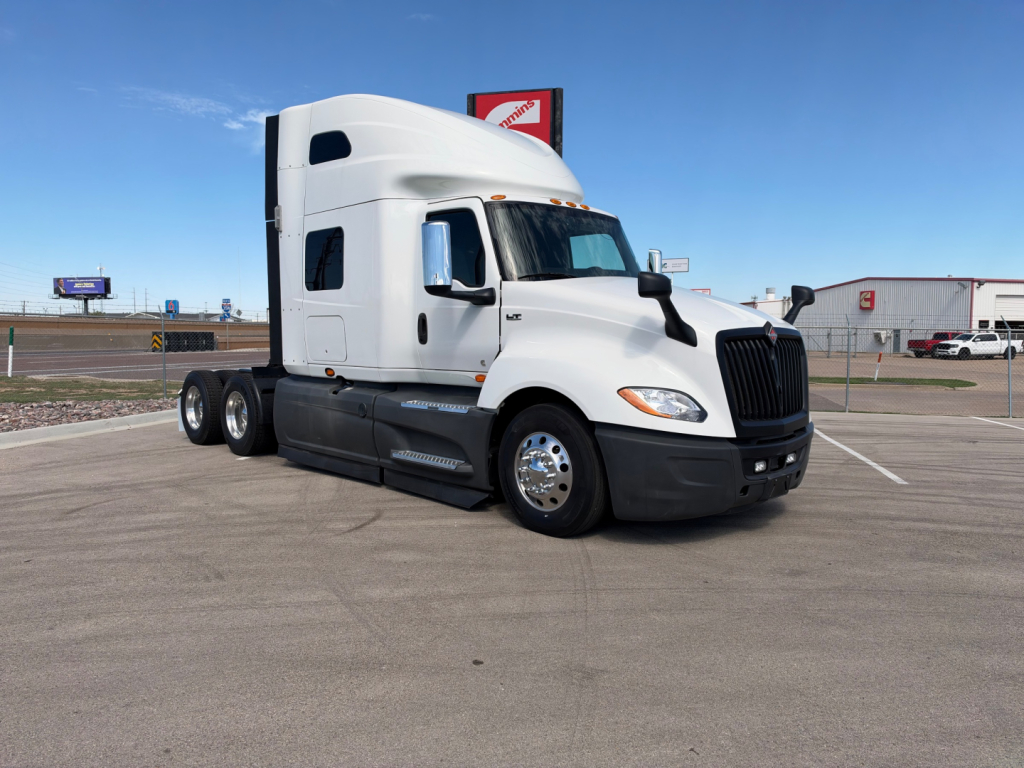
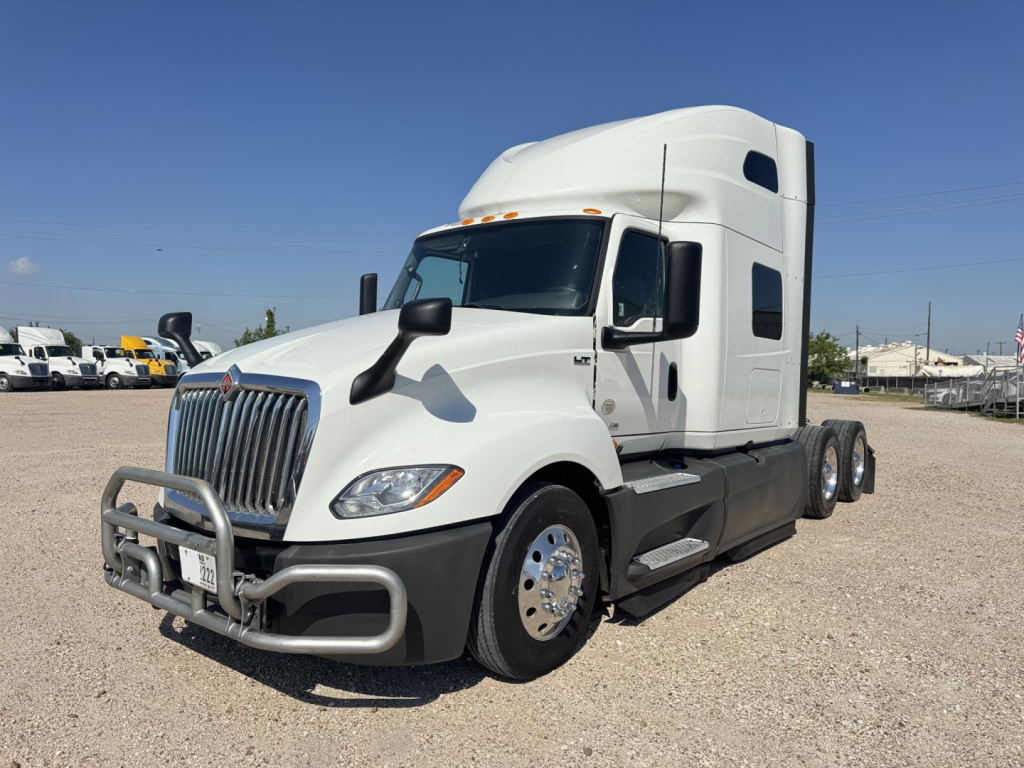
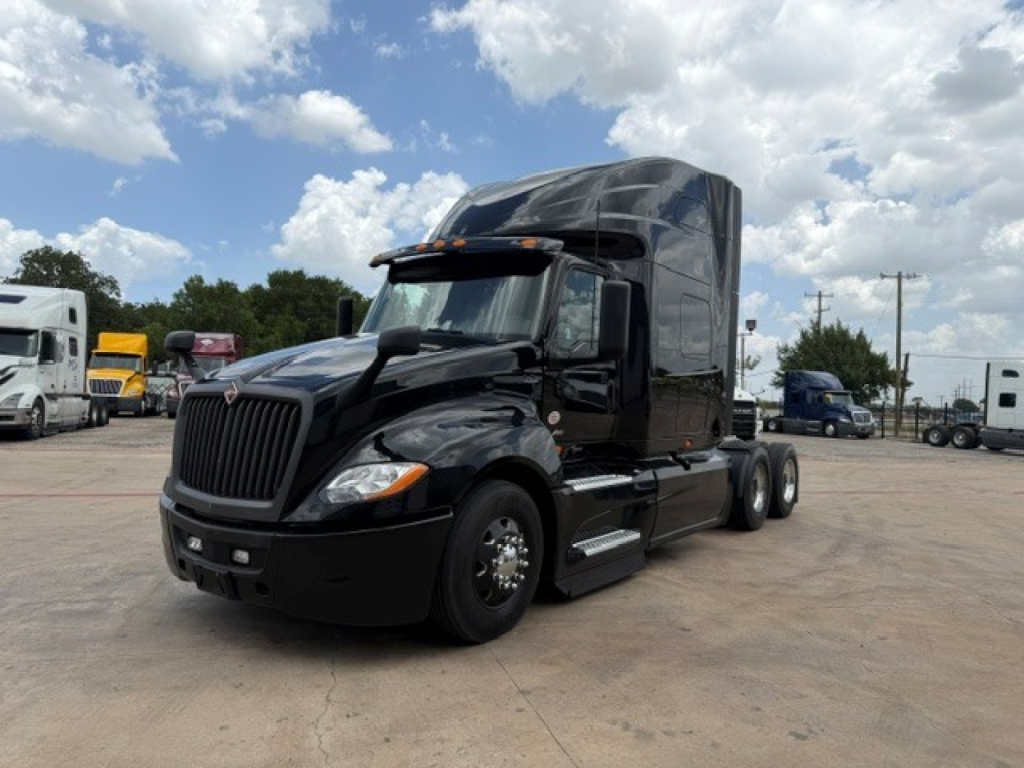
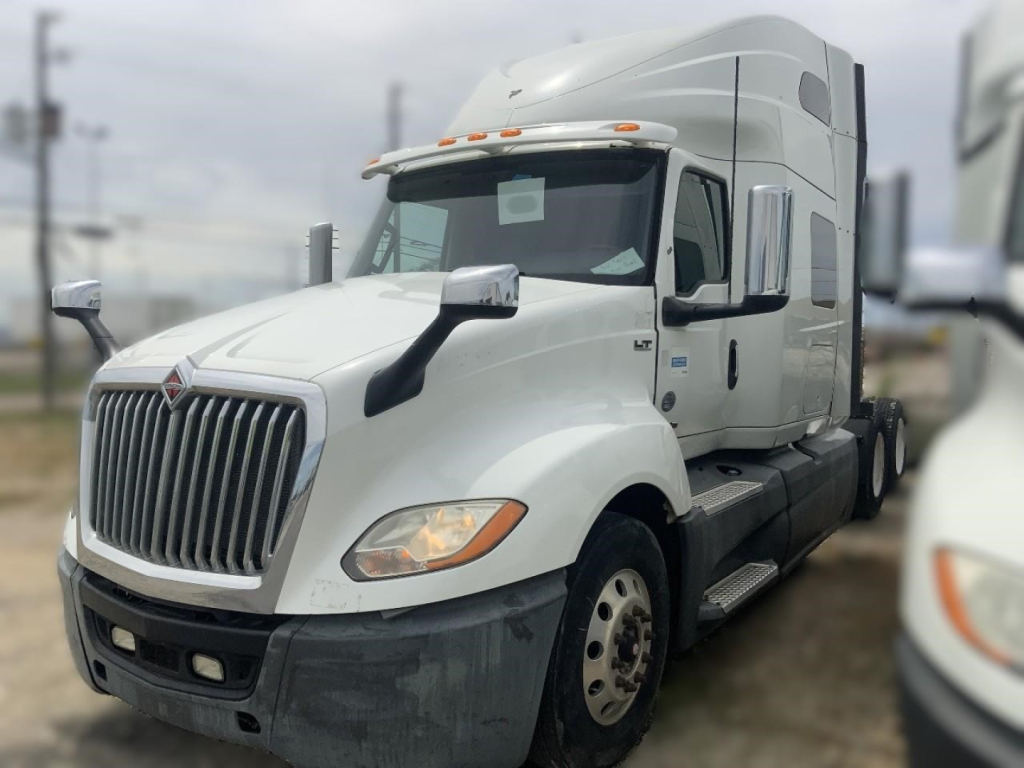
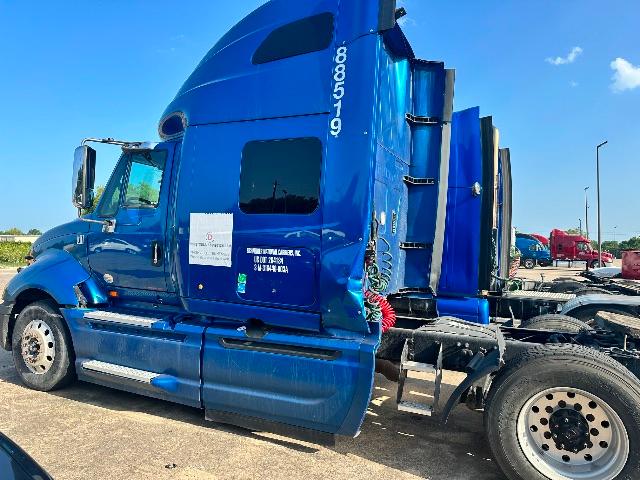

Selling a used international conventional sleeper truck? List your used international conventional sleeper truck for sale and reach thousands of commercial buyers.
Used International Conventional Sleeper Trucks in Texas
The biggest spec decision is usually engine and emissions history. Many late-model International sleepers are spec'd with the Cummins X15 in ratings around 400 to 450 horsepower, often paired with an Eaton Endurant 12-speed automated transmission. That combination is popular because parts support is broad and most shops know the platform well. Older ProStar units may be equipped with International MaxxForce engines, and buyers should review fault codes, aftertreatment history, DEF system repairs, and any documentation on EGR or SCR-related work before making a decision. On any used sleeper tractor, engine hours matter almost as much as miles, especially if the truck spent time idling in hot-weather lanes.
Texas buyers should pay close attention to cooling system performance, APU or idle-management setup, and cab HVAC condition. A sleeper running through Dallas-Fort Worth, Houston, San Antonio, West Texas, and border freight lanes needs reliable air conditioning, strong radiator and charge-air-cooler performance, and a drivetrain geared for both interstate cruising and heavy stop-and-go distribution work. Suspension type, fuel capacity, fairings, and fifth wheel placement also affect operating cost and trailer compatibility. If the truck will pull a mix of 53-foot dry vans and reefers, check wheelbase, sliding fifth wheel travel, and rear axle ratio to make sure the spec fits your lane and payload.
Condition separates one used International sleeper from another more than model year alone. Look closely at DPF and SCR maintenance records, clutch life on automated manuals, steer tire wear patterns, bunk condition, door seals, and signs of front-end or suspension wear. Interior wear can reveal how hard the truck was worked, while service records usually tell you more than fresh paint. A well-maintained International LT can be a cost-effective highway tractor with a familiar cab layout, good visibility, and practical sleeper space for team or solo operations. Buyers comparing listings should focus on documented maintenance, emissions system health, and drivetrain spec before anything else.
Frequently Asked Questions about Used International Conventional Sleeper Trucks in Texas
What is the difference between an International LT and an International ProStar sleeper truck?
The International LT replaced the ProStar as the newer on-highway sleeper platform. In general, the LT offers updated aerodynamics, improved driver ergonomics, and more modern electrical and interior systems. The ProStar can still be a lower-cost entry point, but buyers usually need to pay closer attention to engine choice, emissions history, and overall maintenance condition, especially on units equipped with older MaxxForce engines.
What engine is most common in used International conventional sleeper trucks?
Many late-model used International sleeper tractors are equipped with the Cummins X15, typically in the 400 to 450 horsepower range. That engine is common in fleet service because it has broad dealer support, familiar diagnostics, and strong parts availability. Some older International sleepers were spec'd with MaxxForce engines, which makes service history and emissions-related repairs especially important to review before purchase.
What sleeper size is typical on an International highway tractor?
A common sleeper configuration on used International conventional sleepers is a 56-inch high-roof sleeper. That size works well for regional and over-the-road applications because it gives the driver enough living space without adding unnecessary weight or complexity. Exact interior layout, storage, and roof height can vary by model and fleet spec, so sleeper dimensions should be matched to the intended route length and driver needs.
What should I inspect first on a used International sleeper truck in Texas?
Start with the engine, aftertreatment system, and cooling system. In Texas service, high ambient temperatures and long idle periods can expose weak HVAC performance, marginal cooling components, and unresolved DEF or DPF issues. After that, review transmission operation, suspension wear, tire condition, and service records. A truck that presents well cosmetically can still have expensive emissions or drivetrain problems, so documented maintenance should carry more weight than appearance.
Are International sleeper trucks good for long-haul freight?
Yes, International conventional sleeper trucks are widely used for long-haul and regional freight, especially in dry van and reefer service. Their appeal usually comes down to aerodynamic design, practical sleeper layouts, and straightforward fleet specs that are easy to assign across multiple lanes. The right truck depends less on the badge and more on the exact engine, transmission, axle ratio, wheelbase, and maintenance history.