
Used 2018 International Conventional Sleeper Trucks For Sale in Texas
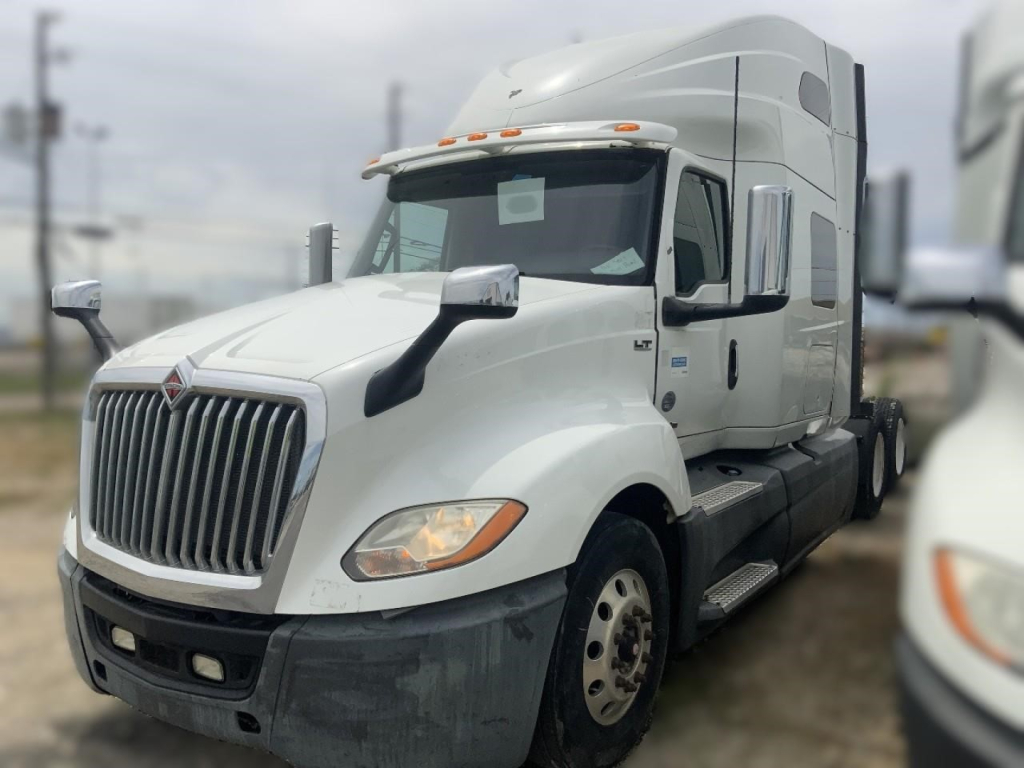
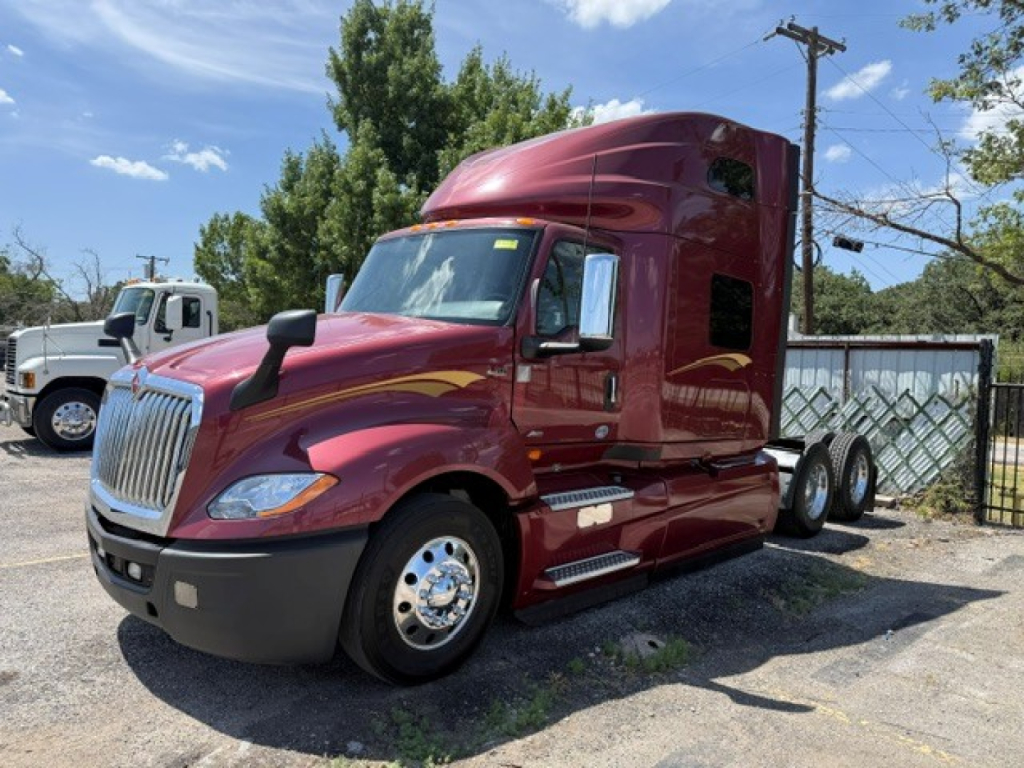
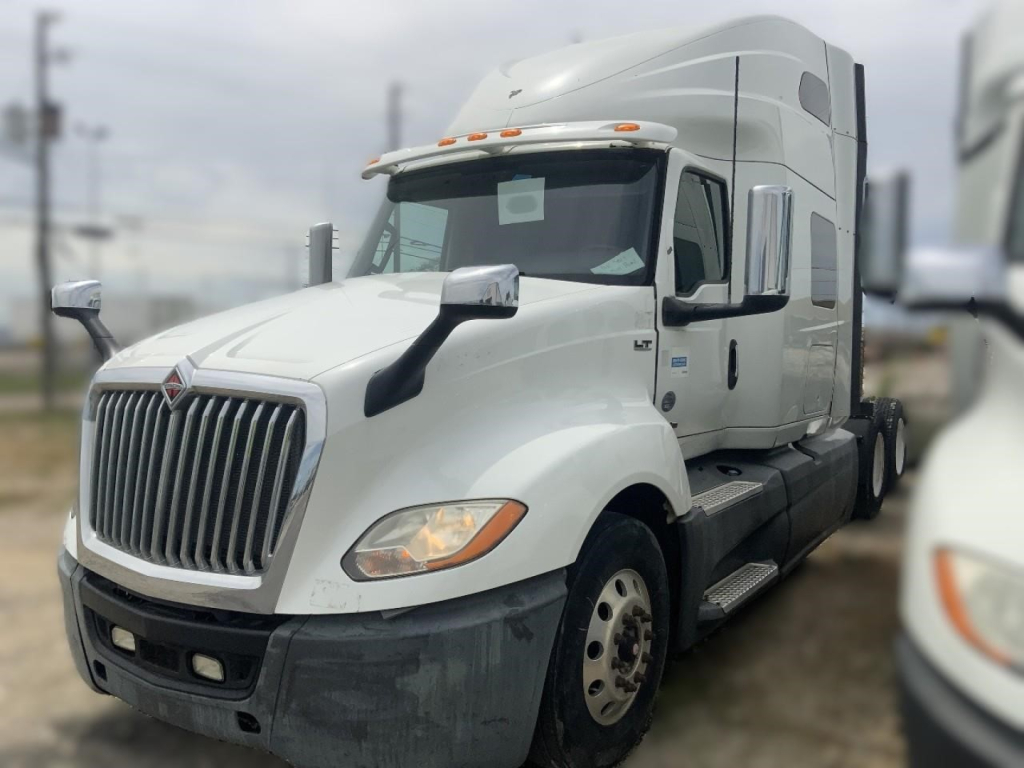
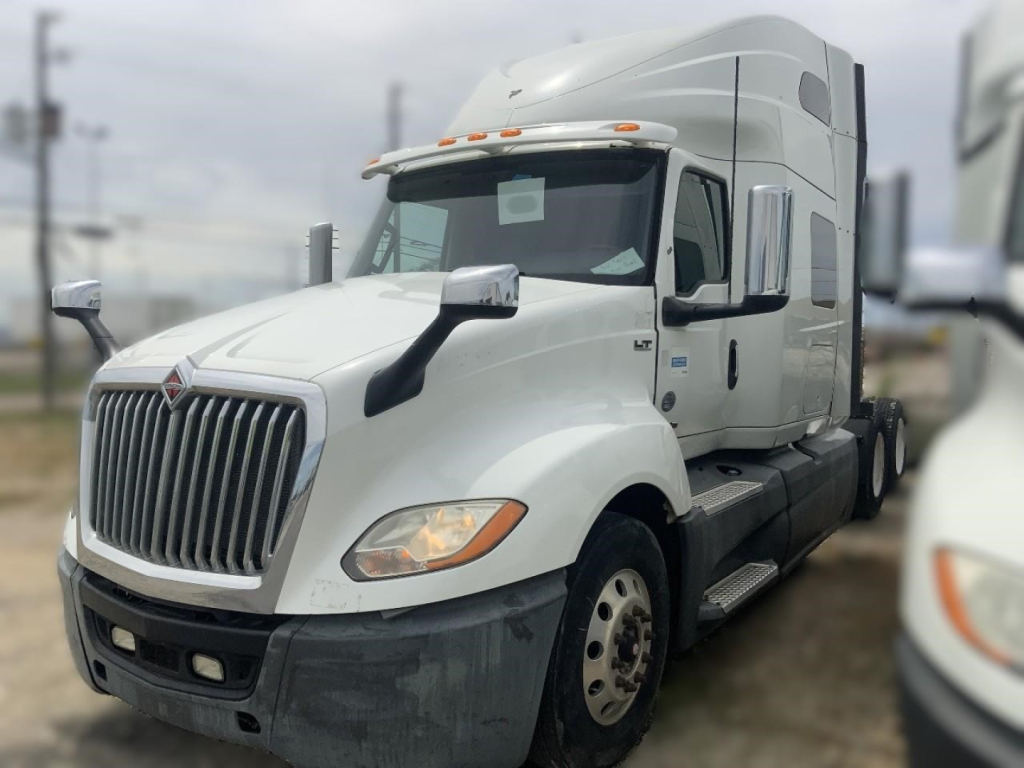
Have used 2018 international conventional sleeper truck to sell? List it here to reach thousands of buyers.
Used 2018 International Conventional Sleeper Trucks in Texas
Powertrain choice matters more than badge details. Many International sleepers from this period are spec'd with the Navistar A26, while some fleets and later comparable units use the Cummins X15. The A26 is known for lighter weight and fuel-conscious linehaul performance, while the X15 is often preferred by buyers who want broad service familiarity and strong support across major repair networks. Automated manual transmissions are common, especially 12-speed direct or overdrive setups, and they pair with rear axle ratios such as 2.64 or 2.85 for highway efficiency. A typical tandem axle spec is around 40,000 lb rears with air ride suspension, an air slide fifth wheel, disc or drum brakes, and wheelbases often in the 230 to 240 inch range depending on sleeper length and tank package.
Sleeper configuration is a practical buying decision, not just a comfort feature. International conventional sleepers are commonly found with mid-roof or 73-inch high-roof sleepers, and that affects storage, bunk layout, and driver retention on longer lanes. Buyers in Texas often look closely at cooling performance, idle management, and fuel capacity because long distances and hot weather expose weak HVAC systems fast. Aerodynamic fairings, cab extenders, dual aluminum tanks, collision mitigation, and adaptive driver-assist features can also matter if the truck is going back into fleet service. Interior wear, seat condition, dash electronics, and bunk HVAC controls are worth checking because they directly affect downtime and driver acceptance.
On 2018 International sleeper trucks, emissions history and software updates should be reviewed carefully, especially on units with prior fault activity involving the aftertreatment or DEF system. Service records for DPF cleaning, NOx sensors, SCR components, turbocharger work, and transmission calibration updates can tell you more than a basic walkaround. Buyers should also confirm tire size, brake type, frame condition, and axle ratio against the intended route profile. A fuel-mileage highway truck with tall gears is a different tool than a heavier regional tractor that sees more stop-and-go work. The best used 2018 International conventional sleeper trucks are the ones with a clear maintenance file, a powertrain spec that matches the lane, and a sleeper layout that supports the driver schedule.
Frequently Asked Questions about Used 2018 International Conventional Sleeper Trucks in Texas
What is the most important thing to check on a used 2018 International conventional sleeper truck?
The most important items are the engine and emissions maintenance history, transmission spec, and sleeper condition. On a 2018 truck, aftertreatment records are especially important because repeated DEF, SCR, or DPF issues can turn a lower purchase price into expensive downtime. Buyers should look for fault code history, proof of software updates, DPF service intervals, clutch or transmission calibration records on automated manuals, and any major engine repairs. A clean service file usually tells you more than appearance alone.
Which 2018 International sleeper models are most common in this category?
The most common 2018 International conventional sleeper models are the LT and some late ProStar units. The LT is generally the more modern platform, with better aerodynamics, improved cab layout, and a more current feel in the driver area. The ProStar is still common on the used market and can be a workable lower-cost option, but buyers tend to inspect engine history and emissions performance more carefully, especially on units with older powertrain combinations.
Is the International A26 a good engine for a used sleeper truck?
The A26 can be a good fit for linehaul buyers who want a lighter engine and fuel-focused spec, provided the truck has been maintained correctly. It is commonly found in International LT sleepers and is often paired with automated transmissions and faster rear axle ratios for highway work. The key is documented maintenance, current software, and a clean aftertreatment history. Buyers who prioritize service network familiarity across mixed-brand shops may also compare it against Cummins-powered trucks before deciding.
What sleeper size is best for a conventional sleeper truck in Texas?
For Texas routes, a 73-inch sleeper is a popular choice because it gives drivers more storage and a more comfortable bunk area for long regional or over-the-road operation. That extra living space can help with retention on runs that involve multiple nights out. Smaller sleepers may work well for dedicated regional routes with limited overnight use, but in a large state with long stretches between stops, buyers often favor a full-size sleeper with strong air conditioning and enough fuel capacity to support the lane.
Are 2018 International conventional sleeper trucks better for regional or long-haul work?
They can work well in either role if the spec matches the application. A truck with a high-roof sleeper, tall highway gears, dual tanks, and an aero package is usually better suited to long-haul freight. A unit with a shorter wheelbase, different axle ratio, and less emphasis on sleeper amenities may fit regional freight better. The category itself is flexible, so buyers should match horsepower, axle ratio, wheelbase, and sleeper layout to the actual route rather than assuming every sleeper tractor is built for the same job.