
Used 2018 International Conventional Sleeper Trucks For Sale
Shop used 2018 International conventional sleeper trucks. Compare LT and LoneStar specs, sleeper sizes, powertrains, wheelbases, and fuel economy.
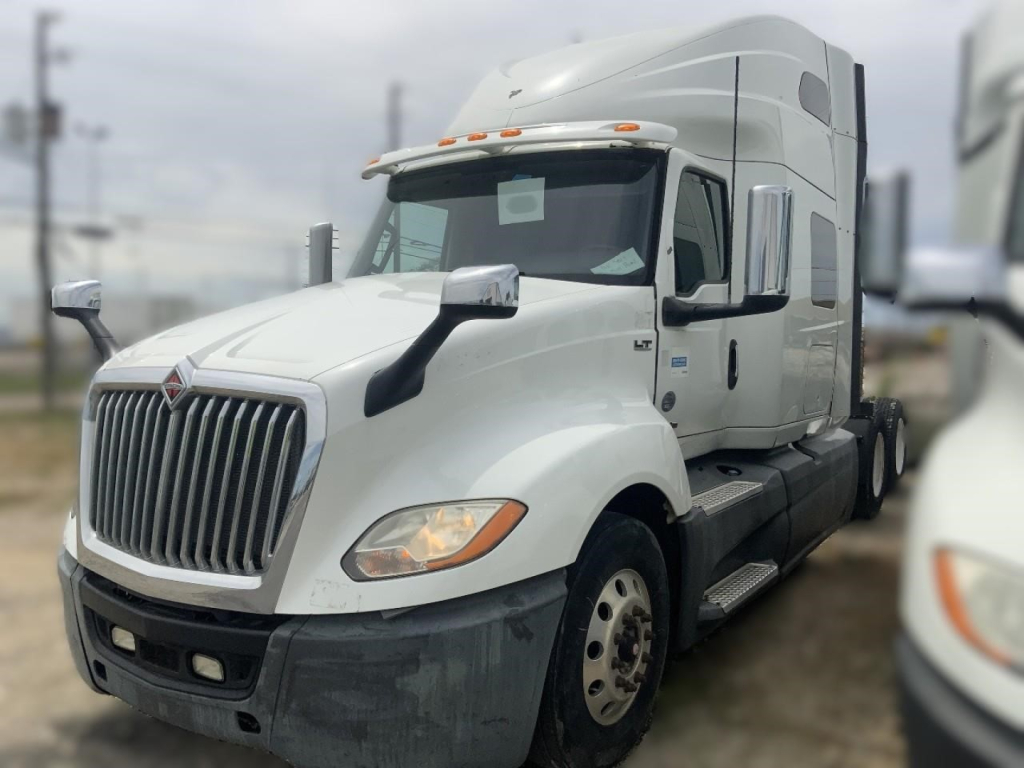
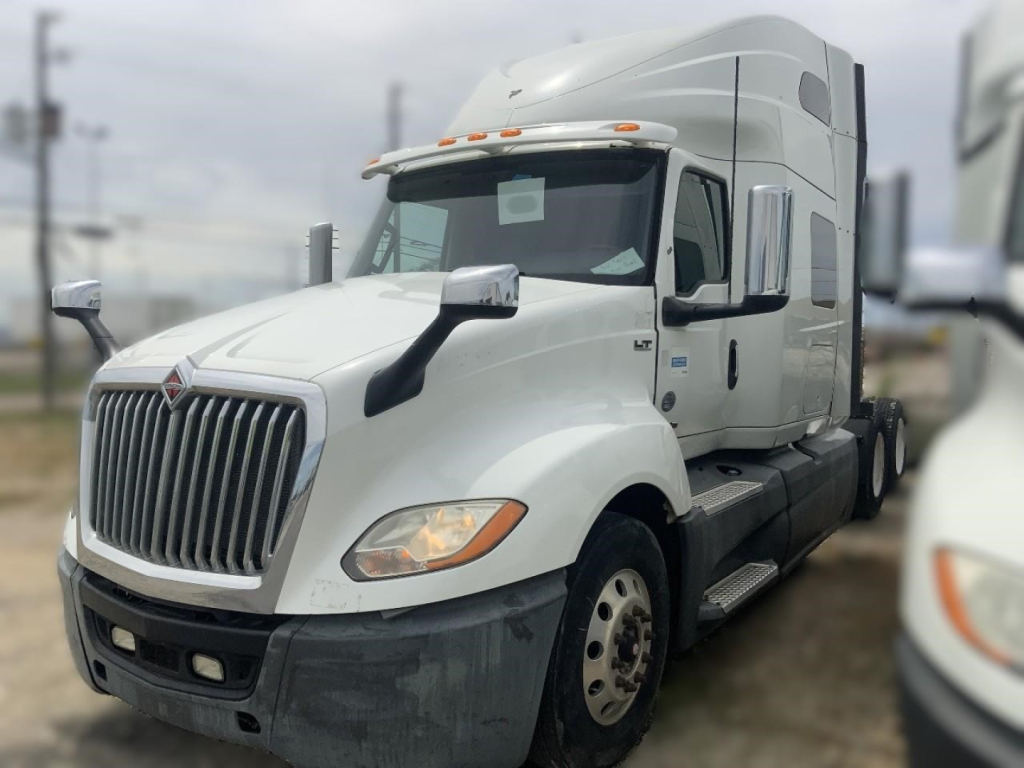

Selling a used 2018 international conventional sleeper truck? List your used 2018 international conventional sleeper truck for sale and reach thousands of commercial buyers.
Used 2018 International Conventional Sleeper Trucks
The biggest buying decision is usually the powertrain. Many 2018 International conventional sleepers are spec'd with the Cummins X15 in ratings around 400 to 450 horsepower, paired with automated manual transmissions from Eaton or similar 10-speed and 12-speed configurations. Rear axle ratios such as 2.47, 2.64, and 3.25 can change the truck's personality more than buyers expect. A 2.47 or 2.64 ratio generally favors fuel economy and linehaul speeds, while a deeper ratio can help in heavier gross weights, hill country, or applications that need stronger launch performance. Wheelbase, fifth wheel travel, and fuel capacity also matter if the truck will pull different trailer lengths or run long lanes with limited fuel stops.
Cab and sleeper spec is a real value driver on a used 2018 unit. Common features include 56-inch to 73-inch sleepers, single or double bunk layouts, bunk heaters, inverters, APUs or idle reduction systems, dual air ride seats, and driver-assist options such as collision mitigation or hill start assist. Buyers should pay close attention to the condition of the fairings, hood, cab mounts, seats, HVAC performance, and sleeper electrical components because these directly affect downtime and driver acceptance. On the chassis side, check whether the truck has drum or disc brakes, air ride suspension, aluminum or steel wheels, and an air slide fifth wheel. Those details can influence maintenance cost, resale appeal, and compatibility with your trailer mix.
For a used 2018 International conventional sleeper, service history is just as important as mileage. Engine aftertreatment work, transmission calibration history, DPF and DOC replacement records, injector or EGR repairs, and evidence of consistent PM intervals all help define the true value of the truck. Buyers running team operations or longer dwell times may prioritize double bunk sleepers, APUs, and larger fuel tanks, while regional carriers may lean toward lighter specs and lower sleeper height. A well-matched 2018 International sleeper can still be a cost-effective highway tractor if the spec fits the route, the maintenance records are solid, and the sleeper and emissions systems have been cared for properly.
Frequently Asked Questions about Used 2018 International Conventional Sleeper Trucks
What engine is most common in a used 2018 International conventional sleeper truck?
The Cummins X15 is one of the most common engines found in a used 2018 International conventional sleeper, especially in linehaul and fleet tractor specs. Ratings often fall in the 400 to 450 horsepower range, which fits general freight, van, reefer, and many dedicated applications. When comparing trucks, buyers should look beyond horsepower and review torque rating, engine brake performance, maintenance records, and any aftertreatment repairs because those factors affect operating cost more than the badge on the valve cover.
What sleeper size should I look for in a 2018 International sleeper truck?
Sleeper size depends on route length, driver schedule, and retention priorities. A 56-inch sleeper can work well for shorter overnights or regional lanes, while a 73-inch sleeper is better suited for long-haul service, team driving, and drivers who need more storage and living space. Double bunk layouts, bunk heaters, refrigerators, and inverters can add meaningful value if the truck will stay out for extended periods. The right sleeper is the one that matches your operation without adding unnecessary weight or cost.
Are 2018 International conventional sleepers good for fuel economy?
They can be, especially when equipped with an aerodynamic LT cab, automated transmission, and highway-friendly rear axle ratios such as 2.47 or 2.64. Fuel economy also depends on tire spec, idle time, average gross weight, cruise speed, and how well the aftertreatment and engine software have been maintained. Buyers should compare axle ratio, transmission model, roof fairing height, and fuel tank setup rather than assuming every 2018 International sleeper will perform the same at the pump.
What should I inspect first on a used 2018 International sleeper truck?
Start with maintenance documentation, engine hours, and fault history if available. Then inspect the emissions system, including DPF, DOC, sensors, and related service records, because aftertreatment repairs can change the true cost of ownership quickly. After that, review transmission operation, clutch wear if equipped, suspension condition, brake type and remaining life, tire wear patterns, and any signs of damage around the hood, fairings, and sleeper. Interior wear, HVAC output, bunk equipment function, and APU operation also deserve close attention because they affect uptime and driver satisfaction.
What axle ratio is best in a used 2018 International conventional sleeper?
There is no single best ratio for every operation. A 2.47 or 2.64 ratio is common for highway fuel economy and steady interstate speeds, while a 3.25 ratio may be more suitable for heavier loads, more aggressive startability, or routes with frequent grades. The best choice depends on your transmission, tire size, average gross combined weight, cruise speed, and terrain. Buyers should match axle ratio to the lane and payload instead of judging the truck by horsepower alone.