
Used 2018 Conventional Sleeper Trucks For Sale in Texas
Browse used 2018 conventional sleeper trucks in Texas. Compare sleeper size, engine, wheelbase, drivetrain, emissions, and long-haul specs.
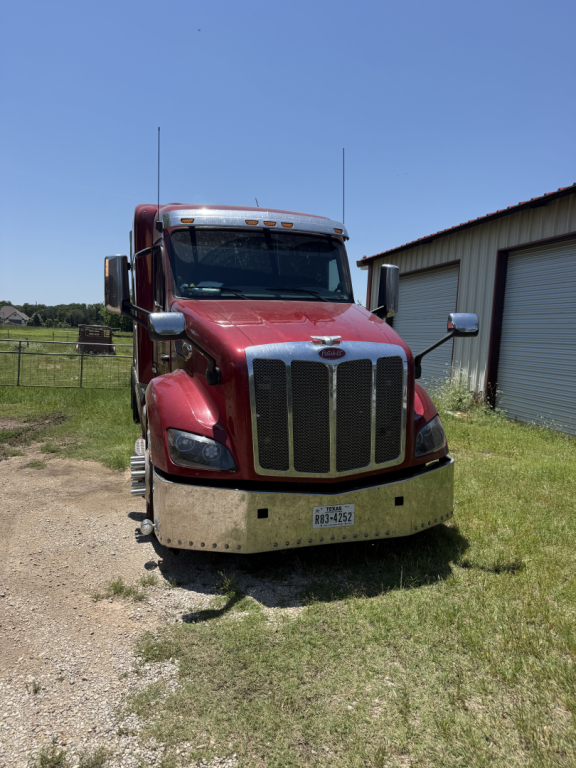
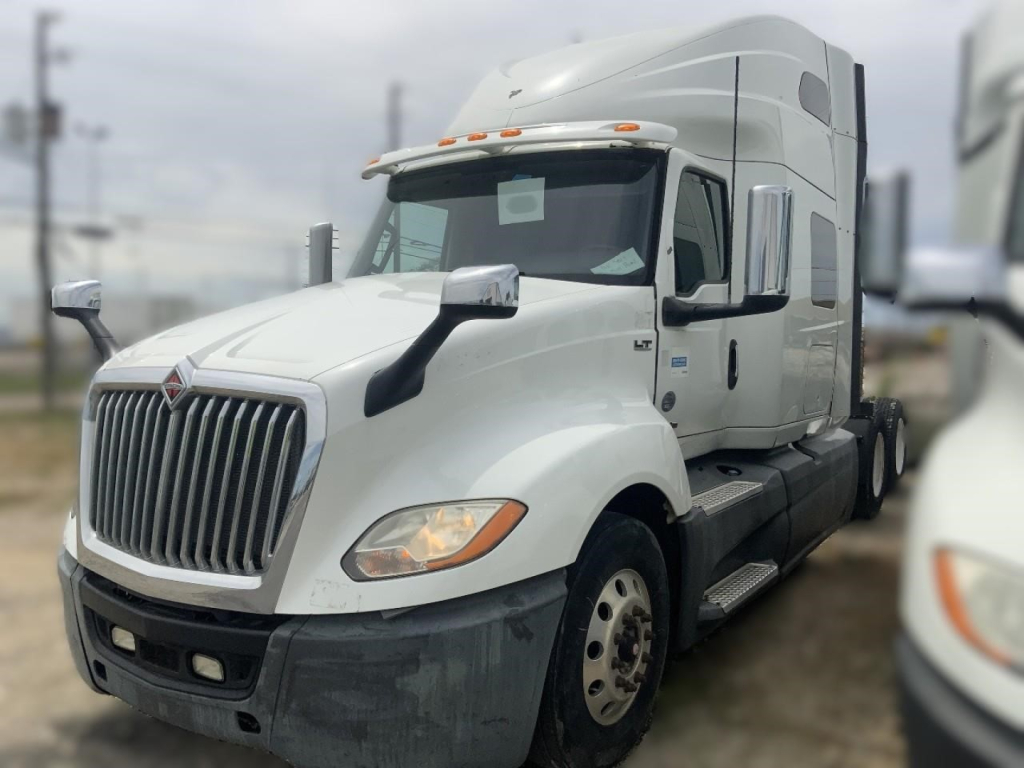

Selling a used 2018 conventional sleeper truck? List your used 2018 conventional sleeper truck for sale and reach thousands of commercial buyers.
Used 2018 Conventional Sleeper Trucks in Texas
The most important buying decisions usually come down to powertrain, wheelbase, and sleeper layout. Common 2018 engine choices include the Detroit DD15, Cummins X15, Paccar MX-13, Volvo D13, and in some vocational-leaning or legacy builds, Caterpillar repowers on older chassis. Horsepower in this class often falls in the 400 to 505 HP range, with rear axle ratios selected for either fuel economy or heavier pull applications. Buyers should look closely at transmission type, engine brake performance, mileage, idle hours, emissions history, and service records for the aftertreatment system. A 72-inch to 80-inch sleeper is common for long-haul work, while double bunk layouts, workstation interiors, APUs, and inverter packages add value for teams and drivers spending extended time on the road.
Texas buyers should pay attention to operating environment and application. A truck running I-35, I-10, West Texas oilfield support, or cross-border freight may be spec'd very differently than a fleet truck built for dry van lanes. Front axle rating, 40,000 lb rear axles, fifth wheel slide travel, dual fuel tank capacity, and wheelbase all affect versatility. Aerodynamic fairings, collision mitigation systems, adaptive cruise, disc brakes, and tire inflation systems can improve operating efficiency and safety, but condition matters more than feature count on a used unit. Frame condition, suspension wear, steer tire pattern wear, DPF and SCR maintenance, and signs of excessive idle time should all be reviewed before purchase.
A good 2018 conventional sleeper should match the freight, not just the budget. For dry van and reefer work, fuel economy specs with automated transmissions and lower rear ratios are common. For flatbed, heavier specialized freight, or mixed-terrain regional hauling, buyers may prefer more aggressive gearing, longer wheelbase control, and heavier-duty driveline components. Cab room, bunk access, storage, bunk heater or APU setup, and dash layout still matter because driver retention and comfort affect uptime. When comparing used 2018 conventional sleeper trucks for sale in Texas, focus on total cost of operation, emissions maintenance exposure, and how the truck was originally spec'd for the job it needs to do now.
Frequently Asked Questions about Used 2018 Conventional Sleeper Trucks in Texas
What should I check first on a used 2018 conventional sleeper truck?
Start with the engine and emissions system history, because those items drive repair cost and downtime. Review mileage, engine hours, idle hours, service records, and any repairs related to the DPF, SCR, EGR, turbocharger, and injector system. After that, inspect transmission operation, clutch wear if equipped, axle ratios, suspension condition, brake type, tire wear patterns, and frame integrity. A used sleeper truck can look clean and still be expensive if the aftertreatment system or driveline has been neglected.
Are 2018 conventional sleeper trucks good for over-the-road freight?
Yes, 2018 conventional sleeper trucks are commonly used for over-the-road and regional haul applications. Many were built with raised-roof sleepers, tandem axles, aerodynamic packages, and fuel-efficient powertrains that fit dry van, reefer, and general freight work well. The key is to match the sleeper size, fuel capacity, wheelbase, and axle ratio to the lanes being run. A truck spec'd for linehaul fuel economy may not be the best fit for heavier freight or frequent stop-and-go duty.
Which engines are common in 2018 conventional sleeper trucks?
Common engines in this category include the Detroit DD15, Cummins X15, Paccar MX-13, and Volvo D13. These engines were widely used in highway tractors and are supported by large dealer and service networks. The best choice depends on maintenance history, local service access, driver preference, and the transmission and gearing paired with the engine. On a used truck, documented care is usually more important than brand alone.
What sleeper size is best on a used 2018 sleeper truck?
For solo regional work, a mid-roof or smaller sleeper may be enough, but most long-haul buyers prefer a 72-inch to 80-inch raised-roof sleeper. Larger sleepers provide more storage, better standing room, and more practical living space for teams or extended trips. Double bunks, APUs, inverters, and workstation layouts can add real operational value. The right sleeper size depends on trip length, driver turnover, and whether the truck will stay out for days or weeks at a time.
Why does wheelbase matter on a conventional sleeper truck?
Wheelbase affects ride quality, trailer gap, weight distribution, maneuverability, and how the truck fits different freight applications. A longer wheelbase can improve highway ride and allow larger sleepers or fuel capacity, but it may limit maneuverability in tight yards or city delivery points. Fifth wheel position and kingpin setting also matter because they influence axle loading and trailer compatibility. Buyers should compare wheelbase with intended trailer type, state bridge laws, and loading patterns before making a decision.