
Used 2018 Conventional Sleeper Trucks For Sale
Shop used 2018 conventional sleeper trucks with proven long-haul specs, common engine choices, sleeper sizes, and buyer-focused spec guidance.
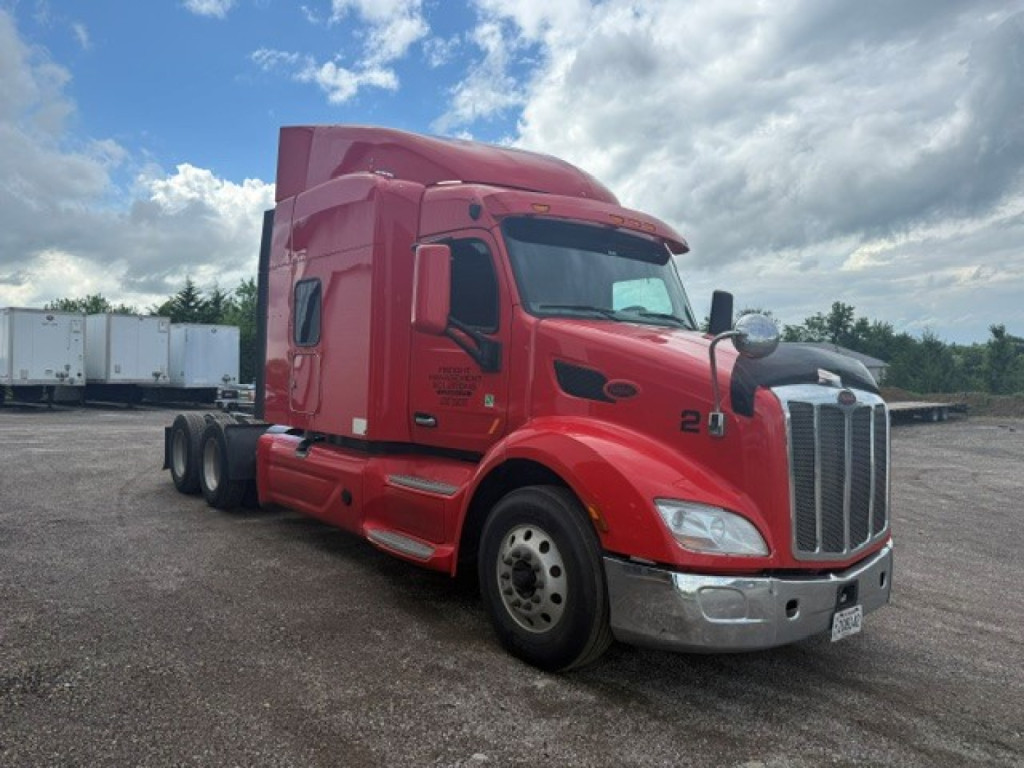
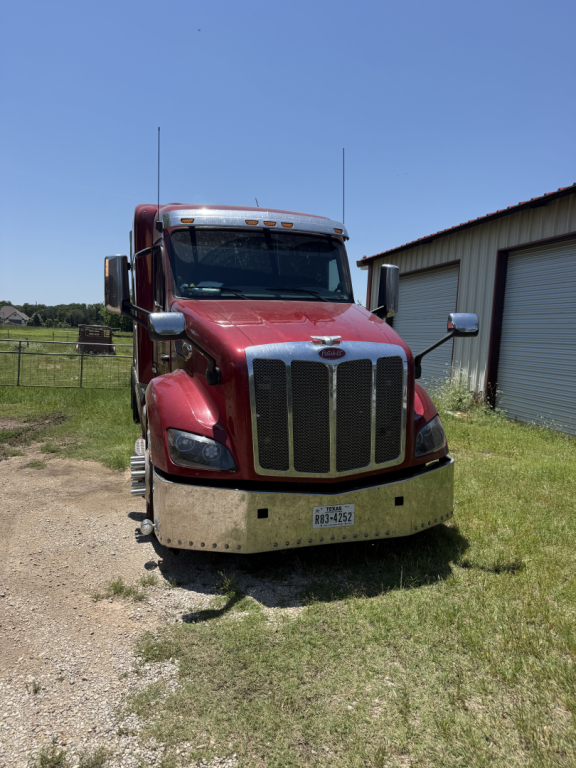
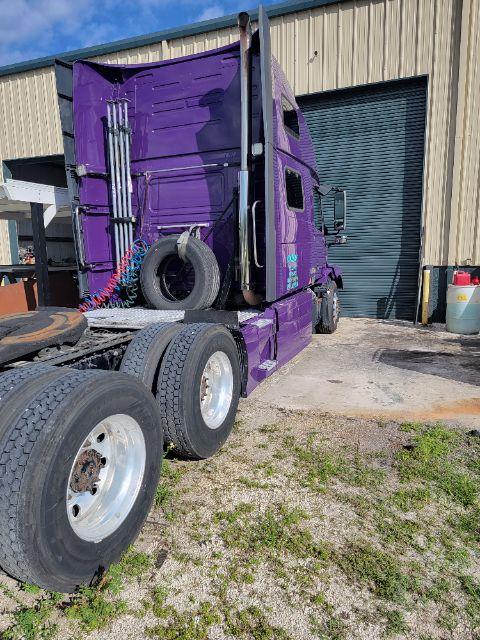
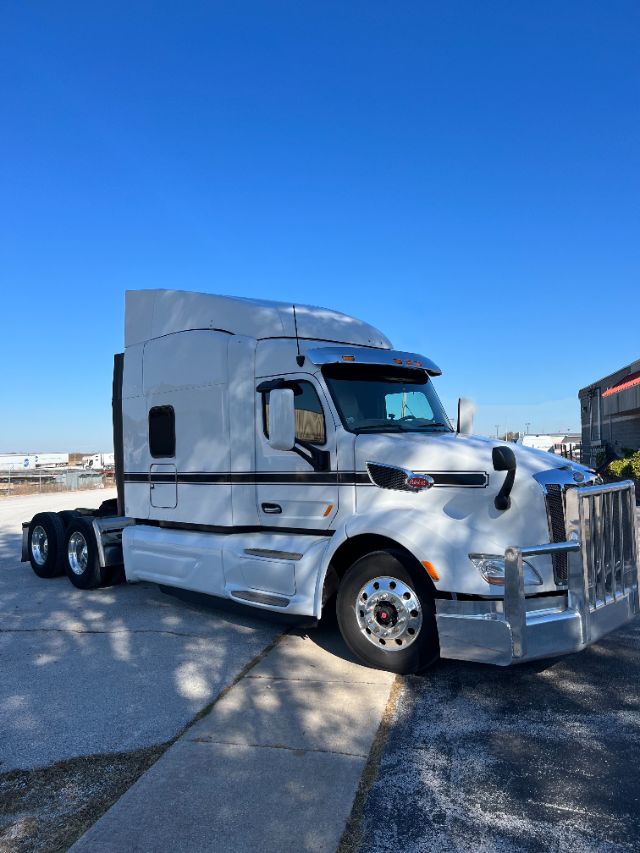
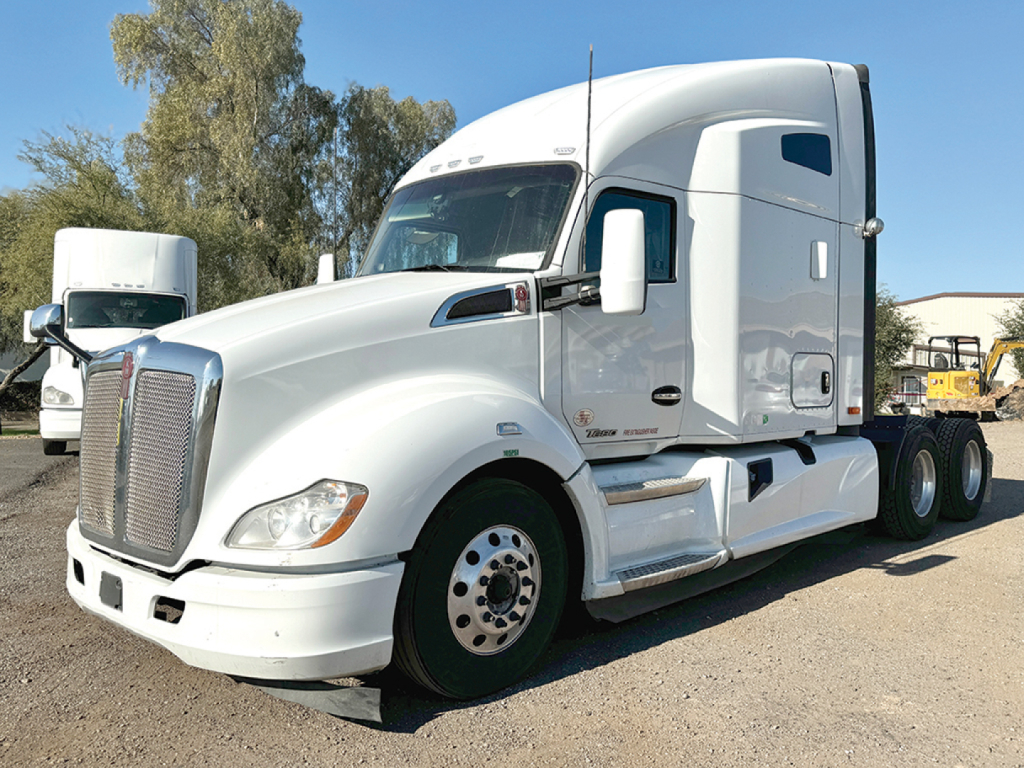
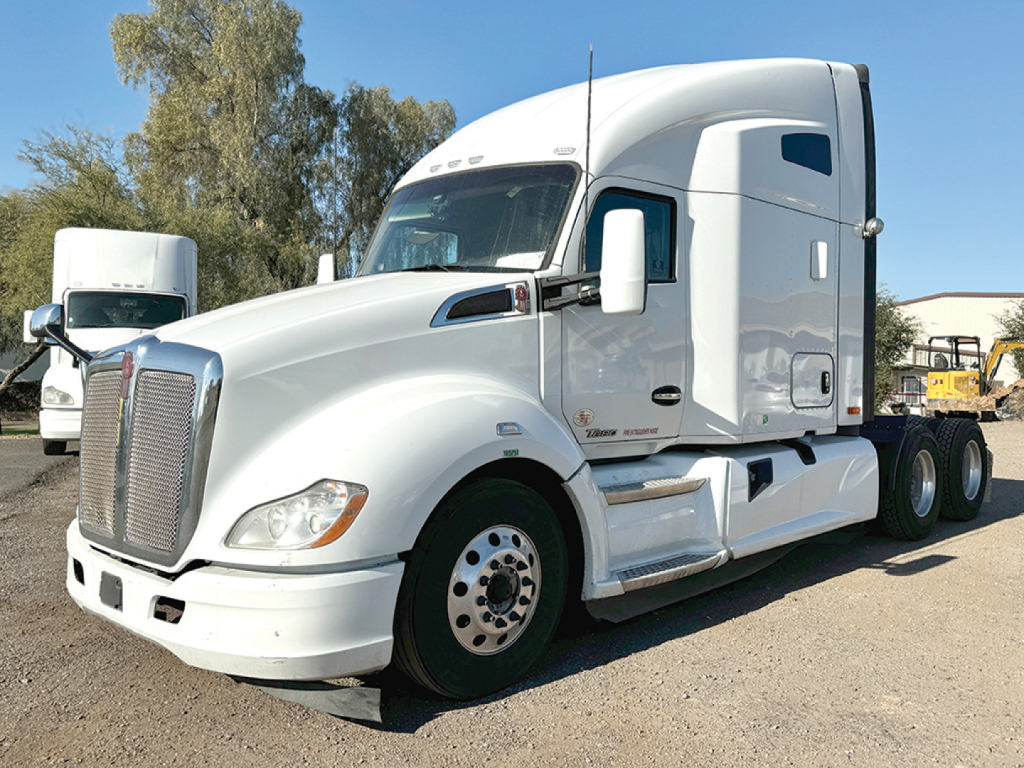
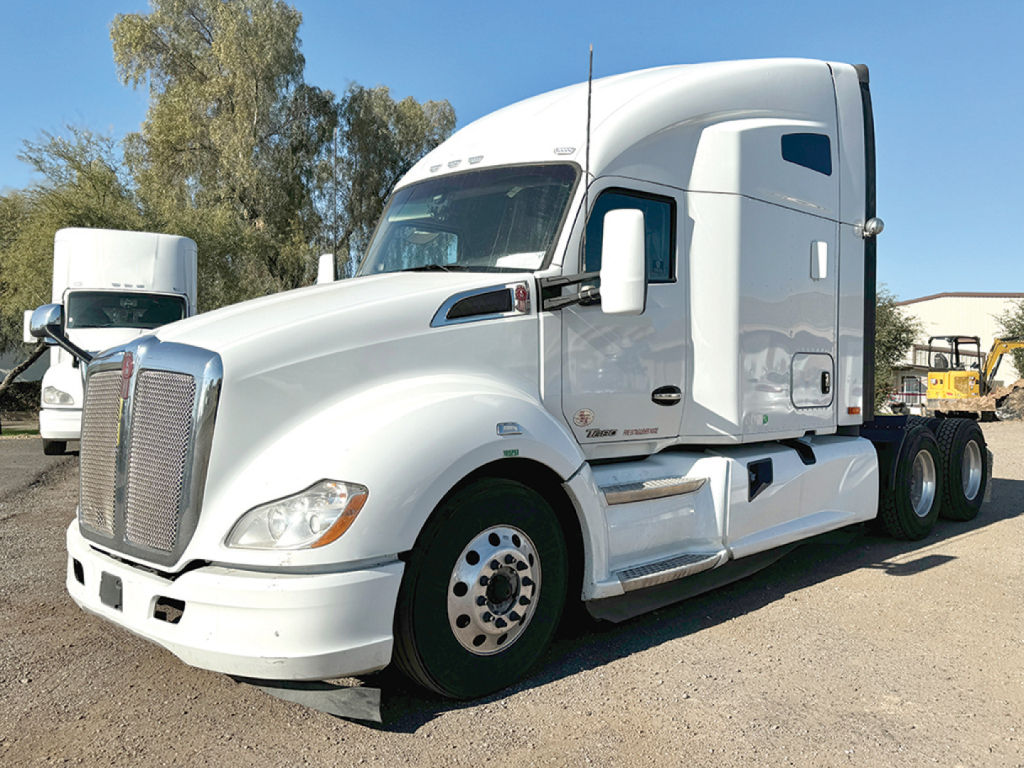
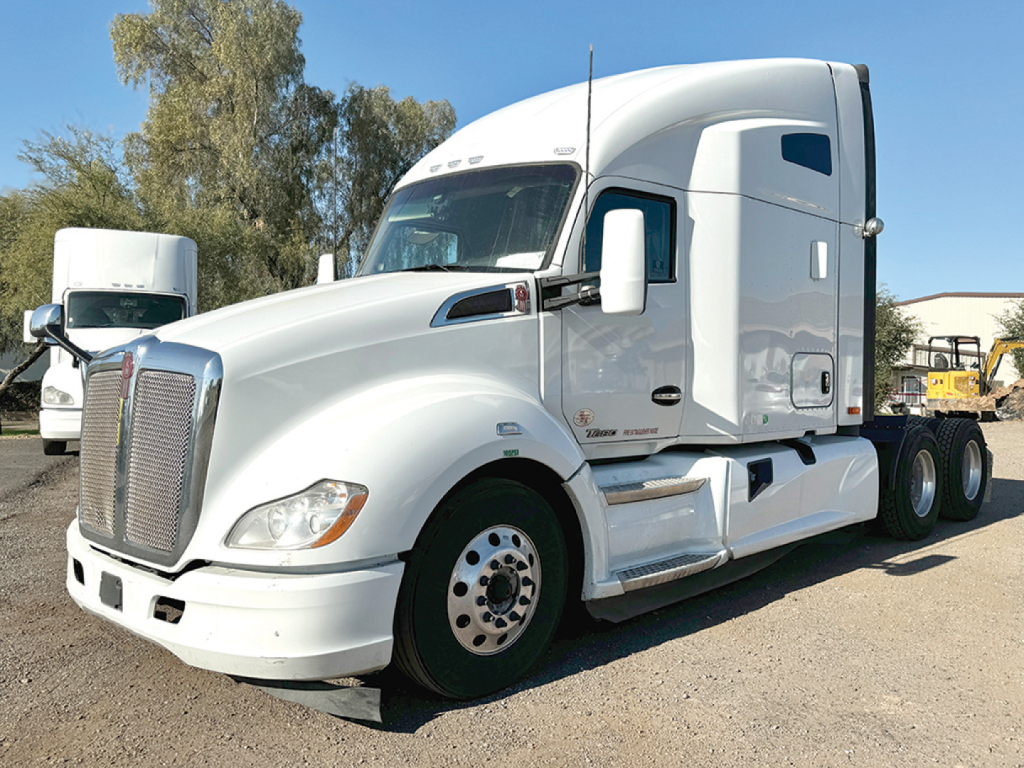
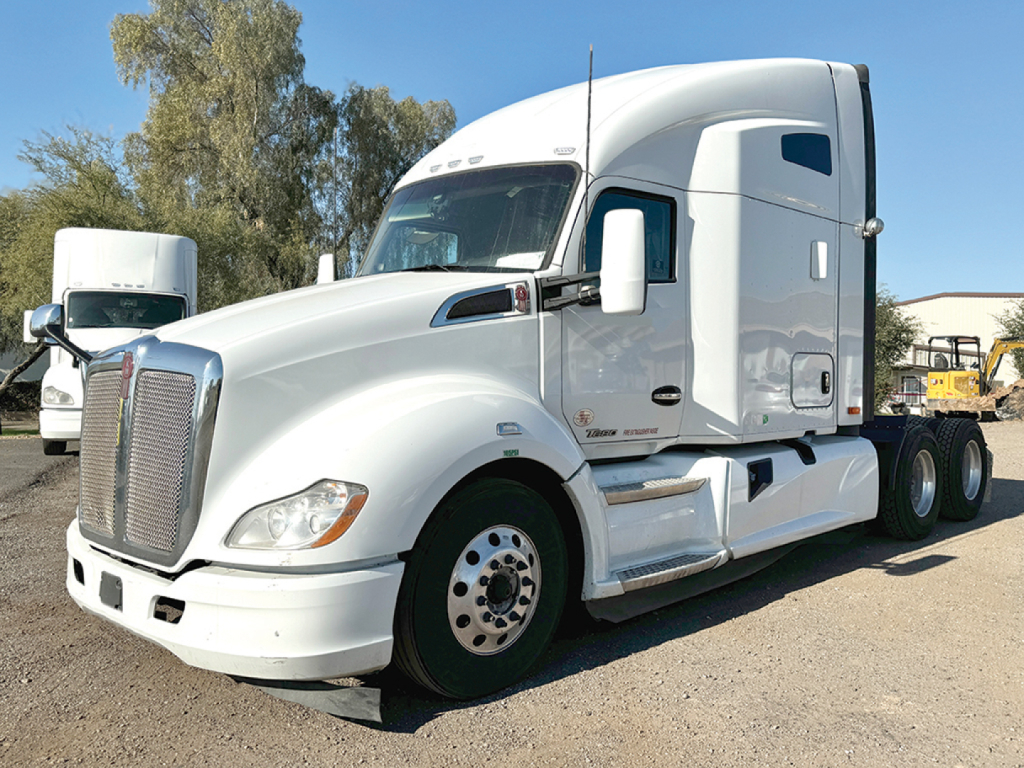
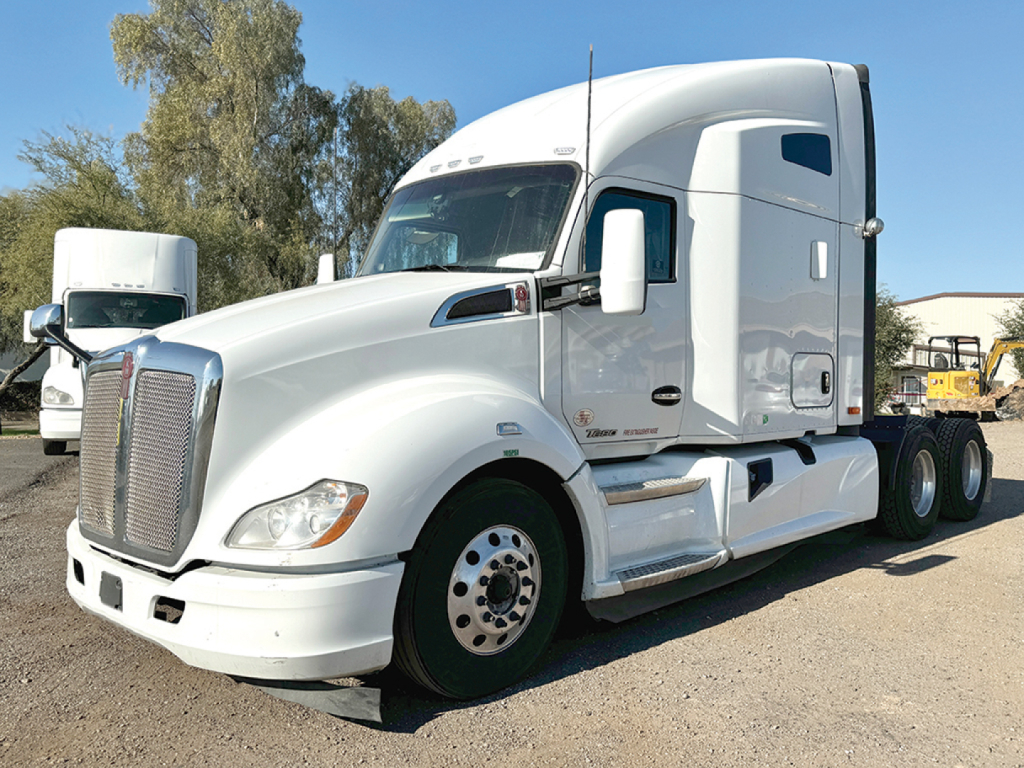
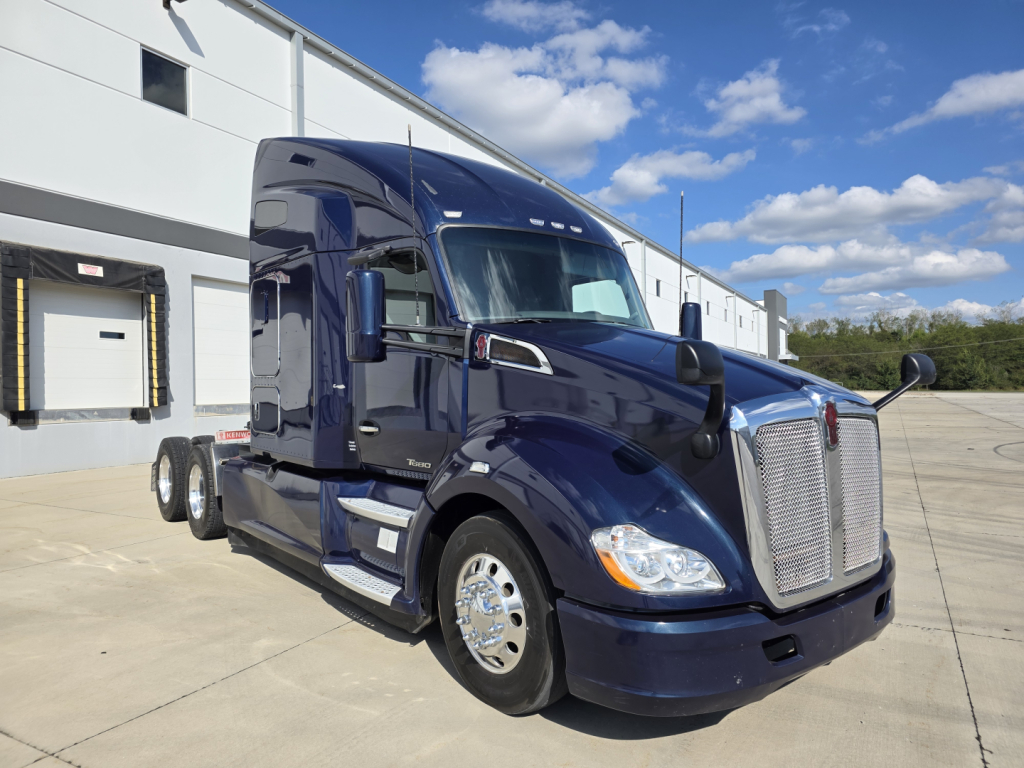
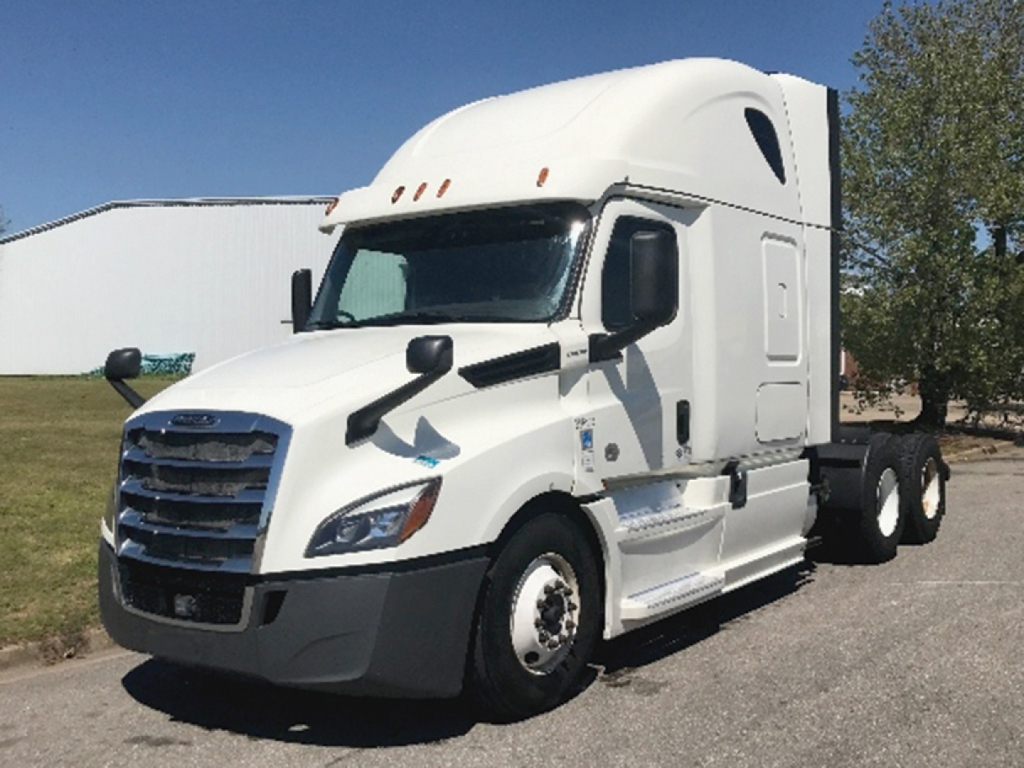
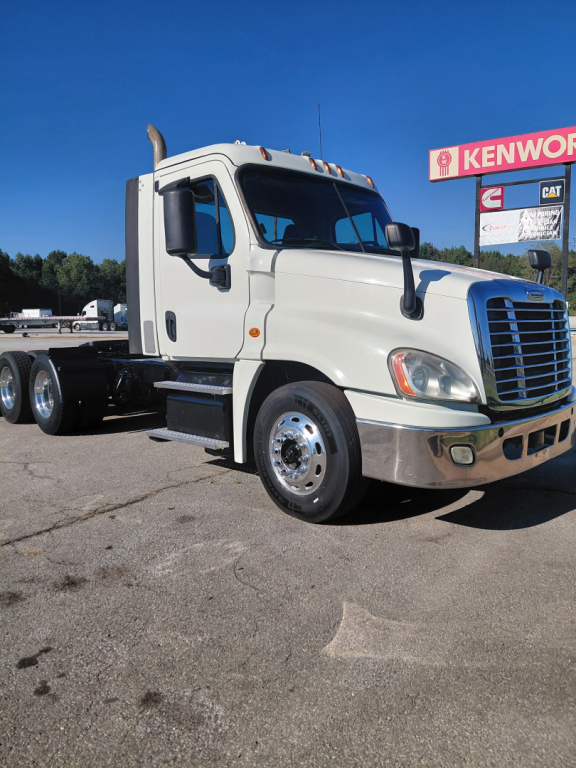
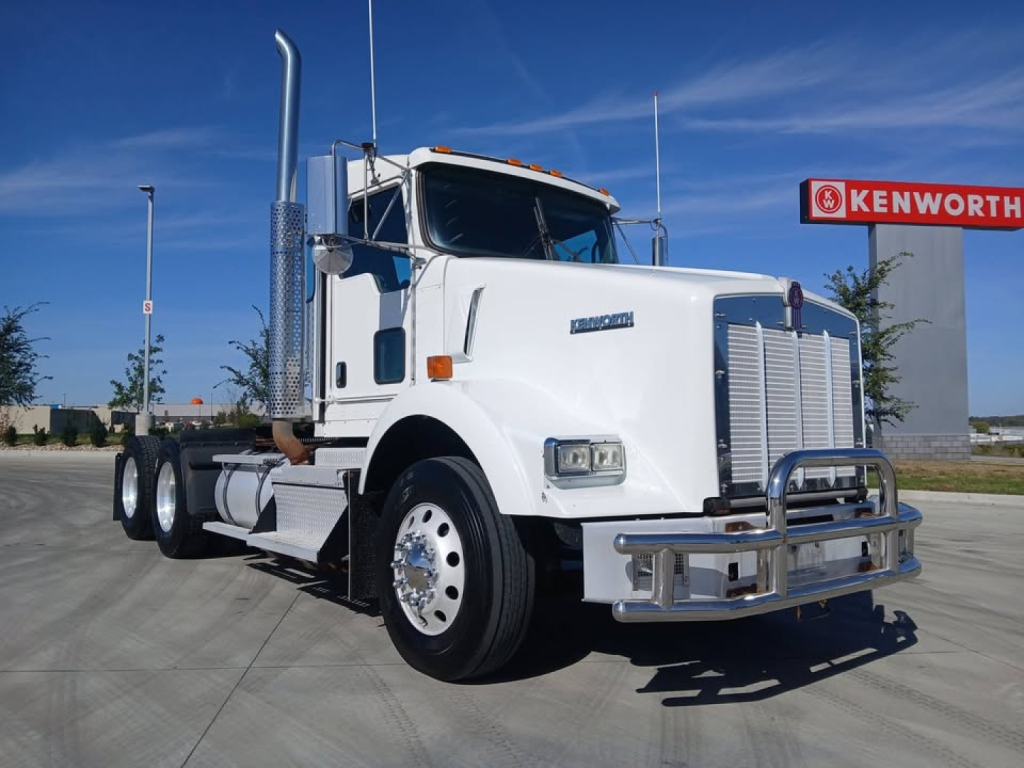
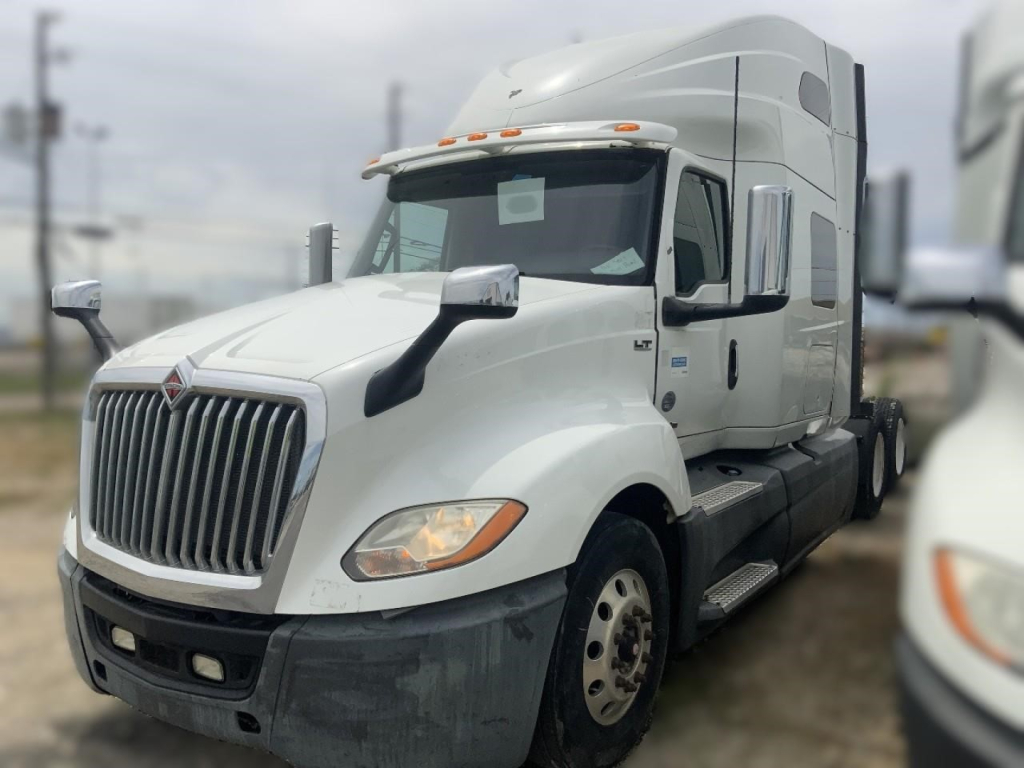
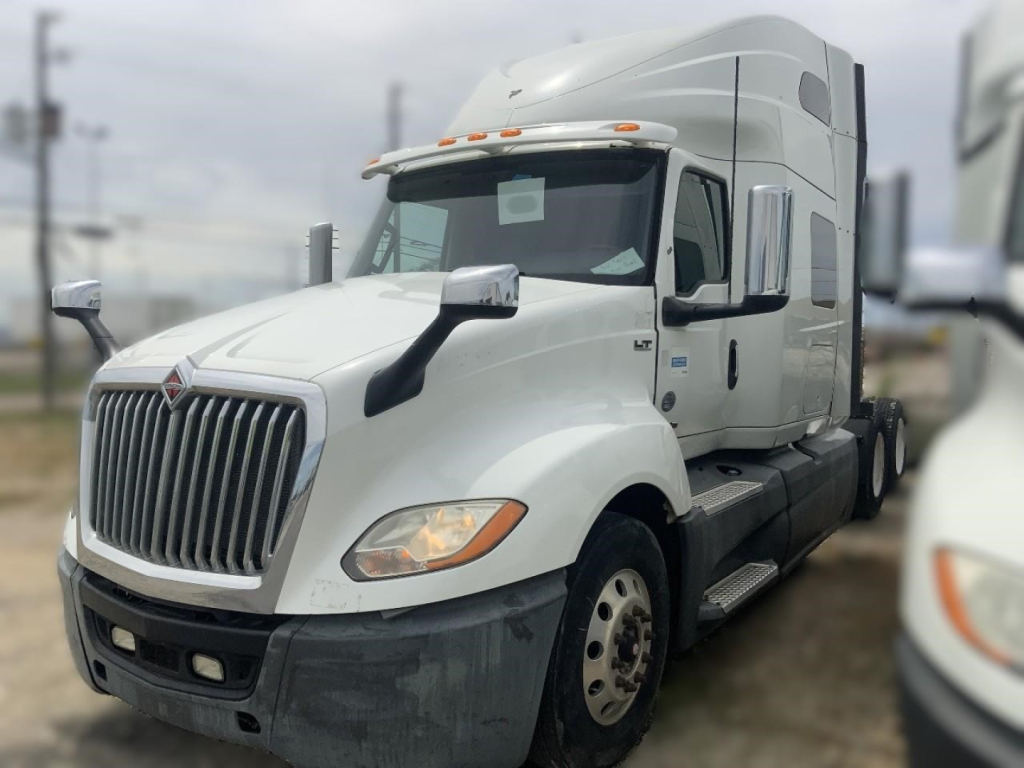
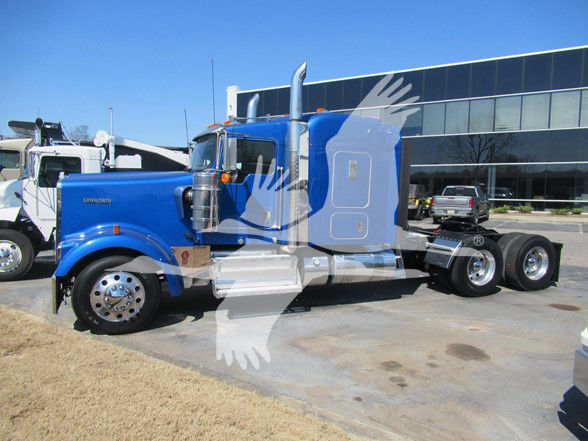

Showing 1 to 28 of 29 results
Selling a used 2018 conventional sleeper truck? List your used 2018 conventional sleeper truck for sale and reach thousands of commercial buyers.
Used 2018 Conventional Sleeper Trucks
The biggest buying decision in a 2018 sleeper is the powertrain spec. Most trucks in this class were ordered with 13- to 15-liter diesel engines such as the Detroit DD15, Cummins X15, PACCAR MX-13, or Volvo D13, typically paired with automated manual transmissions, though some manuals are still out there. Rear axle ratios often fall in the fuel-efficient range, and that matters because the wrong gearing can hurt startability, cruise RPM, and grade performance for your freight profile. Pay attention to horsepower, torque rating, transmission model, wheelbase, and sleeper size. A 72-inch raised roof sleeper is common, but mid-roof and larger sleepers also show up depending on lane length and driver requirements.
A used 2018 conventional sleeper should also be evaluated as a total operating package, not just a cab and engine. Check axle ratings, suspension type, fuel capacity, fifth wheel setup, and any driver-focused equipment such as an APU, bunk heater, inverter, refrigerator prep, collision mitigation, and adaptive cruise. Many 2018 trucks were spec'd with air ride suspension, tandem 40,000 lb rears, aluminum wheels, fairings, and aerodynamic packages that still make sense for fuel-conscious fleets and owner-operators. Buyers should look closely at service history, fault codes, DPF and SCR maintenance, clutch wear on automated transmissions, and signs of excessive idle time, because those items can change the real value of a used sleeper quickly.
For freight that lives on interstates and distribution corridors, a 2018 conventional sleeper remains one of the most versatile truck classes on the market. It gives you a full sleeper cab for compliance and driver comfort, a conventional hood layout for service access, and enough spec variation to match dry van, reefer, flatbed, or general freight work. The best choice is usually the one with a clear maintenance record, a drivetrain matched to your average gross weight and terrain, and a sleeper configuration that fits how many nights the truck will stay on the road.
Frequently Asked Questions about Used 2018 Conventional Sleeper Trucks
What should I look for first when buying a used 2018 conventional sleeper truck?
Start with the engine, transmission, axle ratio, mileage, and maintenance history. Those factors tell you more about long-term operating cost than cosmetic condition alone. On a 2018 model, emissions system service records are especially important, including DPF cleaning history, SCR and DEF system repairs, and any recurring fault codes. It is also smart to confirm the sleeper size, wheelbase, and axle ratings match the freight you plan to haul.
Are 2018 conventional sleeper trucks good for long-haul operations?
Yes, 2018 conventional sleepers were built squarely for long-haul and regional overnight work. Most have aerodynamic body designs, integrated sleeper cabs, and highway-oriented powertrains that support fuel economy and driver comfort. Many were spec'd with 72-inch or similar sleepers, air ride suspension, and automated transmissions, which makes them a strong fit for dry van, reefer, and dedicated route operations.
Which engines are common in used 2018 sleeper semis?
Common engines in this category include the Detroit DD15, Cummins X15, PACCAR MX-13, and Volvo D13. Each has a different service network footprint, fuel economy reputation, and driver preference depending on the application. The best choice often comes down to your local dealer support, technician familiarity, and whether the truck's horsepower and torque are matched correctly to your average load, terrain, and cruise speed.
How important is sleeper size on a 2018 conventional truck?
Sleeper size affects both driver comfort and the truck's overall operating profile. A mid-roof sleeper can work well for regional runs and fleets that prioritize lower weight and simpler spec, while a 72-inch or larger raised-roof sleeper is usually better for extended over-the-road use. Larger sleepers often add storage and livability, but they also influence wheelbase, tare weight, and sometimes resale appeal depending on the market.
Is an automated transmission a good choice in a used 2018 sleeper truck?
For many buyers, yes. Automated manual transmissions became very common in this model year because they help with fuel economy consistency, reduce driver fatigue, and widen the available driver pool. The key is to verify software updates, clutch condition, calibration history, and how the truck was used. A well-maintained automated transmission can be a strong asset, but a neglected one can create downtime and repair expense.