
Used 2018 Freightliner Conventional Sleeper Trucks For Sale
Shop used 2018 Freightliner conventional sleeper trucks, including Cascadia models, with specs suited for regional and long-haul freight.
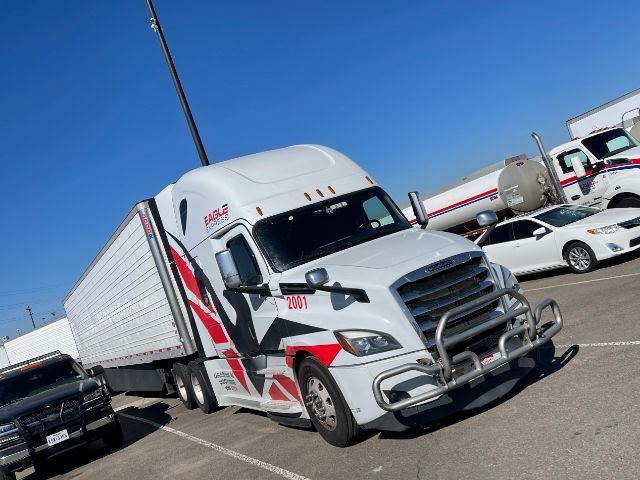
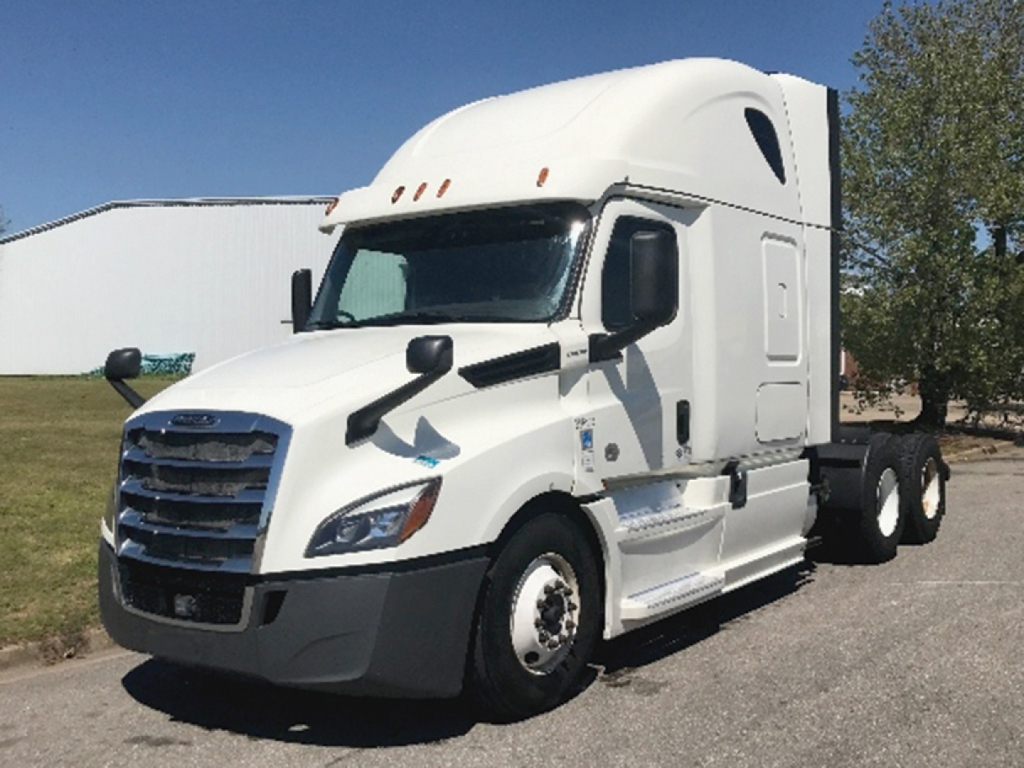
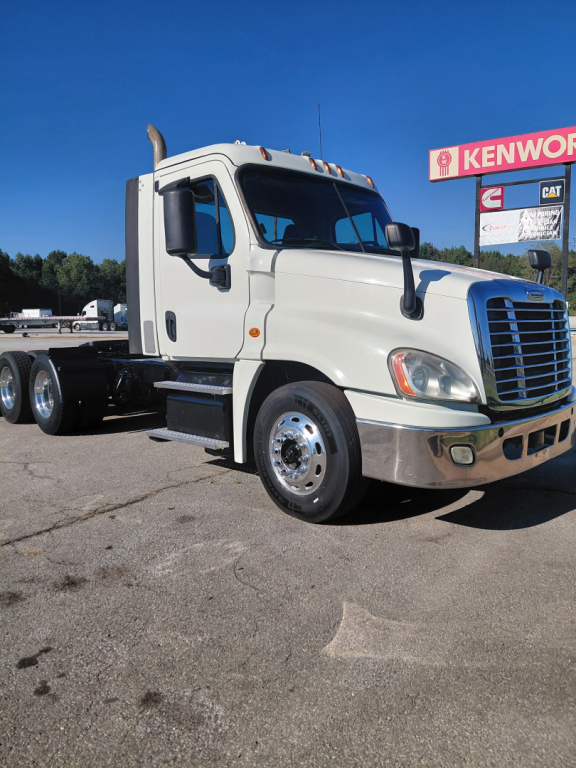

Selling a used 2018 freightliner conventional sleeper truck? List your used 2018 freightliner conventional sleeper truck for sale and reach thousands of commercial buyers.
Used 2018 Freightliner Conventional Sleeper Trucks
Powertrain spec matters more than the badge on the hood. Many 2018 Freightliner conventional sleeper trucks are equipped with Detroit engines such as the DD13 or DD15, paired with either a DT12 automated manual or a traditional manual transmission. Buyers should pay close attention to horsepower and torque ratings, rear axle ratio, and whether the truck was ordered for fuel economy or heavier gross combination weight work. A 2.47 or similar fast ratio can be attractive for linehaul fuel mileage, while other ratios may better suit mixed terrain or heavier loads. Maintenance history on the emissions system, transmission calibration, and cooling system condition should be reviewed closely on any used 2018 unit.
Sleeper layout and driver amenities also affect value. Typical specs in this category include 60-inch to 72-inch sleepers, single or double bunk arrangements, bunk heaters, inverters, storage cabinets, and premium seats. Many 2018 Freightliner sleepers also came with collision mitigation, lane departure warning, cruise control, and steering wheel controls, especially in fleet-spec trucks. For teams or extended over-the-road use, bunk access, HVAC performance, and idle management features are worth checking. Items like an APU, optimized idle, dual aluminum fuel tanks, and an air-slide fifth wheel can make a noticeable difference in daily operating efficiency.
Condition should be judged by application history as much as mileage. A well-maintained fleet truck with documented service intervals can be a better buy than a lower-mile unit with weak records. Inspect tire wear, brake life, suspension bushings, fairings, sleeper seals, and signs of previous body repair. On a used 2018 Freightliner conventional sleeper, it is smart to verify ECM data, aftertreatment service history, and any fault code patterns before purchase. Buyers comparing multiple trucks in this class usually narrow the field by sleeper size, engine rating, transmission type, safety package, and axle ratio, since those specs directly affect fuel burn, driver acceptance, and resale strength.
Frequently Asked Questions about Used 2018 Freightliner Conventional Sleeper Trucks
What engine and transmission combinations are common in a used 2018 Freightliner conventional sleeper truck?
Most used 2018 Freightliner conventional sleeper trucks are built with Detroit power, commonly a DD13 or DD15, and many are paired with the DT12 automated manual transmission. Some units may still have a manual transmission depending on the original fleet spec. The right combination depends on the work. A DD15 with a DT12 is common in long-haul applications where fuel economy and driver consistency matter, while other specs may be better suited for regional hauling or heavier freight.
Is a 2018 Freightliner Cascadia sleeper a good choice for long-haul freight?
Yes. The 2018 Freightliner Cascadia sleeper is widely used in over-the-road service because it combines aerodynamic design, comfortable sleeper layouts, and broad service support. It is a practical choice for dry van, reefer, and general freight operations. Buyers should still match the truck to the job by checking sleeper size, fuel capacity, axle ratio, and engine horsepower instead of assuming every Cascadia is spec'd the same way.
What should I inspect first on a used 2018 Freightliner sleeper truck?
Start with service records, engine hours, and the truck's aftertreatment history. Then inspect the tires, brakes, suspension, fifth wheel, fairings, and sleeper condition. On a 2018 model, it is especially important to check for fault codes, transmission performance, emissions-related repairs, and cooling system maintenance. A clean ECM history and documented preventive maintenance usually tell you more than odometer mileage alone.
What sleeper features add the most value on a 2018 Freightliner conventional sleeper?
The most useful sleeper features depend on route length and driver needs, but common value drivers include a raised-roof sleeper, double bunk, bunk heater, inverter, optimized idle, and an auxiliary power unit. Safety systems such as collision mitigation and lane departure warning can also improve appeal, especially for fleet buyers. Trucks with practical comfort features and clean interior condition often hold value better because they are easier to place with drivers.
How do axle ratio and wheelbase affect a used 2018 Freightliner sleeper?
Axle ratio and wheelbase have a direct impact on fuel economy, maneuverability, and application fit. A faster rear axle ratio, such as 2.47, is often used in highway fuel-mileage specs, while other ratios may perform better in hilly terrain or with heavier average loads. Wheelbase affects trailer gap, turning radius, and weight distribution. Buyers should compare these specs closely because two 2018 Freightliner sleepers can look similar but operate very differently.