
Used 2018 Peterbilt Conventional Sleeper Trucks For Sale
Shop used 2018 Peterbilt conventional sleeper trucks, including 579 models with sleeper options, highway specs, and owner-operator features.
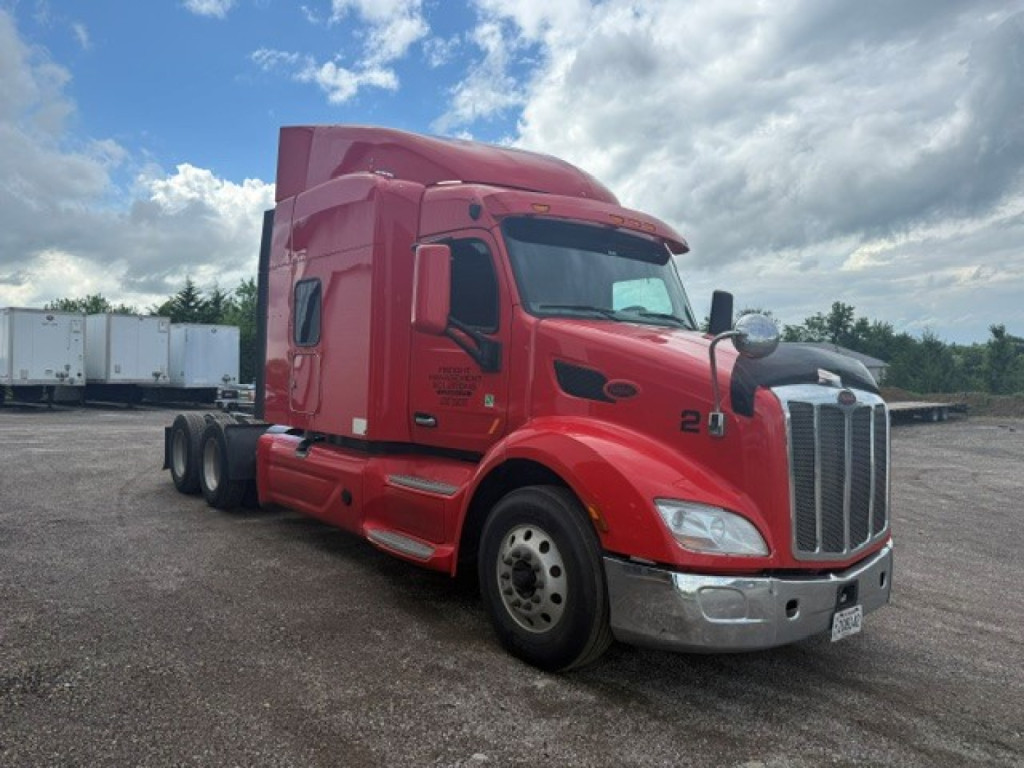
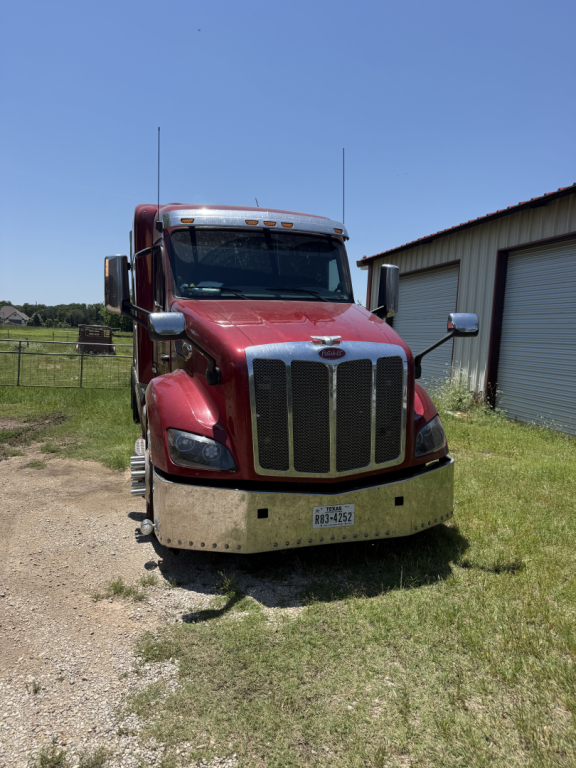
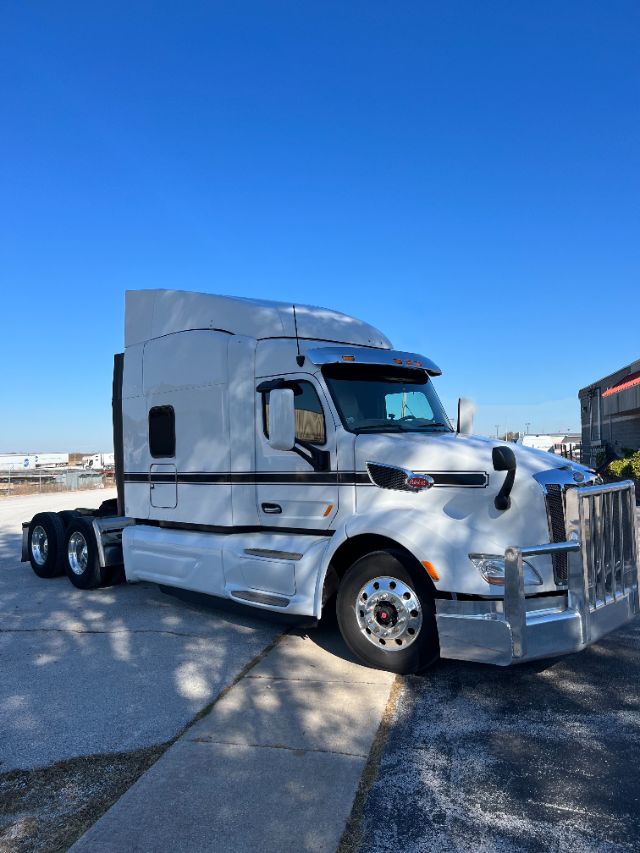
Selling a used 2018 peterbilt conventional sleeper truck? List your used 2018 peterbilt conventional sleeper truck for sale and reach thousands of commercial buyers.
Used 2018 Peterbilt Conventional Sleeper Trucks
Engine and driveline spec matter more than almost anything else on a 2018 sleeper. Many trucks in this category carry a Cummins X15 or ISX15, while some may be equipped with a PACCAR MX-13 depending on original fleet spec. Automated manuals are common in fleet-oriented highway trucks, but some 2018 Peterbilt sleepers were ordered with manual 13-speed or 18-speed transmissions for heavier haul or owner-operator preference. Pay attention to horsepower and torque ratings, as well as rear axle ratios like 2.64, 2.85, or 3.08, because they affect cruise RPM, gradeability, and fuel burn. Buyers should also verify axle ratings, suspension type, and brake spec, including whether the truck has full air disc brakes or a disc-and-drum combination.
Sleeper configuration is a major value factor in this category. A 2018 Peterbilt conventional sleeper may have a mid-roof or high-roof sleeper, often with 70-inch to 80-inch stand-up space depending on spec. Interior features such as an inverter, refrigerator, microwave cabinet, TV mount, bunk heater, and storage layout can make a meaningful difference for team operations or drivers spending extended time on the road. Wheelbase and tank setup also matter. Dual 100-gallon tanks, fairings, and aerodynamic packages are common on highway-focused units, while longer wheelbases can improve ride quality but reduce maneuverability in tighter terminals and city deliveries.
Condition and maintenance history should drive the final decision on any used 2018 Peterbilt sleeper. Buyers should look closely at aftertreatment history, clutch or automated transmission service records, suspension wear, steer tire pattern, and any signs of oil or coolant leaks around the front cover, oil pan, or valve cover areas. It is also smart to review DPF, DOC, and SCR maintenance, especially on trucks that spent time idling heavily or in stop-and-go service. A well-specced Peterbilt sleeper from 2018 can still be a strong platform for owner-operators, expanding fleets, and dedicated lane work if the mileage, maintenance documentation, and drivetrain spec line up with the intended application.
Frequently Asked Questions about Used 2018 Peterbilt Conventional Sleeper Trucks
What engine options are common in a used 2018 Peterbilt conventional sleeper truck?
The most common engines in this category are the Cummins X15, the earlier ISX15 in some references, and the PACCAR MX-13. The right choice depends on your service area, maintenance preference, and existing shop support. Cummins-powered trucks are often favored for broad service network coverage and familiar parts support, while MX-13 trucks can appeal to buyers already operating PACCAR-powered fleets. Engine rating, maintenance records, and aftertreatment history are usually more important than badge alone.
Is a 2018 Peterbilt 579 a good fit for long-haul freight?
Yes. The 2018 Peterbilt 579 is one of the most common long-haul conventional sleeper platforms in the market. It was built with aerodynamic styling, highway driveline options, and sleeper configurations that suit solo or team operations. Buyers should still match the exact truck to the job by checking sleeper size, fuel capacity, wheelbase, rear ratio, and transmission type, because not every 579 was ordered for the same lane, payload, or operating speed.
What should I inspect first on a used 2018 Peterbilt sleeper?
Start with the engine and emissions system, then move to transmission operation, suspension wear, brakes, and sleeper condition. Service records for DPF cleaning, injector work, camshaft or valvetrain repairs, and coolant or oil leak repairs are especially useful. It is also smart to review tire wear, kingpin and steering component condition, battery and inverter setup, and any fault codes tied to aftertreatment or driver-assist systems.
Are manual or automated transmissions better in this category?
Both can be the right choice depending on the application. Automated manual transmissions are common in fleet highway service because they reduce driver fatigue, help standardize operation, and can improve fuel economy. Manual 13-speed and 18-speed transmissions remain attractive for buyers who want more control in mountains, heavy haul, or specialized freight. The better transmission is the one that matches your terrain, driver pool, and maintenance capability.
How important is sleeper size on a 2018 Peterbilt conventional truck?
Sleeper size affects driver comfort, storage, resale appeal, and how suitable the truck is for solo versus team use. Smaller sleepers can save weight and sometimes improve maneuverability, while larger stand-up sleepers offer more cabinet space, room for appliances, and better livability on longer runs. On a used truck, buyers should evaluate not just the sleeper length but also the interior condition, bunk setup, HVAC performance, and working condition of accessories like the fridge, inverter, and power outlets.