
Used 2009 Conventional Sleeper Trucks For Sale
Browse used 2009 conventional sleeper trucks built for long-haul freight, with common specs, sleeper sizes, drivetrain options, and buyer tips.
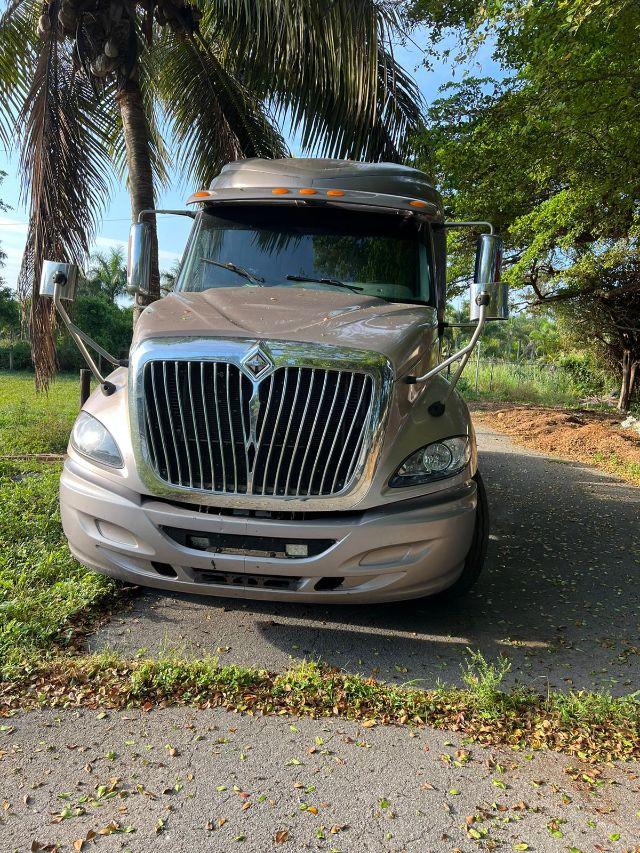
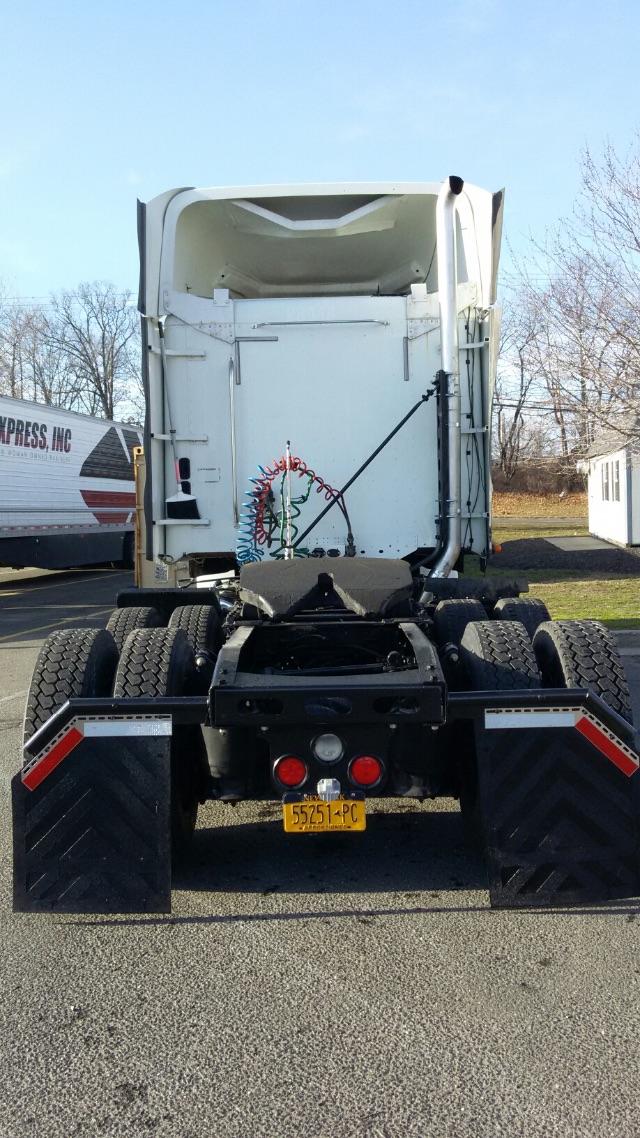
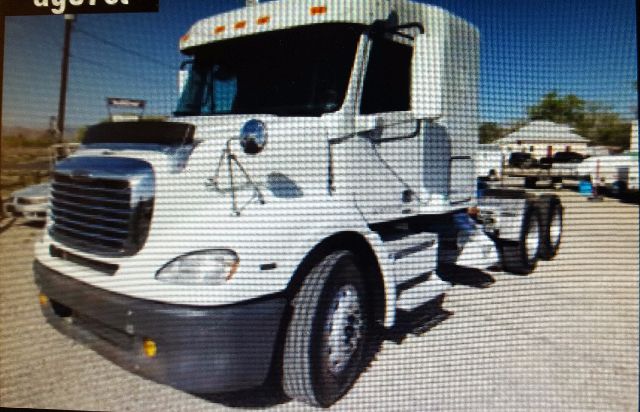
Selling a used 2009 conventional sleeper truck? List your used 2009 conventional sleeper truck for sale and reach thousands of commercial buyers.
Used 2009 Conventional Sleeper Trucks
For most buyers, the drivetrain is the first real decision. In 2009 conventional sleeper trucks, you will commonly see engines in the 400 to 500 horsepower range paired with 10-speed, 13-speed, or automated transmissions, plus tandem rears rated around 40,000 pounds. Wheelbases often fall in the 220-inch to 250-inch range depending on sleeper size and intended trailer application. Rear axle ratios can vary widely, and that choice affects fuel economy, startability, and driver satisfaction. A highway-oriented ratio may suit dry van and reefer work, while a shorter ratio can make more sense for heavier gross weights or mixed terrain. Suspension type, 5th wheel travel, fuel capacity, and front axle rating also deserve close attention if the truck will be assigned to a dedicated lane or specialized freight.
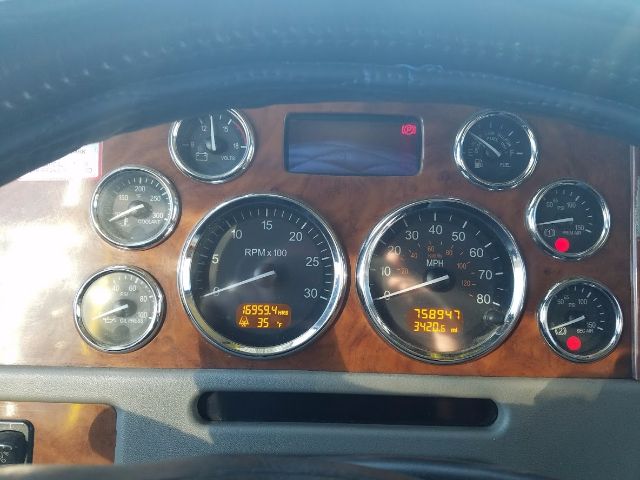
Sleeper configuration directly affects resale, driver retention, and usable payload. A 60-inch to 72-inch sleeper is common in this category, with higher-roof models offering more cabinet space, standing room, and room for double bunk setups. Buyers should inspect HVAC performance, bunk heater operation, inverter wiring, interior wear, and signs of water intrusion around seals and roof caps. On the chassis side, look closely at frame condition, crossmembers, air ride components, brakes, tire wear patterns, and evidence of alignment or suspension issues. Odometer readings on 2009 sleeper tractors can be substantial, so the value is usually tied to overhaul history, clutch or transmission work, DPF service if equipped, and the overall quality of preventive maintenance rather than mileage alone.
A well-matched 2009 conventional sleeper can still be a productive truck for van, reefer, flatbed, and general over-the-road service if the spec lines up with the freight. Buyers comparing listings should focus on engine family, emissions equipment, sleeper size, axle ratio, wheelbase, and maintenance records before putting too much weight on appearance or trim level. The strongest candidates in this category are usually the ones with a clear service history, a drivetrain suited to the route, and a cab that still supports driver comfort for multi-day trips.
Frequently Asked Questions about Used 2009 Conventional Sleeper Trucks
What should I look for first on a used 2009 conventional sleeper truck?
Start with the engine family, emissions configuration, mileage, and maintenance records. On a 2009 truck, it is important to confirm whether it is pre-2010 emissions only or has additional aftertreatment equipment, because that affects maintenance cost and operating preferences. After that, review transmission type, rear axle ratio, sleeper size, wheelbase, and any major repairs such as inframe overhaul, clutch replacement, DPF cleaning, or suspension work. A clean service history usually tells you more than appearance alone.
Are 2009 conventional sleeper trucks good for over-the-road use?
Yes, many 2009 conventional sleeper trucks are still well suited for over-the-road work when they have the right highway spec and have been maintained properly. This model year commonly includes aerodynamic tractors with sleepers large enough for multi-day trips, fuel capacities appropriate for linehaul lanes, and drivetrains in the 400 to 500 horsepower range. The key is making sure the axle ratio, transmission, and sleeper layout match the freight and route rather than simply choosing the lowest-priced truck.
Do 2009 sleeper trucks usually have DEF systems?
Most 2009 conventional sleeper trucks were built before DEF became standard on heavy-duty highway tractors in 2010. Many units from this year rely on EGR and, depending on engine and certification, may also include a diesel particulate filter. Because emissions configurations can vary by engine make and build date, buyers should verify the exact system on the truck and inspect it for proper operation, service history, and signs of unauthorized modification.
What sleeper size is common on a 2009 conventional sleeper tractor?
Common sleeper sizes in this category range from about 48 inches to 72 inches or more, with 60-inch and 70-inch class sleepers being especially common for long-haul service. Mid-roof sleepers can be a good fit for weight-sensitive or regional operations, while high-roof sleepers usually provide better living space, storage, and double bunk options. The right size depends on haul length, team versus solo use, and how much emphasis you place on driver comfort and interior storage.
How many miles is too many on a used 2009 conventional sleeper truck?
There is no single mileage cutoff that makes a 2009 sleeper truck a poor buy. Many highway tractors from this era have high odometer readings, but a truck with documented engine work, consistent oil analysis, transmission service, suspension repairs, and strong maintenance records can be a better purchase than a lower-mile truck with gaps in its history. Buyers should judge remaining value by drivetrain condition, repair documentation, and inspection results rather than mileage by itself.