
Used Conventional Sleeper Trucks For Sale in California
Browse used conventional sleeper trucks in California. Compare raised-roof highway tractors with popular engines, automated transmissions, and sleeper sizes.
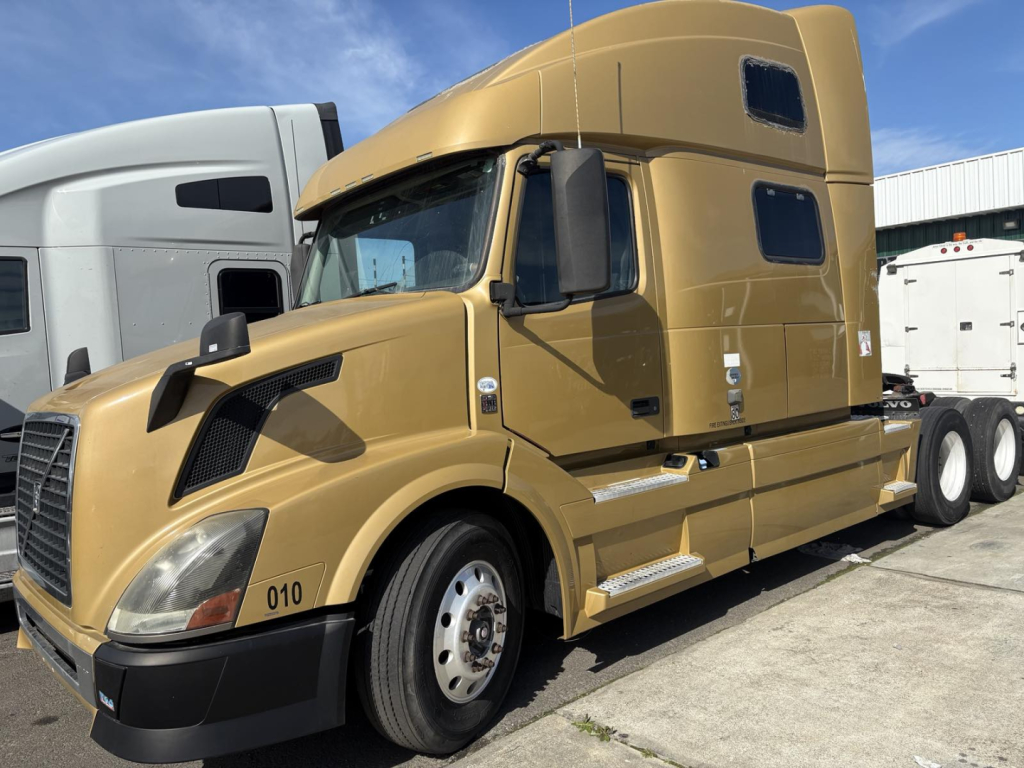
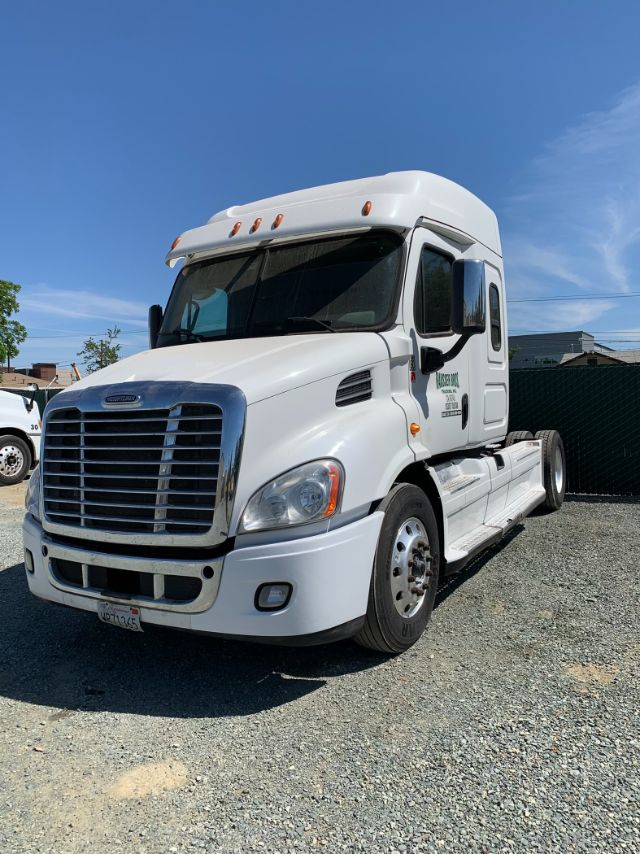
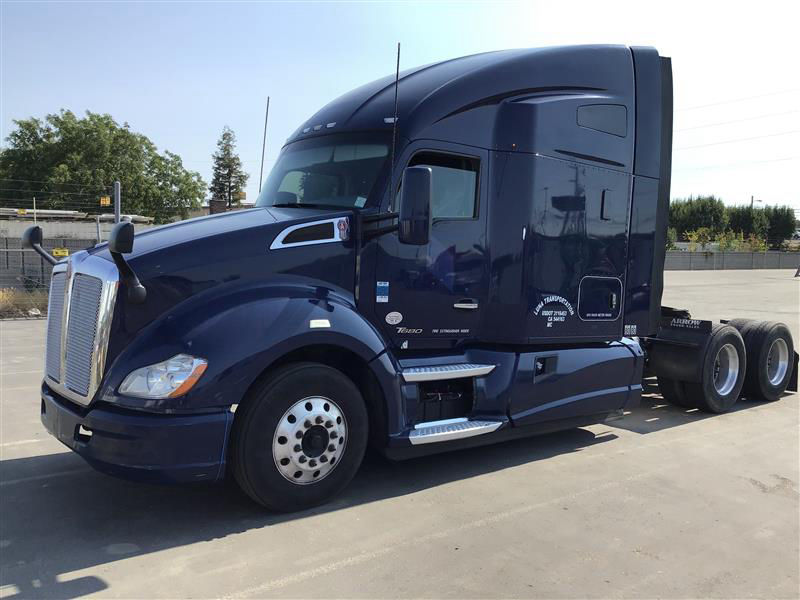
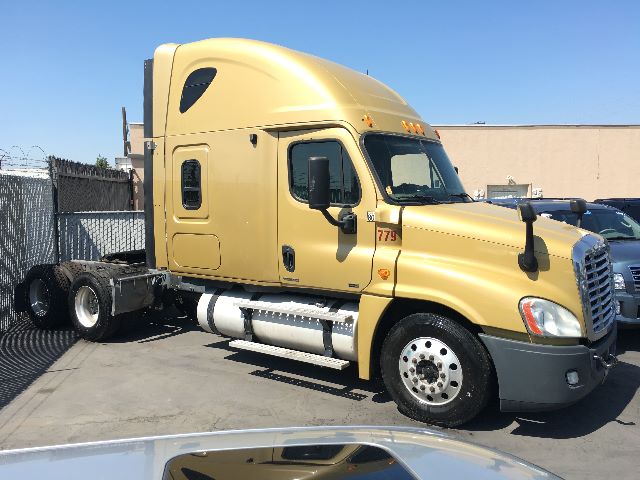
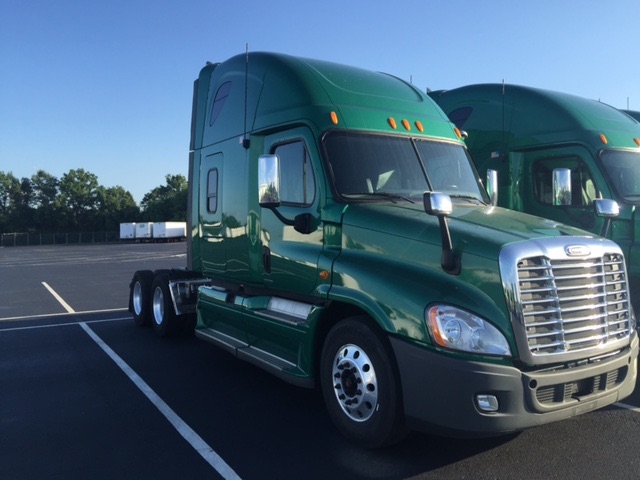
Selling a used conventional sleeper truck? List your used conventional sleeper truck for sale and reach thousands of commercial buyers.
Used Conventional Sleeper Trucks in California
The biggest buying decision is matching the sleeper and wheelbase to the freight. Raised-roof and mid-roof sleepers in the 60- to 80-inch range are common, with double bunks, bunk heaters, storage cabinets, and more driver comfort features than a day cab. A 72-inch raised-roof sleeper is a common sweet spot for over-the-road work because it balances interior space with manageable wheelbase and weight. Wheelbases in the 225- to 240-inch range are typical, usually with an air slide fifth wheel to help dial in axle loading and trailer gap. If the truck will stay on van, reefer, or dedicated dry freight, a 2.47 to 2.64 rear ratio can support fuel economy at highway speed. Buyers pulling heavier weight or running more mixed terrain may prefer a deeper ratio such as 3.08 or 3.25.
Engine and transmission combinations matter more in a used sleeper than the badge on the hood. Popular specs in this class include Cummins X15, Detroit DD15 and other 14- to 15-liter platforms, generally rated around 400 to 505 horsepower with engine brakes. Automated transmissions such as the DT12 and Eaton Endurant family are common because they reduce driver fatigue and can improve consistency across fleets. On a California truck, look closely at aftertreatment history, idle hours, transmission calibration, and service records for DPF, SCR, and EGR systems. Disc brakes, collision mitigation systems, cruise control, power windows, climate control, and aerodynamic packages are now common on newer conventional sleepers and can add both resale value and day-to-day usability.
Condition still comes down to how the truck was spec'd and maintained. Check tire size and wheel type, inspect cab extenders and quarter fenders for damage, and verify the condition of the bunk interior, seats, and storage compartments because those details tell you a lot about how the truck was used. Dual aluminum fuel tanks, fairings, and horizontal exhaust are common on fuel-conscious highway tractors. A well-matched used conventional sleeper should fit the lane, trailer type, and average gross weight without forcing compromises on comfort, emissions compliance, or serviceability.
Frequently Asked Questions about Used Conventional Sleeper Trucks in California
What is a conventional sleeper truck?
A conventional sleeper truck is a highway tractor with the engine mounted ahead of the cab and a built-in sleeper compartment behind the seats. It is designed for long-haul and overnight operation, with room for one or two bunks plus storage, HVAC controls, and driver amenities that are not found in a standard day cab.
What sleeper size is most common for over-the-road freight?
A 72-inch raised-roof sleeper is one of the most common configurations for over-the-road work because it offers enough space for a bunk, storage, and better driver comfort without pushing wheelbase too far. Larger 73- to 80-inch sleepers can be a good fit for team drivers or operations that keep drivers out for longer periods, while smaller sleepers may work for regional lanes with occasional overnight use.
Which drivetrain specs matter most on a used conventional sleeper?
The key specs are engine family, horsepower, transmission type, rear axle ratio, wheelbase, and suspension. For fuel-efficient highway work, many buyers look for a 13- to 15-liter engine around 450 horsepower, an automated manual transmission, 40,000 lb rears, air ride suspension, and a faster axle ratio like 2.47 to 2.64. Heavier freight or more varied terrain may justify a deeper ratio for better launch and gradeability.
What should California buyers check before purchasing a used sleeper tractor?
California buyers should verify emissions compliance and review maintenance records for the DPF, SCR, and EGR systems. It is also smart to check idle hours, engine fault history, aftertreatment repairs, and any documentation showing regular PM service. Trucks that have complete records and no unresolved emissions issues are usually easier to keep productive and easier to resell in a regulated market.
Are automated transmissions a good choice in conventional sleeper trucks?
Automated transmissions are now standard in much of the sleeper tractor market because they reduce driver fatigue, improve shift consistency, and are easier to place with a broader driver pool. They can also help protect the driveline from poor shifting habits. On a used truck, the important part is confirming proper calibration, clutch and actuator condition where applicable, and a service history that shows the transmission was maintained according to the manufacturer schedule.