
Used Volvo Conventional Sleeper Trucks For Sale in California
Shop used Volvo conventional sleeper trucks in California. Compare VNL and VNR specs, sleepers, D13 power, I-Shift and long-haul features.
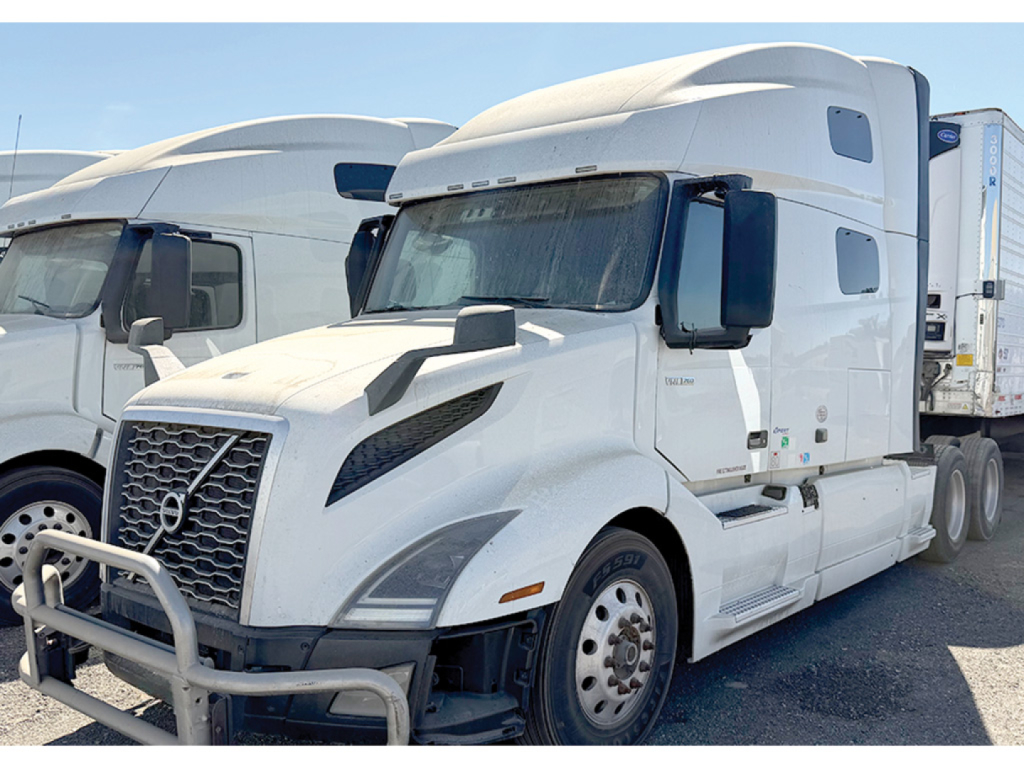
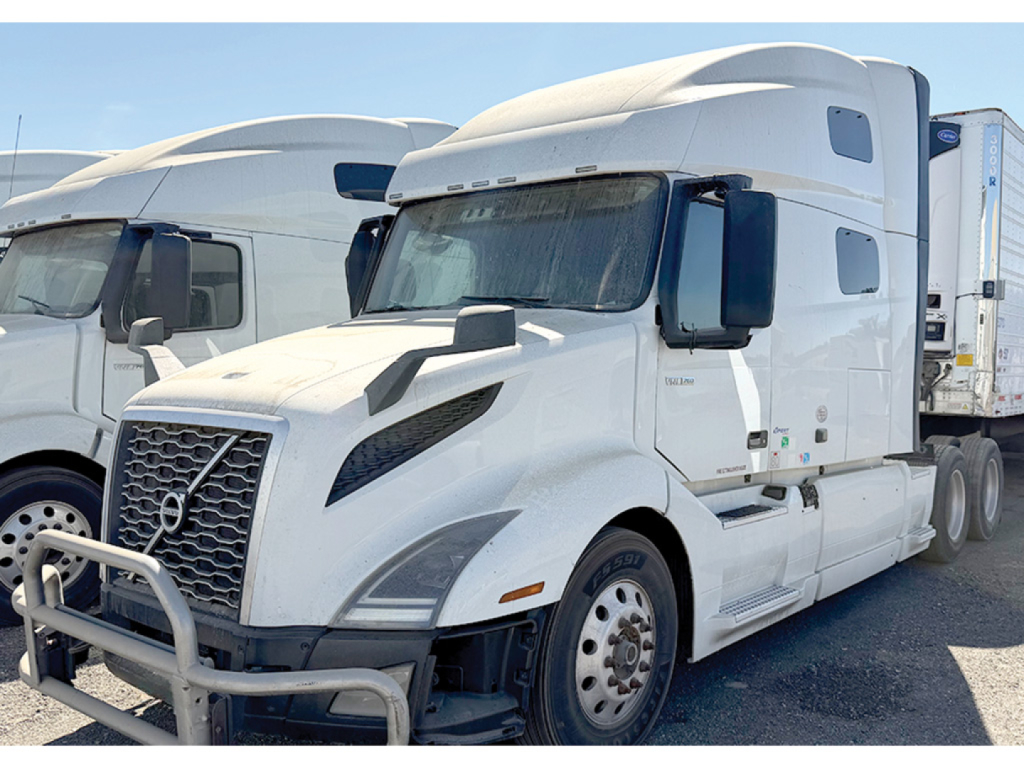
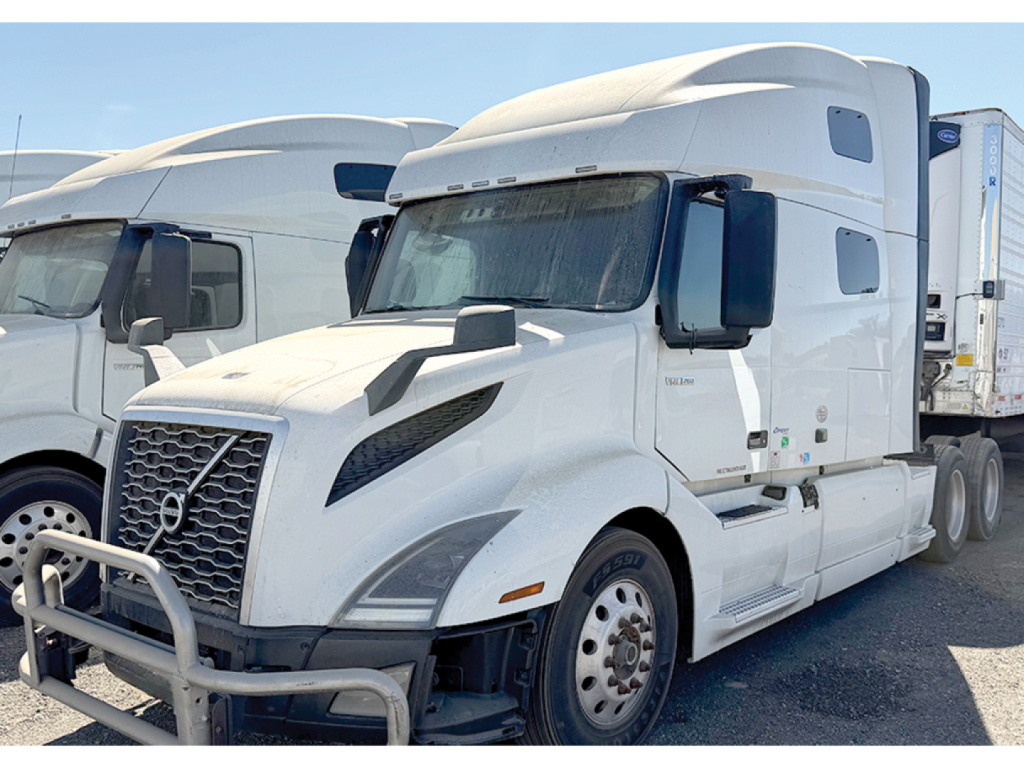
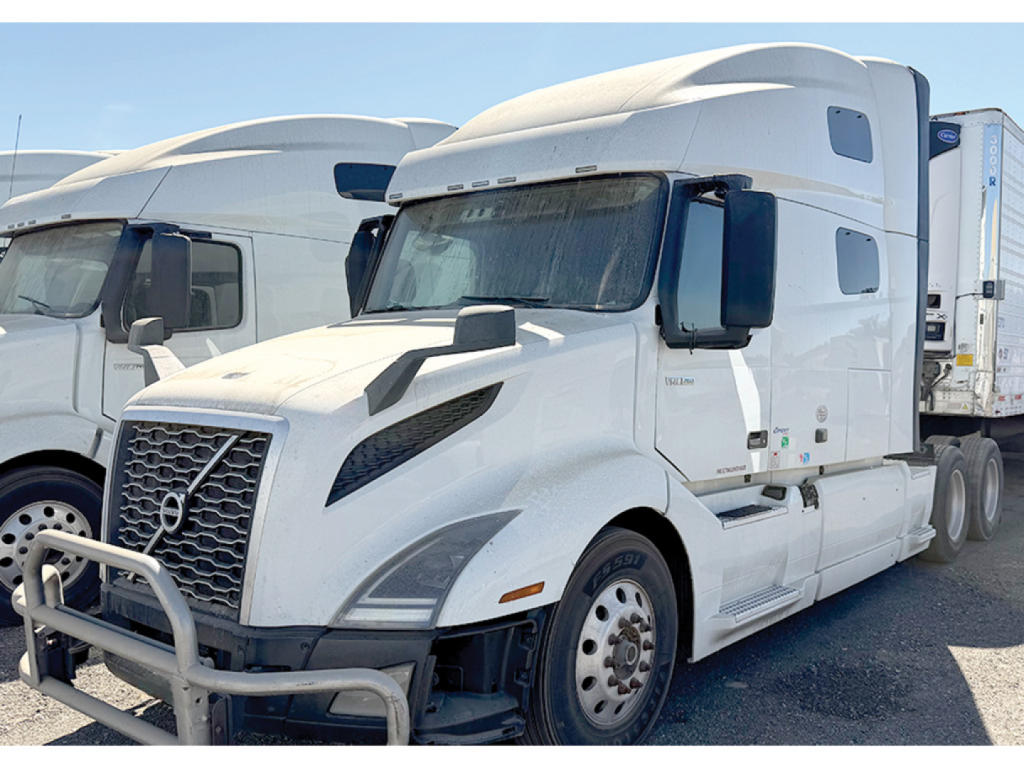

Have used volvo conventional sleeper truck to sell? List it here to reach thousands of buyers.
Used Volvo Conventional Sleeper Trucks in California
Frequently Asked Questions about Used Volvo Conventional Sleeper Trucks in California
What is the difference between a Volvo VNL sleeper and a Volvo VNR sleeper?
The Volvo VNL is typically the long-haul platform, with larger sleeper options, a more aerodynamic highway profile, and wheelbase and fuel capacity setups suited to extended interstate use. The Volvo VNR is generally more regional in its layout, with tighter packaging and better maneuverability for shorter lanes, urban freight, and distribution work that still requires sleeper capability. A buyer choosing between them should look at lane length, trailer type, docking environment, and how much cab living space the operation actually needs.
What engine and transmission are most common in used Volvo conventional sleeper trucks?
The most common setup is the Volvo D13 diesel engine paired with the Volvo I-Shift automated manual transmission. In used sleeper specs, horsepower often falls around 405 to 455 HP, with axle ratios selected for fuel economy or application-specific performance. The D13 and I-Shift package is popular because the engine, transmission, and software are designed to work together, which can help with shift quality, cruise performance, and overall operating efficiency when the truck has been maintained properly.
What sleeper size should I look for in a used Volvo conventional truck?
Sleeper choice depends on route length and driver requirements. A larger sleeper such as those commonly found on VNL 760 or VNL 860 models gives more room for teams, over-the-road runs, and drivers spending multiple nights in the truck. Smaller sleeper configurations can make more sense for regional applications where the truck still needs a bunk but does not need maximum interior volume. Buyers should pay attention to upper bunk presence, workstation layout, bunk heater spec, and storage configuration because those details affect actual livability more than the model badge alone.
What specs matter most when comparing used Volvo sleeper trucks in California?
California buyers often pay close attention to emissions compliance, drivetrain gearing, and fuel economy-oriented specs. Key items include engine family and aftertreatment condition, DPF and SCR service history, rear axle rating, axle ratio, wheelbase, fuel tank capacity, and brake type. Disc brakes, collision mitigation, air slide fifth wheel, and aerodynamic equipment such as side fairings and cab extenders can also influence value and operating cost. If the truck will run mountain grades, gross heavy loads, or mixed regional freight, the right horsepower and axle ratio matter more than simply choosing the newest model year.
Are Volvo conventional sleeper trucks good for fleet use and driver retention?
They are often chosen by fleets because they offer a driver-friendly cab, predictable automated shifting, and strong support for fuel-efficiency specs. Driver acceptance tends to be strong on Volvo sleepers because of the ride quality, ergonomic dash layout, visibility, and available amenities like upper bunks, bunk heaters, and workstation interiors. For fleet buyers, the bigger consideration is confirming maintenance records, software and calibration history, and the condition of major wear items so the truck delivers both uptime and a cab environment drivers are willing to stay in.