
Used 2020 Conventional Sleeper Trucks For Sale in California
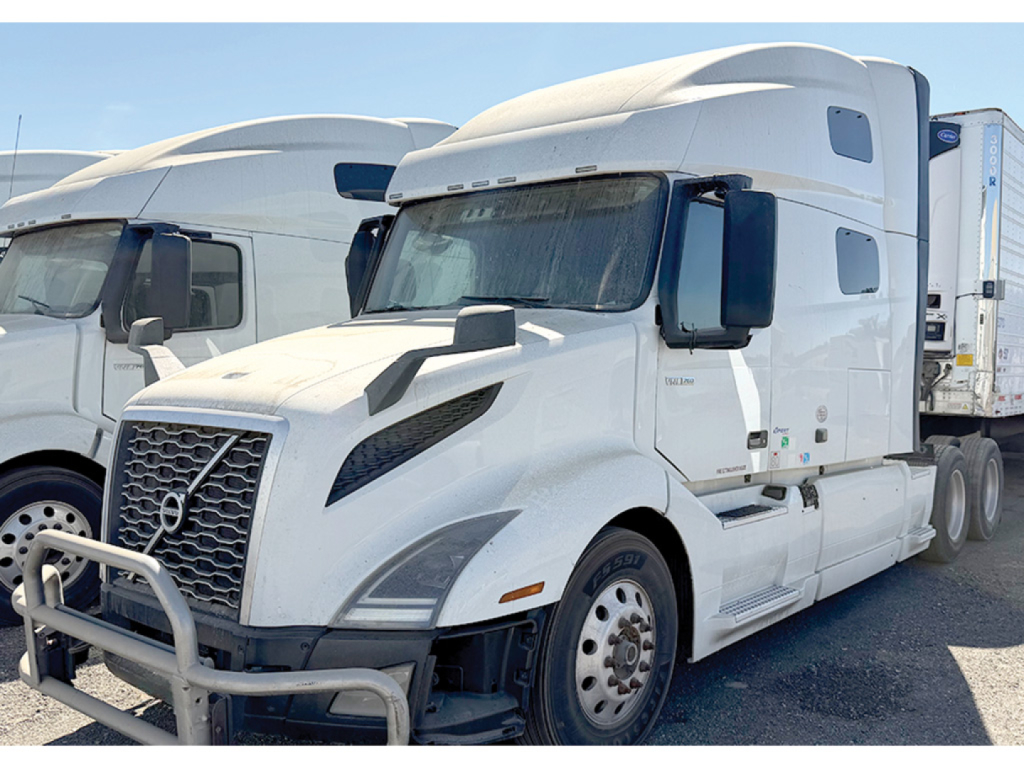
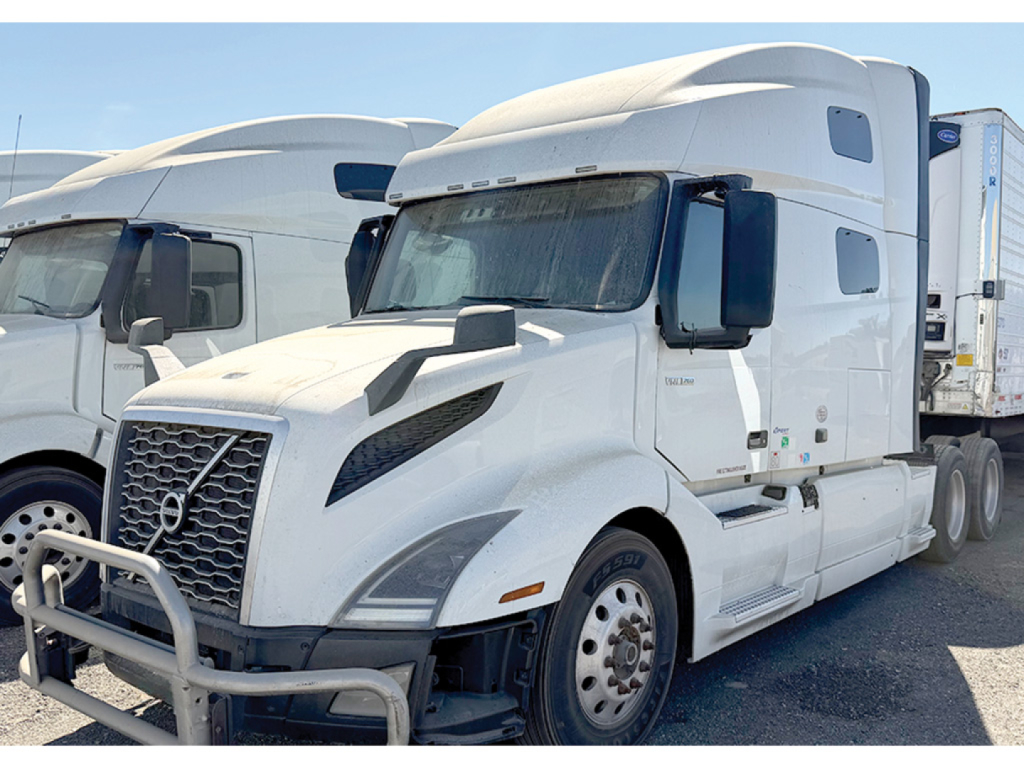
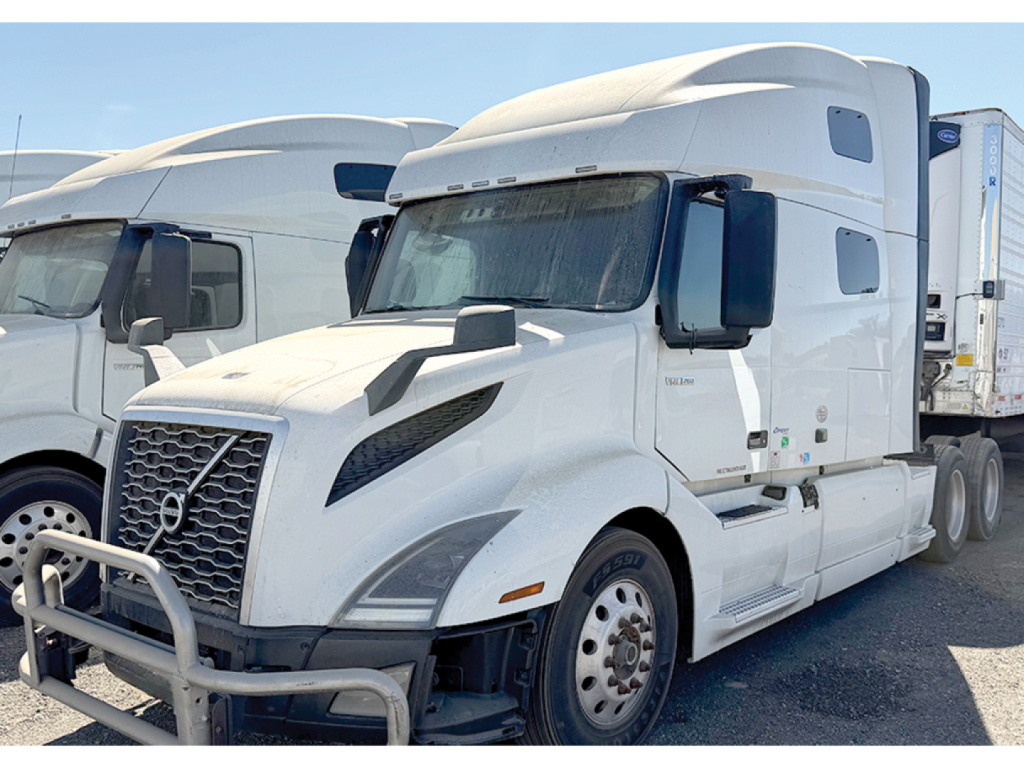
Browse used 2020 conventional sleeper trucks in California, including highway spec sleepers with aero packages, automated transmissions, and bunk amenities.
Have used 2020 conventional sleeper truck to sell? List it here to reach thousands of buyers.
Used 2020 Conventional Sleeper Trucks in California
Most 2020 conventional sleepers on the market are spec'd with raised-roof sleepers, dual fuel tanks, air ride suspension, and automated manual transmissions such as Detroit DT12, Volvo I-Shift, or similar 12-speed setups. Typical engines in this year range include the Detroit DD15 and Volvo D13, usually in the 400 to 505 horsepower band with engine brakes for mountain grades and heavy interstate work. Rear axle ratings commonly land around 40,000 pounds, with fuel economy oriented axle ratios like 2.47, 2.64, or 3.08 depending on the intended duty cycle. Wheelbases often run in the 226 to 235 inch range, which is a useful reference point when comparing trailer swing clearance, ride quality, and weight distribution.
The sleeper itself deserves close attention because a 2020 truck can vary widely in driver setup. Common features include upper bunks, refrigerators, bunk heaters, workstations, climate control systems, power windows, and tilt-telescoping steering columns. Buyers comparing used conventional sleeper trucks should also look at fifth wheel type and travel, disc versus drum brakes, tire size, wheel material, fairings, cab extenders, and collision mitigation equipment. Those details affect maintenance cost, resale appeal, and how well the tractor matches your trailers and lanes. In California operation, an aero sleeper with side fairings, cab extenders, and a well-matched powertrain can make a meaningful difference in fuel burn across high-mile routes.
Condition matters more than badge loyalty in this segment. Service records, engine software history, aftertreatment performance, transmission calibration, bunk HVAC operation, and signs of hard idle time all tell you more than exterior appearance alone. A good used 2020 conventional sleeper truck should be evaluated for DPF and SCR history, brake wear, suspension condition, kingpin setting compatibility, and any evidence of collision damage around the hood, fairings, or sleeper structure. For buyers who need a balanced spec, this model year often sits in a sweet spot where you can still find current safety features and efficient drivetrains in a proven long-haul platform.
Frequently Asked Questions about Used 2020 Conventional Sleeper Trucks in California
What is a conventional sleeper truck used for?
A conventional sleeper truck is used for long-haul and regional freight where the driver needs an integrated sleeping compartment behind the cab. It is the standard highway tractor configuration for pulling van, reefer, flatbed, and many specialized trailers over multi-day routes. Compared with a day cab, the sleeper adds rest space, storage, and often amenities like a refrigerator, bunk heater, or workstation.
What engine and transmission specs are common in used 2020 conventional sleeper trucks?
Used 2020 conventional sleeper trucks commonly carry 13 to 15 liter diesel engines in roughly the 400 to 505 horsepower range. Popular combinations include engines such as the Volvo D13 or Detroit DD15 paired with automated manual transmissions like the Volvo I-Shift or Detroit DT12. Many are spec'd with fuel economy focused rear axle ratios, engine brakes, and 40,000 pound rear axles for highway freight applications.
What should I inspect first on a used 2020 sleeper tractor in California?
Start with emissions system history, including DPF cleaning intervals, SCR performance, fault code history, and any documented aftertreatment repairs. In California, compliance and downtime risk are major buying factors, so service records matter. After that, inspect the engine, transmission, brakes, tires, suspension, bunk HVAC, and fifth wheel operation, then confirm the truck's axle ratio, wheelbase, and sleeper layout fit your lanes and trailer setup.
Are 2020 conventional sleeper trucks good for fuel economy?
Yes, many 2020 conventional sleeper trucks were spec'd during a period when fleets were heavily focused on fuel efficiency. Aerodynamic fairings, cab extenders, automated transmissions, downsped drivetrains, and low numerical axle ratios are common in this year range. Actual fuel economy depends on gross weight, terrain, idle time, speed, and maintenance, but a properly spec'd 2020 highway sleeper can be a strong fuel mileage platform.
How do I choose the right sleeper size and configuration?
Choose the sleeper based on route length, driver assignment, and expected time away from home. A raised-roof sleeper with an upper bunk, refrigerator, and bunk climate features is typically better for extended over-the-road work and team operations. If the truck will stay on shorter regional runs, you may prioritize chassis length, weight, and simplicity over extra sleeper amenities.