
Used 2016 Conventional Sleeper Trucks For Sale in California
Shop used 2016 conventional sleeper trucks in California. Compare aerodynamics, sleeper size, drivetrain specs, and emissions-ready road models.
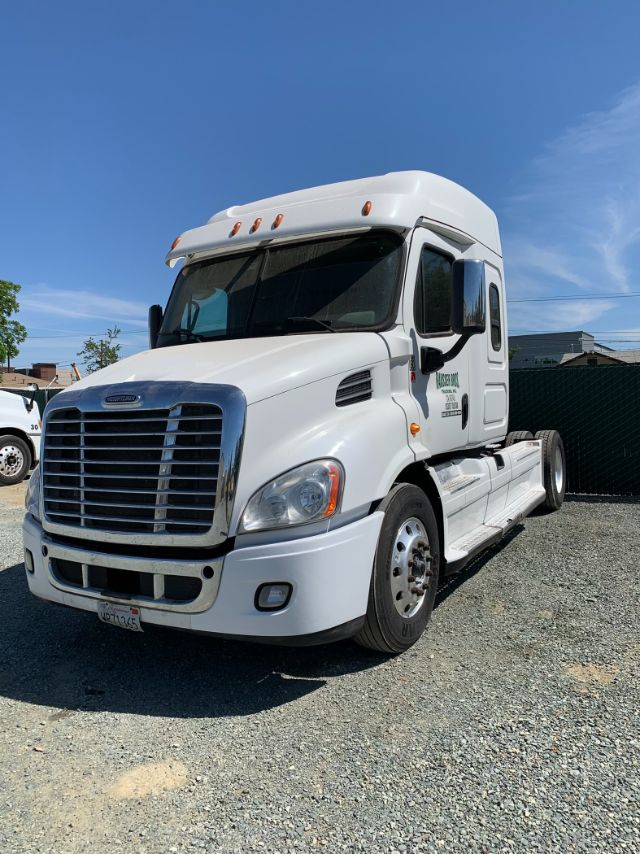
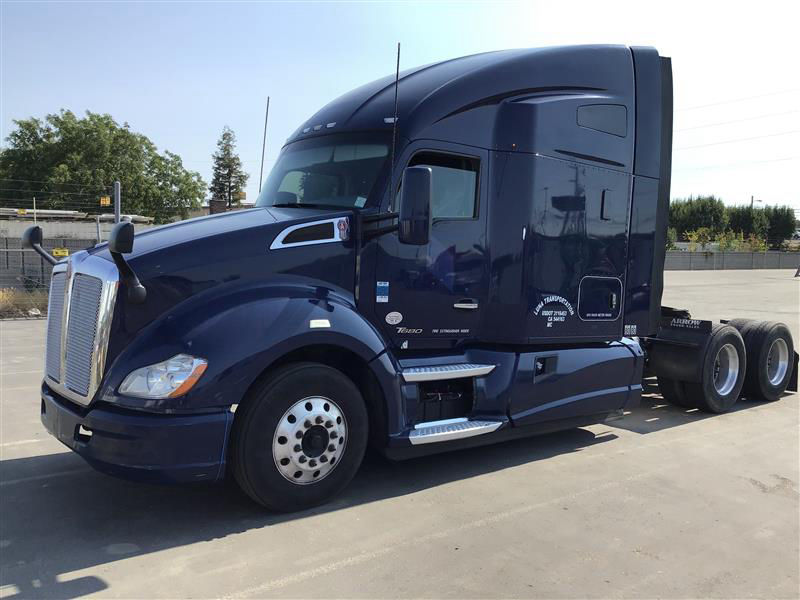

Looking for the easiest place to sell your used 2016 conventional sleeper truck? List it here to reach thousands of buyers.
Used 2016 Conventional Sleeper Trucks in California
The 2016 model year commonly includes highway tractors from lines such as the Freightliner Cascadia, Volvo VNL, Kenworth T680, Peterbilt 579, and International ProStar or LT, typically set up as tandem-axle sleepers with aerodynamic fairings and raised-roof cabs. Expect engine ratings in the 400 to 500 horsepower range, with torque commonly from 1,450 to 1,850 lb-ft. Popular engines include the Detroit DD13 and DD15, Cummins ISX15, Paccar MX-13, and Volvo D13. Many 2016 sleepers are paired with automated manual transmissions such as the Detroit DT12, Volvo I-Shift, Eaton UltraShift, or mDrive-style spec depending on make, though 10-speed and 13-speed manuals are still found. Rear axle ratings are often 40,000 pounds, with highway ratios like 2.64, 2.85, or 3.08 chosen to balance cruise rpm, fuel economy, and startability.
Sleeper layout matters as much as drivetrain spec. A 60-inch to 72-inch raised-roof sleeper is common in this category, and details like upper bunks, bunk heaters, refrigerators, inverters, cabinetry, and workstation space can make a major difference in team use or extended over-the-road operation. Wheelbase, fuel capacity, and fifth wheel setup also deserve close attention. Many buyers in this class want dual aluminum tanks, an air slide fifth wheel, full fairings, and air ride suspension for regional or coast-to-coast van and reefer work. Disc brakes, collision mitigation, and other driver-assist features begin to appear more often in this era, but they are far from universal on 2016 trucks, so the exact safety spec should be verified unit by unit.
The best used 2016 conventional sleeper truck is usually the one with the right maintenance history and operating profile, not just the lowest miles. Look closely at idle hours, ECM reports, clutch life on AMTs, aftertreatment replacement history, tire wear patterns, suspension condition, kingpin and bushing wear, and signs of fairing or cab damage from hard highway use. For California service, buyers often place extra value on documented dealer maintenance, strong cooling system history, and a drivetrain spec suited to western grades without sacrificing fuel economy. A well-matched 2016 sleeper can still be a productive road tractor for dry van, reefer, dedicated freight, and general long-haul applications.
Frequently Asked Questions about Used 2016 Conventional Sleeper Trucks in California
What should I verify first on a used 2016 conventional sleeper truck in California?
Start with California emissions and registration viability. Confirm the engine family, aftertreatment configuration, CARB-related compliance status, and service records for the DPF, DEF system, SCR components, sensors, and any major emissions repairs. A truck that appears attractive on price can become difficult or expensive to operate in California if compliance history is incomplete or the aftertreatment system has unresolved faults.
What engine and transmission specs are common on 2016 conventional sleeper trucks?
Most 2016 conventional sleepers were built for highway freight and commonly carry 12-liter to 15-liter diesel engines rated around 400 to 500 horsepower. Typical pairings include Detroit DD13 or DD15, Volvo D13, Cummins ISX15, and Paccar MX-13 with automated manual transmissions such as DT12, I-Shift, or Eaton UltraShift. Rear axle ratios often fall between 2.64 and 3.08, depending on whether the truck was ordered for fuel economy, heavier terrain, or a balance of both.
Is a 2016 conventional sleeper truck a good choice for long-haul freight?
Yes, if the sleeper size, drivetrain, and maintenance history match the intended route and load profile. The 2016 model year is modern enough to offer aerodynamic cabs, efficient powertrains, and common comfort features like raised-roof sleepers, upper bunks, refrigerators, and bunk HVAC options. It is old enough, however, that condition matters more than original spec, especially in the emissions system, suspension, and cab interior.
What sleeper features matter most on a 2016 highway tractor?
The most important sleeper features depend on how the truck will be used, but buyers usually focus on bunk size, storage, HVAC performance, inverter setup, refrigerator provision, and whether the truck has an upper bunk or workstation. For team operations or extended weeks on the road, a 72-inch raised-roof sleeper often offers a better living and storage setup than a smaller mid-roof configuration. Interior condition also says a lot about how the truck was treated over time.
What wear points should I inspect on a used 2016 conventional sleeper?
Pay close attention to the aftertreatment system, ECM fault history, idle hours, transmission calibration and clutch wear on AMTs, wheel seals, suspension bushings, steering play, brake condition, and tire wear across all positions. Inspect the fairings, hood, cab mounts, and sleeper structure for evidence of prior damage or high-mile vibration. Service records for coolant system work, injector or fuel system repairs, and major emissions replacements can be just as important as the odometer reading.