
Used 2013 Conventional Sleeper Trucks For Sale
Shop used 2013 conventional sleeper trucks with common specs, sleeper sizes, engine options, axle ratios, and long-haul buying tips.
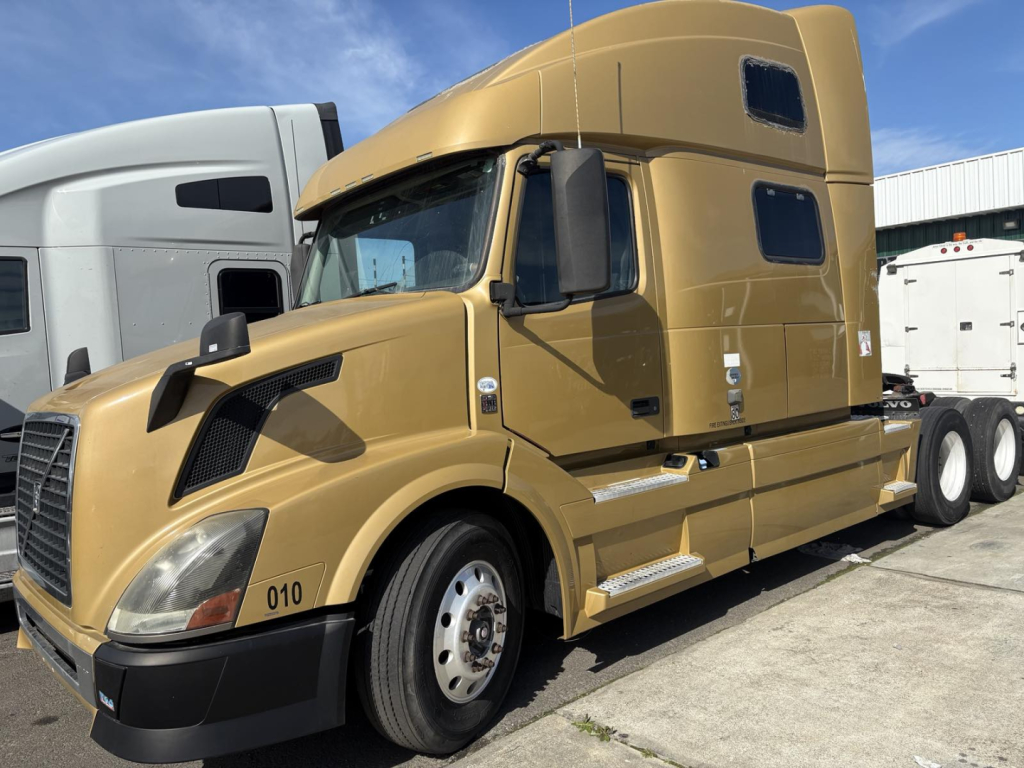
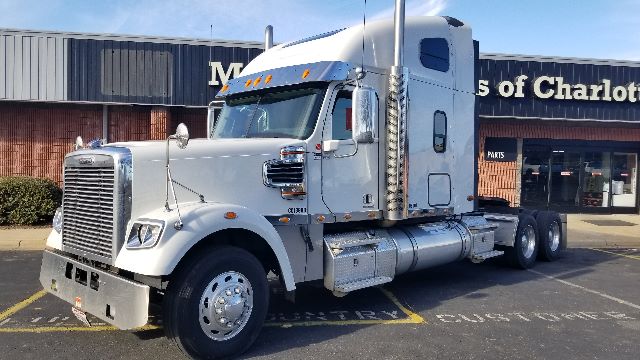
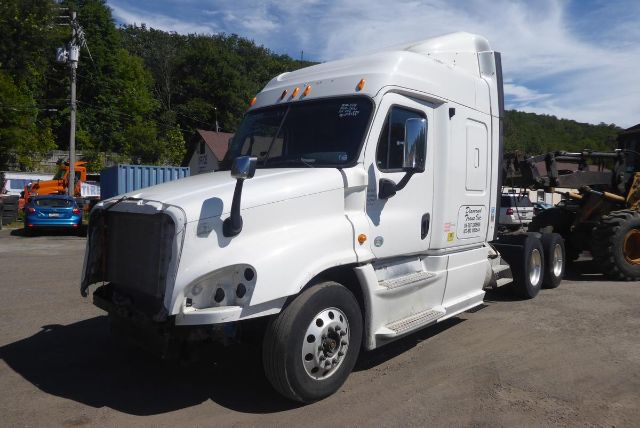
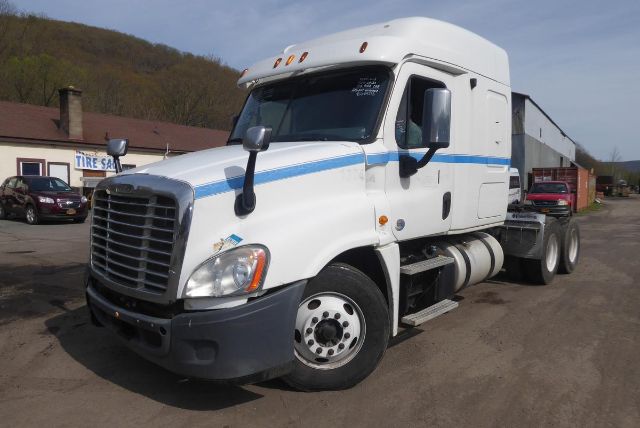
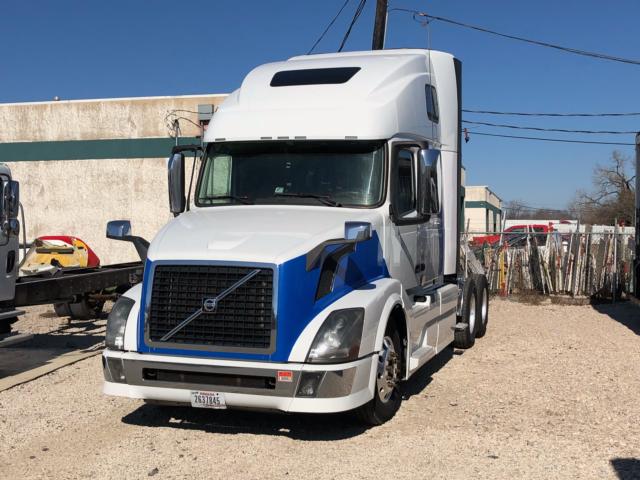

Selling a used 2013 conventional sleeper truck? List your used 2013 conventional sleeper truck for sale and reach thousands of commercial buyers.
Used 2013 Conventional Sleeper Trucks
The big buying decision on a 2013 sleeper is usually the powertrain spec. Many trucks from this year were ordered with Detroit DD13 or DD15, Cummins ISX or X15 predecessors, Paccar MX engines, or Volvo D13 platforms, paired with either a 10-speed or 13-speed manual, or an automated manual transmission. Horsepower in this class commonly falls between 400 and 500 HP, with higher-horsepower units available for heavier freight or specialized applications. Rear axle ratios such as 2.64, 2.85, 3.08, and 3.42 tell you a lot about intended use. Lower numerical ratios generally favor fuel economy at highway speed, while deeper ratios can be better for heavier loads, more aggressive startability, or routes with more grade. A 2013 sleeper should also be checked for wheelbase, fifth wheel type, suspension spec, and front axle capacity so it matches the trailer lengths and freight profiles you plan to run.
Cab and chassis equipment matters more in this category than many first-time buyers expect. A used 2013 conventional sleeper may include dual fuel tanks, an air-slide fifth wheel, full fairings, cab extenders, engine brake, disc or drum brakes, and air ride suspension. Interior features often include upper bunks, refrigerator prep or installed refrigerators, auxiliary power units, bunk heaters, power windows, cruise control, and tilt-telescoping steering. For fleet buyers and owner-operators alike, those details affect driver retention, idle time, and operating cost. Safety and emissions history also deserve close attention on this year model. Buyers should review DPF, EGR, and DEF service records where applicable, look for evidence of consistent preventive maintenance, and verify that aftertreatment components, transmission calibration, and engine software updates have been handled correctly.
When comparing used 2013 conventional sleeper trucks for sale, focus less on cosmetics and more on the original vocation of the truck. A highway fleet tractor with an aerodynamic spec, moderate horsepower, and tall gearing will feel very different from a heavy-spec sleeper with a longer hood, higher horsepower, and manual transmission. Mileage matters, but service history, idle hours, clutch life, tire wear pattern, and suspension condition often tell the better story. For buyers hauling van, reefer, flatbed, or specialized freight, a well-matched 2013 conventional sleeper can still deliver solid value if the drivetrain, sleeper layout, and axle spec line up with the job.
Frequently Asked Questions about Used 2013 Conventional Sleeper Trucks
What should I look for first when buying a used 2013 conventional sleeper truck?
Start with the engine, transmission, rear axle ratio, wheelbase, and maintenance records. Those items determine how the truck will perform with your trailers, your freight weight, and your route profile. On a 2013 model, emissions system service history is especially important, including DPF cleaning intervals, EGR work, DEF system repairs where equipped, and any fault code history. A clean-looking truck with poor maintenance records is usually a riskier buy than a higher-mileage truck with documented service.
What engine and transmission combinations are common in 2013 conventional sleeper trucks?
Common engine options in this category include the Detroit DD13 and DD15, Cummins ISX, Volvo D13, and Paccar MX series, depending on make and model. Many 2013 sleepers were spec'd with 10-speed and 13-speed manual transmissions, while others used automated manuals that became more common in linehaul applications. The right combination depends on freight type and operating terrain. A 400 to 455 HP engine with an economy rear ratio often suits dry van and reefer work, while heavier or more specialized hauling may call for more horsepower and a different gearing package.
Are 2013 conventional sleeper trucks good for long-haul operation?
Yes, many 2013 conventional sleeper trucks were built specifically for over-the-road service and still fit long-haul applications when properly maintained. Raised-roof sleepers, dual fuel tanks, fairings, air ride suspension, and overdrive transmissions were common features on highway-spec units from this era. The main consideration is condition. A truck with strong maintenance history, healthy aftertreatment components, and a sleeper layout that supports the driver's needs can remain productive in long-haul service.
How do axle ratios affect a used sleeper truck’s performance?
Rear axle ratio has a direct effect on cruising RPM, fuel economy, startability, and grade performance. Ratios like 2.64 or 2.85 are often chosen for fuel-efficient highway operation with lighter to moderate linehaul freight. Ratios such as 3.08 or 3.42 can provide better launch and pulling power, especially with heavier loads, more stop-and-go work, or hillier routes. The best ratio depends on engine torque, transmission gearing, tire size, and the gross combination weight you plan to run.
What sleeper features matter most on a 2013 highway tractor?
The most important sleeper features are the ones that reduce driver fatigue and unnecessary idle time. Common high-value items include a raised-roof sleeper, upper bunk, bunk heater, auxiliary power unit, refrigerator, and enough cabinet space for multi-day trips. Exterior features such as aerodynamic fairings, cab extenders, and fuel tank capacity also matter because they affect range and operating efficiency. Buyers should also inspect sleeper HVAC operation, bunk seals, mattress support, and any signs of water intrusion or excessive interior wear.