
Used 2013 Freightliner Conventional Sleeper Trucks For Sale
Shop used 2013 Freightliner conventional sleeper trucks, including Cascadia models with DD15 power, sleeper options, and fleet-ready specs.
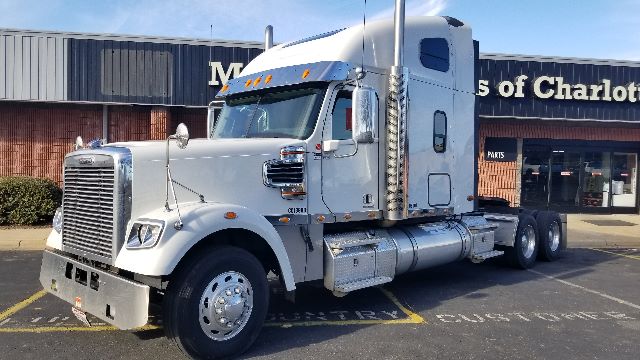
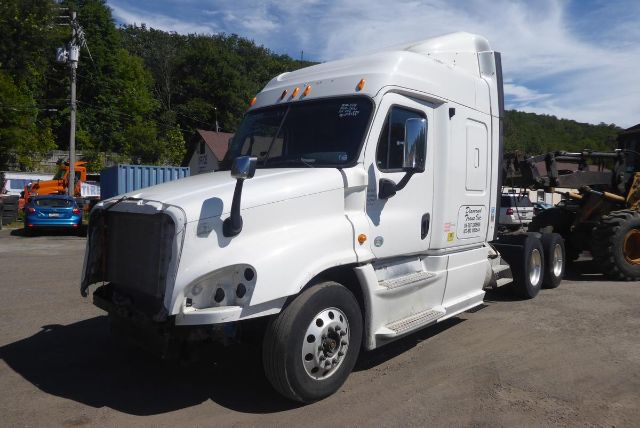
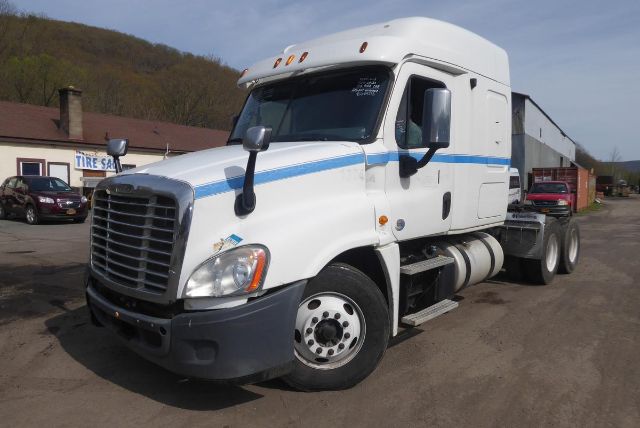
Selling a used 2013 freightliner conventional sleeper truck? List your used 2013 freightliner conventional sleeper truck for sale and reach thousands of commercial buyers.
Used 2013 Freightliner Conventional Sleeper Trucks
Powertrain is the first place to focus. Many 2013 Freightliner sleeper trucks are spec'd with Detroit DD13 or DD15 engines, often paired with Eaton manual transmissions or automated manuals depending on prior fleet or owner-operator use. Rear axle ratings commonly land at 40,000 pounds, with highway gearing selected for fuel mileage rather than vocational pulling power. Wheelbases, sleeper sizes, and roof configurations can vary, so it is worth comparing raised-roof versus mid-roof layouts, bunk arrangement, fuel capacity, and fifth wheel setup if the truck will stay on van, reefer, or dedicated drop-and-hook work. Buyers should also check for an APU, inverter, bunk heater, refrigerator space, and cabinet layout because those features make a noticeable difference in driver comfort and idle reduction.
On a used 2013 Freightliner conventional sleeper, condition matters more than badge familiarity. Mileage on these trucks can range widely, so maintenance records, engine history, aftertreatment status, clutch life, transmission service, and suspension wear deserve close attention. Look at tire wear patterns, brake measurements, kingpin and bushing play, air system leaks, and signs of frame or fairing damage from prior use. If the truck has emissions-related modifications or a deleted engine, buyers should understand compliance requirements in the states and lanes where the truck will operate. Interior wear also tells a story. Seat condition, sleeper trim, dash electronics, and HVAC performance can help show how the truck was treated over time.
A 2013 Freightliner sleeper is best suited for buyers who want a mainstream over-the-road tractor with predictable operating characteristics and flexible resale appeal. It is also known as a highway sleeper tractor or sleeper semi truck. The aerodynamic hood, integrated fairings, and conventional cab layout make it a strong fit for dry van, refrigerated freight, and general freight applications. The smartest comparison points are engine model, transmission type, sleeper configuration, wheelbase, axle ratio, and documented maintenance, because those factors will have more impact on operating cost than cosmetic differences between listings.
Frequently Asked Questions about Used 2013 Freightliner Conventional Sleeper Trucks
What engine and transmission combinations are common in a used 2013 Freightliner conventional sleeper?
Many used 2013 Freightliner conventional sleeper trucks, especially Cascadia models, are equipped with Detroit DD13 or DD15 engines. Common transmission choices include Eaton 10-speed manuals, 13-speed manuals in some owner-operator specs, and automated manual setups depending on the original build. The right combination depends on your freight lanes, driver preference, and maintenance plan. A manual may appeal to buyers who want simplicity and lower replacement cost, while an automated transmission can improve driver acceptance and reduce fatigue on long highway runs.
Is a 2013 Freightliner sleeper truck good for over-the-road use?
Yes, a 2013 Freightliner conventional sleeper is well suited for over-the-road freight, regional haul with layovers, and dedicated contract work. These trucks were commonly spec'd for highway fuel economy, driver comfort, and easy service access. Sleeper size, bunk arrangement, fuel tank capacity, and idle reduction equipment such as an APU are important details to compare, because they affect driver comfort and operating cost on multi-day trips.
What should I inspect first on a used 2013 Freightliner Cascadia sleeper?
Start with the engine, aftertreatment system, transmission, and maintenance records. Then inspect the suspension, brakes, tires, steering components, air system, and frame. On a sleeper truck of this age, cab wiring, HVAC performance, bunk components, and fairing condition also deserve attention. Uneven tire wear, excessive clutch wear, air leaks, or missing service history can point to higher near-term repair costs. A thorough pre-purchase inspection is especially important when mileage is high or the truck has had multiple owners.
Are deleted 2013 Freightliner sleeper trucks a concern?
They can be. Some used trucks in this age group may have emissions systems that were modified or removed. That can create registration, inspection, and operating issues depending on the state, fleet compliance standards, and intended lanes. A buyer should confirm the truck's emissions status, understand local and federal requirements, and factor potential costs for returning the truck to compliant condition if needed. Compliance risk should be weighed just as seriously as engine hours, mileage, or cosmetic condition.
What specs matter most when comparing used 2013 Freightliner conventional sleepers?
The most important specs are engine model, horsepower, transmission type, rear axle ratio, wheelbase, sleeper size, and axle ratings. Those specs determine how the truck will perform with your trailer type, average payload, and route profile. Buyers running general freight often prioritize fuel economy and comfort, while buyers hauling heavier or specialized loads may focus more on gearing, wheelbase, and drivetrain configuration. Maintenance history is just as important as the printed spec sheet, because a well-documented truck usually presents less operating risk than one with uncertain service records.