
Used Conventional Sleeper Trucks For Sale in Michigan
Browse used conventional sleeper trucks in Michigan. Compare aerodynamics, sleeper size, engine specs, drivetrain options, and road-ready features.
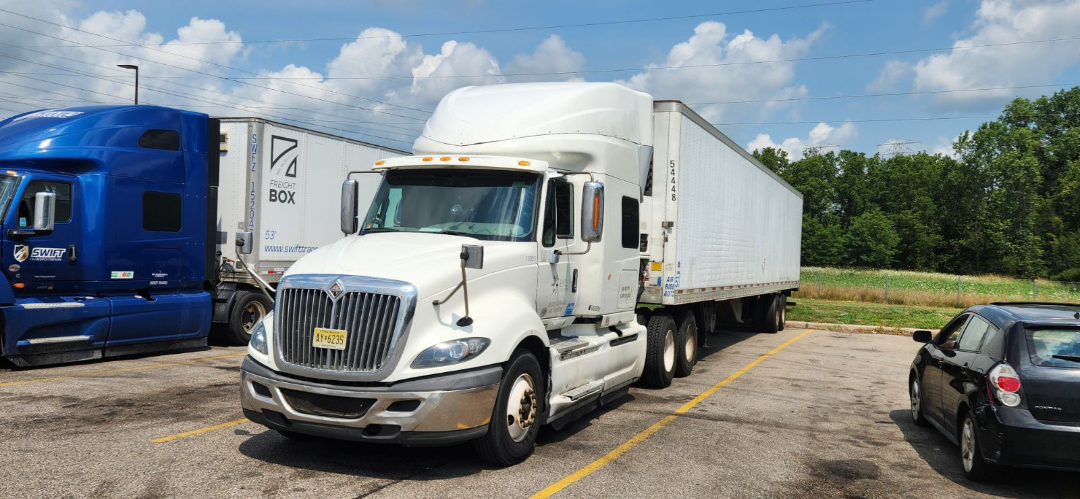
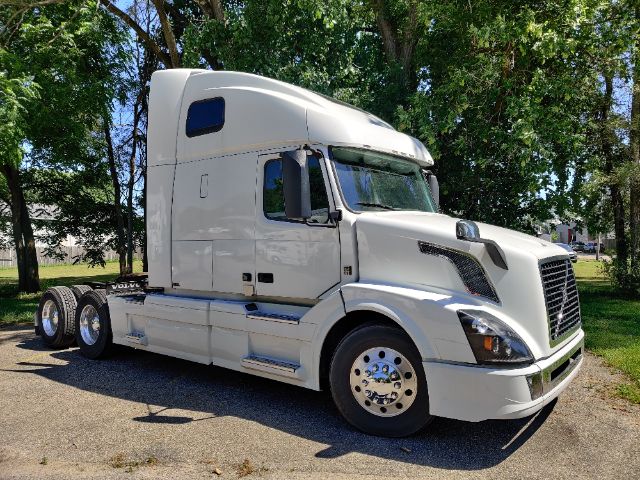
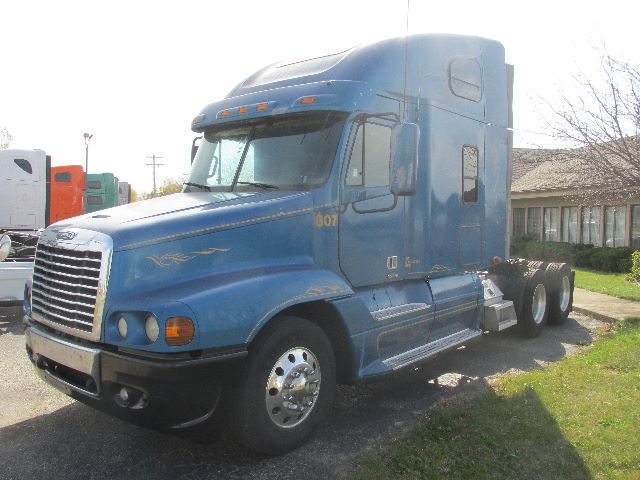
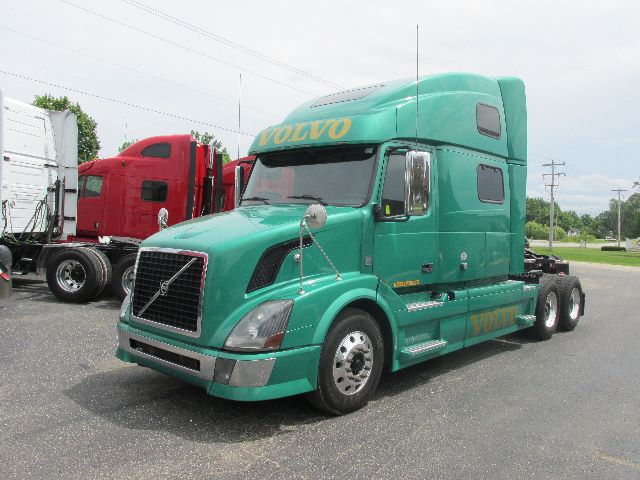
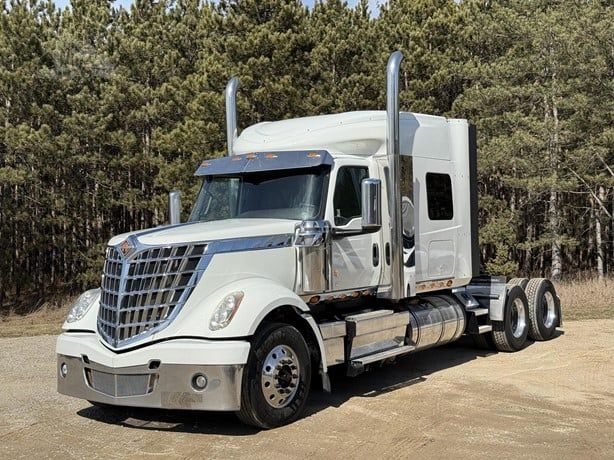
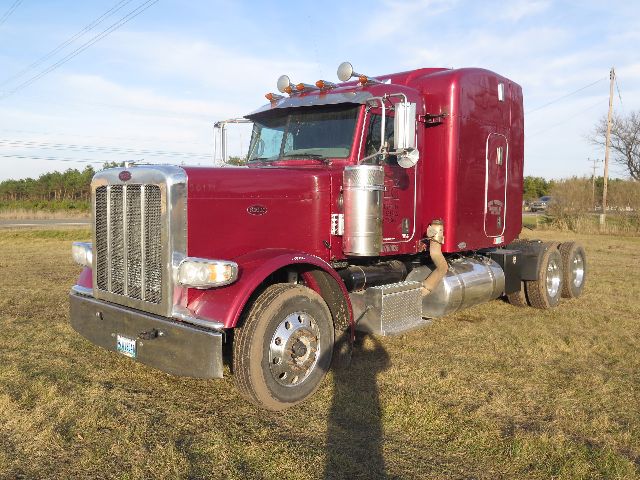
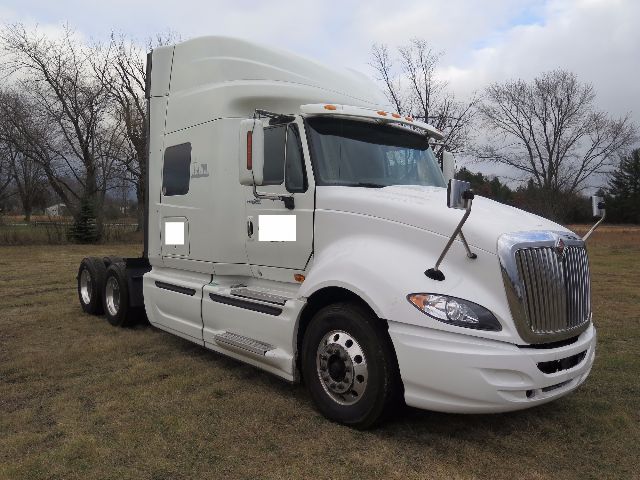
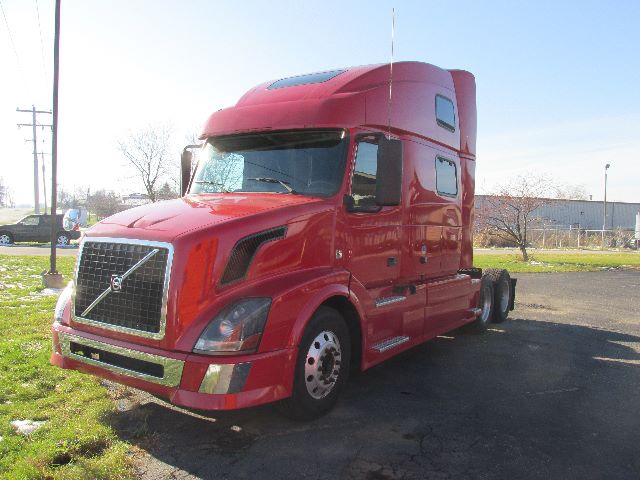
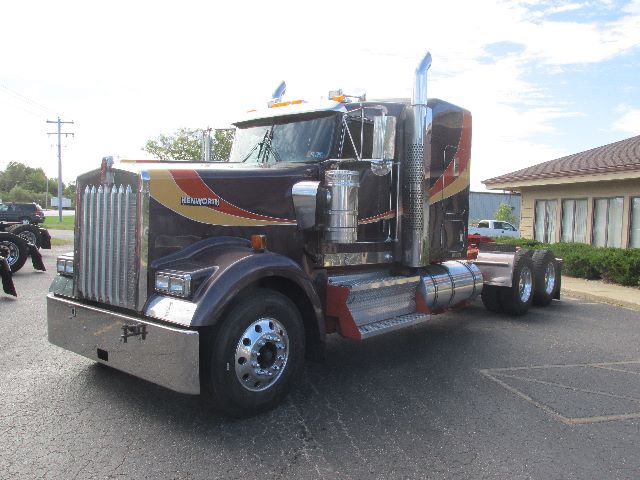
Selling a used conventional sleeper truck? List your used conventional sleeper truck for sale and reach thousands of commercial buyers.
Used Conventional Sleeper Trucks in Michigan
The big buying decisions usually start with the powertrain. Common engines in used conventional sleepers include Cummins ISX, Detroit DD13 and DD15, Volvo D13, Paccar MX-13, and older Caterpillar or pre-emissions platforms. Transmissions range from 9, 10, 13, and 18-speed manuals to automated manuals like Volvo I-Shift, Detroit DT12, and Eaton UltraShift. Rear axle ratios, horsepower ratings, and wheelbase all affect how the truck performs with your freight mix. A 400 to 500 horsepower setup is common in this class, and buyers should match the drivetrain to lane weight, terrain, and expected cruise speed rather than shopping by horsepower alone.
Sleeper layout matters more than many first-time buyers expect. Mid-roof and high-roof conventional sleepers can include single or double bunks, bunk heaters, inverters, refrigerator space, storage cabinets, and factory idle-management features. Fuel capacity often ranges from roughly 100 to 300 gallons total depending on tank configuration, and that can make a real difference on long Michigan to Southeast or Midwest lanes. Aerodynamic sleepers generally favor fuel economy and lower operating cost, while long-hood conventionals appeal to buyers who prioritize service access, appearance, and a traditional ride.
On a used truck, service history is often as important as the badge on the hood. Buyers should review ECM data, aftertreatment history, clutch life on manual units, DPF and DEF system repairs, overhead records, and evidence of recent brake, suspension, and steer tire work. Check for sleeper HVAC performance, bunk seal leaks, dash warning lights, and signs of excessive idle time. A strong used conventional sleeper should be spec'd for the job, comfortable enough for multi-day trips, and documented well enough to give you a clear picture of remaining life in the engine, driveline, and emissions system.
Frequently Asked Questions about Used Conventional Sleeper Trucks in Michigan
What is a conventional sleeper truck?
A conventional sleeper truck is a road tractor with a forward engine hood and an integrated sleeper compartment mounted behind the cab. It is designed for drivers who spend nights on the road and need space for rest, storage, and onboard amenities. In the used market, this category includes both aerodynamic highway tractors and classic long-hood models.
What should I check first on a used conventional sleeper truck?
Start with the engine and emissions history, then move to transmission operation, axle ratios, suspension wear, tire condition, and signs of frame or cab corrosion. On sleeper-equipped trucks, also inspect the bunk HVAC, seals, mattress platform, cabinets, and any inverter or auxiliary power equipment. ECM downloads, maintenance records, and a current DOT-level inspection can tell you more than appearance alone.
Are automatic or manual transmissions better in a used sleeper truck?
Neither is automatically better. Automated manuals such as I-Shift and DT12 can improve driver comfort and fuel consistency, especially in fleet or regional applications. Manual transmissions still appeal to some owner-operators for simplicity, control, and familiarity. The better choice depends on your drivers, terrain, maintenance support, and the condition of the specific truck.
How much horsepower do I need in a conventional sleeper?
Most used conventional sleeper trucks fall in the 400 to 500 horsepower range, which covers a broad mix of van, reefer, and moderate heavy-haul work. The better question is how the horsepower pairs with torque, rear axle ratio, transmission gearing, and gross combination weight. A properly matched 450 horsepower truck can outperform a poorly spec'd higher-horsepower unit in real operating cost.
What sleeper size and features matter most for long-haul work?
For long-haul use, buyers usually focus on bunk size, standing room, climate control, storage, fuel capacity, and driver convenience features such as a refrigerator, inverter, and bunk heater. A high-roof sleeper offers more room for multi-day trips, while a smaller sleeper may be enough for shorter regional lanes. The best setup depends on trip length, solo or team operation, and how much time the driver spends living in the truck.