
Used International Conventional Sleeper Trucks For Sale in Michigan
Shop used International conventional sleeper trucks in Michigan. Compare ProStar and LoneStar specs, sleeper sizes, Cummins power, and axle ratios.
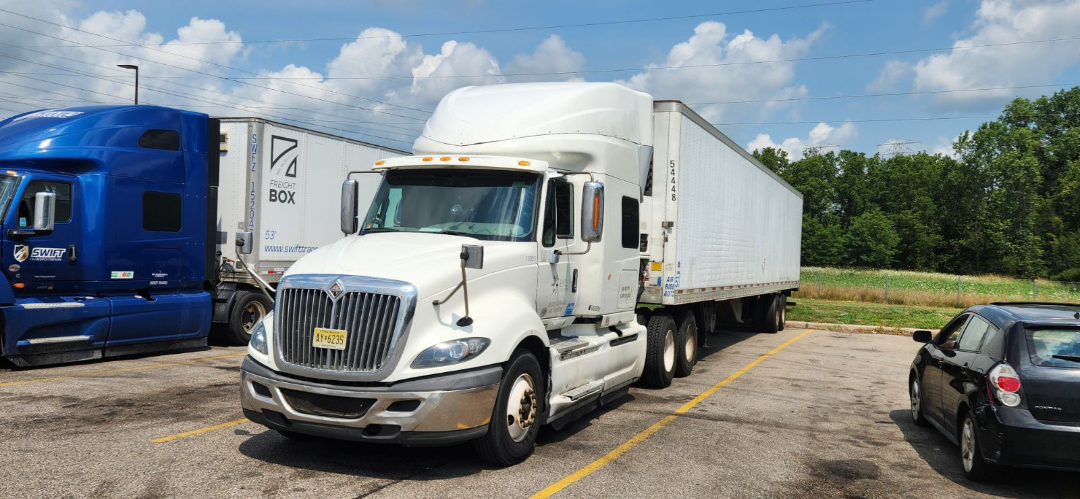
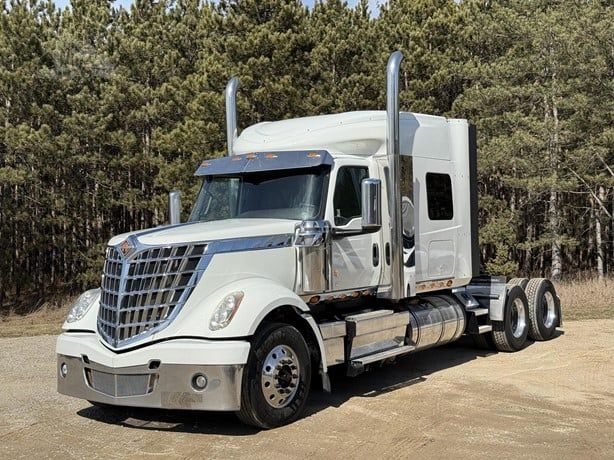
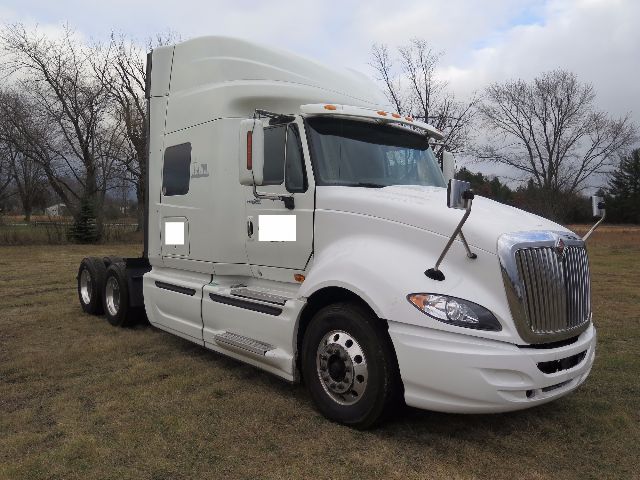
Selling a used international conventional sleeper truck? List your used international conventional sleeper truck for sale and reach thousands of commercial buyers.
Used International Conventional Sleeper Trucks in Michigan
The biggest buying decision is the powertrain. Many International sleeper trucks on the used market are equipped with Cummins ISX or X15 engines in the 435 to 500 horsepower range, paired with Eaton-Fuller manual, automated manual, or fully automatic transmissions. For heavy highway use, pay attention to axle ratio, transmission model, and wheelbase. A 3.25 or 3.36 ratio is common for fuel-conscious over-the-road operation, while a 10-speed or 13-speed setup changes how the truck feels in hills, traffic, and heavy gross weights. Buyers running Michigan freight should also check front axle capacity, suspension rating, tire size, and whether the truck has locking differentials, engine brake, and sliding 5th wheel travel that fits the trailer mix.
Sleeper configuration matters more than many first-time buyers expect. International conventional sleepers are often built with 73-inch bunks, and dual-bunk layouts are common in team or occasional layover applications. Features like a refrigerator, dual air ride seats, auxiliary power provisions, and dash gauge package can make a real difference in driver retention and road time. On used trucks, inspect bunk condition, HVAC performance, cabinet latches, and signs of water intrusion around roof seams and sleeper fairings. A clean interior helps, but the more important checks are HVAC output, inverter wiring, bunk heater operation if equipped, and overall cab electrical condition.
For any used International sleeper, the inspection should focus on aftertreatment history, coolant and oil condition, clutch or AMT operation, suspension wear, and evidence of consistent PM intervals. Ask specifically about DPF, DOC, and SCR service, because emissions system repairs can change the true operating cost of a truck very quickly. Rust and corrosion also deserve a close look in Michigan, especially around battery boxes, frame sections, cab mounts, and fuel tank straps. A well-specced International conventional sleeper can still be a cost-effective highway tractor when the drivetrain matches the route, the sleeper fits the job, and the maintenance record supports the miles.
Frequently Asked Questions about Used International Conventional Sleeper Trucks in Michigan
What engines are common in used International conventional sleeper trucks?
Used International conventional sleeper trucks are commonly equipped with Cummins ISX and Cummins X15 engines, often rated from about 435 to 500 horsepower. These engines are popular in long-haul applications because they are familiar to many shops, have strong parts support, and are often paired with proven Eaton transmissions. The right horsepower rating depends on average gross weight, terrain, and expected cruising speed, so buyers should match the engine spec to the freight rather than shop by horsepower alone.
What should I inspect first on a used International sleeper truck?
Start with the maintenance record, engine hours, mileage, and aftertreatment history. Then inspect the DPF, DOC, and SCR service record, look for coolant contamination or oil leaks, and verify how the transmission shifts under load. On Michigan trucks, rust inspection is especially important around the frame, cab mounts, crossmembers, battery boxes, and fuel tank hardware. A sleeper tractor can look clean and still need expensive emissions or chassis work, so the mechanical review should come before appearance items.
Is an International ProStar or LoneStar better for over-the-road use?
Both can work well in over-the-road service, but the best choice depends on spec and driver preference more than model name alone. The ProStar is widely recognized as a practical fleet and owner-operator highway tractor, while the LoneStar often appeals to buyers who want more distinctive styling with comparable sleeper functionality. The better truck is usually the one with the stronger maintenance history, correct axle ratio, suitable sleeper layout, and a drivetrain matched to your lanes and trailer weight.
What sleeper size is typical on an International conventional sleeper?
A 73-inch sleeper is one of the most common configurations in this category, often with a double-bunk layout. That size works well for solo long-haul use, team driving, and runs that require regular overnight stops. Buyers should look beyond sleeper length and check storage layout, bunk condition, HVAC performance, refrigerator or inverter setup, and overall cab ergonomics because those details affect daily usability more than the published sleeper dimension.
Are used International sleeper trucks a good fit for Michigan freight?
They can be a strong fit for Michigan freight if the truck is spec'd correctly for the route and season. Buyers should pay attention to traction features like differential lock, engine brake performance, tire condition, and suspension type, especially for winter operation. Corrosion exposure is also a bigger factor in Michigan than in many southern markets, so frame condition and undercarriage inspection carry extra weight when evaluating a used sleeper tractor.