
Used Volvo Conventional Sleeper Trucks For Sale in Michigan
Shop used Volvo conventional sleeper trucks in Michigan. Compare VNL 670 and 780 specs, sleepers, drivetrains, fuel economy, and applications.
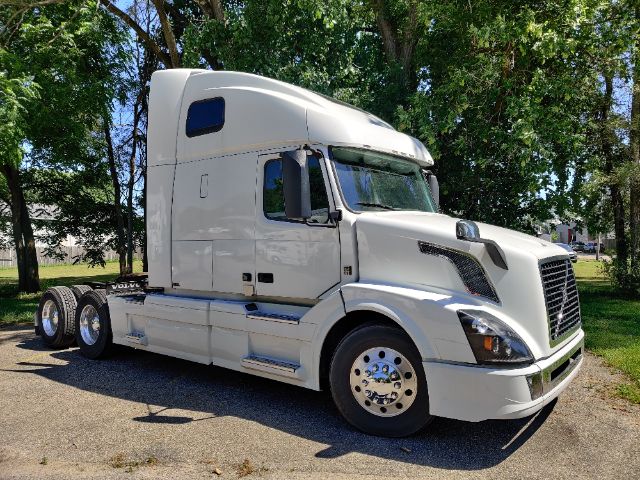
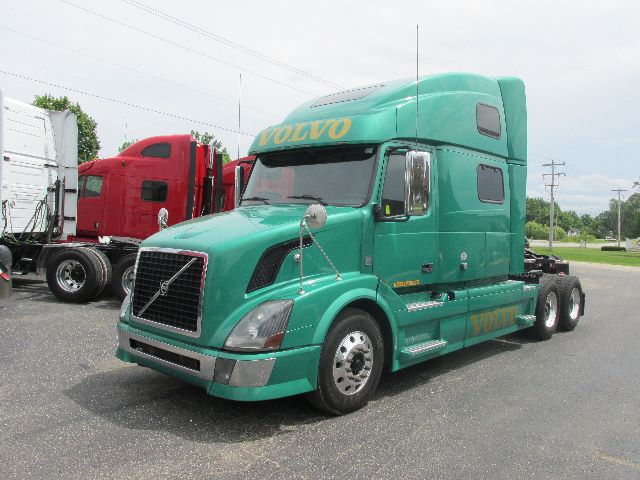
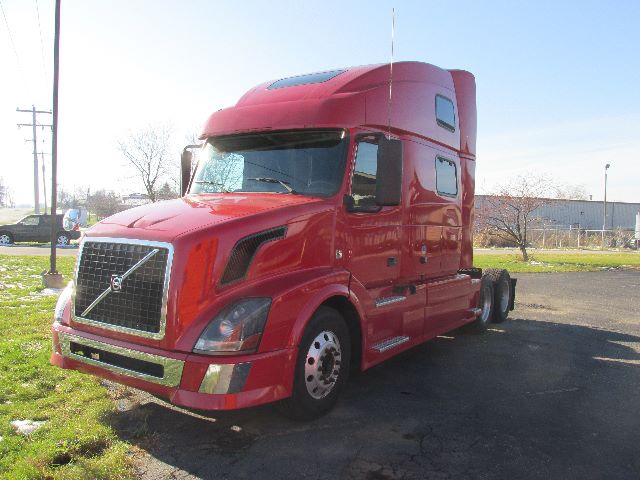
Selling a used volvo conventional sleeper truck? List your used volvo conventional sleeper truck for sale and reach thousands of commercial buyers.
Used Volvo Conventional Sleeper Trucks in Michigan
The main buying decision usually comes down to sleeper size, drivetrain, and engine-emissions history. A VNL 670 typically suits fleets and owner-operators who want a practical mid-roof or high-roof sleeper with good storage and lower overall weight, while a VNL 780 is known for a larger condo-style sleeper and more room for teams or drivers staying out for extended stretches. Common configurations include Volvo D13 power, 10-speed or 13-speed manual transmissions, and Volvo I-Shift automated manuals. Many buyers prefer the I-Shift for fuel economy, reduced driver fatigue, and resale appeal, but service records matter more than badge value alone. Check rear axle ratio, wheelbase, fuel tank capacity, and whether the truck is set up for van, reefer, or heavier Midwest freight applications.
On used Volvo sleeper trucks, condition points are more important than trim level. Review maintenance history for DPF, DEF, and EGR service on emissions-era units, and inspect for fault codes, excessive idle hours, injector performance, coolant leaks, and turbo response. In Michigan, corrosion around battery boxes, frame rails, cab steps, and undercarriage components deserves a close look because road salt can shorten the life of hardware and electrical connections. Inside the sleeper, buyers often look for a bunk heater, inverter, refrigerator, power outlets, storage layout, and signs of water intrusion or HVAC issues. A fresh inspection, tire condition, and brake wear can tell you a lot about how the truck was operated and maintained.
Volvo conventional sleepers are also known as sleeper semis or highway sleeper tractors, and they remain popular because they can cover a wide range of freight without sacrificing driver retention. For a buyer comparing multiple listings, the best value is usually the truck with the clearest service documentation, the right sleeper package for the intended haul length, and a drivetrain matched to route profile and gross weight. A well-spec'd used Volvo sleeper can deliver solid uptime for dry van, reefer, flatbed, and general freight work, especially when the cab amenities and powertrain setup are aligned with the job.
Frequently Asked Questions about Used Volvo Conventional Sleeper Trucks in Michigan
What are the most common Volvo conventional sleeper models on the used market?
The most common used Volvo conventional sleeper trucks are from the VNL series, especially the VNL 670 and VNL 780. The 670 is typically chosen for a practical sleeper layout with strong highway efficiency, while the 780 offers a larger condo-style sleeper with more living space for long-haul or team operations. Depending on year and spec, buyers may also see differences in roof height, storage, bunk arrangement, and dash layout.
Is Volvo I-Shift a good transmission choice in a used sleeper truck?
Volvo I-Shift is a widely accepted automated manual transmission and is often a strong choice in a used sleeper because it can improve fuel economy, reduce clutch wear from inconsistent shifting, and lower driver fatigue in heavy traffic or long-haul use. The key is verifying service history, software updates, clutch condition, and overall driveline operation. A test drive should confirm smooth shifting, proper engagement under load, and no transmission fault activity.
What should I inspect on a used Volvo sleeper truck in Michigan?
In Michigan, rust and corrosion should be near the top of the inspection list because winter road treatment can affect frames, crossmembers, battery boxes, cab mounts, wiring, and air system components. Buyers should also inspect the emissions system, including DPF and DEF components, along with tire wear, brake condition, suspension, and sleeper HVAC performance. Service records and a scan for active or stored fault codes are especially important on used highway tractors.
Which is better for long-haul use, a Volvo 670 or 780 sleeper?
The better choice depends on route length, driver preference, and payload priorities. A Volvo 670 generally works well for solo operators and fleets that want a more efficient sleeper setup with good storage and lower weight, while a Volvo 780 is better suited to extended over-the-road use where extra interior room, larger storage areas, and added comfort matter more. Buyers should compare sleeper amenities, wheelbase, and tare weight against the freight they plan to haul.
Are used Volvo conventional sleepers good for reefer and dry van freight?
Yes, used Volvo conventional sleeper trucks are commonly used for reefer and dry van freight because they are built for highway miles, aerodynamic efficiency, and driver comfort over long distances. The right truck should have the proper wheelbase, fuel capacity, axle ratio, and power rating for the lanes and gross weights involved. Reefer applications may also benefit from larger fuel capacity and cab comfort features that support longer wait times and irregular schedules.