
Used 2025 Conventional Sleeper Trucks For Sale
Shop used 2025 conventional sleeper trucks with high-roof cabs, diesel power, and highway specs for long-haul freight operations.
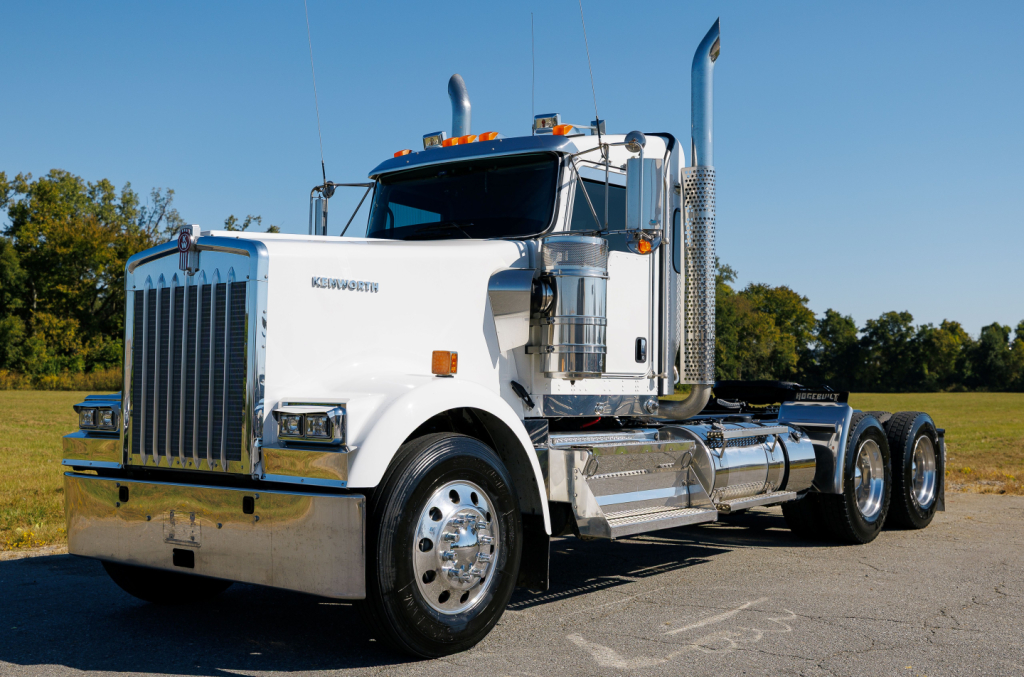
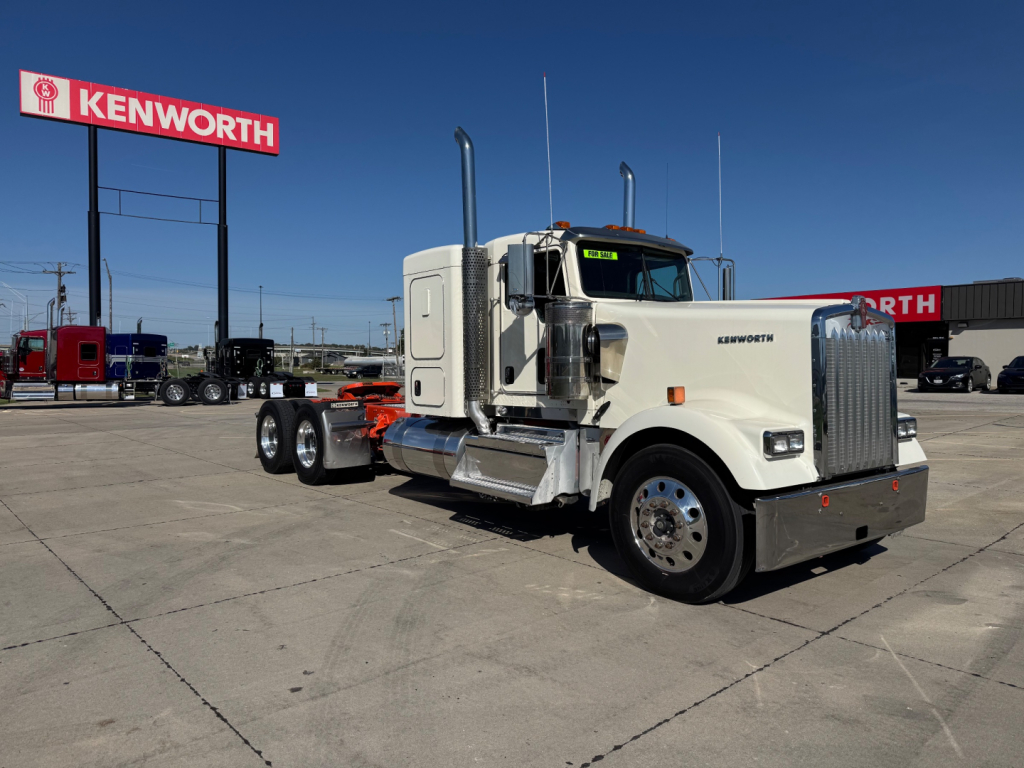
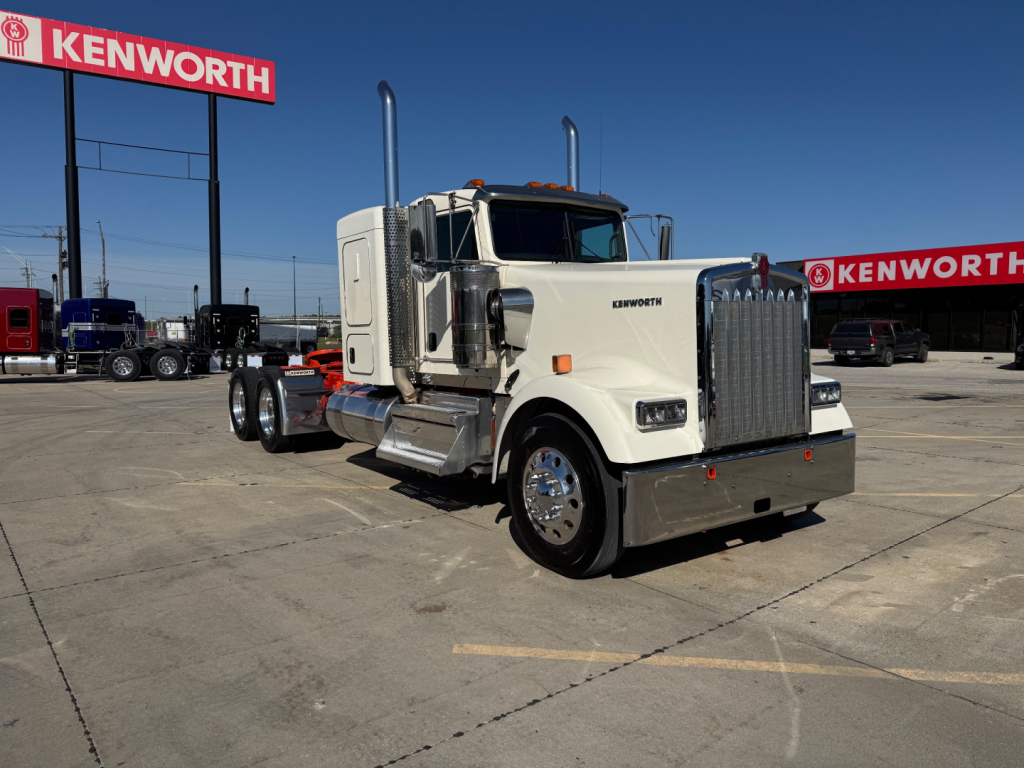
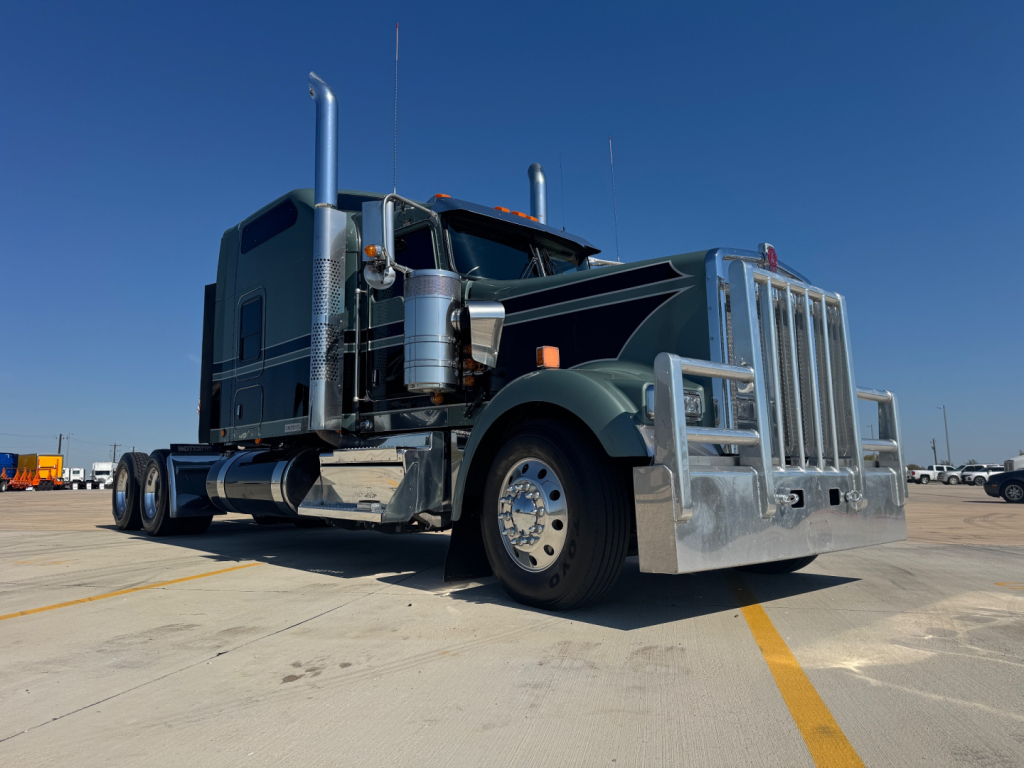
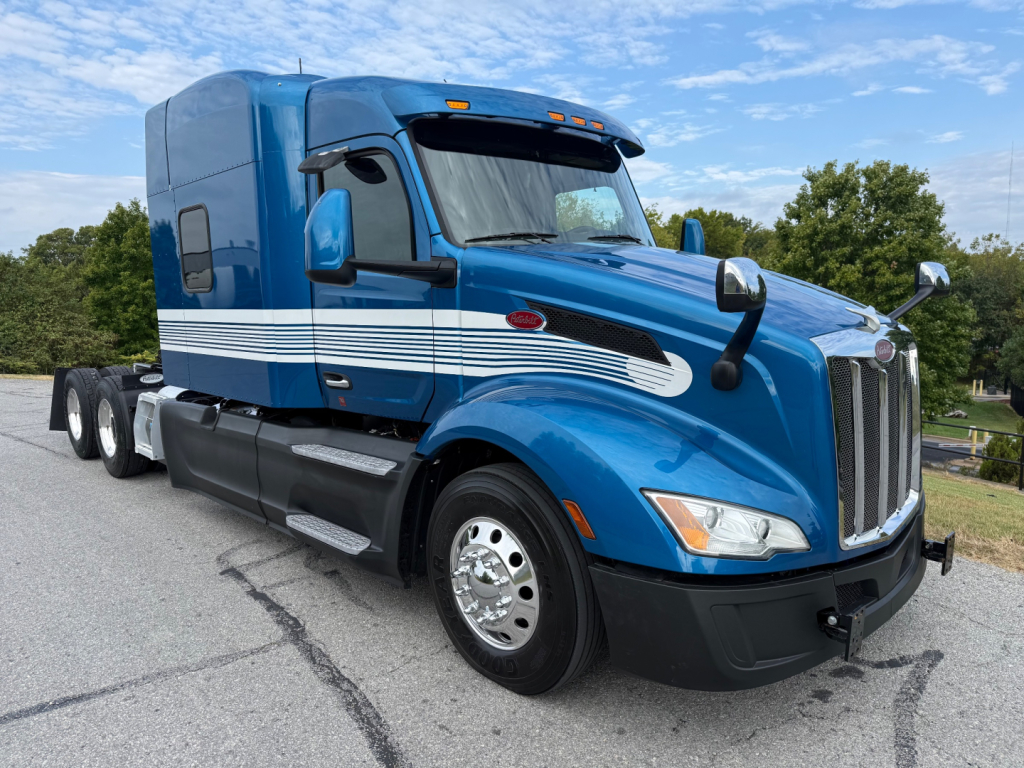
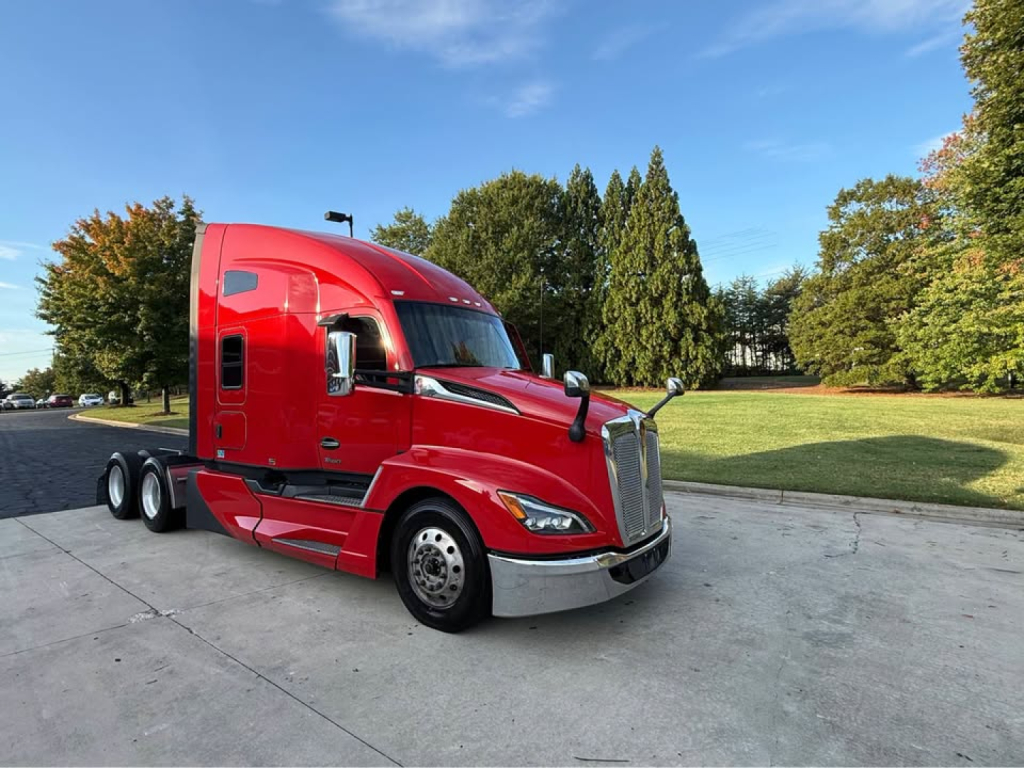
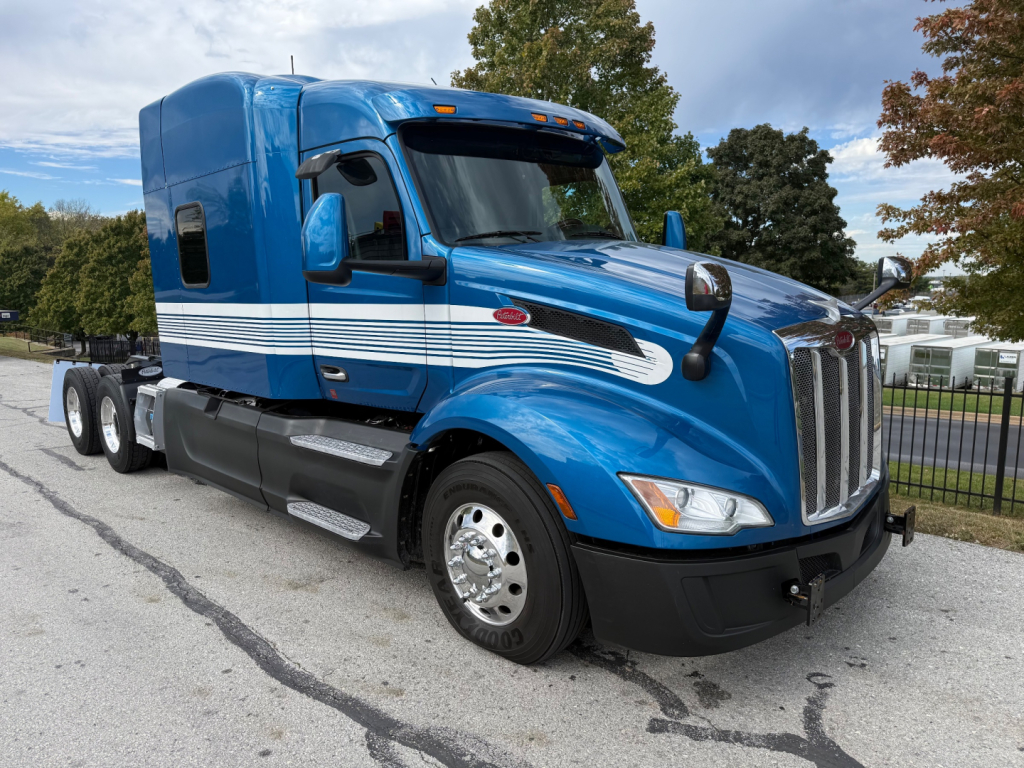
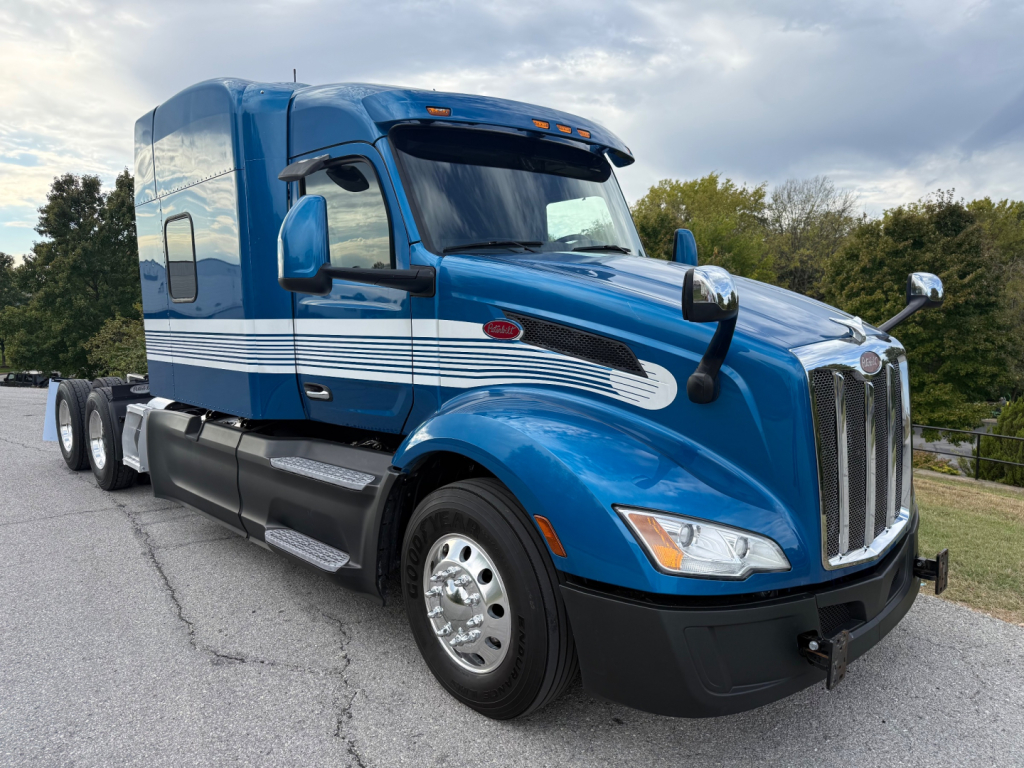
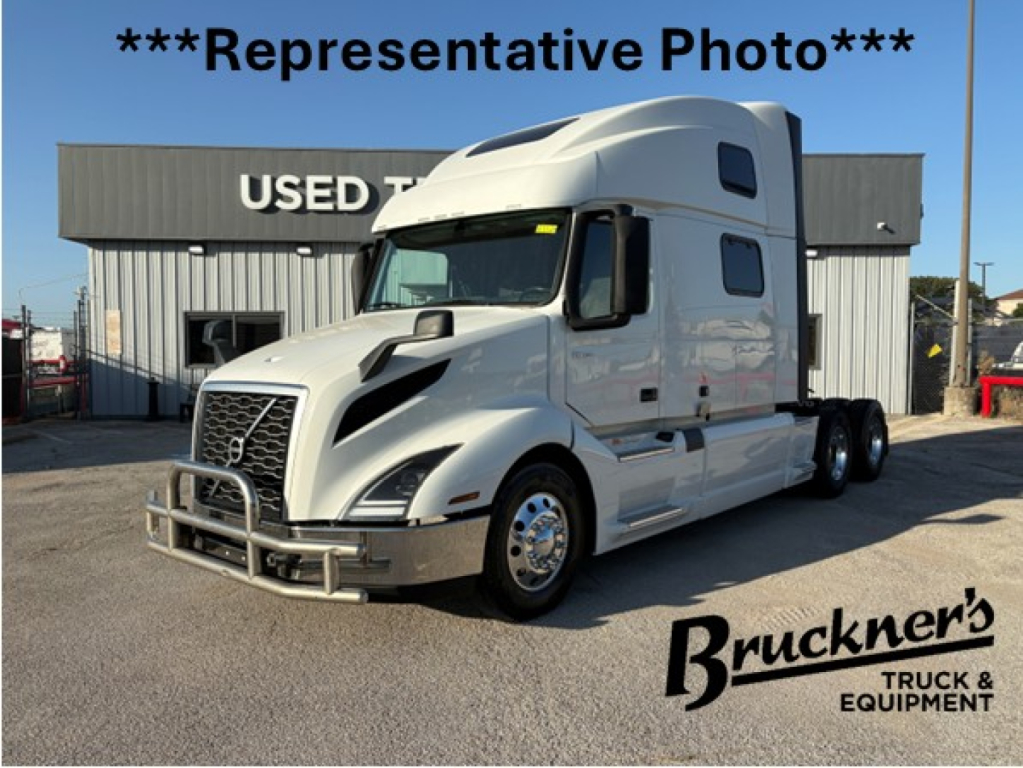
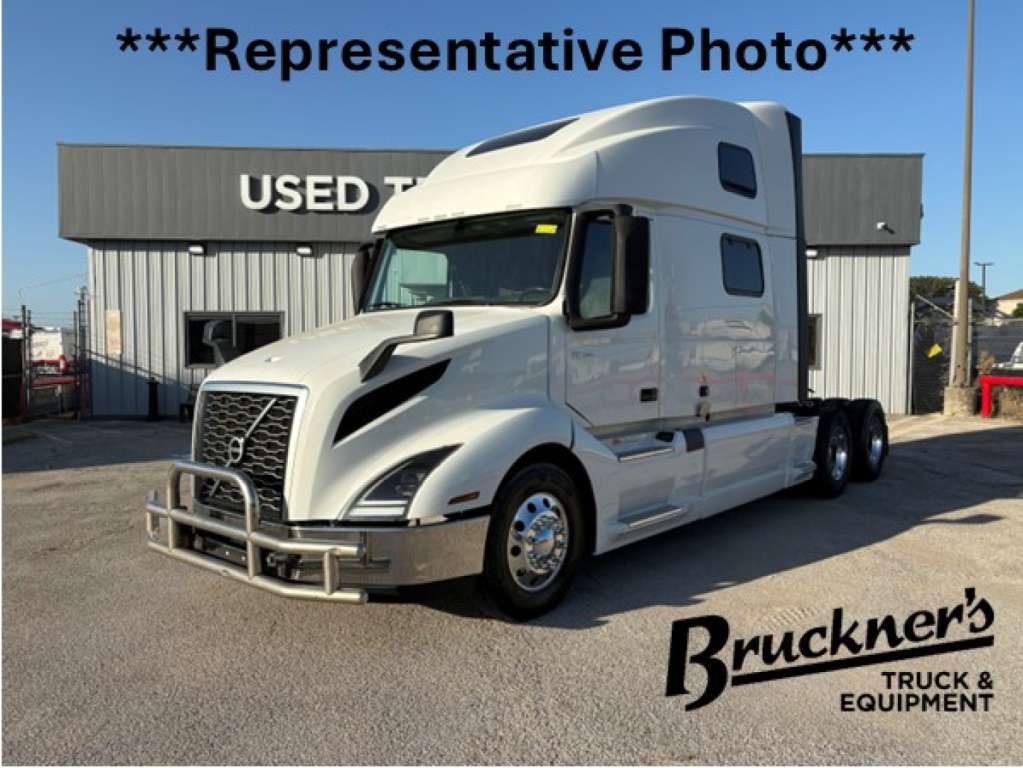
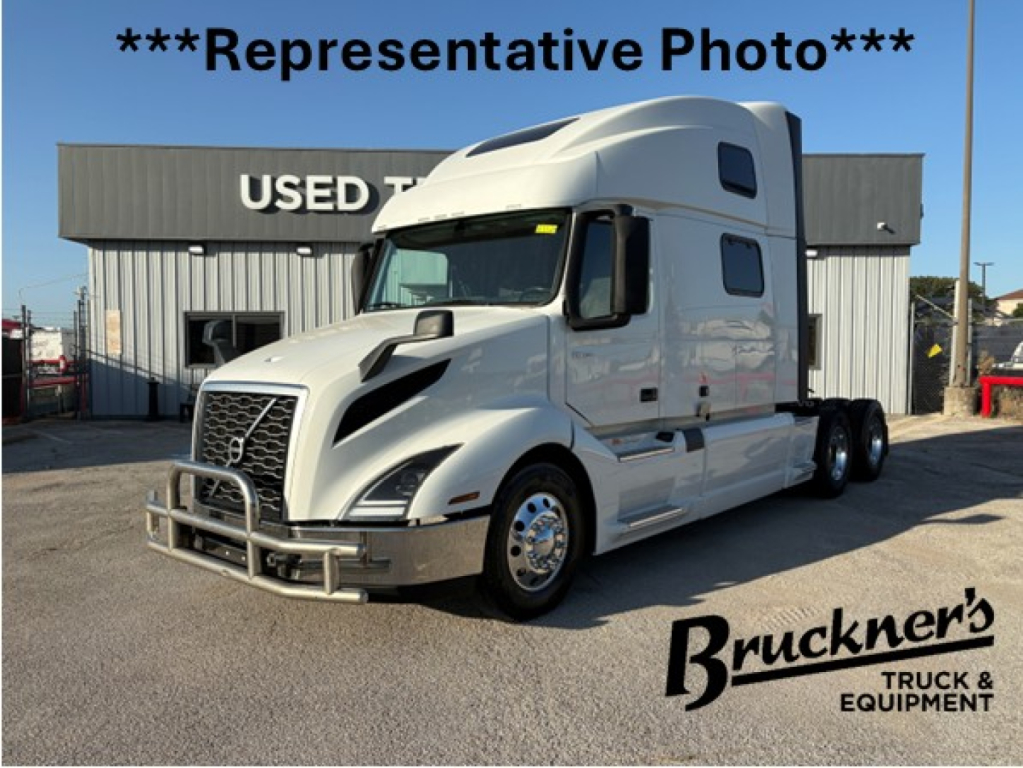
Selling a used 2025 conventional sleeper truck? List your used 2025 conventional sleeper truck for sale and reach thousands of commercial buyers.
Used 2025 Conventional Sleeper Trucks
The key buying decision is matching the powertrain to the lane. Most conventional sleeper trucks in this class carry 12.8L to 15L diesel engines such as the Detroit DD13 or DD15, Cummins X15, Paccar MX-13, or Mack MP8, generally rated around 400 to 500 horsepower. Automated manual transmissions like the DT12 and mDrive are common in fuel-conscious fleet specs, while some buyers still prefer a manual for certain operating styles or resale preferences. Rear axle ratios such as 2.64, 3.08, or 3.36 affect cruise RPM, gradeability, and fuel economy, so they matter as much as horsepower. A buyer running light, fast highway miles may lean toward a taller ratio, while heavier or mixed terrain work usually benefits from a more balanced spec.
Sleeper configuration matters because it affects both utilization and driver retention. Common sizes range from about 70 to 80 inches, with raised-roof and stand-up sleepers dominating long-haul use. Features like upper bunks, bunk heaters, refrigerators, auxiliary power units, inverter prep, and storage layout can make a major difference for teams or solo drivers staying out for extended periods. Wheelbase, sliding fifth wheel setup, and fairing package also deserve attention because they influence trailer gap, bridge law flexibility, ride quality, and fuel burn. Many late-model used 2025 conventional sleepers are equipped with collision mitigation, disc brakes, adaptive cruise functions, and other driver-assist systems that fleets now consider standard.
Condition still separates one used sleeper truck from another, even within the same model year. Buyers should pay close attention to mileage, idle hours, maintenance history, emissions system service records, tire type, brake wear, suspension condition, and any signs of prior body or fairing damage. It is also smart to confirm sleeper HVAC performance, APU operation, kingpin setting compatibility, and fuel tank capacity for the intended route structure. A well-spec'd conventional sleeper truck can lower operating cost per mile, improve uptime, and give a driver a more workable living space, which is why this category remains the backbone of the North American long-haul tractor market.
Frequently Asked Questions about Used 2025 Conventional Sleeper Trucks
What is a conventional sleeper truck used for?
A conventional sleeper truck is primarily used for long-haul and regional freight where the driver needs overnight accommodations built into the tractor. The sleeper compartment allows the truck to stay productive on multi-day routes and is commonly paired with dry van, reefer, and general freight trailers. Compared with a day cab, a sleeper tractor adds living space, more storage, and better suitability for extended runs.
What engine and transmission specs are common in used 2025 conventional sleeper trucks?
Most used 2025 conventional sleeper trucks are spec'd with heavy-duty diesel engines in the 13L to 15L range and horsepower ratings around 400 to 500 HP. Common engines include the Detroit DD13 and DD15, Cummins X15, Paccar MX-13, and Mack MP8. Automated manual transmissions are very common because they support fuel economy and driver consistency, though some trucks are still equipped with manual gearboxes depending on the original fleet or owner-operator spec.
How do I choose the right sleeper size?
Sleeper size should match the truck's route length, driver count, and expected time away from home. A 70-inch sleeper may be sufficient for many solo operators, while a 76-inch or 80-inch high-roof sleeper is often preferred for longer over-the-road cycles, team operations, or drivers who want more stand-up room and storage. Interior features such as upper bunks, refrigerator space, bunk heaters, and cabinet layout can matter as much as the published sleeper dimension.
What should I inspect on a used conventional sleeper tractor?
The most important inspection points are engine service history, fault codes, emissions system condition, transmission operation, axle ratio, suspension wear, brake life, tire condition, and signs of frame or fairing damage. Buyers should also inspect the sleeper itself, including HVAC performance, bunk condition, seals, refrigerator or APU operation, and electrical accessories. A truck with the right maintenance records and a clean operating history is usually a better value than one with a lower asking price but deferred repairs.
Are aerodynamic highway sleeper trucks good for fuel economy?
Yes. Conventional sleeper tractors are designed with aerodynamic hoods, roof fairings, side extenders, and chassis fairings to reduce drag at highway speeds. Fuel economy still depends heavily on axle ratio, cruise speed, trailer pairing, terrain, idle time, and driver habits, but an aerodynamic sleeper spec is generally the baseline for fleets focused on cost per mile. Late-model trucks with integrated fairings and automated transmissions are typically positioned to deliver better highway efficiency than older, less streamlined specs.