
Used 2025 Conventional Sleeper Trucks For Sale in Texas
Shop used 2025 conventional sleeper trucks in Texas. Compare aero sleepers, engine specs, wheelbases, fuel capacity, and driver comfort.
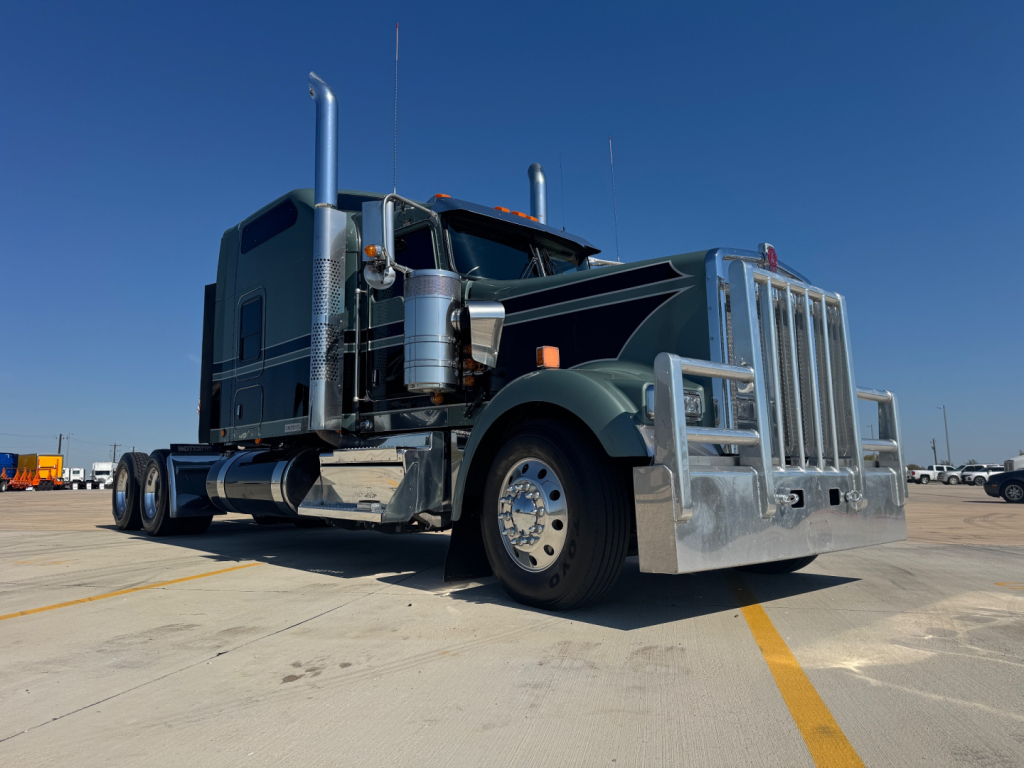
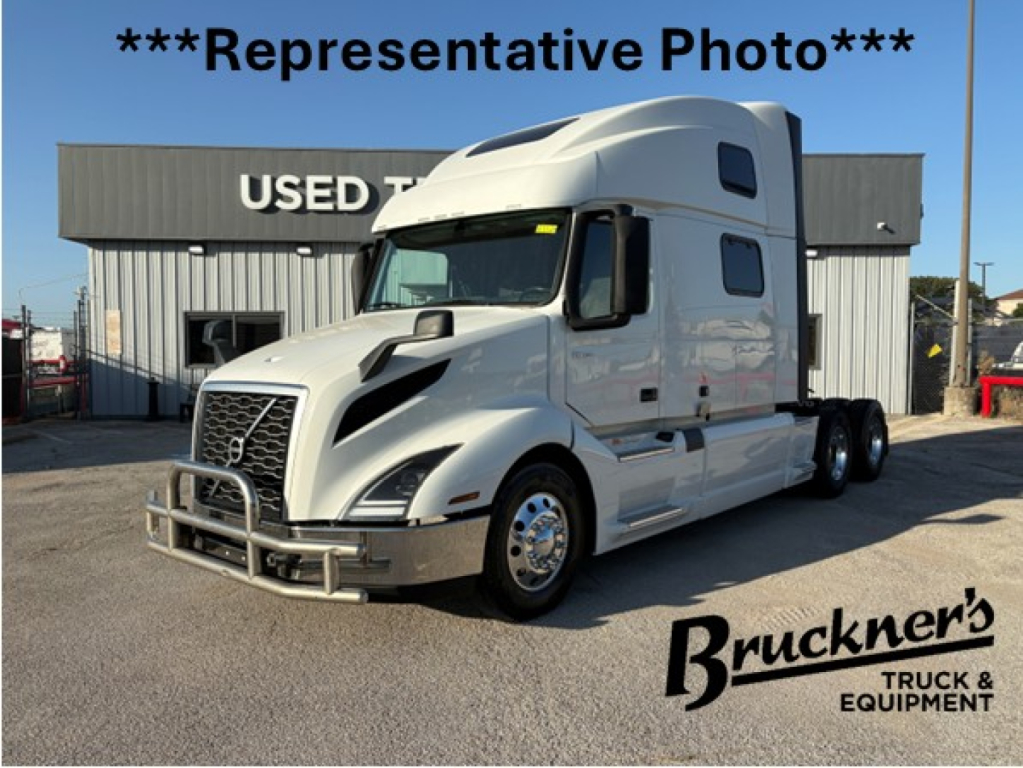
Selling a used 2025 conventional sleeper truck? List your used 2025 conventional sleeper truck for sale and reach thousands of commercial buyers.
Used 2025 Conventional Sleeper Trucks in Texas
Frequently Asked Questions about Used 2025 Conventional Sleeper Trucks in Texas
What should I look for first on a used 2025 conventional sleeper truck?
Start with the sleeper size, powertrain rating, wheelbase, and maintenance history. A 2025 truck may still have low miles, but spec matters more than model year alone. Check engine family, horsepower, torque, transmission type, rear axle ratio, and fuel capacity against the freight you plan to haul. For Texas operations, buyers should also pay attention to idle management, air conditioning performance, and cooling system condition because heat and long distances can expose weak points quickly.
What sleeper sizes are common on conventional sleeper trucks?
Common configurations include mid-roof sleepers around 60 to 72 inches and larger raised-roof sleepers in the 70 to 80 inch range. A smaller sleeper can save weight and improve maneuverability, while a larger condo-style sleeper gives more storage and better livability for extended over-the-road work. The right choice depends on length of haul, driver preference, and how much room you need for cabinets, refrigerator space, and stand-up access.
Are automated manual transmissions standard in late-model sleeper trucks?
In most late-model conventional sleeper tractors, yes. Automated manuals from Detroit, Mack, Volvo, Eaton, and PACCAR are now common because they help with fuel economy, driver onboarding, and clutch life. They also integrate well with predictive cruise and collision mitigation systems. A buyer should still confirm software update history, clutch calibration records, and how the transmission is spec'd for startability and grade performance.
What axle and wheelbase specs matter for Texas buyers?
Wheelbase affects ride quality, trailer gap, weight distribution, and turning radius. A common sleeper tractor setup may fall in the low-220 to mid-230 inch wheelbase range, but the best number depends on sleeper length, fairing package, and trailer type. Buyers hauling dry van or reefer freight often want an efficient aero spec, while heavier vocational-style highway work may call for different suspension, frame, and axle ratings. Always verify front axle rating, tandem capacity, fifth-wheel position, and kingpin setting compatibility with your trailers.
Do used 2025 conventional sleeper trucks usually have emissions and safety technology worth paying for?
Yes, especially if the systems are documented and functioning correctly. Late-model trucks often include radar-based collision mitigation, side object awareness, adaptive cruise, and telematics-ready electronics that can improve safety performance and support fleet compliance. Emissions systems are also more refined than older generations, but buyers should still review fault history, regeneration behavior, and aftertreatment service records. A clean diagnostic report is important on any used sleeper tractor, even one that appears nearly new.