
Used 2025 Volvo Conventional Sleeper Trucks For Sale in Texas
Shop used 2025 Volvo conventional sleeper trucks in Texas. Compare VNL and VNR sleepers with D13 power, I-Shift, bunk sizes, and specs.
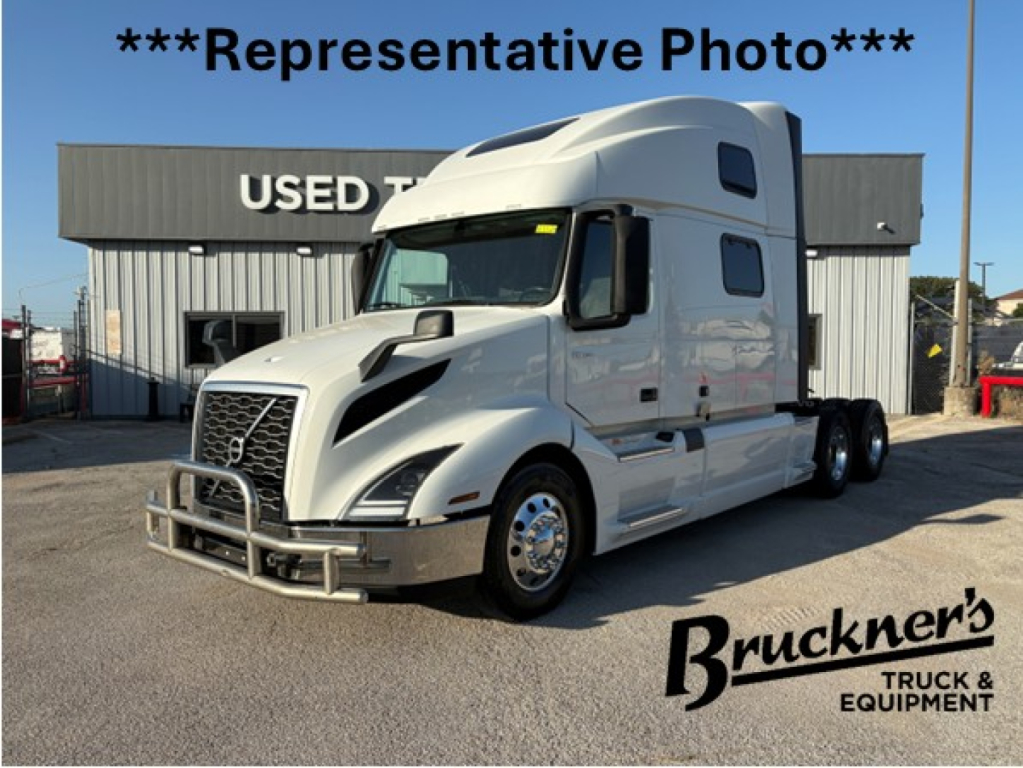
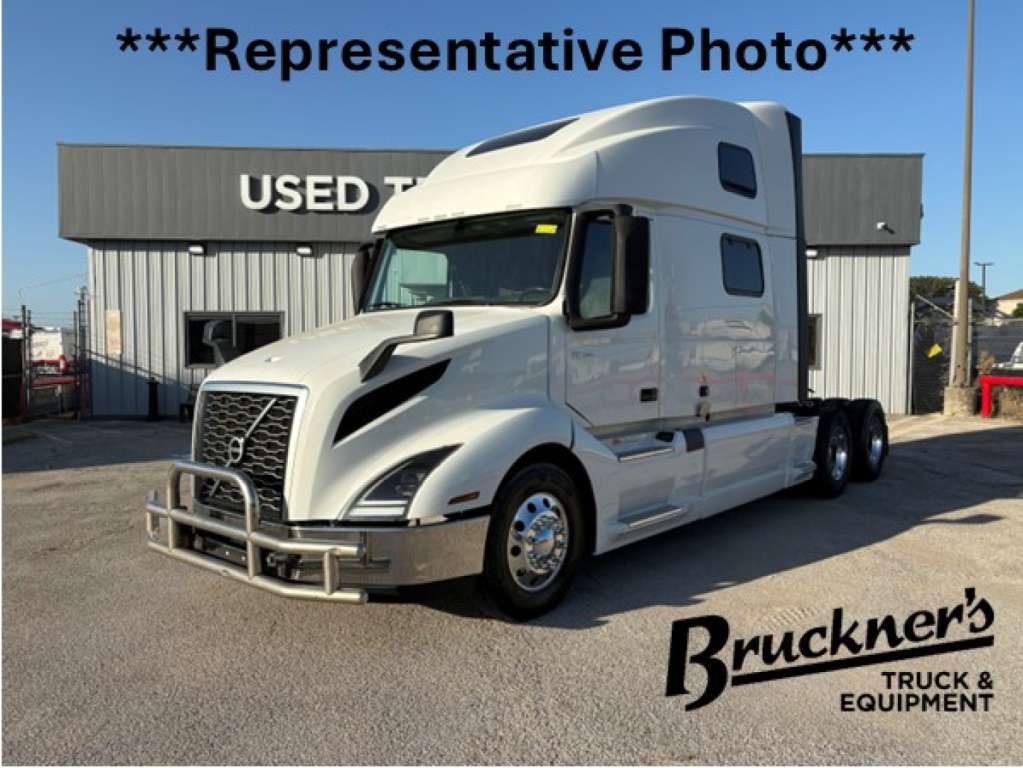
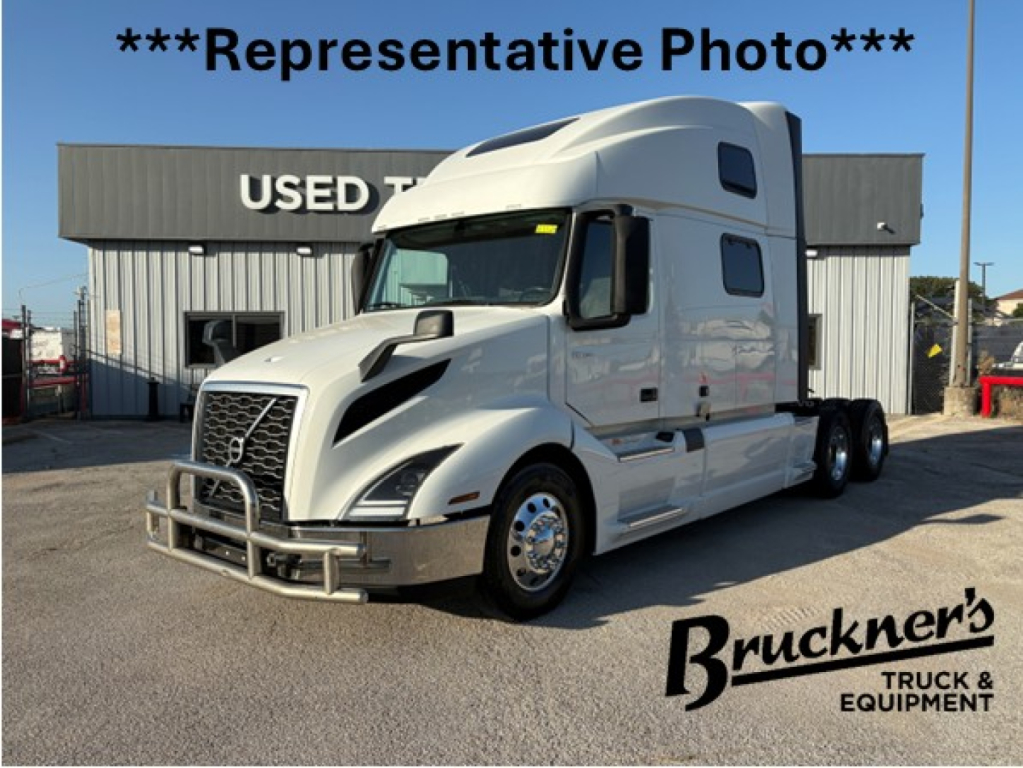
Selling a used 2025 volvo conventional sleeper truck? List your used 2025 volvo conventional sleeper truck for sale and reach thousands of commercial buyers.
Used 2025 Volvo Conventional Sleeper Trucks in Texas
Sleeper size is one of the biggest decision points. A raised-roof 62-inch sleeper fits many regional and team applications, while a 77-inch double bunk sleeper is better suited to over-the-road operations where storage, stand-up room, and living space matter. Wheelbase, fuel capacity, and fairing configuration also affect how the truck performs in real service. A 6x4 tandem axle layout is standard in this class, often with air ride suspension, aerodynamic trim, and axle ratings around 12,000 to 13,000 pounds front and 38,000 pounds rear. Buyers comparing specs should also look at disc versus drum brakes, tire size, frame layout, and how the fifth wheel position supports trailer gap and kingpin setting requirements.
Texas buyers often put extra emphasis on cooling performance, idle management, and route flexibility. A truck running I-35, I-10, or Gulf Coast lanes may need larger fuel capacity, good APU compatibility, and a sleeper layout that keeps the driver productive over multi-day trips. Late-model Volvo sleepers are also commonly equipped with collision mitigation, adaptive cruise control, lane and forward warning systems, and other driver-assist features that can matter to fleets with insurance and safety score requirements. Interior ergonomics are another Volvo strength, especially for buyers who care about cab access, bunk storage, workstation layouts, and overall driver retention.
When comparing used 2025 Volvo sleeper trucks, pay close attention to the exact cab series, axle ratio, transmission programming, and maintenance history. Two trucks with the same engine rating can perform very differently depending on gearing, intended cruise speed, and gross combination weight. A highway spec VNL set up for fuel mileage will not behave the same as a regional sleeper with shorter wheelbase and different tank placement. For many buyers, the best value is a spec that already matches the lane, trailer type, and driver schedule instead of a truck that needs changes after purchase.
Frequently Asked Questions about Used 2025 Volvo Conventional Sleeper Trucks in Texas
What is the difference between a Volvo VNL sleeper and a Volvo VNR sleeper?
The Volvo VNL is generally the long-haul conventional sleeper platform, with larger sleeper options, a more highway-focused aerodynamic package, and specs built around extended interstate use. The Volvo VNR is more commonly used in regional haul, dedicated freight, and shorter-cycle operations where a slightly more compact package can be an advantage. Both can be configured as sleeper tractors, but the VNL is usually the first choice when maximum bunk space and over-the-road comfort are priorities.
What engine and transmission are most common in used 2025 Volvo conventional sleeper trucks?
The most common setup in this category is the Volvo D13 diesel engine paired with the Volvo I-Shift automated manual transmission. Many trucks in this class are rated around 425 horsepower, though exact torque ratings and programming can vary by application. This drivetrain is widely used because it balances fuel economy, smooth operation, and driver acceptance, especially in fleet service and high-mileage linehaul work.
What sleeper size should I look for in a Volvo conventional sleeper truck?
The right sleeper size depends on route length, time away from home, and whether the truck is single-driver or team-operated. A 62-inch raised-roof sleeper is often enough for regional and some over-the-road work, especially when payload and wheelbase need to stay controlled. A 77-inch sleeper with double bunk and workstation is more suitable for long-haul applications where the driver needs more storage, better livability, and room for extended trips.
Are late-model Volvo sleeper trucks a good fit for Texas freight operations?
Yes, late-model Volvo sleeper trucks are a strong fit for Texas because they are commonly spec'd for highway efficiency, hot-weather drivability, and high annual mileage. Buyers in Texas often benefit from aerodynamic packages, larger fuel tanks, air ride suspension, and driver-assist systems that support long interstate runs and dense metro traffic. The key is matching the truck's wheelbase, gearing, and sleeper layout to the freight lane rather than buying strictly by model name.
What specs matter most when comparing used Volvo sleeper tractors?
The most important specs are sleeper size, engine rating, transmission type, rear axle ratio, wheelbase, axle ratings, and fuel capacity. Buyers should also check brake type, suspension, safety technology, and fifth wheel setup because those details affect trailer compatibility and day-to-day operating cost. On a used truck, service history, emissions system maintenance, and how the truck was originally spec'd for its previous duty cycle are just as important as mileage.