
Used 2006 Conventional Sleeper Trucks For Sale
Browse used 2006 conventional sleeper trucks with specs that fit long-haul freight, owner-operators, and fleet replacement needs.
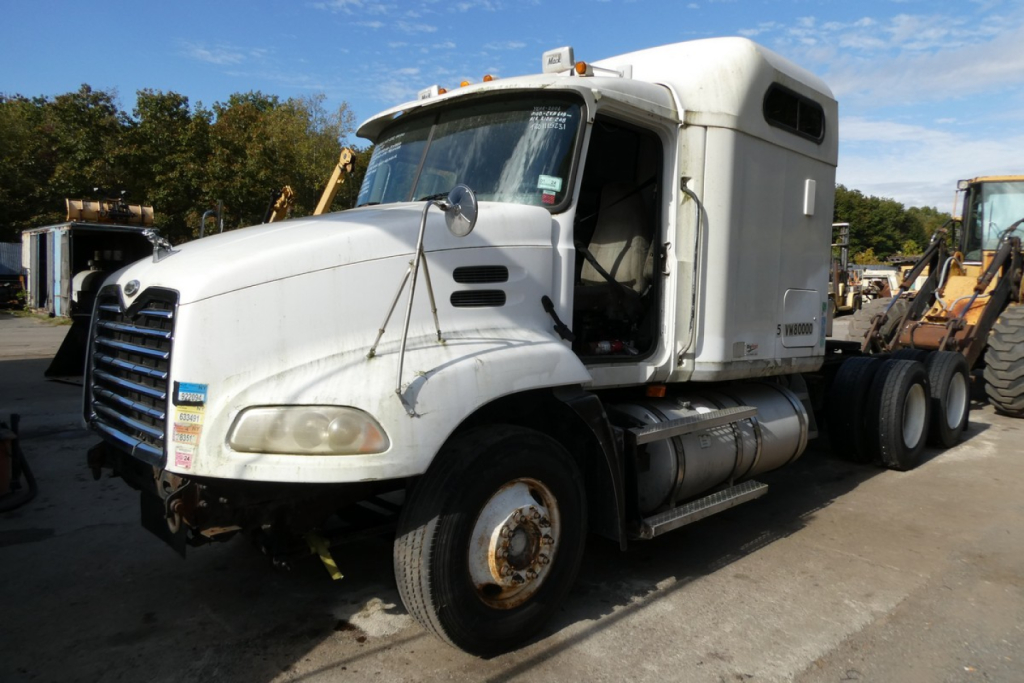
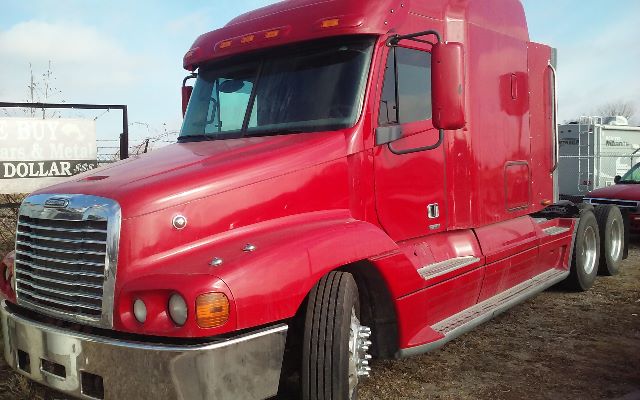

Selling a used 2006 conventional sleeper truck? List your used 2006 conventional sleeper truck for sale and reach thousands of commercial buyers.
Used 2006 Conventional Sleeper Trucks
Frequently Asked Questions about Used 2006 Conventional Sleeper Trucks
What makes a 2006 conventional sleeper truck attractive to buyers today?
The main draw is lower acquisition cost combined with proven driveline platforms. Many 2006 sleeper tractors were built with pre-2007 emissions engines, so they typically do not have diesel particulate filters. That can reduce system complexity and simplify maintenance compared with newer emissions-era trucks. Buyers still need to verify engine model, overhaul history, ECM data, and overall chassis condition, because age and prior duty cycle matter more than model year alone.
What engines and transmissions are common in 2006 conventional sleepers?
Common engines in this year range include the Caterpillar C15, Cummins ISX, Detroit Diesel Series 60, Volvo D12, and Mercedes-Benz engines in some Freightliner applications. Manual transmissions such as Eaton Fuller 10-speed, 13-speed, and 18-speed boxes were very common, though some automated manuals may appear in certain specs. Rear axle ratios often vary from fuel-economy highway gearing to deeper ratios intended for heavier loads or more mixed terrain.
What should I inspect first on a used 2006 sleeper tractor?
Start with the engine, transmission, and rear axle service history, then move to signs of structural wear. Buyers should check blow-by, coolant condition, oil leaks, clutch wear, suspension bushings, fifth wheel condition, frame corrosion, and kingpin setting suitability for the trailer types being pulled. The sleeper itself also matters. Look at HVAC function, bunk condition, wiring repairs, water leaks, and cab mounts, because these trucks often have high hours from over-the-road use.
Are 2006 conventional sleeper trucks good for long-haul freight?
Yes, many are still used in regional and long-haul service if they have been maintained correctly and matched to the right freight lane. A 2006 sleeper tractor is best suited to buyers who prioritize lower upfront cost and have a solid maintenance plan. Fuel economy, ride quality, and driver-assist technology will usually be behind newer trucks, but a well-kept unit can still be productive in van, reefer, flatbed, or specialized hauling applications.
How do I choose the right sleeper size and wheelbase in this category?
The right setup depends on freight, trailer length, and operating region. Mid-roof and smaller sleepers can work well for regional runs or weight-sensitive applications, while larger sleepers support extended over-the-road use and driver comfort. Wheelbase affects bridge law compliance, turning radius, and overall trailer gap. Buyers should compare bunk size, storage, tank capacity, and axle placement to the routes and trailer combinations they plan to run.