
Used Conventional Sleeper Trucks For Sale in Washington
Browse used conventional sleeper trucks in Washington with specs for regional and over-the-road hauling, including popular aero highway tractors.
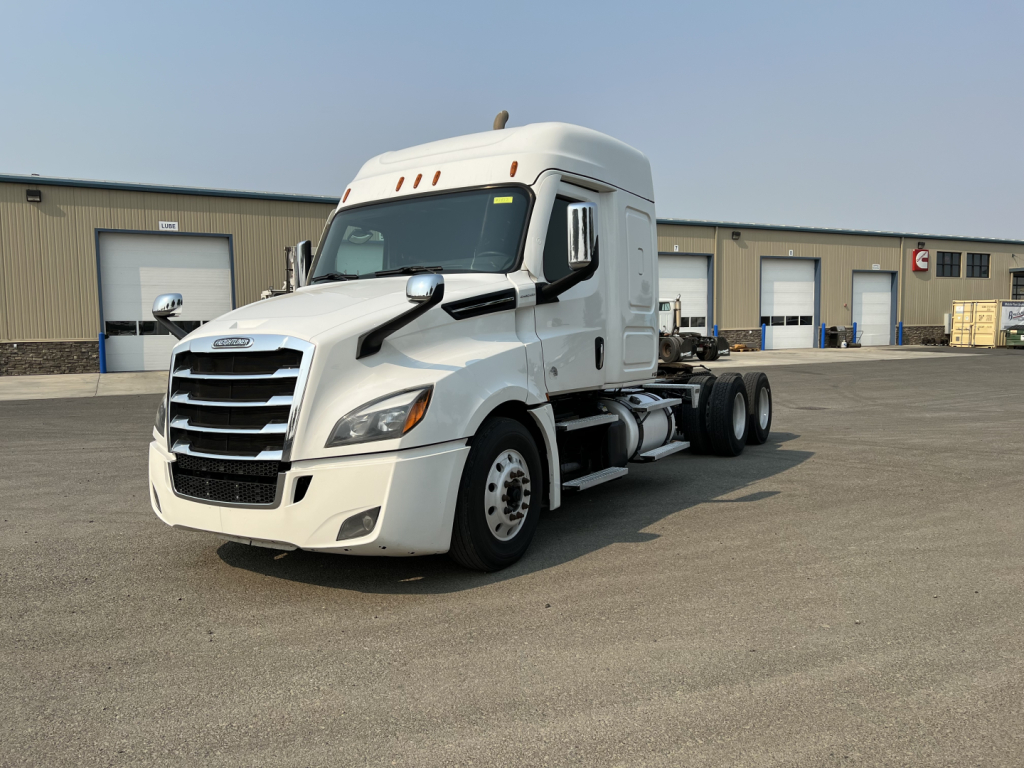
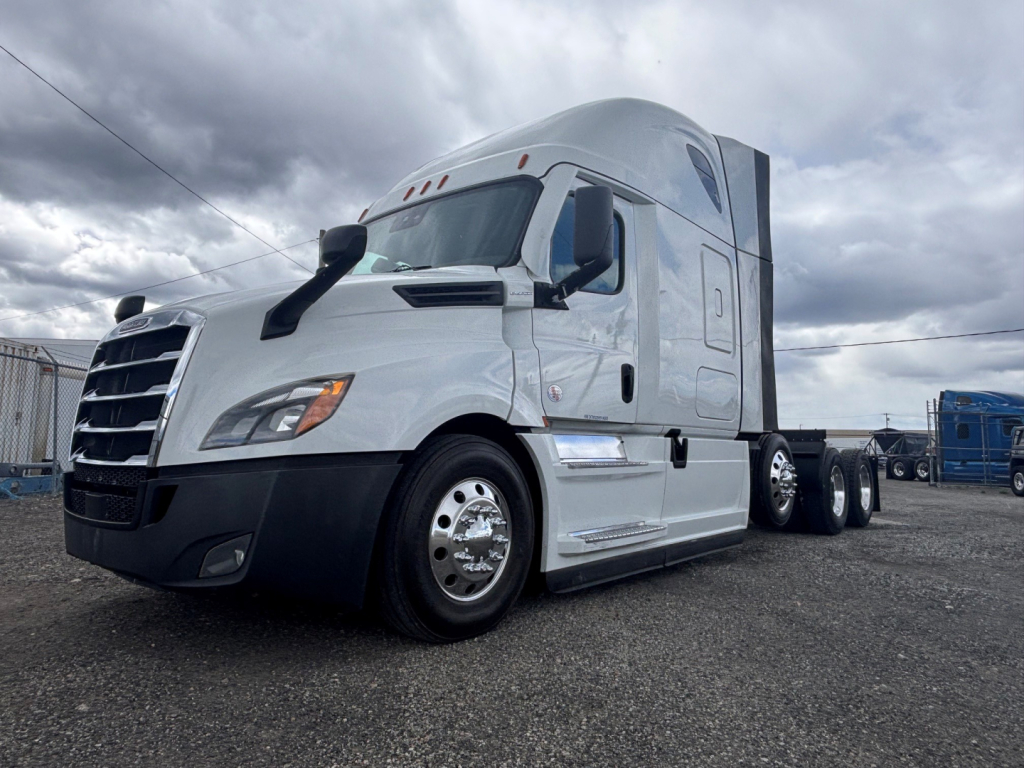
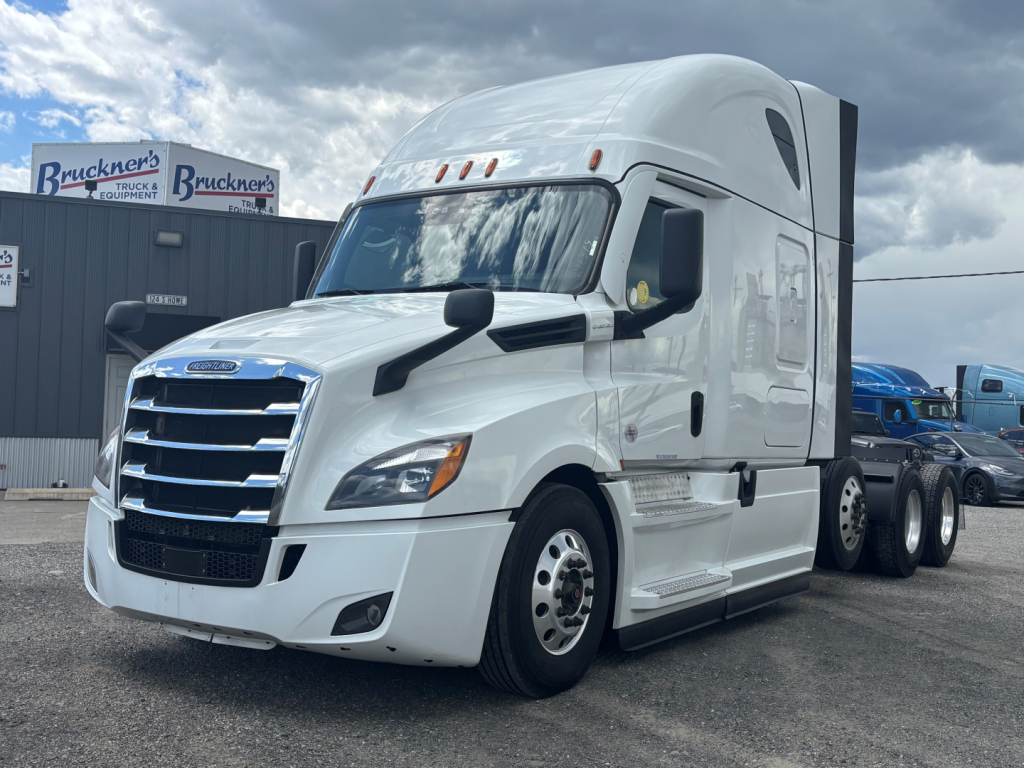
Selling a used conventional sleeper truck? List your used conventional sleeper truck for sale to reach thousands of commercial buyers.
Used Conventional Sleeper Trucks in Washington
The most important buying decision is matching the sleeper truck’s spec to the lane. Engine choice, transmission type, rear axle ratio, wheelbase, and sleeper size all affect operating cost and driver comfort. Late-model used conventional sleepers commonly come with Detroit, Cummins, or Paccar power, usually paired with an automated manual transmission for fuel economy and easier driver onboarding. Typical sleepers range from mid-roof configurations for regional work to larger raised-roof setups for over-the-road use. In the Pacific Northwest, a lift axle can be a useful spec for specialized payload distribution, and buyers running heavier routes should pay close attention to suspension rating, frame strength, and GCWR.
A good used sleeper tractor should be evaluated beyond mileage alone. Maintenance history, idle hours, aftertreatment performance, clutch life on manual units, and signs of deferred chassis work matter just as much as odometer reading. Check tire wear for alignment issues, inspect the fifth wheel and slider function, and look closely at brakes, driveline components, and any evidence of corrosion from year-round weather exposure. For Washington operations, it also makes sense to verify how the truck was geared for mountain terrain versus flatland fuel economy, and whether it has driver-assist and telematics features that fit a modern fleet.
Cab and sleeper layout can directly affect retention and utilization. Buyers comparing used conventional sleeper trucks should look at bunk width, cabinet storage, inverter setup, HVAC performance, bunk heater or APU provisions, and overall noise insulation. Aerodynamic fairings, roof profile, and chassis spec all influence fuel burn at highway speed. A well-matched conventional sleeper truck can serve regional, dedicated, drayage-plus-road, or true over-the-road applications, but the right one is always the truck whose drivetrain, axle package, and sleeper configuration fit the freight before the first load is booked.
Frequently Asked Questions about Used Conventional Sleeper Trucks in Washington
What is a conventional sleeper truck?
A conventional sleeper truck is a highway tractor with the engine mounted in front of the cab and a built-in sleeping compartment behind the driver area. It is designed for longer routes that require rest accommodations and more onboard storage than a day cab. This layout is common in over-the-road freight because it balances serviceability, driver comfort, and aerodynamic efficiency.
What should I look for when buying a used conventional sleeper truck in Washington?
Focus on drivetrain spec, maintenance records, and how the truck was used. Washington buyers should pay extra attention to performance on mountain grades, wet-weather condition, corrosion exposure, and axle configuration for regional freight demands. It is also smart to review engine hours, aftertreatment service history, transmission operation, and sleeper condition, since those factors can affect downtime and resale value.
Are automated transmissions common in used sleeper tractors?
Yes. Automated manual transmissions are now common in late-model used conventional sleeper trucks because they improve fuel economy, reduce driver fatigue, and simplify hiring across mixed experience levels. They can be a strong fit for fleet standardization, but buyers should still confirm clutch calibration, software update history, and overall driveline condition during inspection.
How do I choose the right sleeper size?
Sleeper size should match the run length and driver expectations. A smaller mid-roof sleeper may work well for regional or short over-the-road schedules, while a larger raised-roof sleeper is better suited for extended trips and teams. The practical differences come down to bunk space, standing room, storage, HVAC capacity, and the ability to support driver comfort over multiple nights on the road.
Why do some used conventional sleeper trucks have a lift axle?
A lift axle is added to support specific weight distribution or operating requirements without carrying the extra axle load full-time. In some Pacific Northwest applications, it can help with specialized hauling, axle compliance, or route-specific payload needs. Buyers should confirm how the lift axle system is rated, how it was maintained, and whether it adds value for the freight they plan to run.