
Used Freightliner Conventional Sleeper Trucks For Sale in Washington
Browse used Freightliner conventional sleeper trucks in Washington, including highway-ready specs, sleeper options, and drivetrain details.
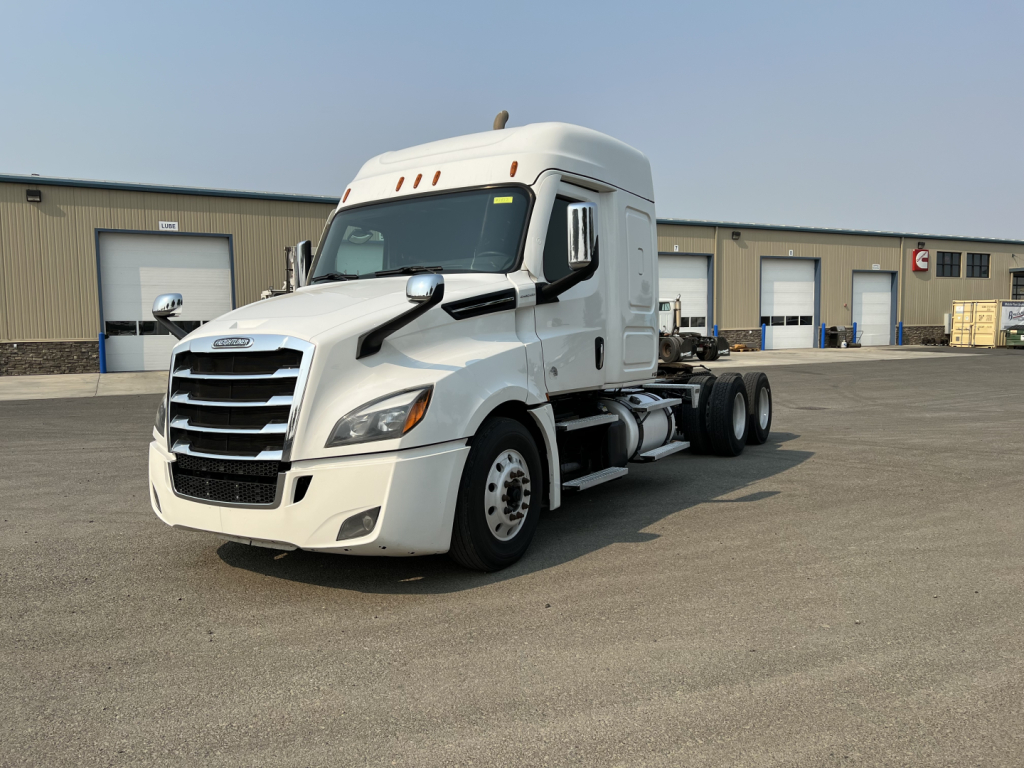
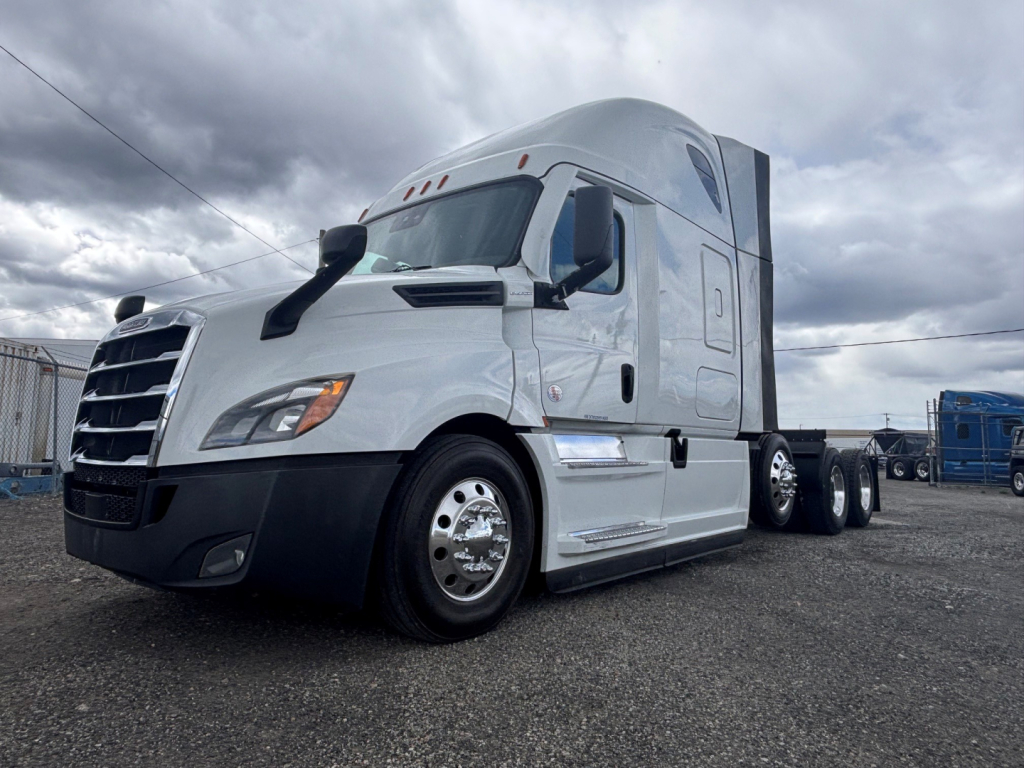
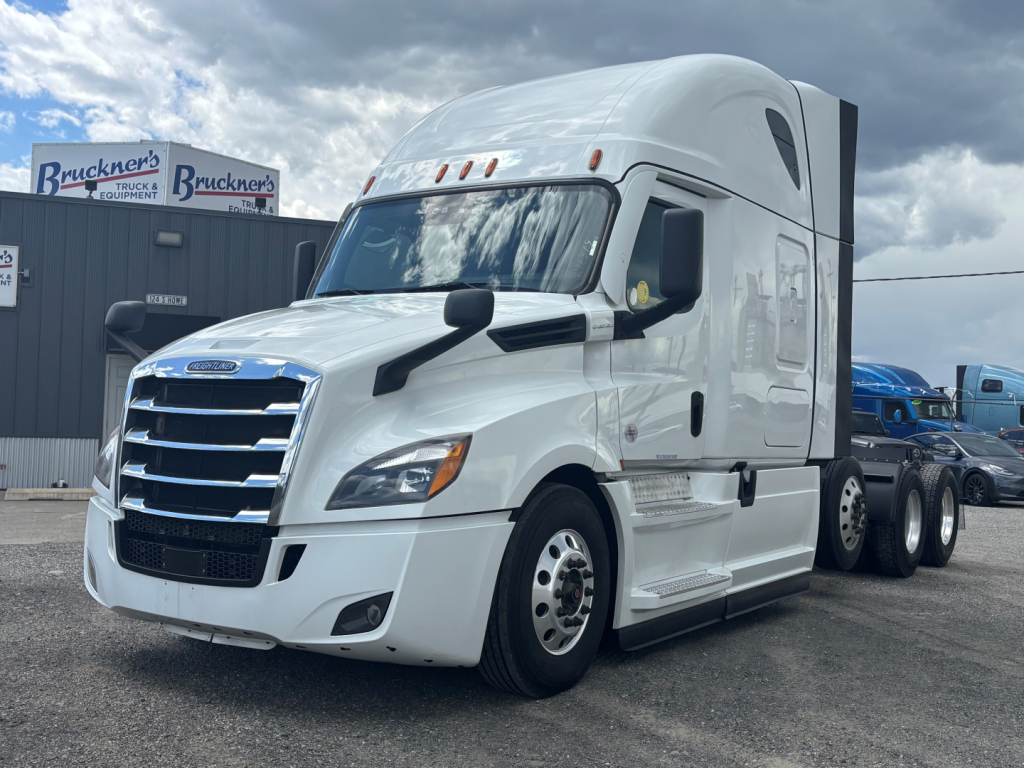
Selling a used freightliner conventional sleeper truck? List your used freightliner conventional sleeper truck for sale to reach thousands of commercial buyers.
Used Freightliner Conventional Sleeper Trucks in Washington
Powertrain selection matters more than almost any cosmetic detail on a used conventional sleeper. Many Freightliner sleepers are spec'd with Detroit DD13 or DD15 engines paired to the DT12 automated manual transmission, though some units may carry manual gearboxes or other engine options depending on prior fleet use. For Washington operations, it is smart to verify horsepower and torque ratings, rear axle ratio, and any idle-management system if the truck will run across variable elevations and seasonal weather. A 6x4 setup is still the standard choice for heavy highway work, while suspension type, fuel capacity, and fifth wheel configuration affect both payload flexibility and route planning. Maintenance history is especially important on used sleepers, including DPF and emissions service records, transmission calibration history, and evidence of regular chassis lubrication and cooling system work.
The sleeper itself should be evaluated as a working environment, not just a box behind the cab. Freightliner conventional sleepers are commonly equipped with double bunks or single-bunk layouts, storage cabinets, inverter prep, refrigerator space, and parked HVAC options depending on original specification. Interior condition can tell you a lot about how the truck was treated in service. Check seat wear, bunk trim, dash switchgear, and signs of water intrusion around seals or roof components. On the outside, look closely at fairings, hood alignment, bumper condition, and tires, since these trucks often spend their lives in high-mileage fleet cycles where fuel economy and uptime were prioritized. A clean used Freightliner sleeper with the right drivetrain and documented service can still offer strong value for owner-operators and fleets trying to control acquisition cost without giving up highway capability.
Washington buyers also tend to pay close attention to emissions compliance, cold-weather performance, and support network access. Freightliner has one of the deepest dealer and parts networks in the market, which is a practical advantage when a truck is expected to stay productive across Seattle, Spokane, the I-5 corridor, or multistate lanes into Oregon, Idaho, and beyond. For resale and operating consistency, it helps to compare software level updates, collision mitigation systems, lane departure features, and telematics integration if the truck came out of a larger fleet. A used conventional sleeper is ultimately a revenue tool, so the best choice is usually the one with the most usable spec for the lane, the cleanest maintenance record, and the sleeper configuration that fits the driver schedule.
Frequently Asked Questions about Used Freightliner Conventional Sleeper Trucks in Washington
What is a Freightliner conventional sleeper truck?
A Freightliner conventional sleeper truck is a highway tractor with the engine mounted in front of the cab and a built-in sleeper compartment behind the driver area. In the used market, this usually refers to long-haul models such as the Cascadia, including fleet designations like CA-125 or CA-126. These trucks are designed for over-the-road freight and are commonly used with dry van, reefer, and flatbed trailers.
What should I check first on a used Freightliner sleeper in Washington?
Start with the powertrain specification and maintenance history. Engine model, horsepower, transmission type, axle ratio, and emissions-system service records have a direct impact on reliability and operating cost. In Washington, buyers should also pay attention to cooling system condition, tire spec, engine-brake performance, and any signs the truck struggled with mountain routes or heavy regional freight.
Which engine and transmission combinations are common in used Freightliner conventional sleepers?
Many used Freightliner conventional sleepers are equipped with Detroit DD13 or DD15 engines and the DT12 automated manual transmission. That combination is common in fleet service because it balances fuel economy, driver accessibility, and parts support. Some used units may also have manual transmissions or alternate engine ratings, so it is important to confirm the exact spec instead of assuming all Cascadias are configured the same way.
Are used Freightliner sleeper trucks good for long-haul work?
Yes. Freightliner conventional sleepers are widely used in long-haul service because they offer aerodynamic efficiency, common replacement parts, and driver-friendly sleeper layouts. A well-maintained used unit can still be a strong long-distance truck if the chassis, emissions system, drivetrain, and sleeper components are in sound condition and matched to the intended freight and route.
What sleeper features matter most on a used conventional truck?
The most important sleeper features are the ones that affect driver uptime and comfort over multiple days on the road. Buyers usually focus on bunk layout, storage, HVAC or idle-management equipment, inverter setup, refrigerator provision, and overall interior wear. A sleeper that is clean, dry, and properly equipped can make a noticeable difference in retention, rest quality, and day-to-day usability.