
Used Conventional Sleeper Trucks For Sale in New Jersey
Browse used conventional sleeper trucks in New Jersey. Compare sleeper sizes, powertrains, axle setups, mileage, and long-haul specs.
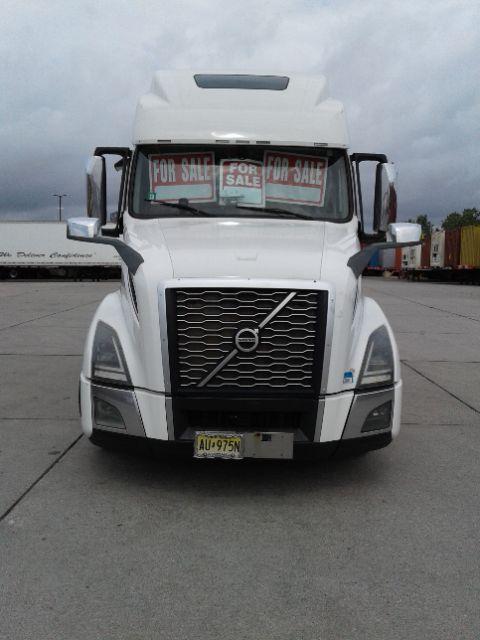
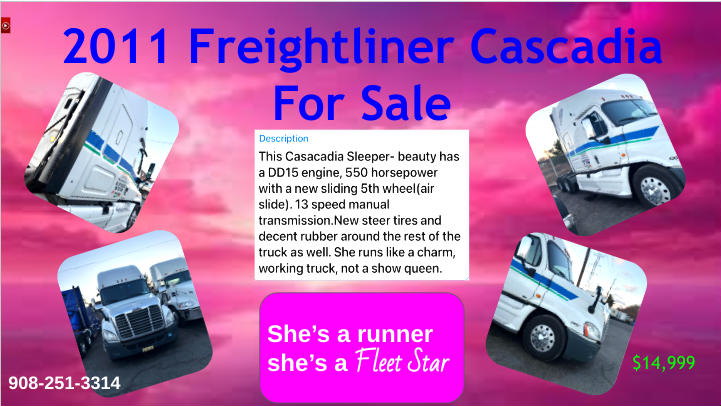

Selling a used conventional sleeper truck? List your used conventional sleeper truck for sale and reach thousands of commercial buyers.
Used Conventional Sleeper Trucks in New Jersey
A buyer should start with the sleeper and drivetrain combination. Sleeper sizes often range from around 60 to 80 inches, with mid-roof and high-roof configurations depending on the amount of stand-up room and storage needed. Common engine ratings fall in the 400 to 500 horsepower range, usually paired with a 10-speed, 12-speed automated manual, or similar over-the-road transmission. Most used conventional sleepers are 6x4 tandem axle tractors, though some fleets prefer 6x2 setups for weight savings and fuel economy. Pay attention to rear axle ratio, wheelbase, fifth wheel position, and fuel tank capacity because those specs determine bridge compliance, turning radius, and how well the truck fits your lanes and trailer mix.
On a used truck, mileage matters, but maintenance history matters more. A well-documented sleeper tractor with consistent PM service, injector and aftertreatment records, transmission service, and suspension work can be a better buy than a lower-mile truck with gaps in upkeep. Buyers should inspect DPF and SCR condition, engine brake performance, clutch wear on manual units, calibration history on automated transmissions, and signs of excessive idle time. In the cab and sleeper, check bunk condition, HVAC operation, inverter setup, refrigerator space, cabinet integrity, and overall electrical function. For New Jersey operations, corrosion around frame rails, crossmembers, battery boxes, and cab mounts is worth a close look because winter road treatment and coastal exposure can shorten component life.
The right used conventional sleeper truck depends on freight profile and cost target. Long-haul operators usually prioritize aerodynamics, larger sleepers, double bunks, and bigger fuel capacity. Regional carriers may lean toward lighter specs, shorter wheelbases, and simpler interior packages to improve maneuverability in tighter terminals and urban delivery zones. Safety and driver-retention features also matter in this class, including collision mitigation, lane departure warning, adaptive cruise, air ride suspension, and better noise insulation. A strong used sleeper truck should match your trailer lengths, loaded weights, home-time pattern, and maintenance capability, not just the advertised horsepower.
Frequently Asked Questions about Used Conventional Sleeper Trucks in New Jersey
What is a conventional sleeper truck?
A conventional sleeper truck is a highway tractor with a forward engine hood and an integrated sleeper compartment mounted behind the cab. It is designed for over-the-road freight where the driver may need to spend nights in the truck. Compared with a day cab, a sleeper adds a bunk area, storage, and often room for appliances or extra cabinets, making it better suited for long-distance and multi-day runs.
What should I look for when buying a used conventional sleeper truck?
Focus on the powertrain, maintenance records, sleeper condition, and chassis specs before looking at cosmetics. Confirm engine model, horsepower, transmission type, axle ratio, suspension, wheelbase, and fifth wheel setup to make sure the truck fits your trailers and freight. Review service history for engine work, aftertreatment repairs, transmission service, and regular preventive maintenance. A pre-purchase inspection should include ECM review, fault codes, blow-by check, suspension wear, brake condition, and signs of corrosion or crash repair.
How many miles is too many on a used sleeper tractor?
There is no single mileage cutoff that makes a used sleeper tractor a good or bad buy. Many highway tractors can remain productive well past 500,000 miles if they were maintained correctly and spec'd for the work. Higher mileage should lead to closer review of engine history, aftertreatment condition, transmission performance, differential service, and the amount of idle time. Documentation and mechanical condition are usually more important than the odometer alone.
Are automated manual transmissions common in used conventional sleepers?
Yes, automated manual transmissions are now very common in the used conventional sleeper market, especially on newer fleet trucks. They help with fuel economy, reduce driver fatigue, and can lower clutch-related wear caused by inconsistent shifting habits. Buyers should still verify software updates, clutch calibration history, and overall shift quality during inspection because poor maintenance or driveline issues can affect performance.
Which sleeper size is best for long-haul work?
For long-haul operation, many buyers prefer a 70-inch or larger sleeper because it offers better living space, more overhead storage, and room for a refrigerator or microwave setup. A larger sleeper can improve driver comfort and retention on extended trips, especially in team or multi-night applications. Smaller sleepers can still work well for regional overnight routes where reducing weight and wheelbase is a bigger priority than interior space.