
Used Conventional Sleeper Trucks For Sale in Georgia
Shop used conventional sleeper trucks in Georgia. Compare highway specs, sleeper sizes, powertrain options, and long-haul comfort features.
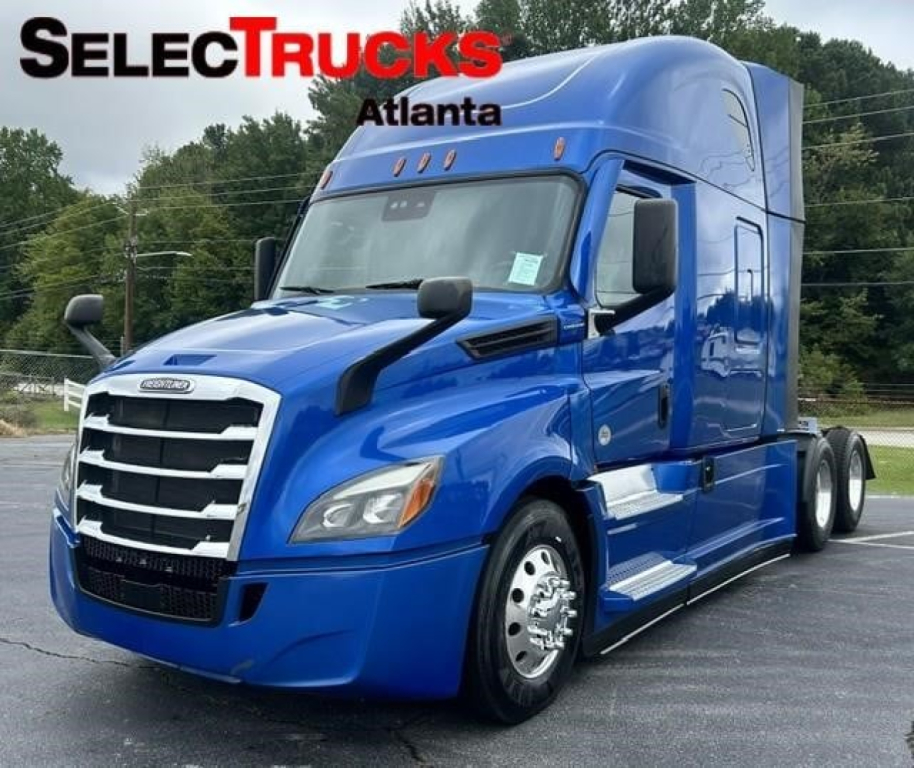
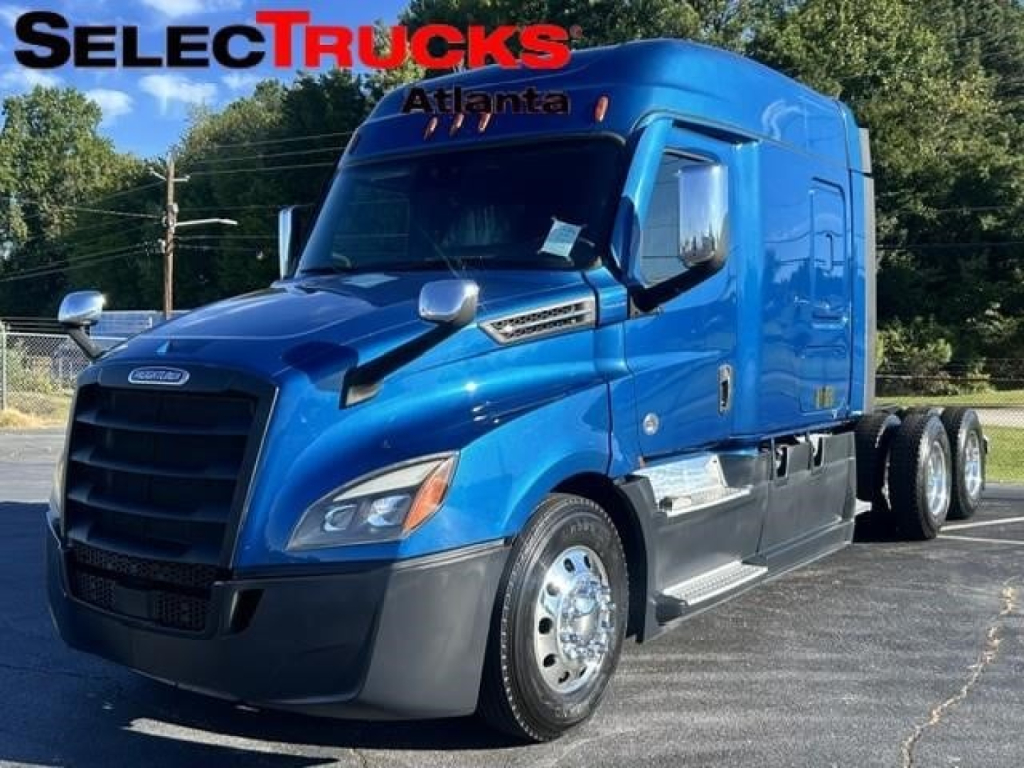
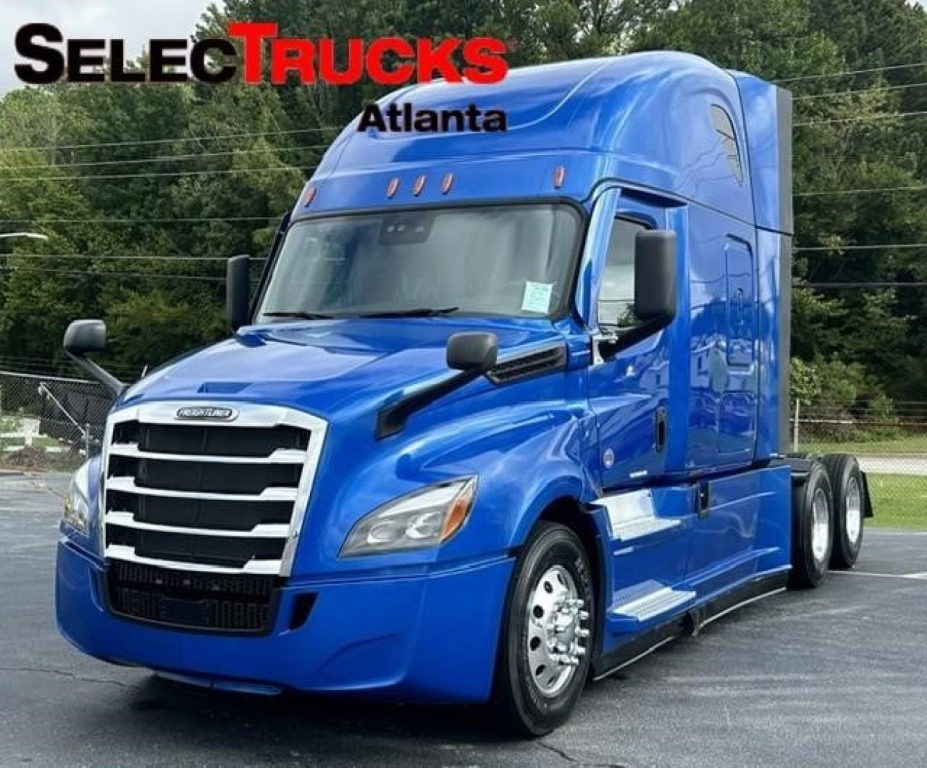
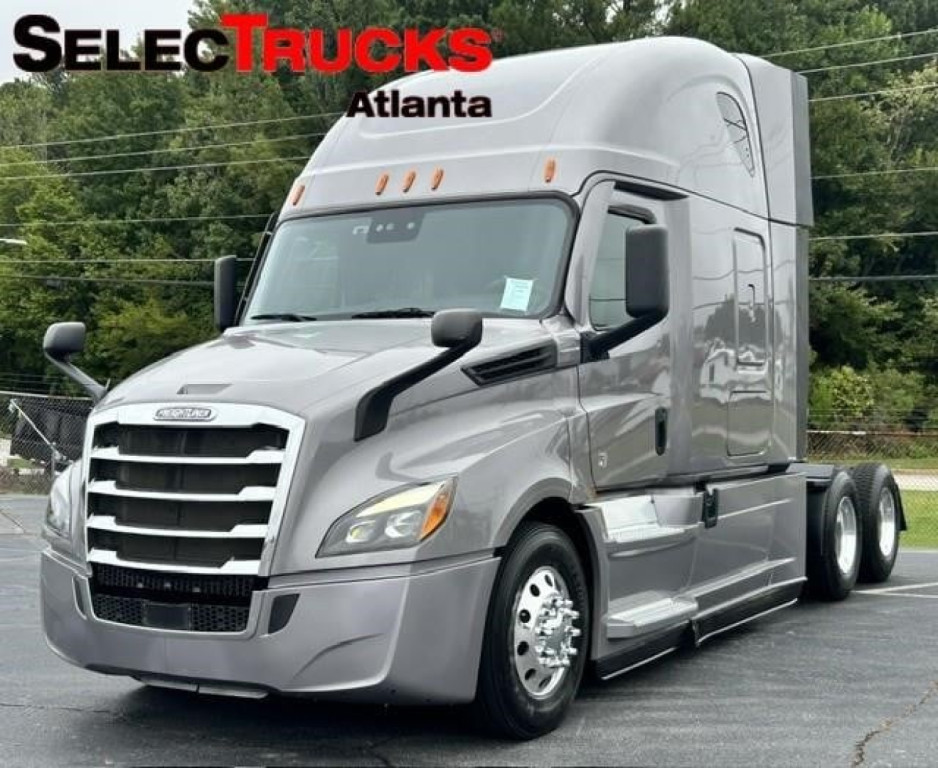
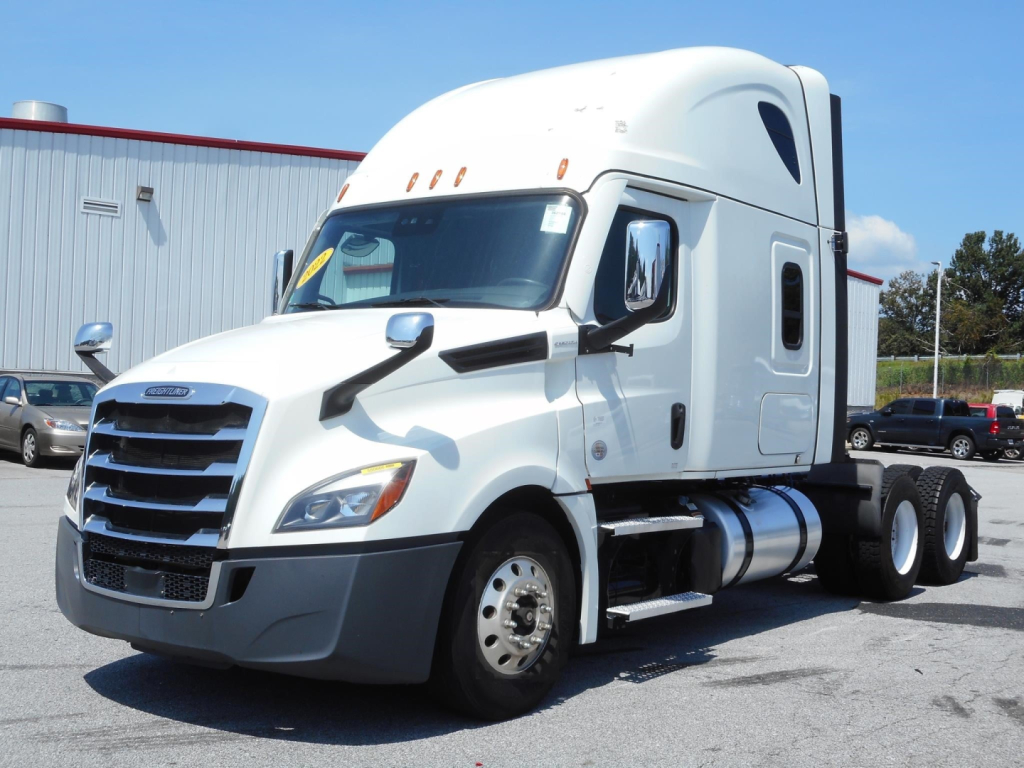
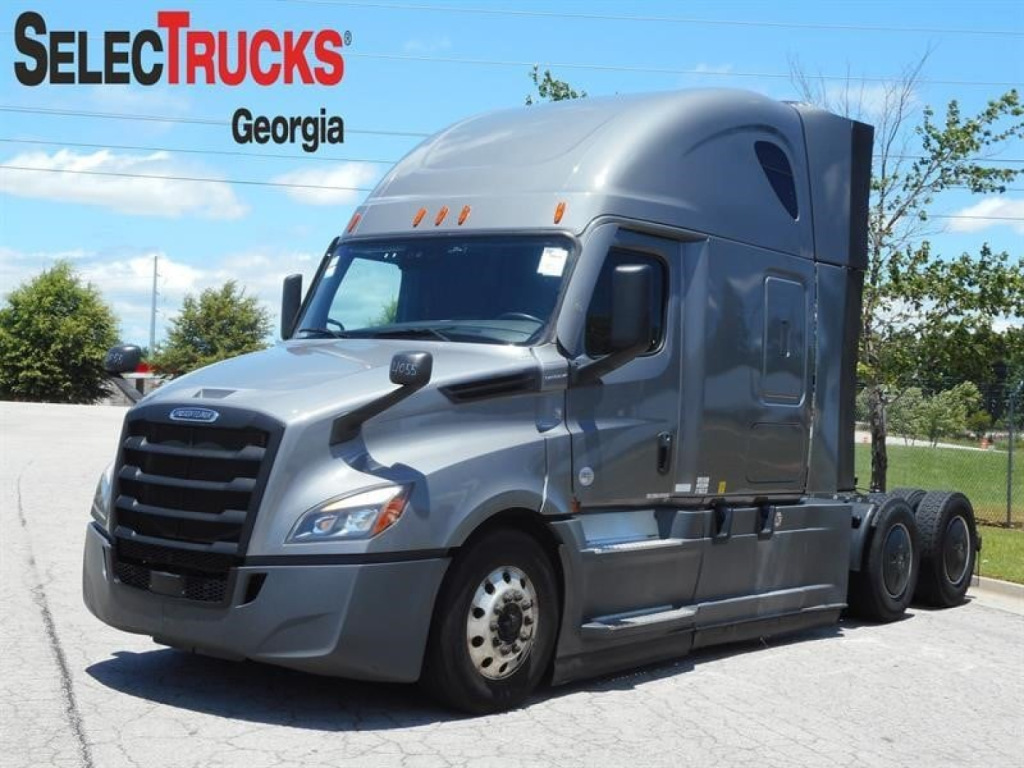
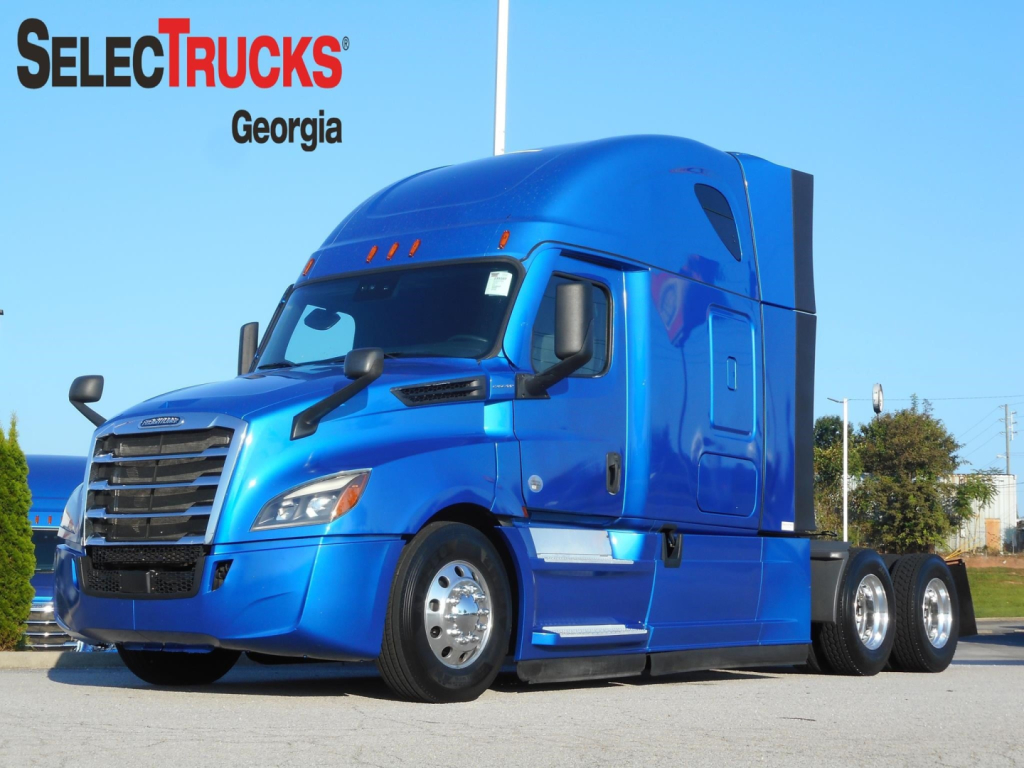
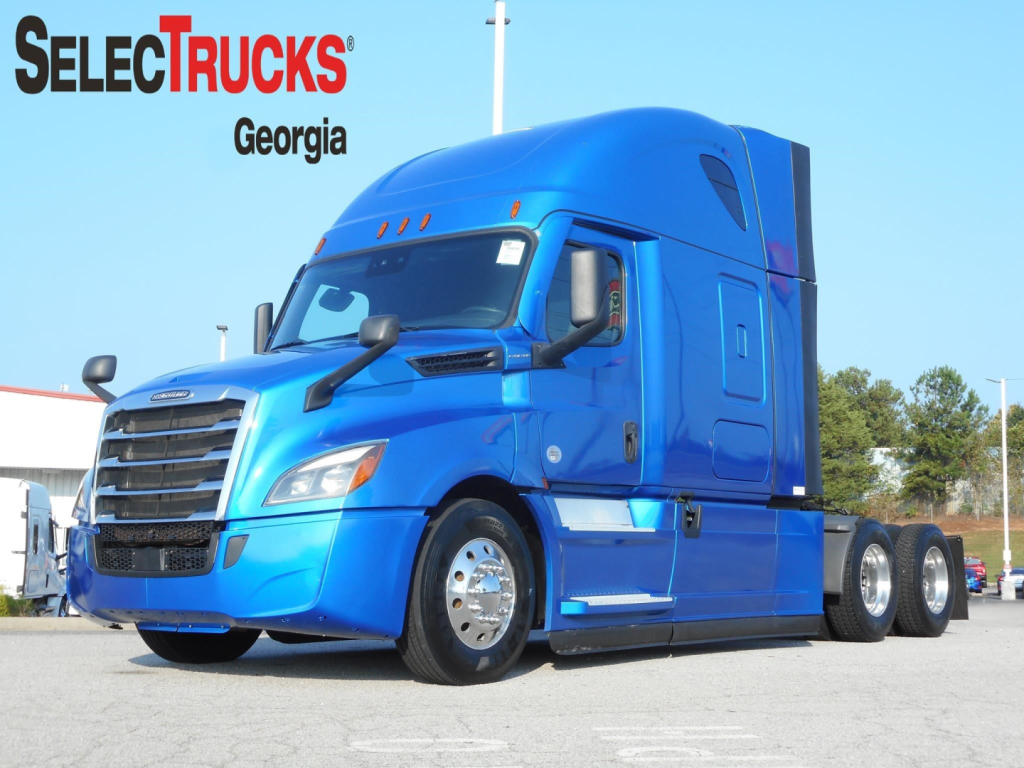
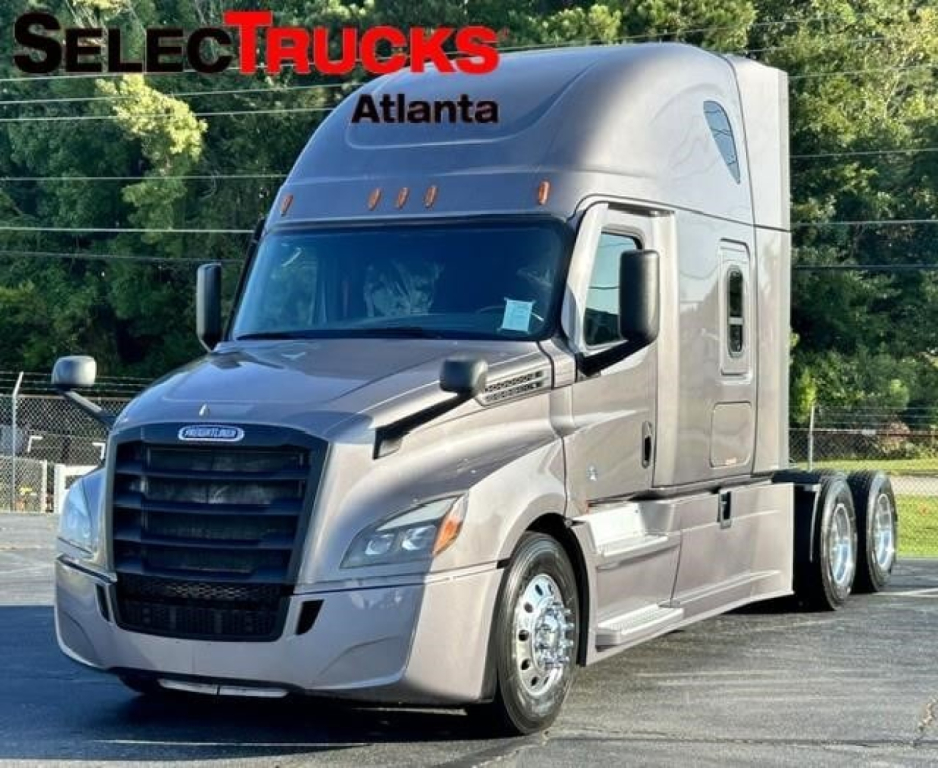
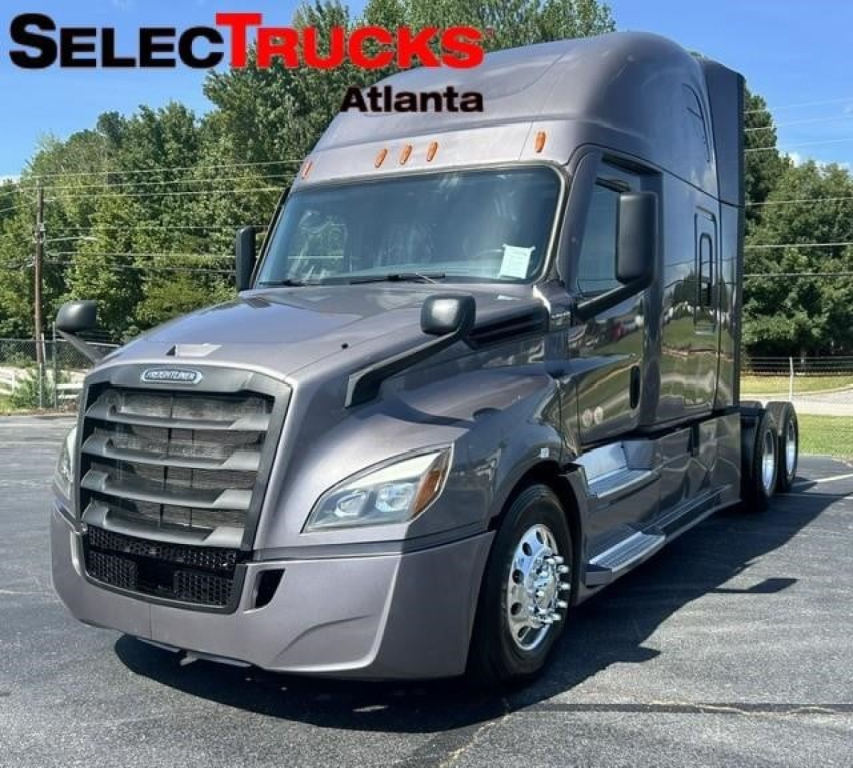
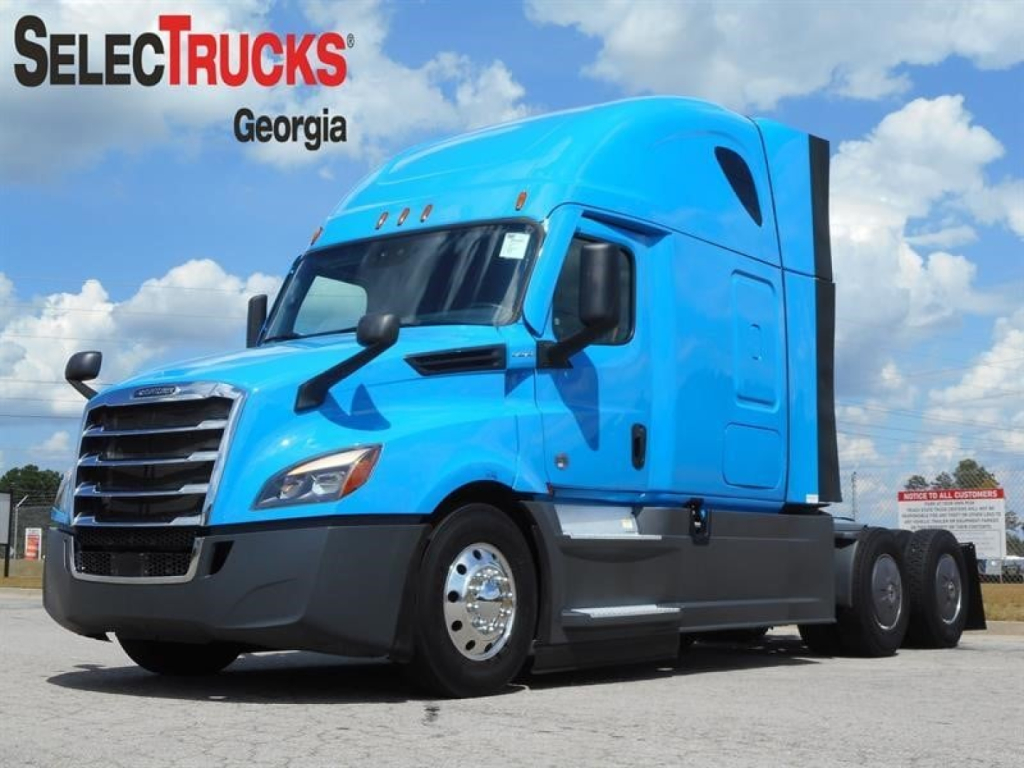
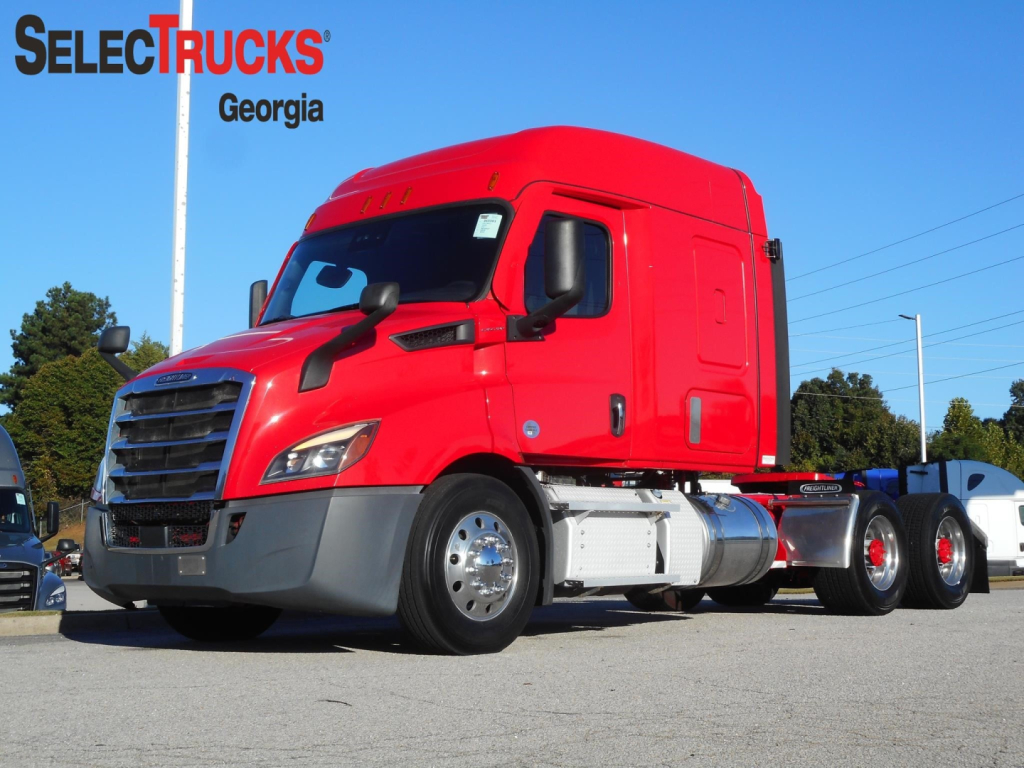
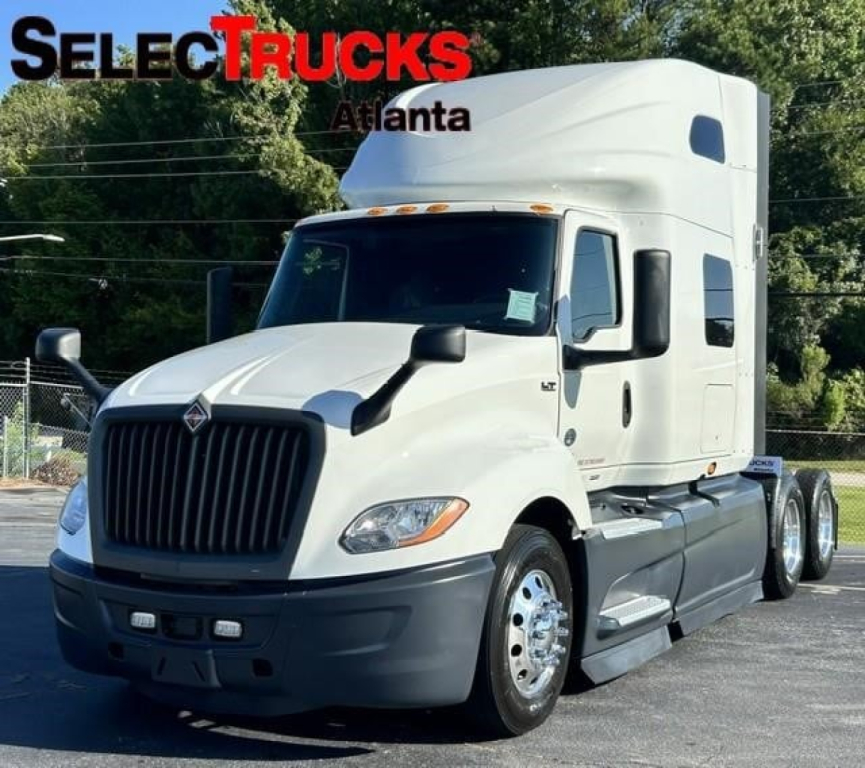
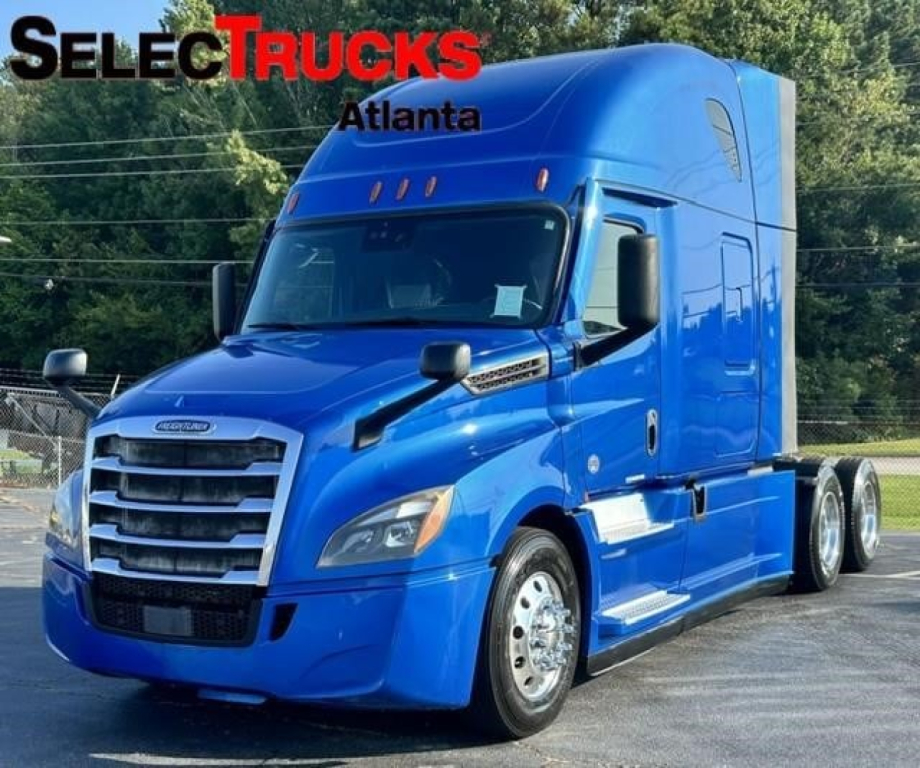
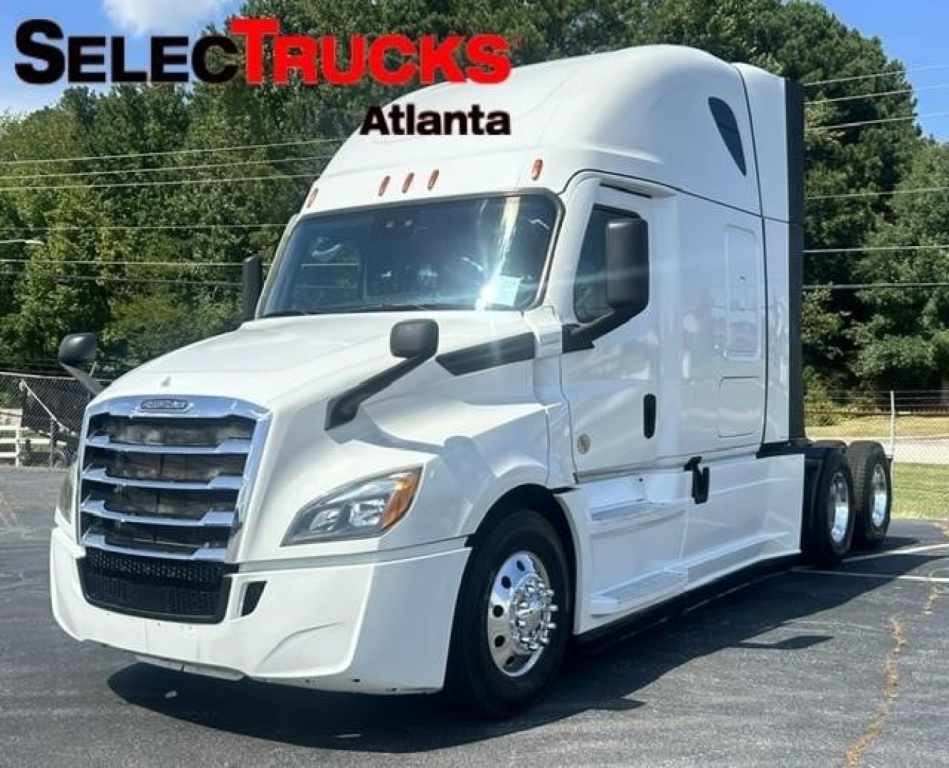
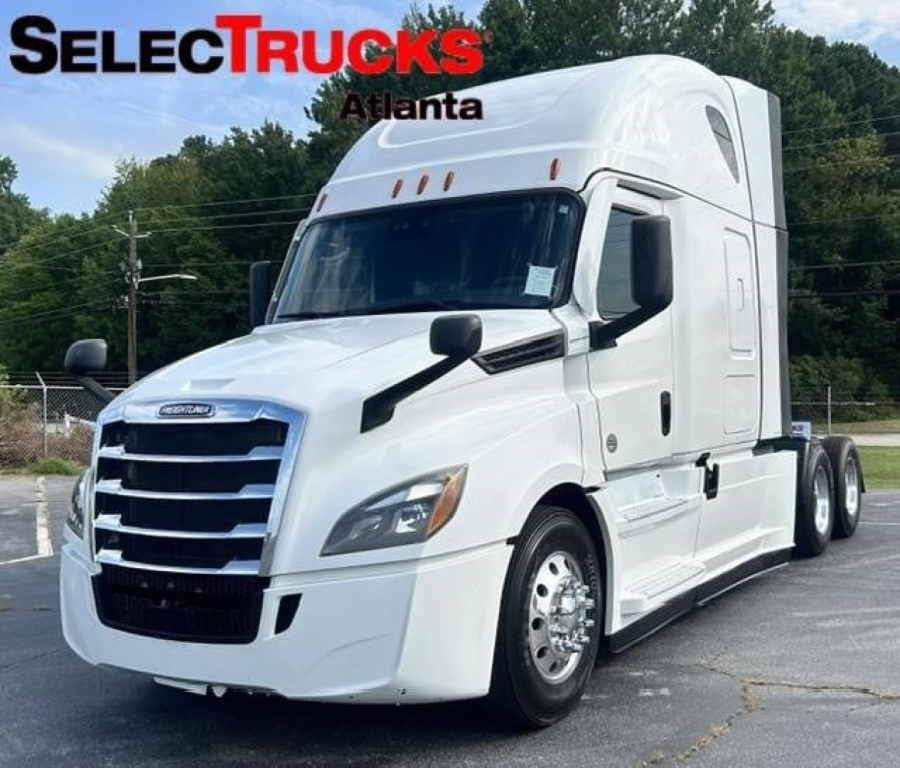
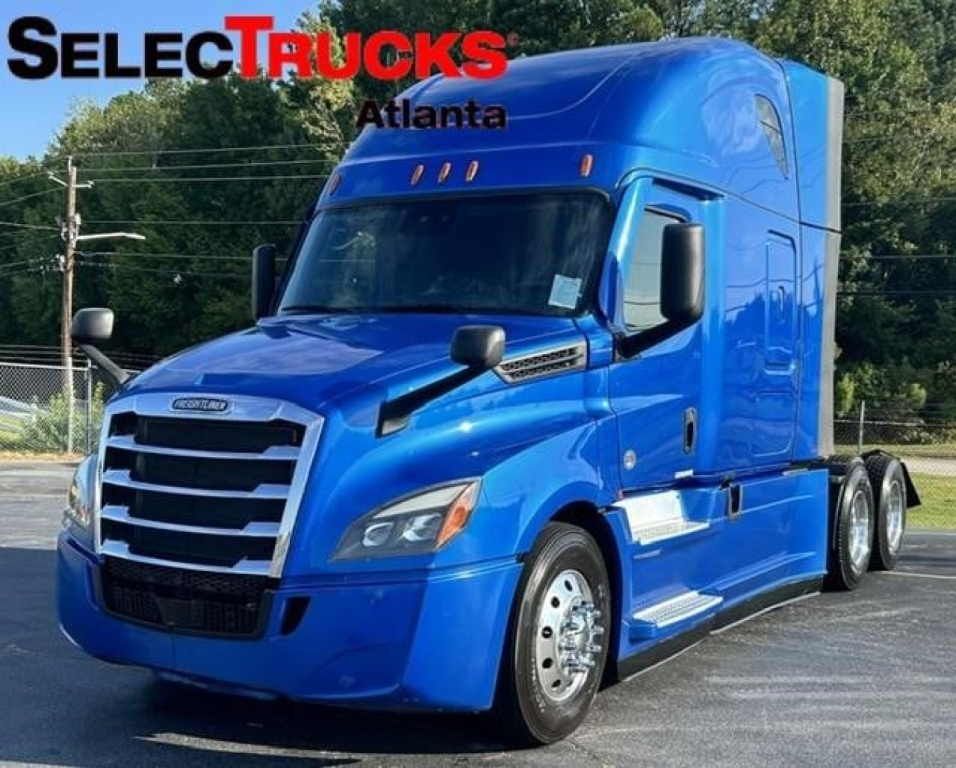
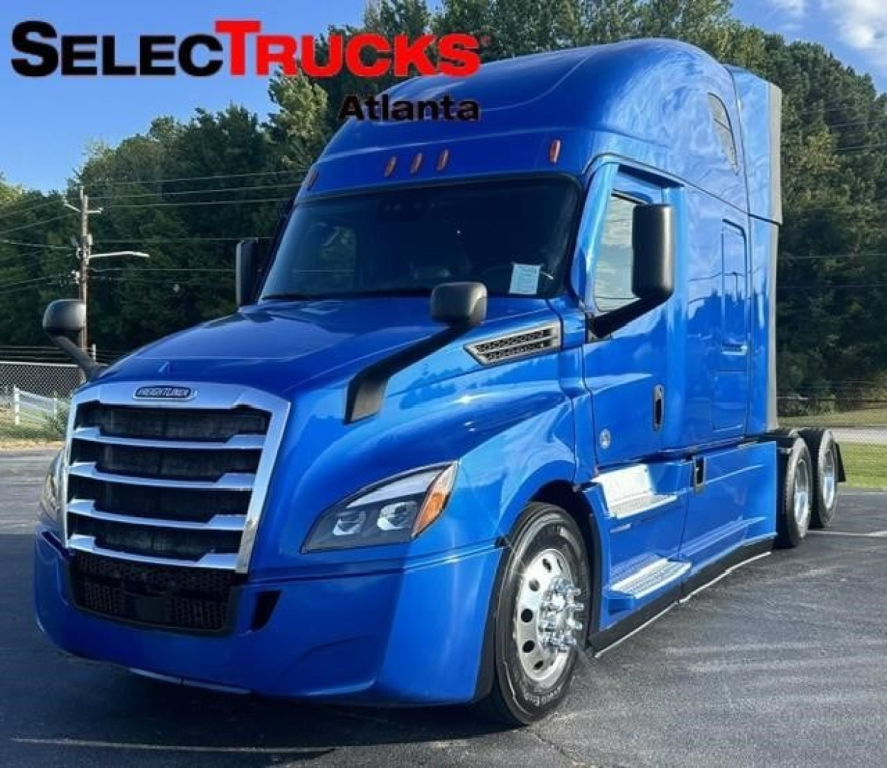
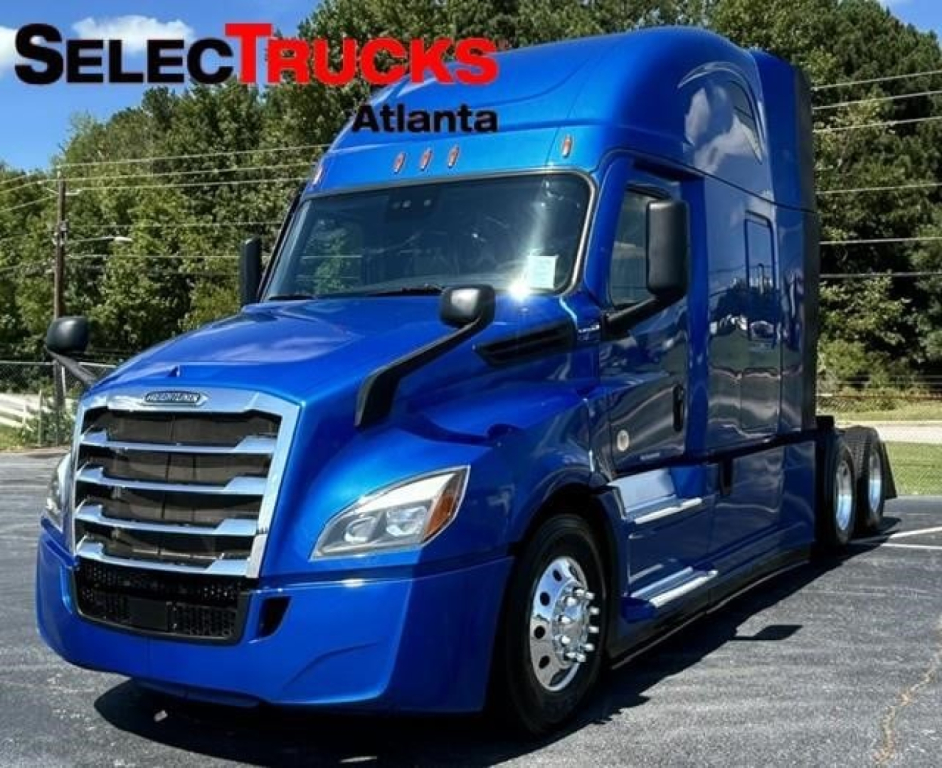
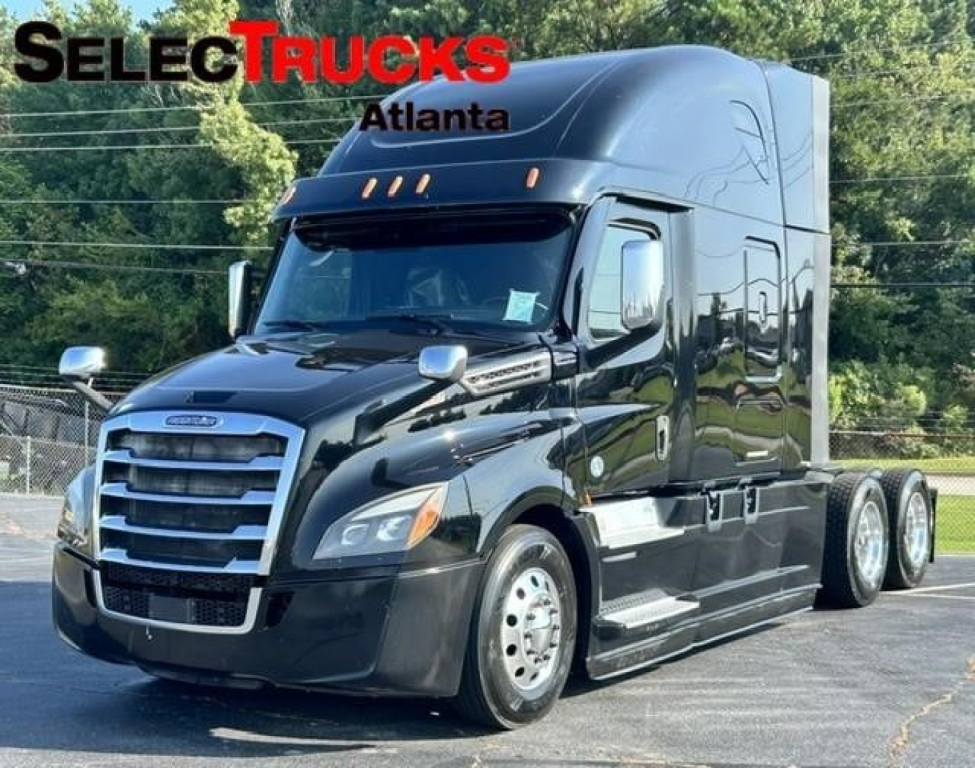
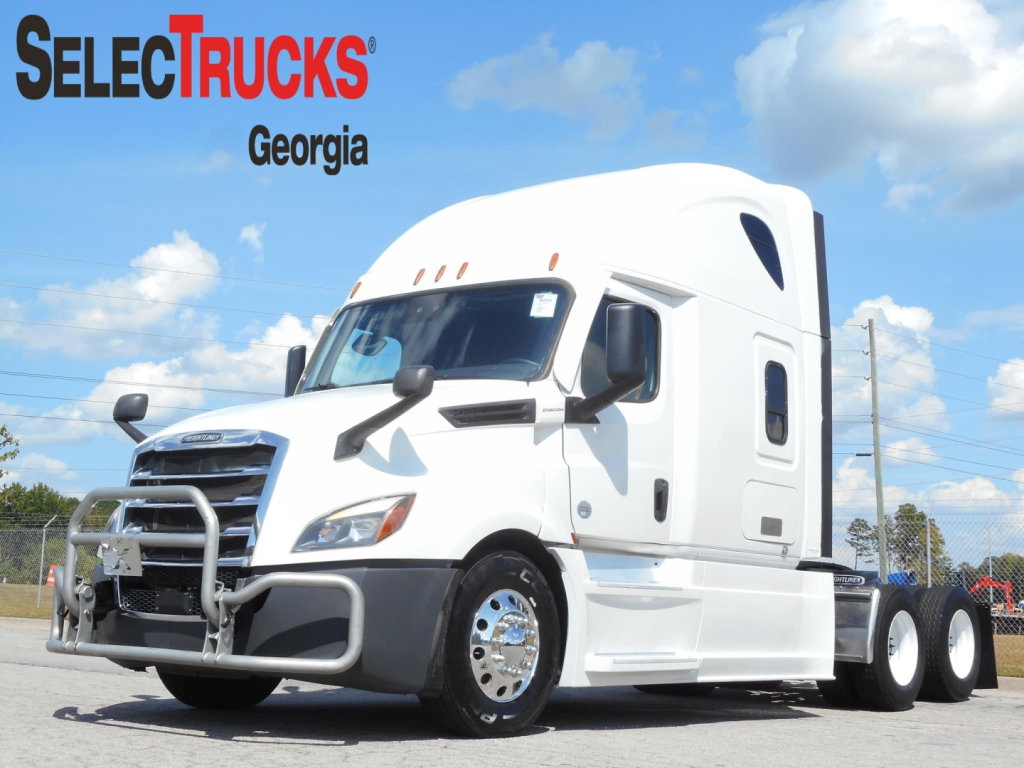
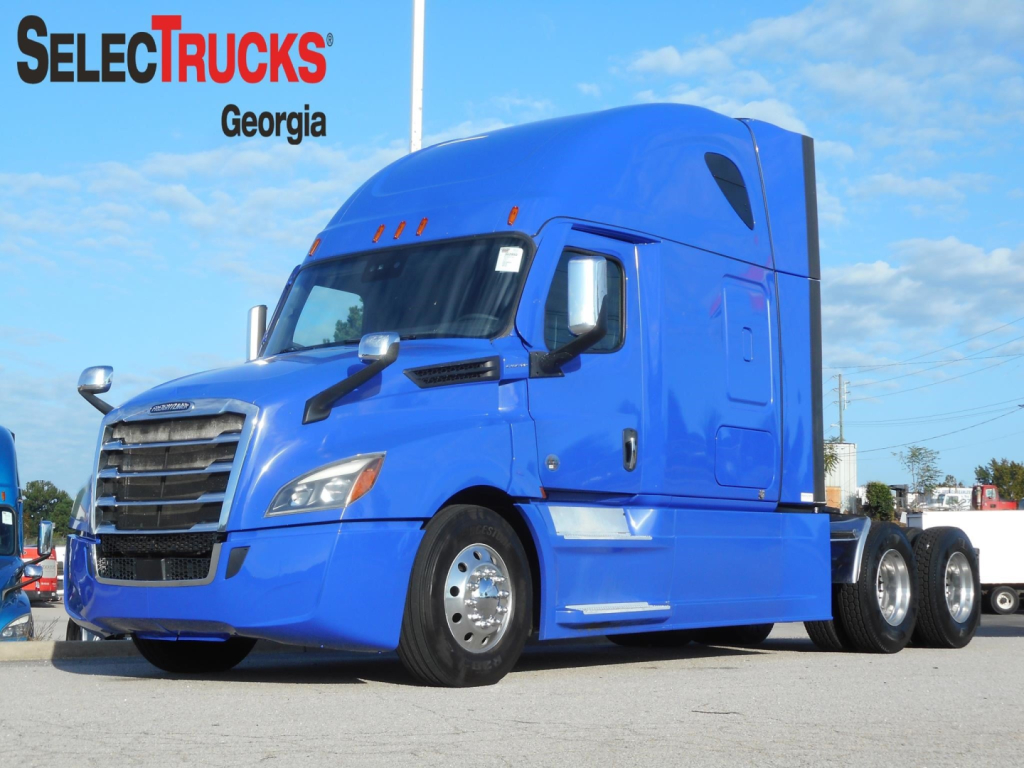
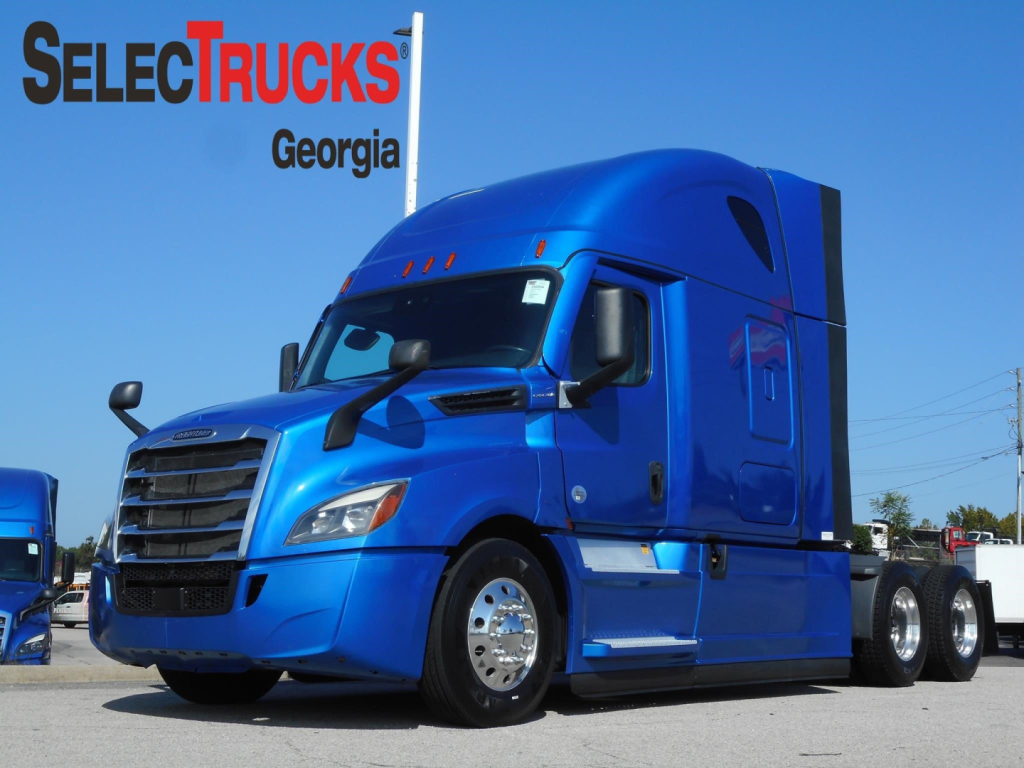
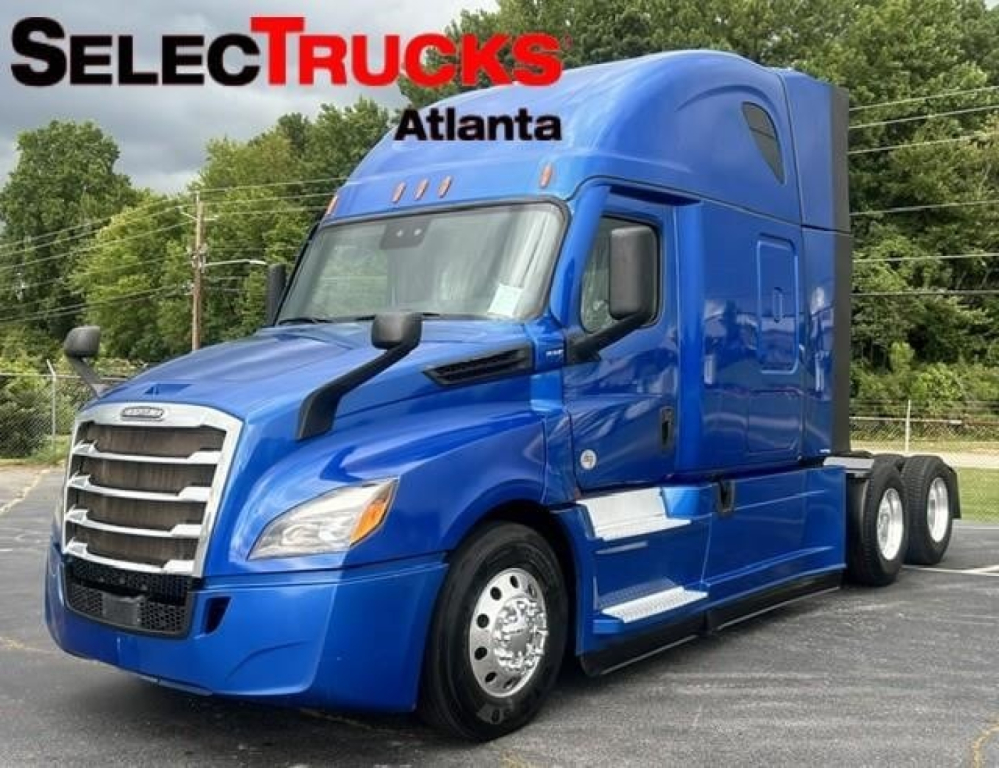
Showing 1 to 28 of 52 results
Selling a used conventional sleeper truck? List your used conventional sleeper truck for sale to reach thousands of commercial buyers.
Used Conventional Sleeper Trucks in Georgia
Powertrain spec matters more than almost any cosmetic detail on a used sleeper. Late-model units in this category are often built with 12.8L to 15L diesel engines such as the Detroit DD15, paired with automated manual transmissions like the DT12, though manual gearboxes are still found in some vocational-leaning or owner-operator specs. For highway freight, a 400 to 505 horsepower range is common, with torque and axle gearing set up for fuel economy or heavier gross combination weights. Buyers should verify engine brake performance, emissions history, idle hours versus road miles, and whether the truck has a single overdrive or direct-drive style drivetrain strategy. For Georgia operations that mix flat interstate runs with dense metro traffic, an automated transmission and modern collision mitigation package can reduce driver fatigue and improve uptime.
Sleeper configuration is the next major decision. Mid-roof and raised-roof sleepers are the norm, with single-bunk, double-bunk, and larger studio-style layouts available depending on the freight network. Features such as bunk heaters, APUs, refrigerators, inverter prep, cabinet storage, and double bunks can make a meaningful difference in driver retention and hotel cost control. Chassis details deserve the same attention. Look at wheelbase, fifth wheel placement, suspension type, fuel capacity, fairings, aluminum versus steel wheels, and tire condition. On used conventional sleepers, buyers should also inspect frame condition, kingpin and trailer clearance setup, aftertreatment service records, and signs of prior fleet maintenance discipline.
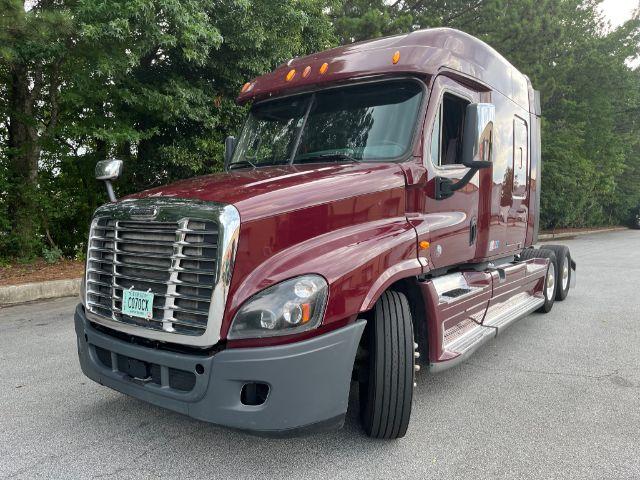
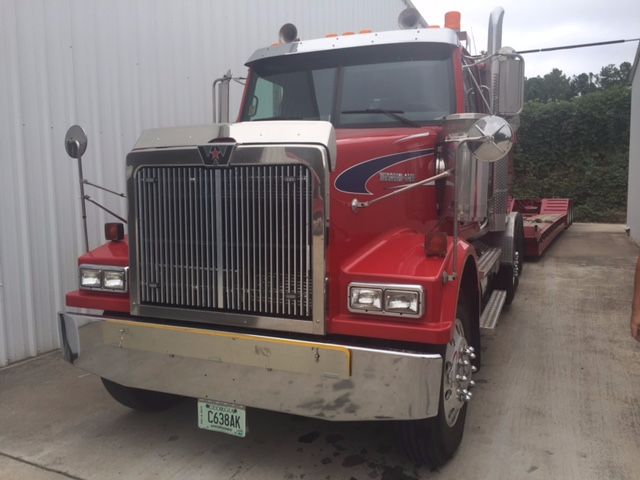
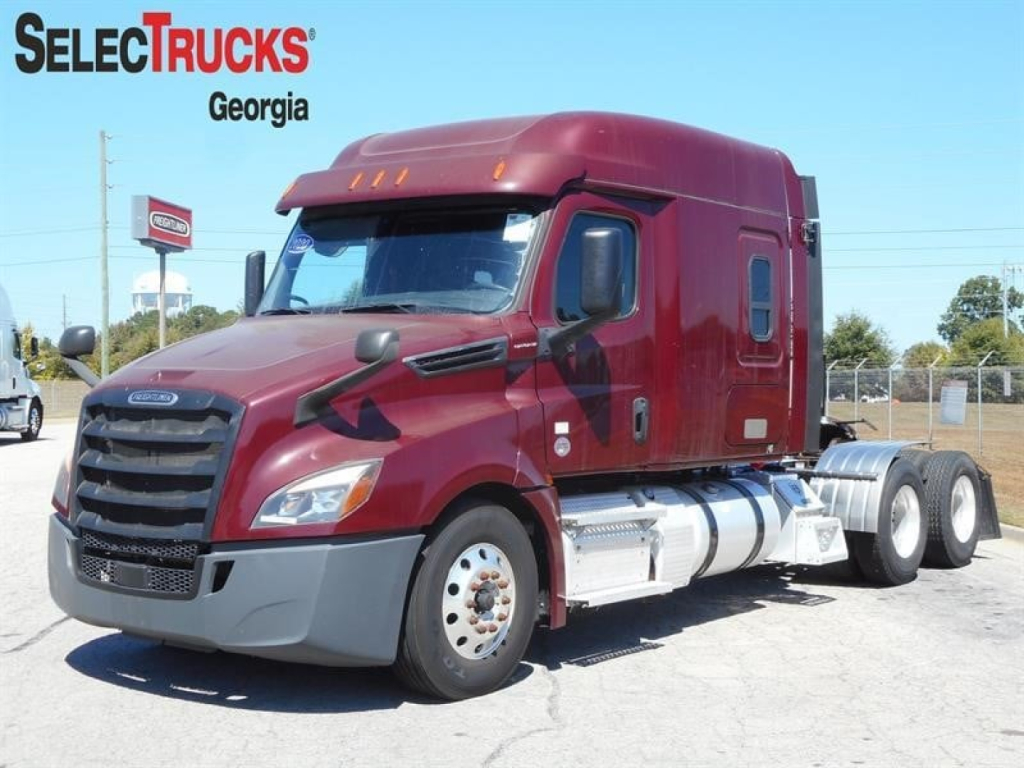
The strongest used conventional sleeper truck is not simply the newest one. It is the one with a spec that matches the freight. A carrier hauling dry van or reefer at standard highway weights may prioritize aerodynamic packages, collision mitigation, and fuel-efficient gearing. A buyer pulling heavier freight or running more aggressive duty cycles may lean toward a longer wheelbase, higher horsepower, and a more robust suspension and axle spec. Freightliner Cascadia models are common in this segment because of parts support and fuel economy, while premium and heavy-duty platforms like the Western Star 4900 appeal to buyers wanting a different durability profile or more traditional conventional styling. The right used sleeper should be judged by maintenance records, driveline match, sleeper amenities, and how well the truck’s original fleet specification fits your lanes today.
Frequently Asked Questions about Used Conventional Sleeper Trucks in Georgia
What is a conventional sleeper truck?
A conventional sleeper truck is a hood-style Class 8 tractor with an integrated rear sleeping compartment behind the cab. It is designed for over-the-road freight where the driver may stay with the truck for one or more nights. Compared with a day cab, a conventional sleeper adds bunk space and storage, and compared with a cabover, it typically offers a longer nose, easier engine access, and a ride quality many highway drivers prefer.
What should I check first on a used conventional sleeper truck?
Start with the powertrain and maintenance history. Confirm engine model, horsepower, transmission type, rear axle ratio, odometer miles, engine hours, and aftertreatment service records. Then inspect the sleeper equipment, frame, suspension, tires, brakes, and signs of prior collision or poor repairs. On late-model emissions trucks, fault history, DPF and SCR health, and evidence of proper preventive maintenance are critical because those items have a direct effect on uptime and operating cost.
Are automated transmissions common in used sleeper tractors?
Yes. Automated manual transmissions are now standard in many late-model conventional sleeper trucks, especially fleet-spec highway tractors. They help with fuel economy consistency, reduce driver training time, and lower fatigue in heavy traffic. Buyers should still road test for shift quality, clutch engagement behavior, and software calibration issues, because a poorly maintained AMT can create drivability complaints that are expensive to sort out later.
What sleeper size is best for long-haul work?
The best sleeper size depends on haul length, driver schedule, and whether the truck will be used for solo or team operations. A basic single-bunk sleeper can work well for regional overnight freight, while a double-bunk or larger raised-roof sleeper is better suited for teams and extended over-the-road dispatch. Features like a bunk heater, refrigerator, APU, and additional storage often matter as much as sleeper length because they directly affect driver comfort and idle time.
Why are used conventional sleeper trucks popular in Georgia?
Georgia is a strong market for conventional sleepers because the state sits on major freight corridors and supports port, distribution, retail, manufacturing, and refrigerated freight. Atlanta is a major logistics hub, and Savannah drives significant container traffic, so carriers often need tractors that can handle both long interstate runs and high-frequency regional turns. A well-spec'd used sleeper fits that mix by offering highway comfort, range, and flexibility across multiple trailer types and lane profiles.