
Used 2014 Conventional Sleeper Trucks For Sale
Browse used 2014 conventional sleeper trucks with long-haul specs, popular engine-transmission setups, and buyer tips on mileage, sleepers, and axle ratings.
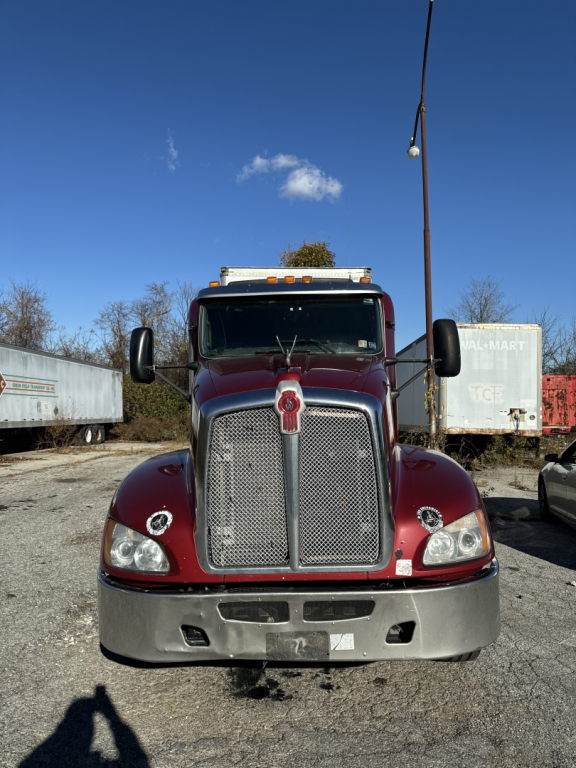
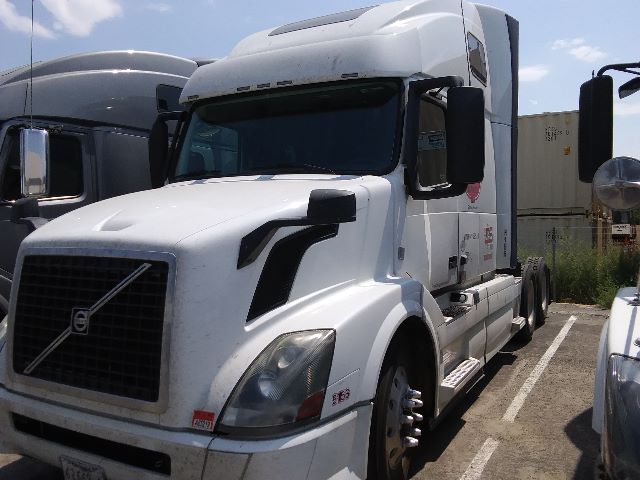
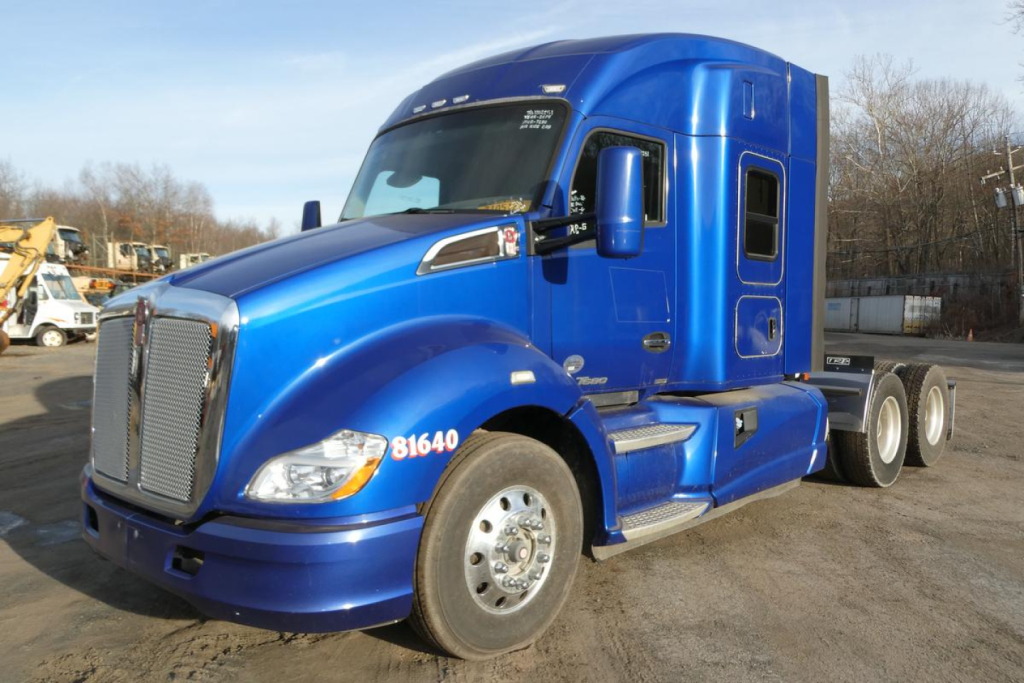
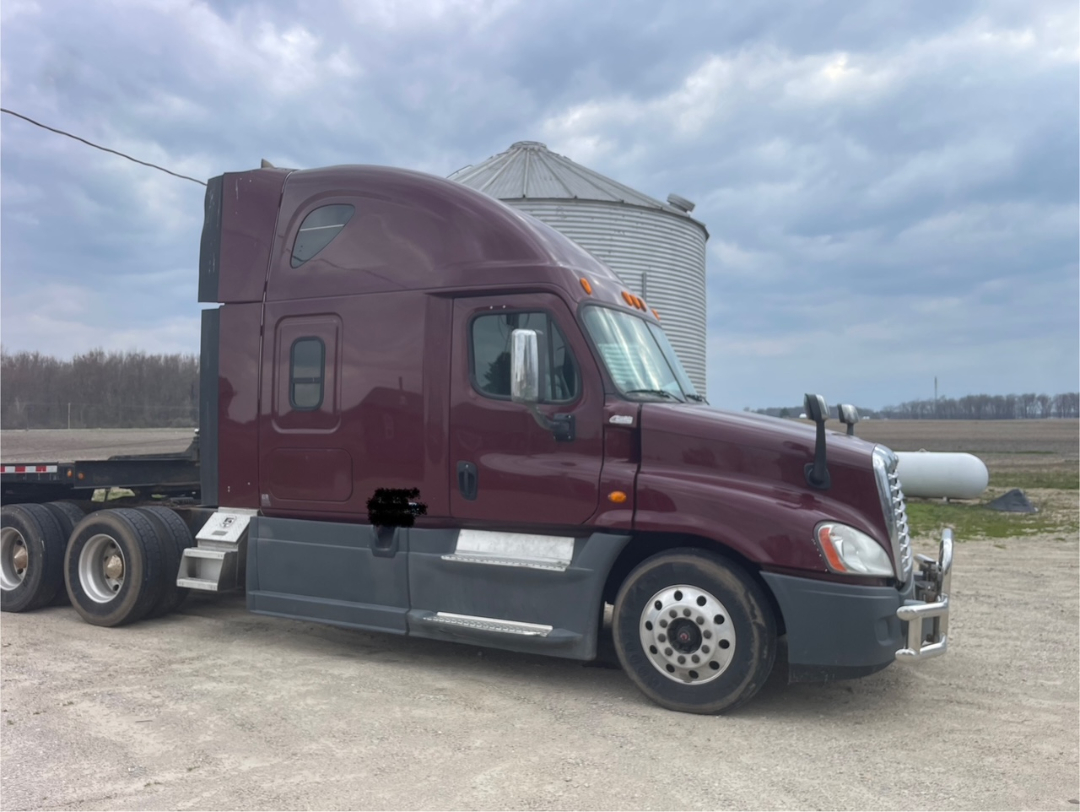
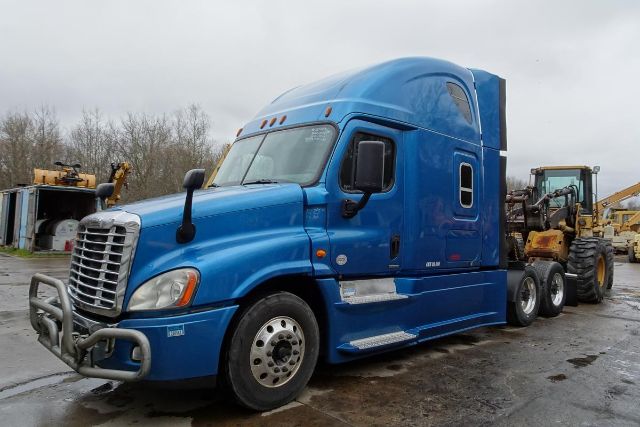
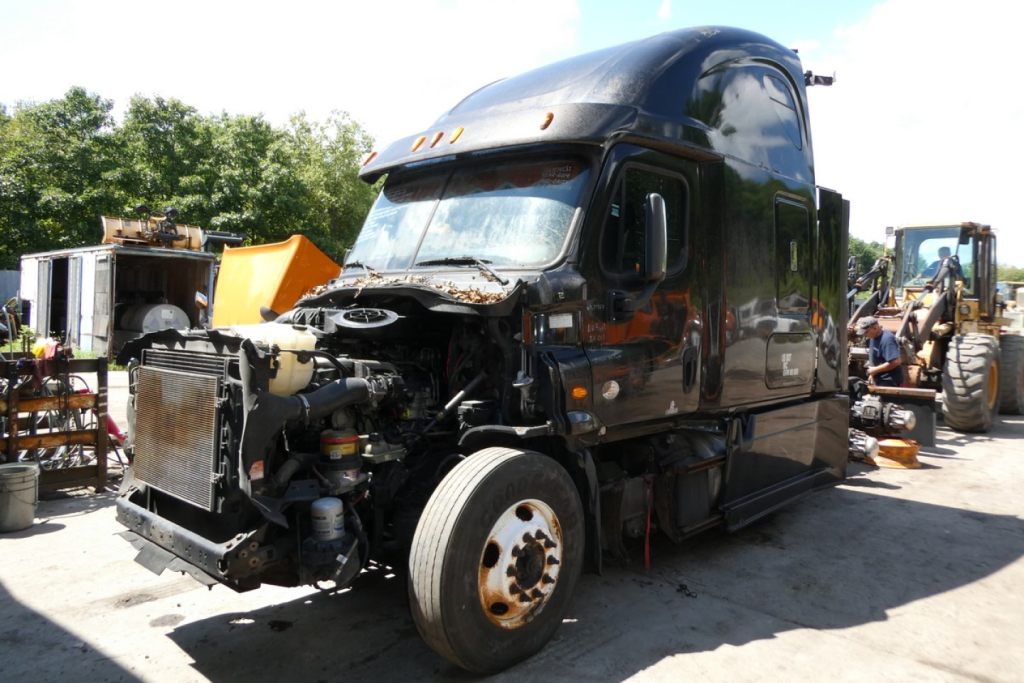
Selling a used 2014 conventional sleeper truck? List your used 2014 conventional sleeper truck for sale and reach thousands of commercial buyers.
Used 2014 Conventional Sleeper Trucks
The biggest buying decision on a 2014 sleeper is usually the powertrain. Trucks from this model year commonly carry engines such as the Cummins ISX, Detroit DD13 or DD15, Paccar MX-13, Volvo D13, or Navistar MaxxForce on certain makes. Transmissions can range from Eaton Fuller 10-speed and 13-speed manuals to automated manuals that reduce driver fatigue and improve shift consistency. Rear axle ratios, wheelbase, and engine rating should match the intended work. A lower numerical ratio generally favors fuel mileage on highway lanes, while higher ratios can help in heavier or more demanding terrain. Most conventional sleepers in this segment use tandem rear axles, 22.5-inch rubber, air ride suspension, and axle ratings around 12,000 pounds front and 40,000 pounds rear, though exact specs vary widely.
Sleeper configuration matters more than many buyers expect. A mid-roof or high-roof sleeper from 2014 may offer anything from a basic bunk setup to cabinets, refrigerator space, auxiliary power provisions, and enough stand-up room for teams or extended time on the road. Fairings, cab extenders, sliding fifth wheels, dual fuel tanks, and engine brakes are all common features that affect day-to-day operating cost and usability. Buyers comparing listings should pay close attention to mileage, idle hours, emissions system history, maintenance records, tire condition, brake type, and any recent work on major components like the DPF, turbo, clutch, or transmission. On a truck of this age, documented service history often tells more than appearance.
A 2014 conventional sleeper can be a strong fit for dry van, refrigerated, flatbed, and general freight operations if the spec is aligned with the trailer and route profile. For buyers focused on total cost of ownership, it pays to verify sleeper size, wheelbase, fuel capacity, engine brake, suspension type, and ECM data before making a decision. The right truck in this category should balance fuel economy, drivability, serviceability, and remaining life in the powertrain and emissions system. That is what separates a low-priced tractor from one that can still produce reliable miles.
Frequently Asked Questions about Used 2014 Conventional Sleeper Trucks
What should I look for first when buying a used 2014 conventional sleeper truck?
Start with the powertrain spec, mileage, engine hours, and maintenance history. A 2014 sleeper may still have useful life left, but buyers should verify ECM readings, check for documented emissions repairs, and review service records for the engine, transmission, clutch, DPF, DEF system, and cooling system. Axle ratio, wheelbase, fuel capacity, and sleeper size should also match the lane and trailer type the truck will run.
Are 2014 conventional sleeper trucks good for over-the-road use?
Yes, many 2014 conventional sleepers were built specifically for over-the-road service and still make sense for long-haul freight when maintained properly. Aerodynamic models from this year can offer good highway manners, sleeper comfort, and competitive fuel economy for their age. The truck is most useful when its horsepower, transmission, and rear ratio are matched to the freight weight and terrain.
Which engines are common in 2014 conventional sleeper trucks?
Common engines in this category include the Cummins ISX, Detroit DD13, Detroit DD15, Paccar MX-13, Volvo D13, and some Navistar MaxxForce engines depending on make and model. Each has a different reputation for fuel economy, service network support, and emissions performance. Buyers often prioritize engine history and repair documentation over brand alone because condition matters more than the badge on a truck of this age.
How important is sleeper size on a 2014 highway tractor?
Sleeper size has a direct effect on driver comfort, storage, and how well the truck fits the intended operation. A smaller sleeper may work well for shorter regional runs or solo operations, while a larger mid-roof or high-roof setup can be better for team driving, extended trips, and drivers who spend more nights in the truck. Features like cabinetry, refrigerator space, bunk layout, and APU provisions can make a meaningful difference in downtime and retention.
What problems are most common on older conventional sleeper trucks?
The most common concerns on older sleeper tractors involve emissions components, cooling systems, wiring issues, air leaks, suspension wear, and drivetrain components that are near overhaul intervals. DPF and DEF system faults, turbo wear, injector issues, clutch wear on manual transmissions, and neglected preventive maintenance are all worth checking closely. A thorough inspection with diagnostics, fluid analysis, and a review of fault codes can help identify expensive issues before purchase.