
Used 2014 Conventional Sleeper Trucks For Sale in New York
Shop used 2014 conventional sleeper trucks in New York. Compare sleeper size, engine, transmission, wheelbase, emissions, and axle specs.
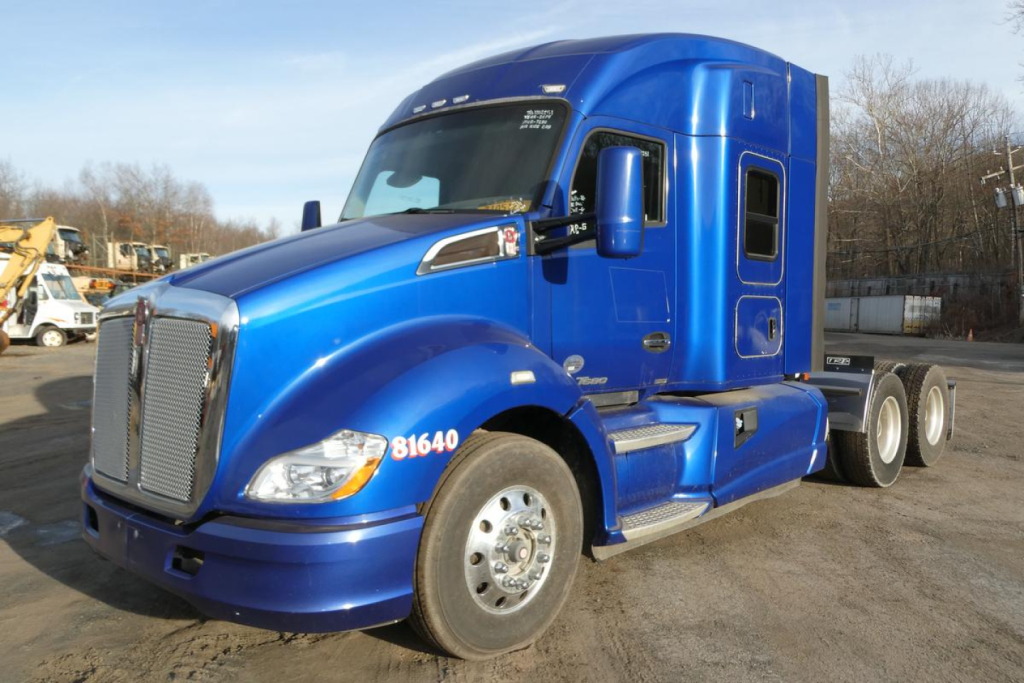
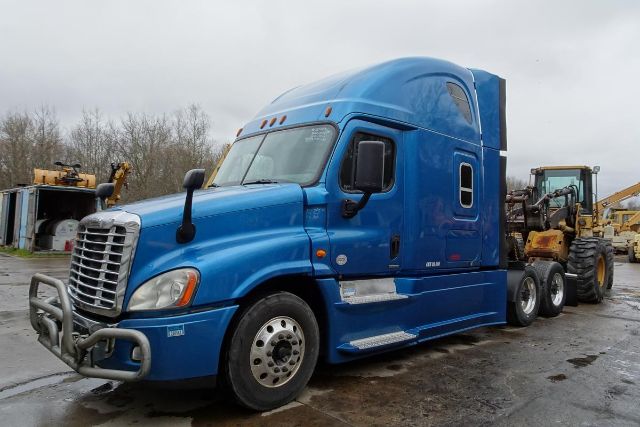
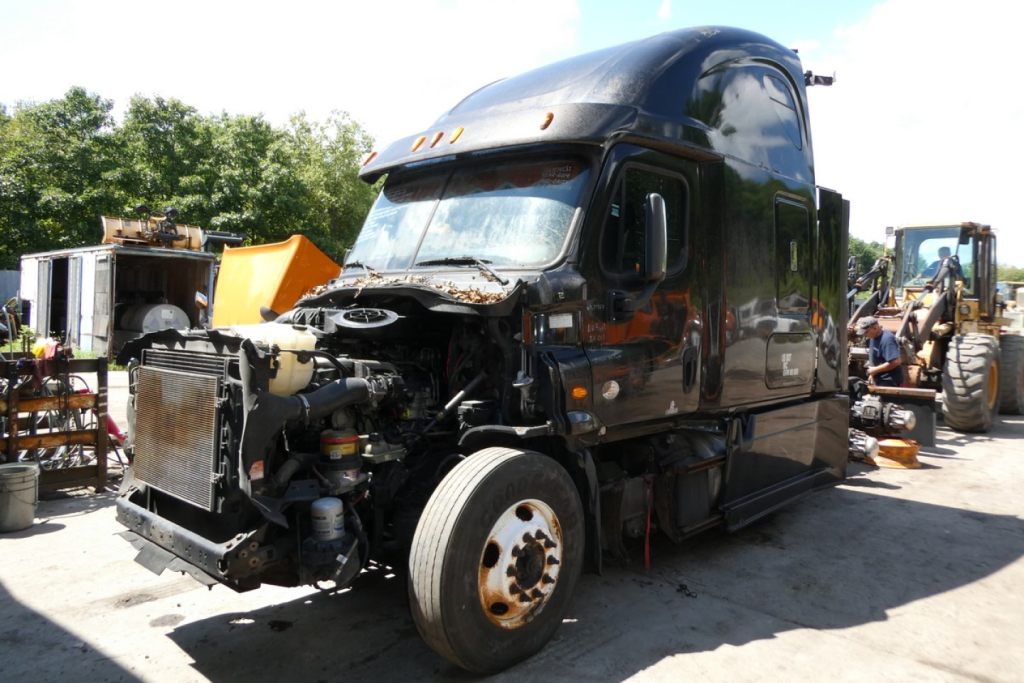
Selling a used 2014 conventional sleeper truck? List your used 2014 conventional sleeper truck for sale to reach thousands of commercial buyers.
Used 2014 Conventional Sleeper Trucks in New York
The biggest buying decision on a 2014 sleeper is the driveline. This is a transition-era emissions truck, so many units will have DEF and aftertreatment systems paired with engines like the Detroit DD13 or DD15, Cummins ISX, Volvo D13, or other electronically controlled diesels in roughly the 400 to 505 horsepower range. Transmissions are often 10-speed manuals, 13-speeds, or automated manuals such as Detroit DT12. Rear axle ratings commonly land around 40,000 pounds with front axles near 12,000 pounds, and gear ratios can vary from fuel-minded highway specs in the 2.47 to 2.64 range up to more versatile 3.36 or 3.55 setups. If the truck will stay mostly on the Thruway or other linehaul lanes, a taller rear ratio and direct or overdrive transmission may make sense. If it will pull heavier freight through mixed terrain or spend more time in stop-and-go work, ratio selection matters just as much as horsepower.
Sleeper layout and chassis dimensions also deserve close attention. High-roof double bunk sleepers in the 60- to 70-inch range are common in this class, though mid-roof configurations also show up. Wheelbases around 230 to 250 inches are typical, and that dimension directly affects bridge law compliance, trailer swing clearance, and how the tractor handles crowded yards and urban receivers. Buyers should look at cab-to-axle, frame condition, suspension type, and whether the truck has a single frame or any signs of previous frame work. Air ride suspensions, aluminum wheels, side skirts, and fairing packages are common on aerodynamic 2014 conventionals, while practical details such as tire size, hub-piloted wheels, fuel tank capacity, engine brake operation, and fifth wheel slider function can tell you a lot about how the truck was spec'd and maintained.
On a used 2014 conventional sleeper, condition matters more than badge. Odometer readings in this category can be high, so it is smart to compare ECM miles to dash miles, engine hours to road miles, service records, DPF and DEF system history, clutch or automated transmission repairs, and any fault codes tied to emissions or aftertreatment. Inspect the sleeper carefully for water intrusion, HVAC performance, bunk hardware, and interior wear, especially on trucks that spent years in full-time OTR service. In New York, corrosion around the frame, crossmembers, battery box, cab mounts, and air tank brackets is a real consideration. A properly spec'd and properly maintained 2014 conventional sleeper can still be a cost-effective tractor for long-haul, regional van, refrigerated, or light flatbed work, but the best value usually comes from matching the engine, gearing, sleeper size, and wheelbase to the exact freight lane and operating style.
Frequently Asked Questions about Used 2014 Conventional Sleeper Trucks in New York
What engines and transmissions are common in used 2014 conventional sleeper trucks?
Used 2014 conventional sleeper trucks commonly feature electronically controlled diesel engines such as the Detroit DD13, Detroit DD15, Cummins ISX, and Volvo D13, generally rated from about 400 to 505 horsepower. Transmissions in this category are often 10-speed manuals, 13-speed manuals, or automated manuals like the Detroit DT12. The right combination depends on the application. A fuel-efficient linehaul truck may have a lower-RPM highway spec, while a more versatile or heavier-duty setup may use deeper gearing and a manual transmission for better control under load.
Is a 2014 sleeper truck a DEF-era emissions truck?
Yes. Most 2014 conventional sleeper trucks are equipped with DEF and modern aftertreatment systems, including components such as the SCR system and DPF. That makes service history especially important. Buyers should confirm whether the truck has had recent DPF cleaning, injector work, NOx sensor replacement, DEF system repairs, or other emissions-related maintenance. A truck with complete records and clean diagnostic history is usually a better risk than one with unresolved emissions faults, even if the purchase price is lower.
What sleeper size is best for long-haul work?
For long-haul service, many buyers prefer a 60- to 70-inch high-roof sleeper with a double bunk because it offers more standing room, storage, and driver comfort on multi-day trips. A mid-roof sleeper can still work well for regional hauling or teams that prioritize lower height and sometimes lower weight, but interior space is more limited. Sleeper choice should match route length, driver expectations, and how much time the truck will spend away from the terminal.
What should I inspect first on a used 2014 conventional sleeper in New York?
Start with the frame, suspension, and corrosion points because road salt and winter use can accelerate rust on crossmembers, cab mounts, brackets, and air system components. Then verify engine hours, ECM miles, fault codes, aftertreatment condition, and transmission operation. It is also worth checking the fifth wheel slider, bunk HVAC, roof seals, and signs of water intrusion in the sleeper. On high-mileage tractors, these condition items often affect total cost of ownership more than the original make or model.
What axle and wheelbase specs are typical on a 2014 conventional sleeper tractor?
Most used 2014 conventional sleeper tractors are tandem axle highway trucks with a 12,000-pound front axle and 40,000-pound rear axles, though exact ratings vary by spec. Wheelbases often fall in the 230- to 250-inch range, with some shorter or longer depending on sleeper size and intended trailer application. Wheelbase influences ride quality, turning radius, bridge compliance, and trailer clearance, so it should be matched to the type of freight, trailer length, and delivery environment.