
Used 2014 Freightliner Conventional Sleeper Trucks For Sale
Shop used 2014 Freightliner conventional sleeper trucks. Compare Cascadia and Columbia specs, sleeper sizes, Detroit power, and highway setup.
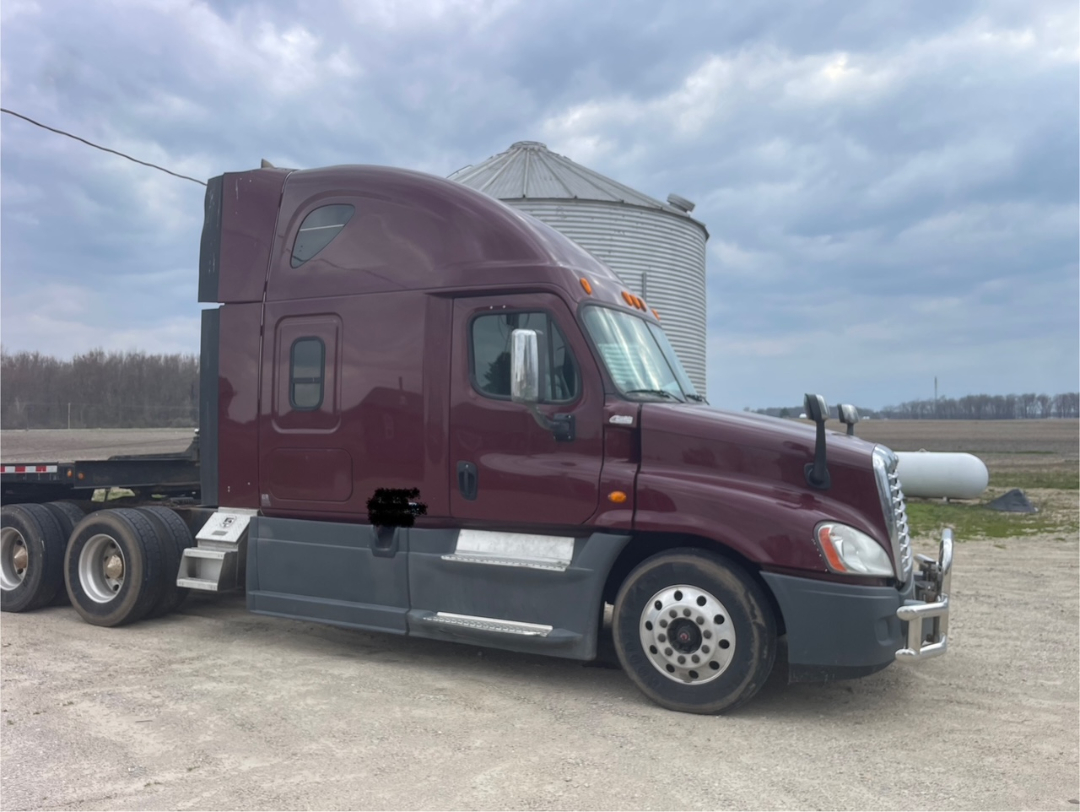
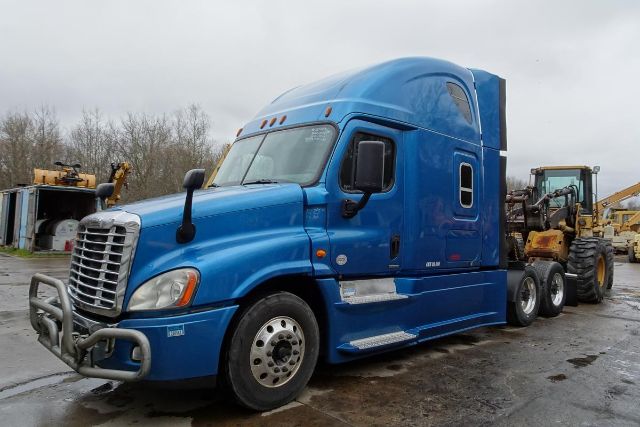
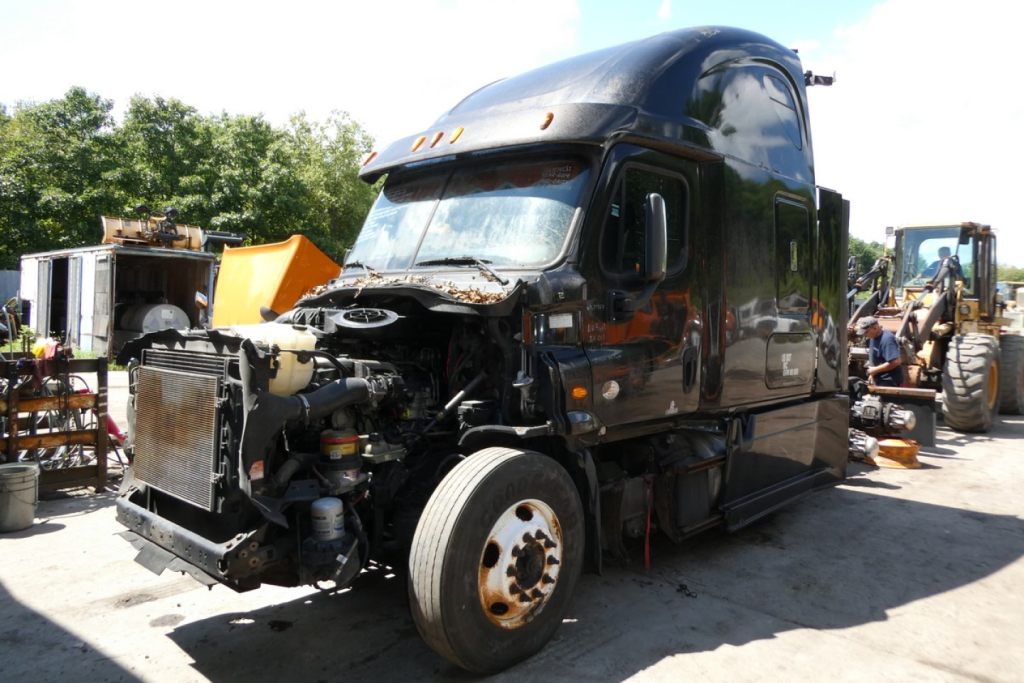
Selling a used 2014 freightliner conventional sleeper truck? List your used 2014 freightliner conventional sleeper truck for sale and reach thousands of commercial buyers.
Used 2014 Freightliner Conventional Sleeper Trucks
For a 2014 unit, the first buying decision is usually the powertrain. Many Freightliner sleeper trucks from this period were spec'd with Detroit engines, commonly the DD13 or DD15, paired with either a manual transmission or Detroit's DT12 automated manual. Rear axle ratios, wheelbase, and sleeper length matter just as much as horsepower. A 72-inch raised-roof sleeper is common in over-the-road service, while some trucks were built with shorter sleepers for regional work. Buyers should also check suspension type, fuel capacity, 5th wheel travel, and whether the truck has disc or drum brakes, an APU, bunk heater, inverter, and collision mitigation or other driver-assist features if retrofitted or late-spec'd.
Condition matters more than badge value on a used 2014 sleeper. Maintenance history, aftertreatment service records, clutch life on manual units, DT12 calibration history on automated trucks, DPF and DEF system condition, and evidence of prior crash repair should all be part of the evaluation. Interior wear in the bunk, seat base condition, dash switchgear, and HVAC performance tell you a lot about how the truck was used. Tire wear patterns, kingpin and bushing play, air leaks, and frame condition around crossmembers and suspension hangers are also worth close attention. On higher-mileage highway tractors, a clean overhead, consistent oil sample history, and documented injector, turbo, or one-box work can be more valuable than cosmetic reconditioning.
Freightliner conventional sleeper trucks are popular because they are easy to place into van, reefer, flatbed, and dedicated route service. They are also widely accepted by fleets that need standardized specs for driver turnover and maintenance planning. If the truck will stay on long interstate runs, focus on cab comfort, bunk layout, fuel range, and axle ratio for cruise-speed efficiency. If it will move into regional or slip-seat duty, a simpler spec with manageable wheelbase and lower operating cost may be the better choice. A well-maintained 2014 Freightliner sleeper can still be a dependable revenue truck when the spec matches the lane and the service history supports the miles.
Frequently Asked Questions about Used 2014 Freightliner Conventional Sleeper Trucks
What engine and transmission setups are common in a 2014 Freightliner conventional sleeper truck?
The most common setups in a 2014 Freightliner conventional sleeper are Detroit diesel engines, especially the DD13 and DD15, paired with either a manual transmission or the Detroit DT12 automated manual. Exact horsepower, torque, and rear axle ratio vary by original fleet spec. For highway freight, buyers often prefer a DD15 with a fuel-efficient rear ratio and an overdrive transmission, while regional buyers may accept a simpler or lighter spec if the maintenance history is strong.
Is a 2014 Freightliner Cascadia sleeper still a good truck for over-the-road work?
A 2014 Freightliner Cascadia sleeper can still be a solid over-the-road truck if it has been maintained correctly and the major emissions and drivetrain systems have good records. The truck's value depends less on age alone and more on mileage, idle hours, aftertreatment condition, transmission service history, and overall chassis wear. Many buyers still choose this model because parts availability is strong and most shops are familiar with the platform.
What should I inspect first on a used 2014 Freightliner sleeper?
Start with the engine, aftertreatment system, transmission operation, and maintenance documentation. Then inspect the frame, suspension, steering components, wheel ends, tires, brakes, and 5th wheel assembly. Inside the cab and sleeper, check HVAC performance, bunk equipment, electrical accessories, warning lights, and signs of hard fleet use. A diagnostic scan and service records review are important on any emissions-era highway tractor.
What sleeper size is typical on a 2014 Freightliner conventional sleeper truck?
Many 2014 Freightliner conventional sleeper trucks were spec'd with a 60-inch to 72-inch sleeper, with 72-inch raised-roof configurations being especially common in long-haul service. The right sleeper size depends on the route and driver schedule. Longer-haul operations usually favor more storage and stand-up room, while regional overnight service can work well with a shorter and lighter sleeper.
Are used 2014 Freightliner sleeper trucks good for fleet standardization?
Yes, they are often a practical choice for fleets that want a familiar platform with broad dealer coverage and established maintenance procedures. Freightliner sleeper tractors from this era are common in the secondary market, which helps with technician familiarity, parts sourcing, and driver training. Standardization still depends on matching wheelbase, sleeper configuration, axle ratio, and powertrain spec across the group of trucks you plan to run.